To enhance service speed and avoid tariff delays, we've opened a US warehouse. All US orders ship directly from our US facility.
| Cat. No. | Product Name | Field of Application | Chemical Structure |
|---|---|---|---|
| DC79352 | Jun6504 Featured |
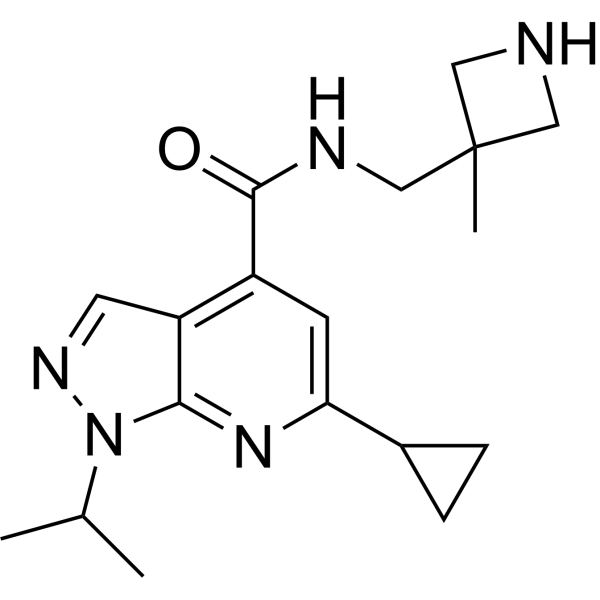
Jun6504 is an enterovirus 2C inhibitor. Jun6504 shows potent and broad-spectrum antiviral activity against multiple strains of EV-D68 (EC50 = 250 nM), EV-A71 (EC50 = 502.4 nM), and CVB3 (EC50 = 1049 nM). Jun6504 improves paralysis score and weight gain in a neonatal mouse model of EV-D68 infection. Jun6504 reduces viral titers in the spinal cord and the infected quadriceps muscle. Jun6504 can be used for EV-D68 antiviral research.
More description
|
|
| DC7266 | Rilpivirine(R 278474, TMC 278) Featured |
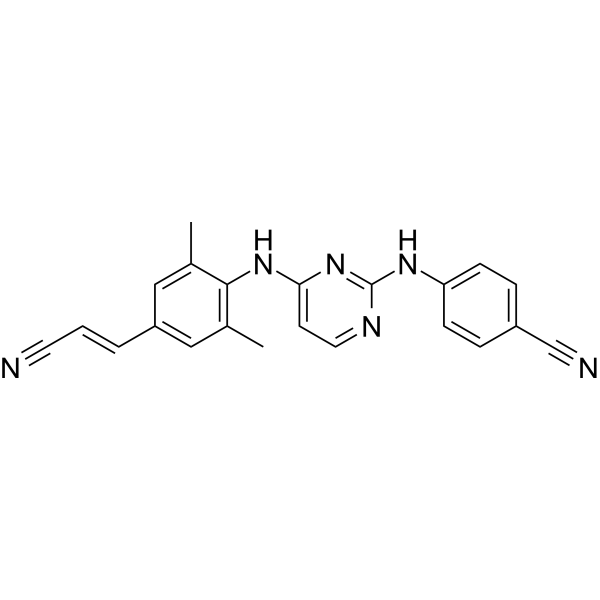
Rilpivirine(R 278474, TMC 278) is a type of anti-HIV medicine called a non-nucleoside reverse transcriptase inhibitor (NNRTI).
More description
|
|
| DC70432 | GHP-88309 Featured |
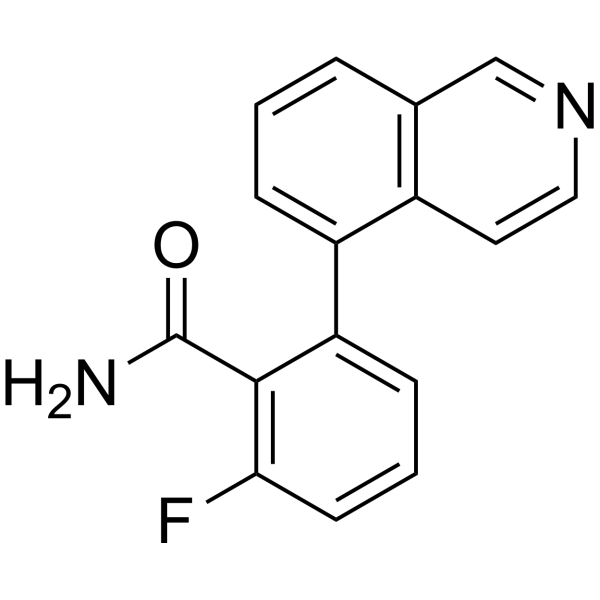
GHP-88309 (GHP88309) is a non-nucleoside, broad-spectrum allosteric inhibitor of paramyxovirus polymerase with EC50 of 0.9 uM against HPIV3-JS RdRP.Demonstrates highly potent antiviral potency against HPIV3-JS and clinical isolates HPIV3-9R4 and HPIV3-10L3 in the primary cell/virus isolate system (EC50=0.07-0.08 uM), without cytotoxicity.GHP-88309 targets a conserved microdomain in the L protein, inhibiting de novo RNA synthesis.GHP-88309 is efficacious in well-differentiated human airway epithelium cultures grown at air-liquid interface (3D-ALI-HBTEC).GHP-88309 (150 mg/kg b.i.d.) is orally efficacious in HPIV disease surrogate model.GHP-88309 possesses unusual broad-spectrum activity against diverse paramyxoviruses including respiroviruses (i.e. HPIV1 and HPIV3) and morbilliviruses (i.e. MeV).
More description
|
|
| DC75987 | H052 Featured |
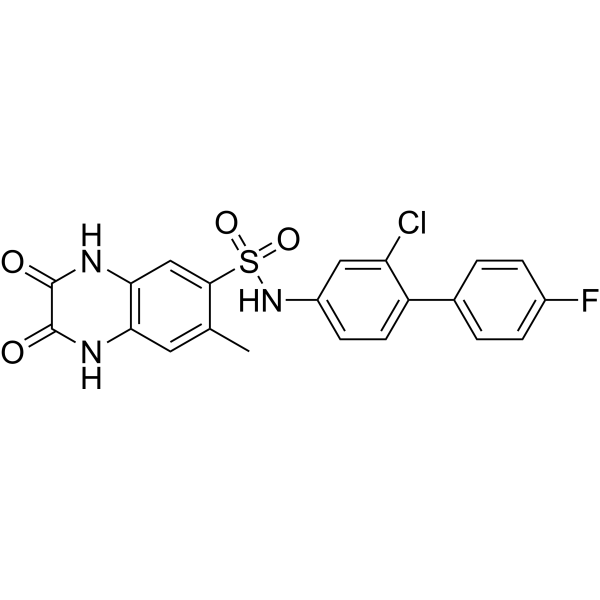
H052 is a selective Staphylococcus aureus α-hemolysin (Hla) inhibitor. H052 binds to Hla monomers, disrupts the interaction with host cell membranes to block pore formation, inhibiting calcium ion influx, cytotoxicity, and inflammatory responses. H052 exhibits potency (EC50=30 nM in U937 cells) against Hla-induced calcium influx. H052 is promising for research of lung infections caused by S. aureus.
More description
|
|
| DC80100 | 5-Diazomethane quinoxaline Featured |
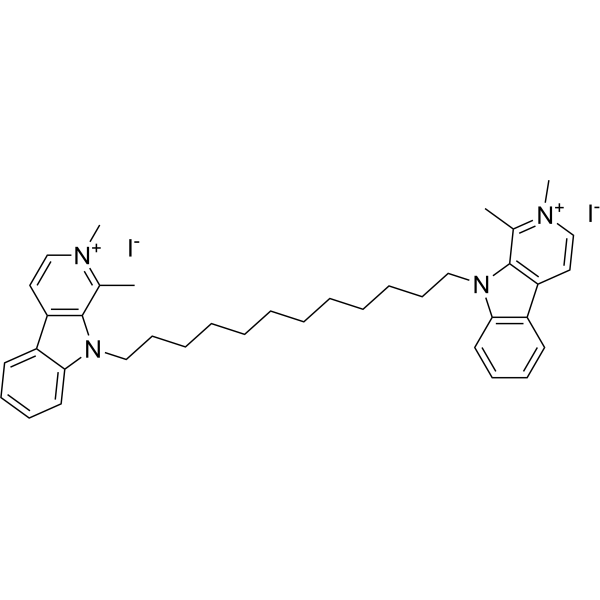
5-Diazomethane quinoxaline is a novel derivatization reagent. 5-Diazomethane quinoxaline is used for the detection of phosphorylated metabolites.
More description
|
|
| DC55000 | Jun8-76-3A Featured |
Jun8-76-3A is a potent and selective noncovalent SARS-CoV-2 Mpro inhibitor with Ki of 0.07 μM. Jun8-76-3A only selectively inhibits SARS-CoV-2 and SARS-CoV Mpro, but not other viral proteases and host proteases including calpain 1, cathepsins L and K, and trypsin.
More description
|

|
| DC70750 | Rv1625c agonist V-59 Featured |
Rv1625c agonist V-59 (V-59) is a specific small molecule agonist of the Mtb adenylyl cyclase Rv1625c, inhibits Mtb growth in macrophages (EC50=0.3 uM) in an Rv1625c-dependent mechanism.V-59 inhibits Mtb growth in cholesterol media (EC50 0.70 uM), but not in media containing the two-carbon fatty acid acetate, or in standard rich growth media.V-59 stimulates Rv1625c to produce cAMP, which is necessary for V-59 to inhibit Mtb growth.Chemically activating Rv1625c via V-59 preferentially inhibits cholesterol utilization in WT Mtb, rather than equally inhibiting all lipid utilization by the bacterium.
More description
|

|
| DC28215 | A40926 Featured |
A40926, the precursor of Dalbavancin, is a second-generation glycopeptide antibiotic. A40926 inhibits gram-positive bacteria, and is very active against Neisseria gonorrhoeae.
More description
|
.gif)
|
| DC46361 | NP213 Featured |
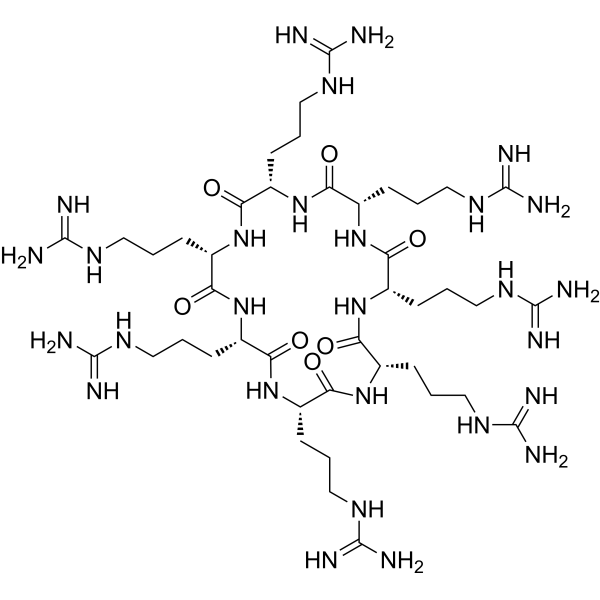
NP213 is a rapidly acting, novel, first-in-class synthetic antimicrobial peptide (AMP), has anti-fungal activities. NP213 targets the fungal cytoplasmic membrane and plays it role via membrane perturbation and disruption. NP213 is effective and well-tolerated in resolving nail fungal infections.
More description
|
|
| DC70459 | GSK3011724A Featured |
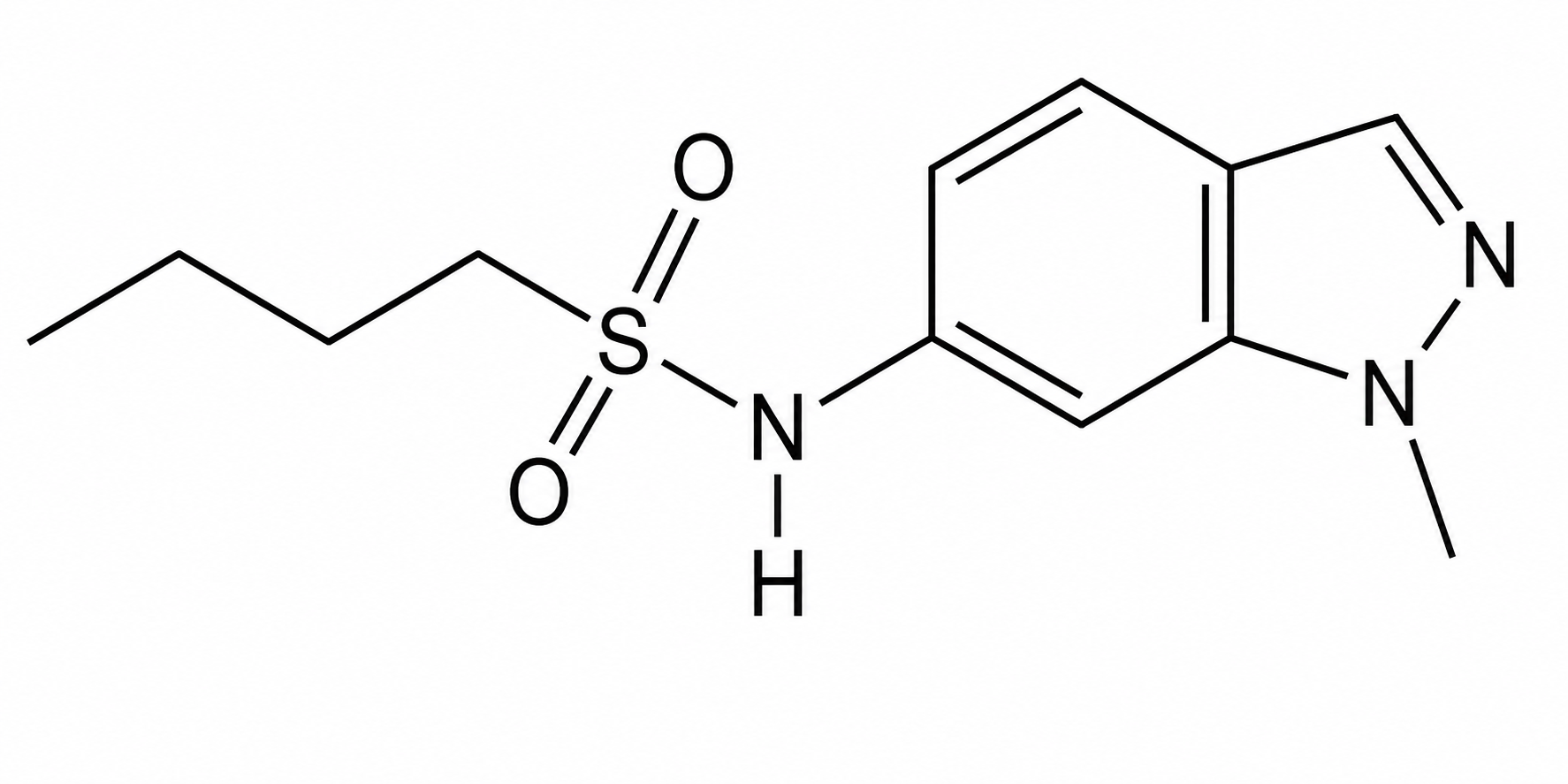
GSK 3011724A (DG-167, GSK-3011724A) is a potent, specific inhibitor of β-ketoacyl-ACP synthase (KasA, Kd=9 nM), shows anti-tubercular activity (MIC H37Rv=0.8 uM); shows much weaker apparent dissociation constant for both Pks10 and Pks (Kd=1.4 uM); inhibits mycolic acid biosynthesis and shows negligible activity against a panel of unrelated proteins and 18 Gram-positive and Gram-negative bacterial species.
More description
|
|
| DC73066 | NBCoV2 Featured |
NBCoV2 is a highly potent small molecule viral fusion inhibitor with potential pan-Coronavirus activity (SARS-CoV IC50=13.8 nM, SARS-CoV-2 IC50=22.8 nM, MERS-CoV IC50=77 nM, cell-based single-cycle assays).
NBCoV2 also has potent antiviral activity against all mutant pseudoviruses carrying single-, double-, or triple-mutations featured in the B.1.1.7 UK, B.1.351 RSA, and B.1.617.2 Delta variants (IC50=30-80 nM).
NBCoV2 completely preventing the induction of any virus-induced CPE (IC100=1.25 uM, SARS-CoV-2 (US_WA-1/2020)).
NBCoV2 bind to the S2 subdomain of the SARS-CoV-2 trimer, thus, inhibits the fusion of CoVs with the cell membran, and is specific for the SARS-CoV-2 S protein.
More description
|

|
| DC72983 | ZINC20451377 Featured |
ZINC20451377 is a small molecule that binds to hepatitis B surface antigen (HBsAg) with high affinity (Kd=65.3 nM), reduces HBsAg levels and HBV virion secretion in cell culture model for HBV.
More description
|

|
| DC72952 | Savirin Featured |
Savirin (S. aureus virulence inhibitor) is a small molecule that targets the agr (accessory gene regulator) quorum sensing system in Staphylococcus aureus (S. aureus). The agr system is a key regulatory pathway that controls the expression of virulence factors in S. aureus, which are critical for its pathogenicity. The system involves a two-component signal transduction pathway consisting of AgrC (a histidine kinase) and AgrA (a response regulator).
More description
|

|
| DC80018 | Mindeudesivir(VV116) Featured |
VV116 is an oral drug candidate of nucleoside analog against SARS-CoV-2.
More description
|
.gif)
|
| DC73047 | JC19 Featured |
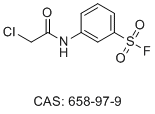
JC19 is a a cysteine-reactive small molecule degrader of SARS-CoV-2 nsp14 with DC50 of 8.7 uM in HEK293T cells.
More description
|
|
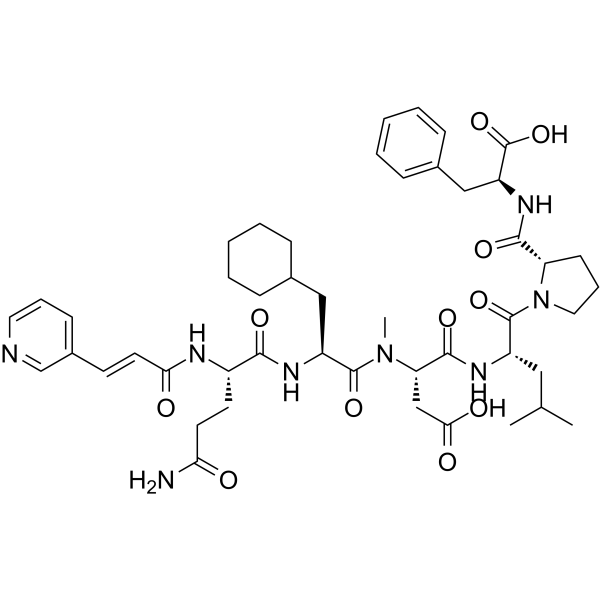
| DC47736 | Targeting the bacterial sliding clamp peptide 46 Featured |
Targeting the bacterial sliding clamp peptide 46 is a short peptide targeting the bacterial sliding clamp(SC), inhibiting SC-dependent DNA synthesis.
More description
|
|
| DC42025 | Temporin L Featured |
Temporin L is a potent antimicrobial peptide and is active against Gram-negative bacteria and yeast strains. Temporin L also has antiendotoxin properties.
More description
|

|
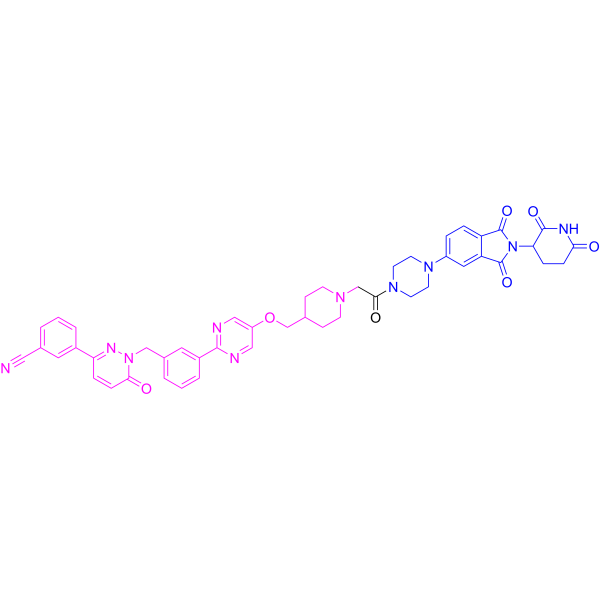
| DC81346 | PROTAC c-Met Degrader-4 Featured |
PROTAC c-Met Degrader-4 (compound D15) is a potent orally active PROTAC c-MET degrader. PROTAC c-Met Degrader-4 demonstrates excellent intracellular degradation potency with a DC50 < 0.5 nM. PROTAC c-Met Degrader-4 induces cell cycle arrest and apoptosis, inhibits cell invasion and migration, thereby suppressing cell proliferation. PROTAC c-Met Degrader-4 inhibits the growth of Hs746T xenograft tumors in nude mice. PROTAC c-Met Degrader-4 can be used for cancer research, such as non-small cell lung cancer and gastric cancer.
More description
|
|
| DC81809 | α-Synuclein-IN-17 |
α-Synuclein-IN-17 (Compound 10) is an α-Synuclein inhibitor, with an IC50 value of 9 μM. α-Synuclein-IN-17 exhibits potent inhibitory activity against both in-vitro assembled asyn fibrils and LBD brain tissue-amplified asyn fibrils. α-Synuclein-IN-17 can be used for the study of Parkinson's disease (PD) and Lewy Body Disease (LBD).
More description
|

|
| DC81793 | ZSTK3744 |
ZSTK3744 is an aryl hydrocarbon receptor (AhR) agonist. ZSTK3744 directly binds to AhR, upregulates the expression of AhR target genes including CYP1A1, CYP1B1 and TIPARP, and mediates cell growth inhibitory activity in triple-negative breast cancer cells. ZSTK3744 induces apoptosis in triple-negative breast cancer cells. ZSTK3744 exhibits anti-tumor activity and can be used in the research of chemoresistant triple-negative breast cancer.
More description
|
|
| DC81746 | WWZ-11-098 |
WWZ-11-098 is a selective CDK6 PROTAC degrader with DC50 of 2.6 nM. WWZ-11-098 induces degradation of CDK6 in a CRBN-dependent manner, while sparing CDK1, CDK2, CDK4, and CDK9. WWZ-11-098 induces apoptosis, G1-S cell cycle arrest and shows anti-proliferative activity in cancer cells. WWZ-11-098 exhibits antitumor efficacy in a xenograft model without signs of toxicity. WWZ-11-098 can be used for the research of leukemia.
(Pink: CDK6 ligand ; Blue: Cereblon E3 ligase ligand; Black: linker).
More description
|
|
| DC81732 | VUF 4904 |
VUF 4904 is an impentamine analog and a neutral antagonist of the histamine H3 receptor. VUF 4904 can be used in the research of diseases related to the function of the H3 receptor, such as Alzheimer's disease.
More description
|
|
| DC81707 | UDP-N-acetylmuramoyl-L-alanyl-D-glutamyl-6-carboxy-L-lysyl-D-alanyl-D-alanine |
UDP-N-acetylmuramoyl-L-alanyl-D-glutamyl-6-carboxy-L-lysyl-D-alanyl-D-alanine is a nucleoside metabolite.
More description
|
|
| DC81705 | UDP-2-alkyne-GlcNAc |
UDP-2-alkyne-GlcNAc (Compound 3) is a UDP-GlcNAc derivative. UDP-2-alkyne-GlcNAc can be used for the remodeling of cell surface glycans.
More description
|
|
| DC81698 | Tyrosine kinase-IN-11 |
Tyrosine kinase-IN-11 (Compound 4b) is a tyrosine kinase inhibitor. Tyrosine kinase-IN-11 decreases general tyrosine kinase activity, selectively inhibits PDGFR-β, SRC, and c-MET kinases. Tyrosine kinase-IN-11 induces apoptosis, accompanied by reduced ERK signalings. Tyrosine kinase-IN-11 exhibits selective anticancer activity against pancreatic cancer and renal cancer.
More description
|
|
| DC81675 | Triptolide-6-succinate-β-D-glucose |
Triptolide-6-succinate-β-D-glucose (Compound 2) is a glucose-conjugated derivative of Triptolide. Triptolide-6-succinate-β-D-glucose is a tumor-selective prodrug targeting glucose transporters ( GLUT). Triptolide-6-succinate-β-D-glucose can induce the degradation of the RPB subunit of RNA polymerase II. Triptolide-6-succinate-β-D-glucose inhibits the proliferation of HEK293T cells with an IC50 value of 268 nM. Triptolide-6-succinate-β-D-glucose can be used for the research of cancer, such as prostatic cancer.
More description
|
|
| DC81648 | TLD-1433 |
TLD-1433 is the fourth-generation ruthenium (II) based photodynamic compound (PDC). TLD-1433 is activated by green light (525 ± 25 nm) and efficiently generates ROS to achieve pathogen inactivation. After photoinactivation, TLD-1433 significantly induces lipid peroxidation of the cell membrane, which can directly damage the integrity of the viral envelope. TLD-1433 has ID50 for enveloped viruses (such as H1N1 influenza virus, coronavirus OC43, HSV-1, Zika virus) is as low as nanomolar level; for non-enveloped viruses (such as adenovirus Ad5, mammalian rotavirus MRV), a concentration of micro-molar level is required for inactivation. TLD-1433 has antigen retention property and can be used for the preparation of inactivated vaccines.
More description
|
|
| DC81640 | Ticagrelor acetonide |
Ticagrelor acetonide (Isopropylidene ticagrelor) (Compound 7) is a drug intermediate that can be used for the synthesis of lysine-specific demethylase (LSD1) inhibitors.
More description
|
|
| DC81630 | TGF-β/Smad-IN-3 |
TGF-β/Smad-IN-3 (Compound 4w) is an effective TGF-β/Smad inhibitor. TGF-β/Smad-IN-3 exerts anti-pulmonary fibrosis activity by simultaneously inhibiting the TGF-β/Smad and MAPK signaling pathways. TGF-β/Smad-IN-3 significantly inhibits collagen deposition induced by TGF-β1, with its IC50 value being 3.21 μM. TGF-β/Smad-IN-3 has an IC₅₀ of 46.77 nM for the autocrine motility factor (ATX). TGF-β/Smad-IN-3 significantly reduces the expression levels of α-SMA, COL1A1 and FN in TGF-β1-induced CCC-HPF-1 cells, and effectively inhibited TGF-β1-induced cell migration. TGF-β/Smad-IN-3 can be used for the study of pulmonary fibrosis.
More description
|
|
| DC81613 | Terfenadine N-oxide |
Terfenadine N-oxide, an N-oxide derivative of Terfenadine, is a histamine H1 receptor antagonist (IC50 = 2.73 μM) and an hERG potassium channel inhibitor (IC50 = 0.698 μM). Terfenadine N-oxide is can be used for the research of histamine-related allergic diseases and hERG channel-associated arrhythmias.
More description
|
|