To enhance service speed and avoid tariff delays, we've opened a US warehouse. All US orders ship directly from our US facility.
| Cat. No. | Product Name | Field of Application | Chemical Structure |
|---|---|---|---|
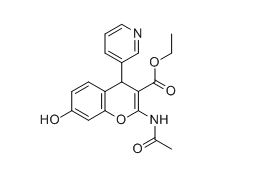
| DC72217 | HFI-419 Featured |
HFI-419 is an insulin-regulated aminopeptidase (IRAP) inhibitor. HFI-419 has inhibitory potency for IRAP with Ki value of 0.48 μM. HFI-419 can be used for the research of cognitive and memory impairments such as Alzheimer's disease, brain trauma, and stroke.
More description
|
|
| DC65793 | DEPE Featured |
1,2-Dierucoyl->sn-glycero-3-PE is a phospholipid containing erucic acid (13(Z)-docosenoic acid;at the sn-1 and sn-2 positions. It has been used in the generation of lipid nanoparticles (LNPs) for the delivery of mRNA in vivo.
More description
|

|
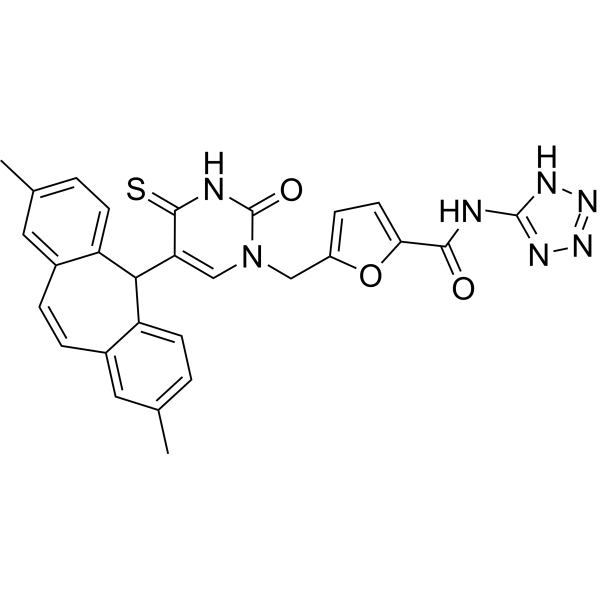
| DC33262 | AR-C118925XX Featured |
AR-C118925XX is a selective P2Y2 receptor antagonist. AR-C118925XX inhibits ATP-induced IL-6 production and phosphorylation of p38. AR-C118925XX also inhibits Bleomycin (HY-108345)-induced dermal fibrosis in mice.
More description
|
|
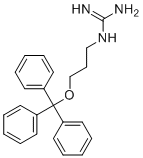
| DC12713 | NY0128 Featured |
NY0128 (NY 0128) is a small molecule neuromedin U receptor 2 (NMUR2) with EC50 of 29.99 uM for hNMUR1 and 10.30 uM for hNMUR2 in intracellular calcium mobilization assays.
More description
|
|
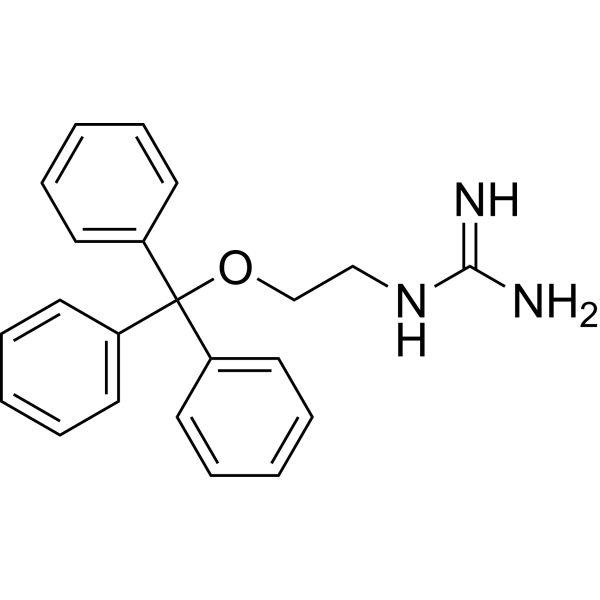
| DC12712 | NY0116 Featured |
NY0116 (NY 0116) is a small molecule neuromedin U receptor 2 (NMUR2) with EC50 of 27.76 uM for hNMUR1 and 13.61 uM for hNMUR2 in intracellular calcium mobilization assays.
More description
|
|
| DC60466 | Lipid H9 Featured |
H9 is a new ionizable lipid driven from AI-Guided Ionizable Lipid Engineering (AGILE) platform for mRNA delivery. H9 LNPs shows superior mRNA transfection potency compared to LNPs containing (D-Lin-MC3-DMA).
More description
|

|
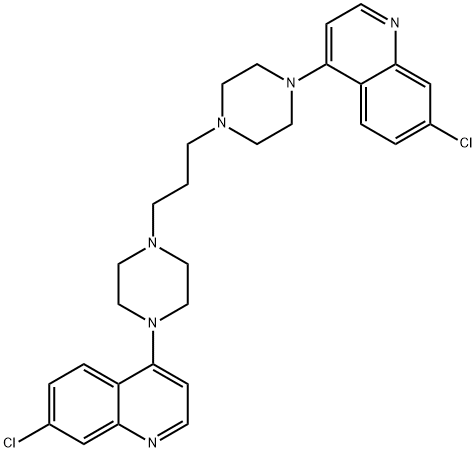
| DCAPI1533 | Piperaquine Phosphate Featured |
Piperaquine phosphate is a bisquinoline antimalarial agent. Piperaquine phosphate can be used in antimalarial research in combination with Artemisinin.
More description
|
|
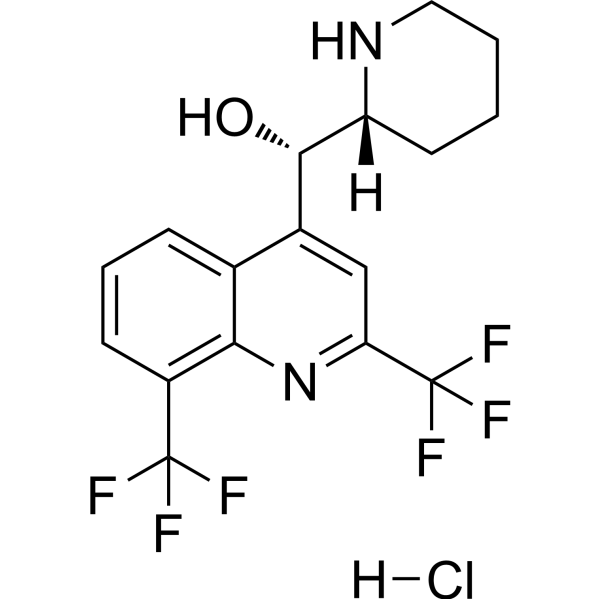
| DC22388 | Mefloquine hydrochloride Featured |
A quinoline antimalarial drug that is structurally related to the antiarrhythmic agent quinidine.
More description
|
|
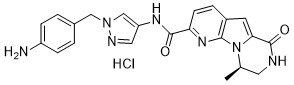
| DC60982 | PMD-026 HCl Featured |
PMD-026 is a first-in-class, orally bioavailable, selective p90 ribosomal S6 kinase (RSK) inhibitor with potent anticancer activity, particularly against triple-negative breast cancer (TNBC). In biochemical assays, PMD-026 inhibits RSK1–4 with IC50 values of 0.7–2 nM and shows good selectivity in kinome-wide profiling. In TNBC cell lines, PMD-026 suppresses anchorage-independent growth with IC50 values of 0.2–6.2 µM and anchorage-dependent proliferation with IC50 values of 1.8–8.4 µM, while inducing apoptosis and reducing phosphorylation of the downstream biomarker YB-1. In vivo, PMD-026 produced 72% tumor growth inhibition in MDA-MB-231 xenografts and 73% tumor regression in MDA-MB-468 xenografts. PMD-026 also demonstrated synergistic antitumor activity with paclitaxel, doxorubicin, fulvestrant, and enzalutamide in preclinical models, supporting its potential applications in RSK-targeted cancer research, TNBC, hormone-resistant breast cancer, prostate cancer, melanoma, and hematologic malignancies.
More description
|
|
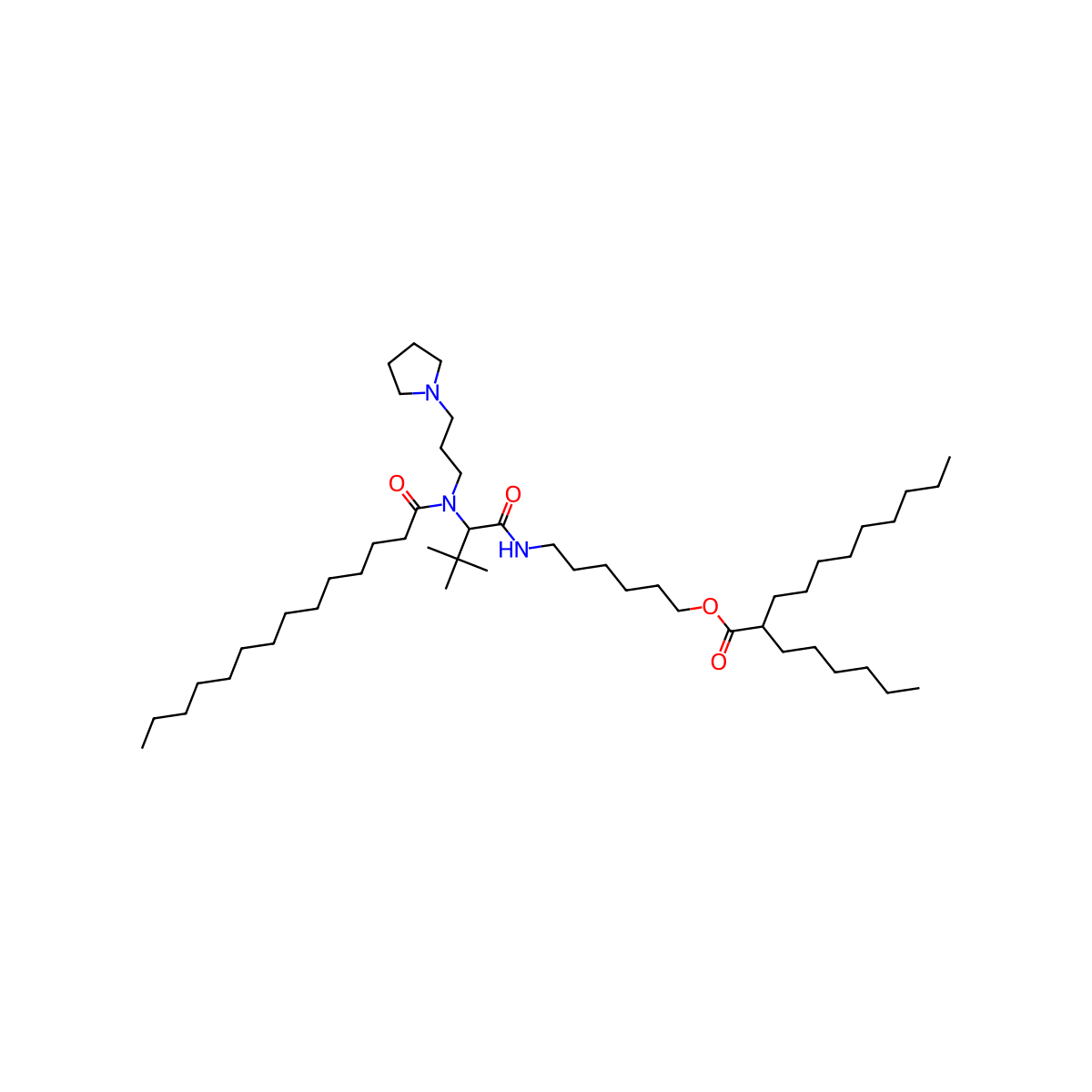
| DCL0004 | LC-1 Featured |
LC-1 (LC-lipid-1) is an ionizable lipid identified by screening a 384-member Ugi-reaction library with a large, 5.7-kb ABE–NanoLuc mRNA cargo. The cited study evaluated LC-1 lipid nanoparticles for delivery of Cas9 and base-editing cargos to the liver, brain and lung in mice, using different formulations and administration routes.
More description
|
|
| DC77140 | RMC5127 Featured |
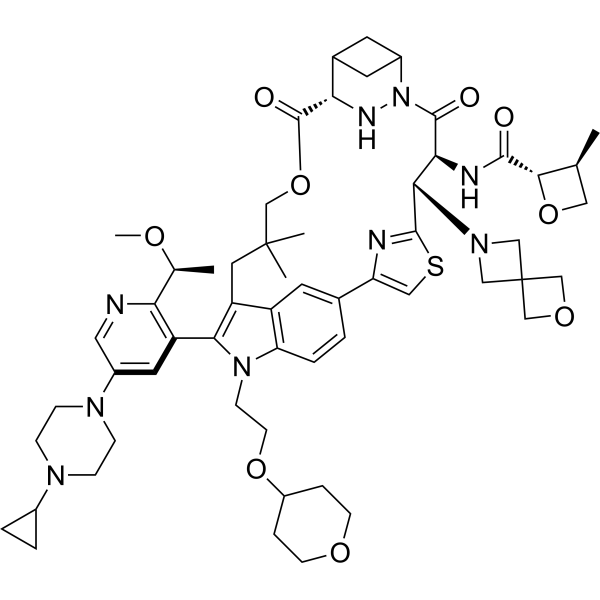
RMC-5127 is an orally active and brain-penetrant mutant-selective tri-complex RASG12V inhibitor. RMC-5127 non-covalently binds to cyclophilin A (CypA), forming a binary complex that engages RASG12V(ON) to form a high-affinity tri-complex, sterically inhibiting RAS binding . RMC-5127 inhibits the RAS pathway in KRASG12V mutant cancer cells, reducing cell proliferation and inducing apoptosis. RMC-5127 is promising for research of cancers with RAS mutations, such as non-small cell lung cancer.
More description
|
|
| DC60934 | Lipid P3B Featured |
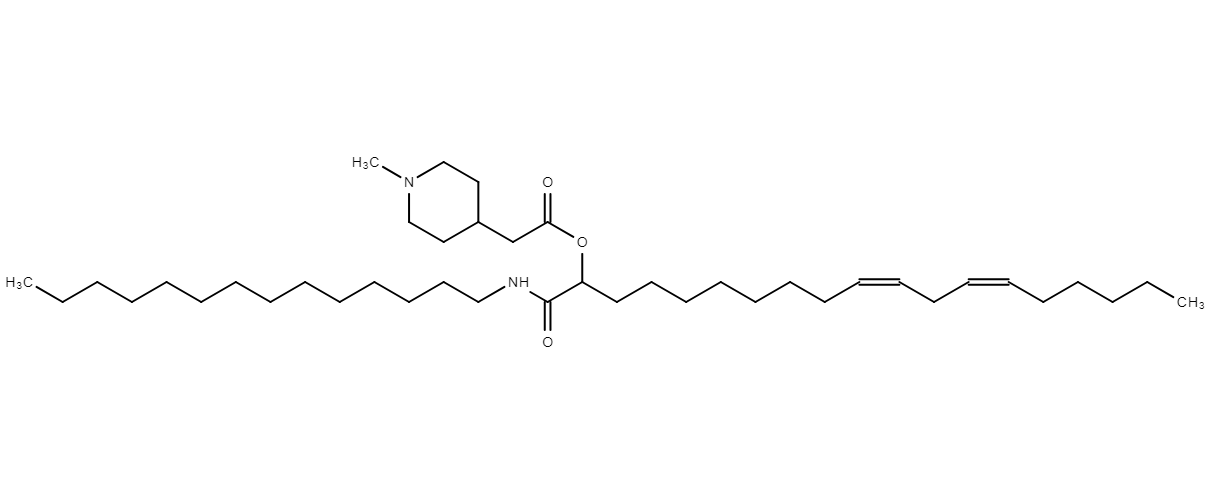
P3B is a biodegradable ionizable lipid engineered to function as a highly efficient delivery vehicle for genome-editing machinery (e.g., CRISPR-Cas9 and adenine base editors) specifically to the central nervous system (CNS). Its primary function is to encapsulate and transport large mRNA payloads across the brain-CSF interface following intrathecal administration, enabling robust and widespread gene editing in neurons and astrocytes across multiple brain regions, including the hippocampus, cortex, and thalamus. Notably, it facilitates precise single-nucleotide correction via base editing. Its targeting is intrinsically achieved by the intrathecal injection route, which localizes the nanoparticles within the cerebrospinal fluid, coupled with an optimized formulation that promotes efficient uptake and activity within CNS parenchyma while minimizing off-target exposure in peripheral organs.
More description
|
|
| DC80547 | Discodermolide Featured |
Discodermolide (NVP-XAA-296) is a potent microtubule-stabilizing agent with a Ki of 0.4 μM. Discodermolide stabilizes microtubules, induces G2 or M phase cell cycle arrest and apoptosis, leading to inhibition of cancer cell proliferation. Discodermolide competitively inhibits the binding of Paclitaxel to tubulin polymers, and inhibits the growth of Paclitaxel-resistant cells. Discodermolide can be used for breast and colon cancer research.
More description
|
|
| DC22259 | VTI-1002 |
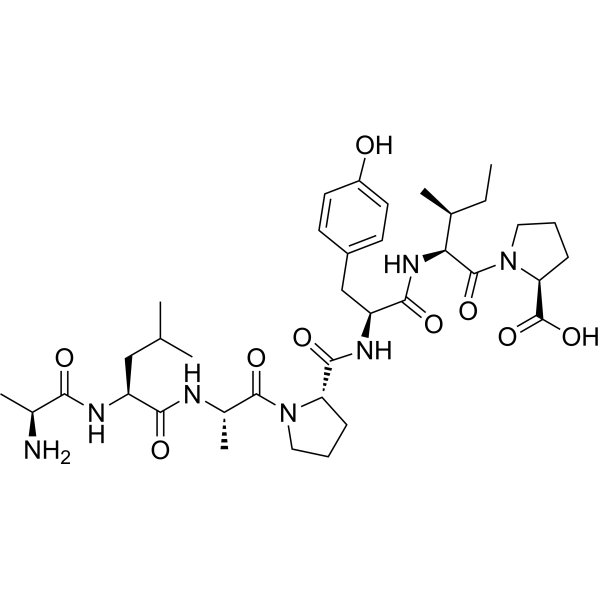
VTI-1002 is a potent and specific inhibitor of human (K i = 4.4 ± 2.0 nM) and murine (IC 50 = 179 ± 18 nM) GzmB, with minimal activity (IC 50 > 300 nM) against Cathepsin-G, neutrophil elastase and caspases (−3, −4, −5, −7, −8 and −9). In addition to its high specificity for GzmB, VTI-1002 is retained in murine skin for up to 24 hours and exhibits minimal toxicity in vivo with no observed adverse effects after 30 consecutive days of systemic administration in mice [31]. VTI-1002-mediated GzmB inhibition was first reported to augment type I collagen fibrillogenesis and improve tensile strength in a murine diabetic burn model, notably by preventing decorin cleavage and dermal fibrillar collagen network disorganization.
More description
|

|
| DC74031 | IPA Featured |
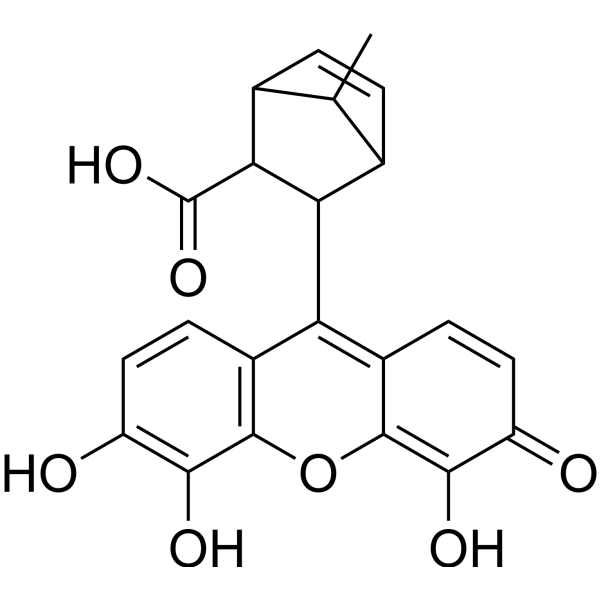
IPA (Inhibitor of Priming Activity) is a small-molecule compound that binds Sec18 (Kd=3.84 uM) and blocks SNARE activation, inhibits vacuole fusion at the SNARE priming stage with IC50 of 50 uM.
More description
|
|
| DC81567 | ST1072 Featured |
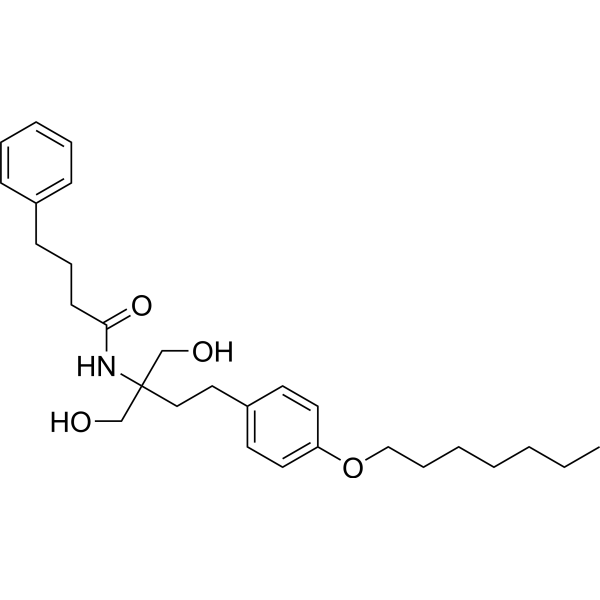
ST1072 is a dual inhibitor of CerS4 and CerS6. ST1072 significantly reduces the ability of murine T cells to proliferate and produce IFN-γ. ST1072 can be used for hematologic malignancies research.
More description
|
|
| DC68233 | ATX-95 Featured |
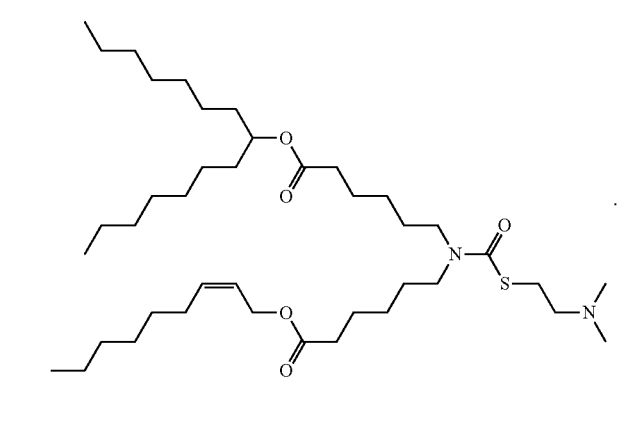
ATX-95 is an unsaturated ionizable lipid utilized in the formulation of lipid nanoparticles for drug delivery.
More description
|
|
| DC67653 | Imidazole cholesteryl ester (ICE) Featured |
Imidazole cholesterol ester (ICE) is a sterol‑based ionizable cationic lipid invented by Translate‑Bio (WO2018/089790 A1) for mRNA‑loaded lipid‑nanoparticle (LNP) pulmonary delivery. It fuses an imidazole pH‑responsive headgroup with cholesterol via ester linkage. Typically formulated as a three‑component LNP (ICE : DOPE : DMG‑PEG2K = 60 : 35 : 5 mol ratio), ICE‑LNPs achieve high mRNA encapsulation (>80‑90 %), good nebulization stability and low toxicity. Upon cellular uptake, imidazole mediates endosomal escape; the ester bond degrades to yield cholesterol, conferring favorable biocompatibility. Animal studies demonstrate robust CFTR protein expression in bronchial and alveolar lung tissue after inhalation, making ICE promising for cystic‑fibrosis mRNA therapy.
More description
|
.png)
|
| DC9575 | IPA-3 Featured |
IPA-3 is a selective non-ATP competitive PAK1 inhibitor with IC50 of 2.5 μM, no inhibition to group II PAKs (PAKs 4-6).
More description
|

|
| DC79352 | Jun6504 Featured |
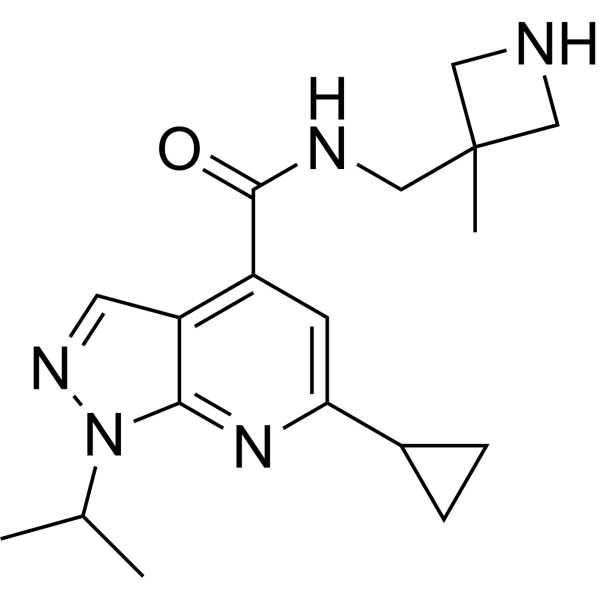
Jun6504 is an enterovirus 2C inhibitor. Jun6504 shows potent and broad-spectrum antiviral activity against multiple strains of EV-D68 (EC50 = 250 nM), EV-A71 (EC50 = 502.4 nM), and CVB3 (EC50 = 1049 nM). Jun6504 improves paralysis score and weight gain in a neonatal mouse model of EV-D68 infection. Jun6504 reduces viral titers in the spinal cord and the infected quadriceps muscle. Jun6504 can be used for EV-D68 antiviral research.
More description
|
|
| DC7266 | Rilpivirine(R 278474, TMC 278) Featured |
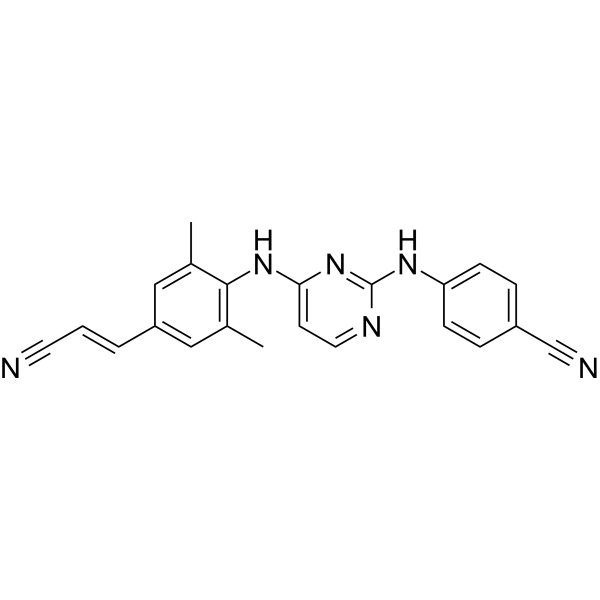
Rilpivirine(R 278474, TMC 278) is a type of anti-HIV medicine called a non-nucleoside reverse transcriptase inhibitor (NNRTI).
More description
|
|
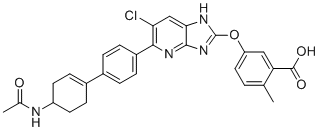
| DC74253 | MSG011 Featured |
MSG011 is a potent, pan AMPK isoform activator with EC50 of 140.4 nM, 248.9 nM, 553.4 nM, and 472.9 nM for α1β1γ1, α1β2γ1, α2β1γ1, and α2β2γ1, respectively.
More description
|
|
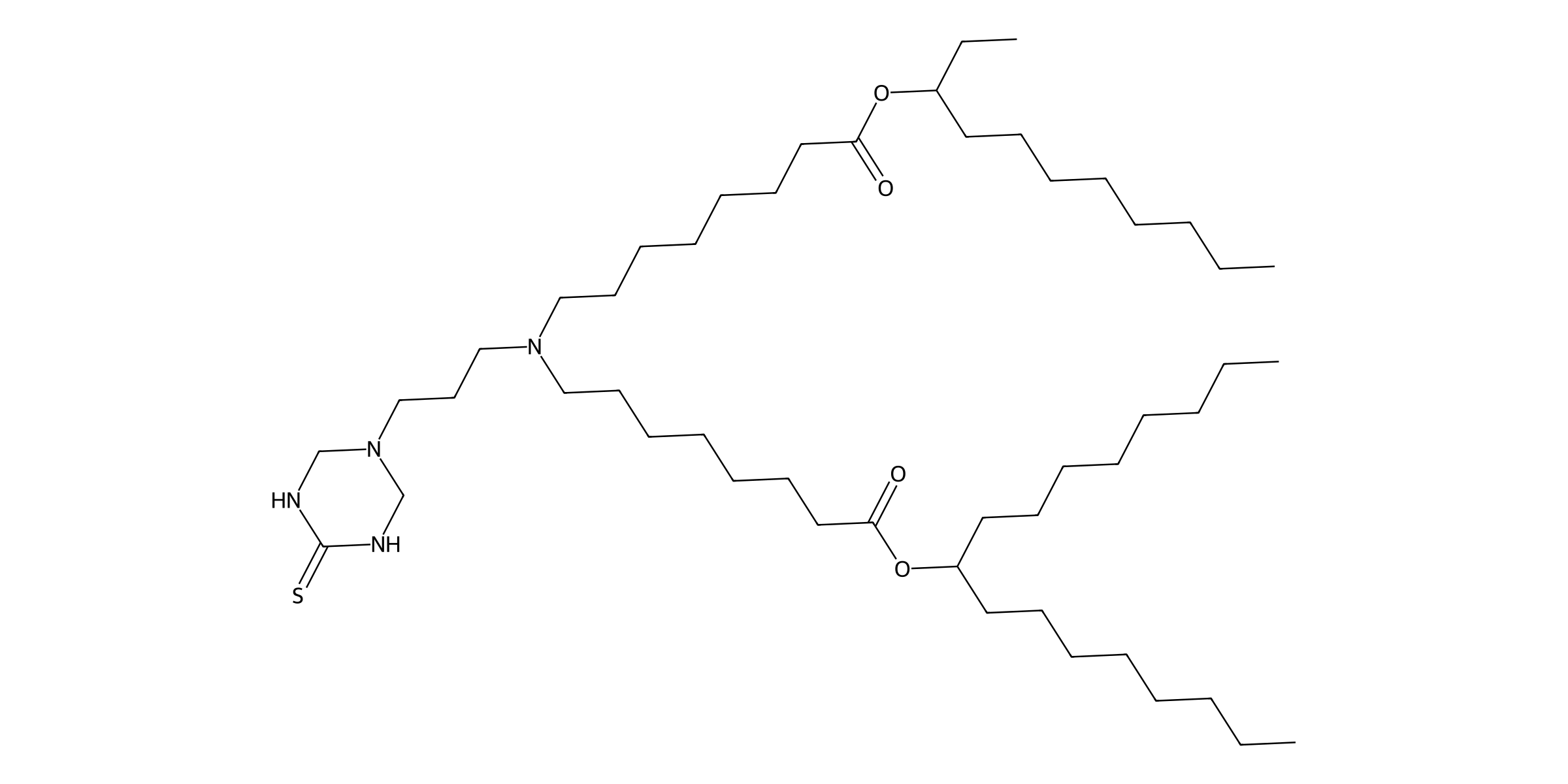
| DCL0002 | HI-62 Featured |
HI-62 is a cyclic-thiourea ionizable lipid reported as a lead component of onion-like multilamellar mRNA-LNPs. In the cited preprint, its E21 formulation supported high mRNA encapsulation, sustained reporter expression, frozen-storage stability and antitumor activity in a preclinical mRNA-vaccine model.
More description
|
|
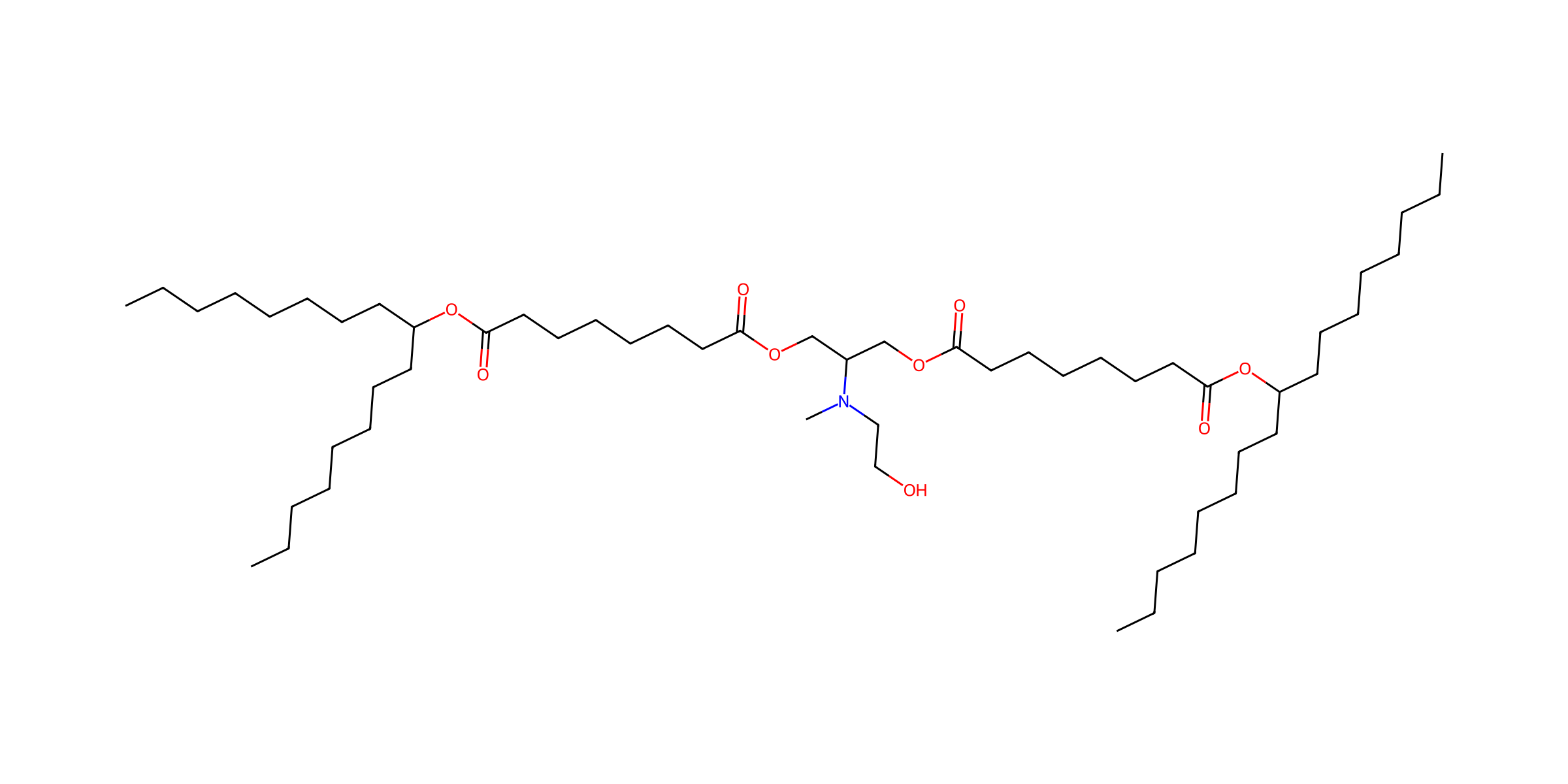
| DCL0003 | Lipid 43 Featured |
Lipid 43 is an ionizable lipid disclosed as Compound 43 in WO 2024/109794. In the patent's TMF30 formulation, mRNA-LNPs showed predominantly splenic reporter expression after administration in mice. Its structure, molecular formula, molecular weight and SMILES were assigned from the compound-specific synthesis scheme and checked against the reported proton count.
More description
|
|
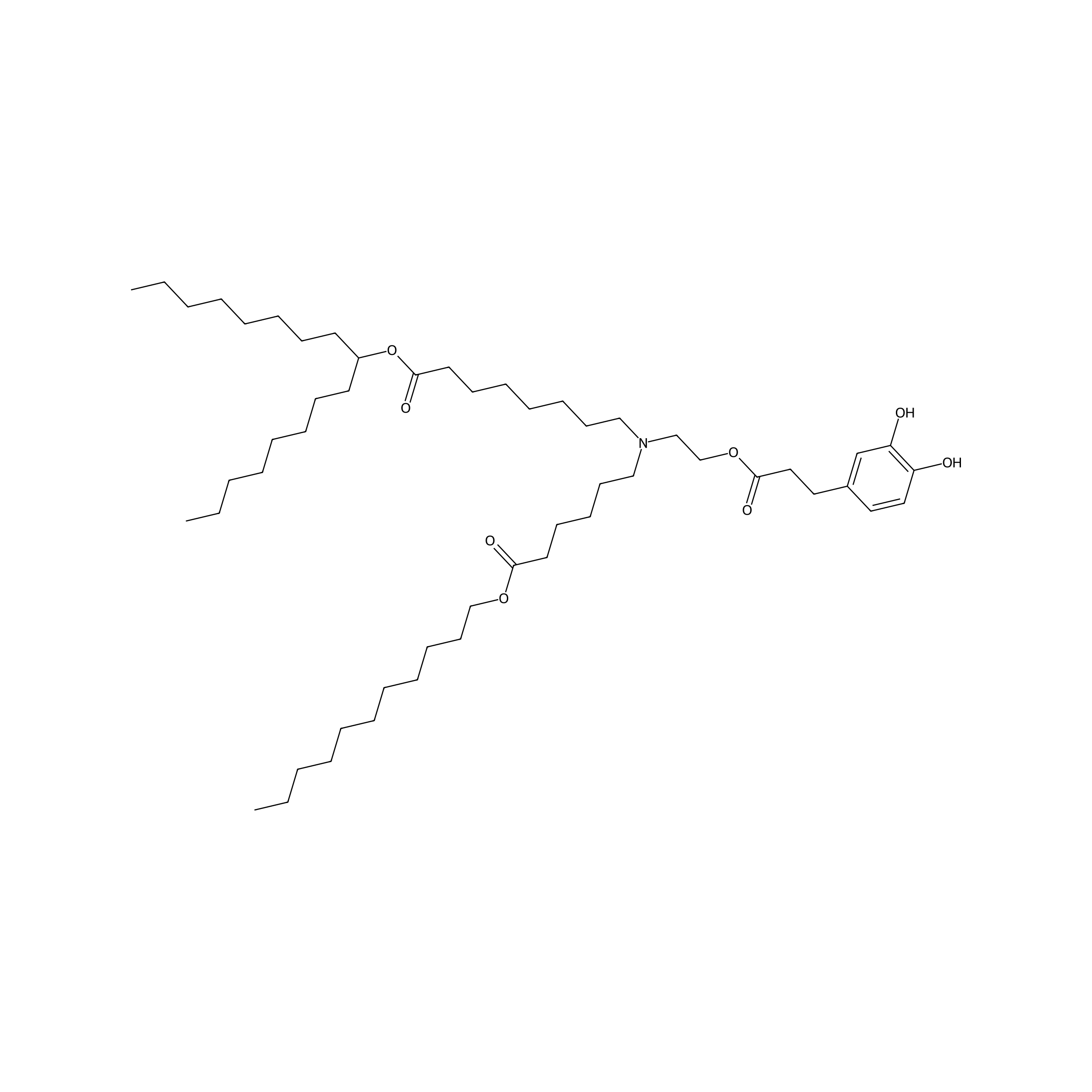
| DCL0001 | Antioxidant lipid AO16 Featured |
AO16 is a literature-reported antioxidant ionizable lipid derived from the SM-102 scaffold.
More description
|
|
| DC81570 | STAT3-IN-53 Featured |
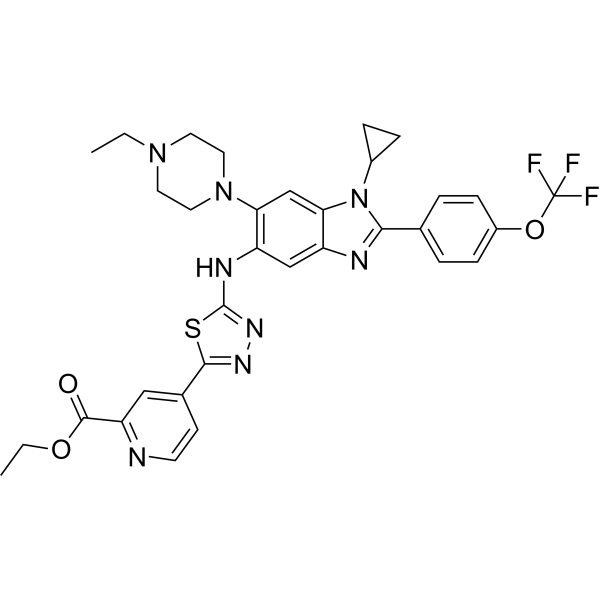
STAT3-IN-53 (Compound L20) is a STAT3 inhibitor with a Kd value of 6.16 μM. STAT3-IN-53 binds directly to the SH2 domain of STAT3, inhibits phosphorylation at the Y705 site without affecting the total STAT3 protein level, and suppresses the IL-6/JAK/STAT3 pathway. STAT3-IN-53 downregulates the transcription and expression of cyclin-D1 and c-Myc. STAT3-IN-53 induces cell cycle arrest and promotes Apoptosis. STAT3-IN-53 exhibits anticancer activity against colorectal cancer.
More description
|
|
| DC60981 | Fmoc-asp(ompe)-oh Featured |
|
|
| DC77043 | KB-208 Featured |
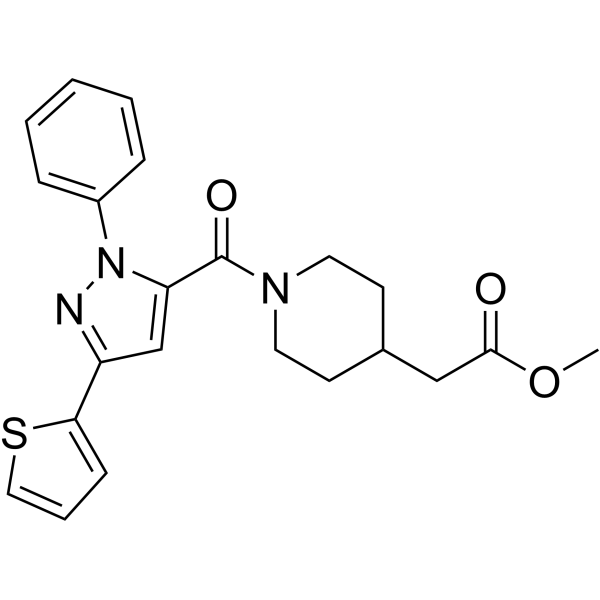
KB-208 is a phagocytosis inhibitor that improves immune thrombocytopenia (ITP) in mouse models at a dose of 1 mg/kg. KB-208 does not affect other blood parameters and does not elevate serum toxicity biomarkers. KB-208 can be used in immunology research.
More description
|
|
| DC65648 | Retatrutide (LY3437943) Featured |
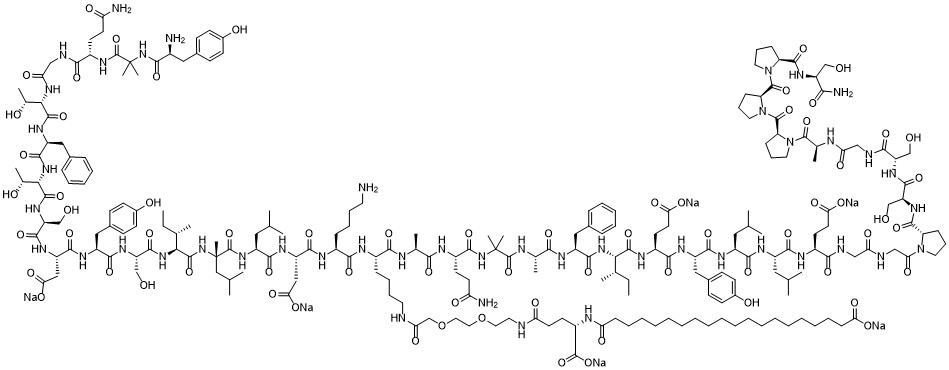
LY3437943 is a triple agonist peptide of the glucagon receptor (GCGR), glucosedependent insulinotropic polypeptide receptor (GIPR), and glucagon-like peptide-1 receptor (GLP-1R). LY3437943 inhibits for human GCGR, GIPR, and GLP-1R with EC50 values of 5.79, 0.0643 and 0.775 nM, respectively. LY3437943 can be used for the research of obesity.
More description
|
|
| DC45933 | Bumadizone Featured |
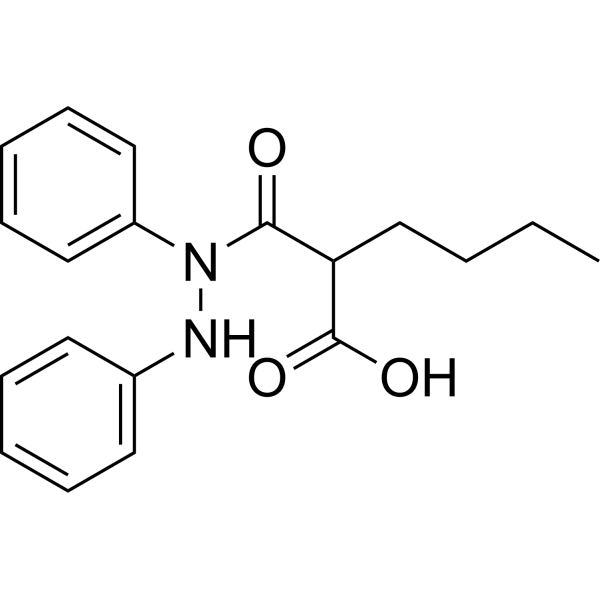
Bumadizone is a non-steroidal anti-inflammatory drug (NSAID) and can relieve pain.
More description
|
|