To enhance service speed and avoid tariff delays, we've opened a US warehouse. All US orders ship directly from our US facility.
| Cat. No. | Product Name | Field of Application | Chemical Structure |
|---|---|---|---|
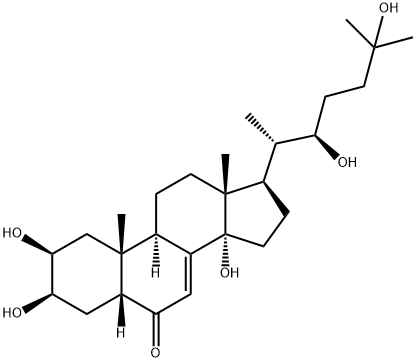
| DCAPI1162 | Ecdysone Featured |
Ecdysone (α-Ecdysone), a major steroid hormone in insects and herbs, triggers mineralocorticoid receptor (MR) activation and induces cellular apoptosis. Ecdysone plays essential roles in coordinating developmental transitions and homeostatic sleep regulation through its active metabolite 20-hydroxyecdysone (Crustecdysone; 20E; HY-N6979).
More description
|
|
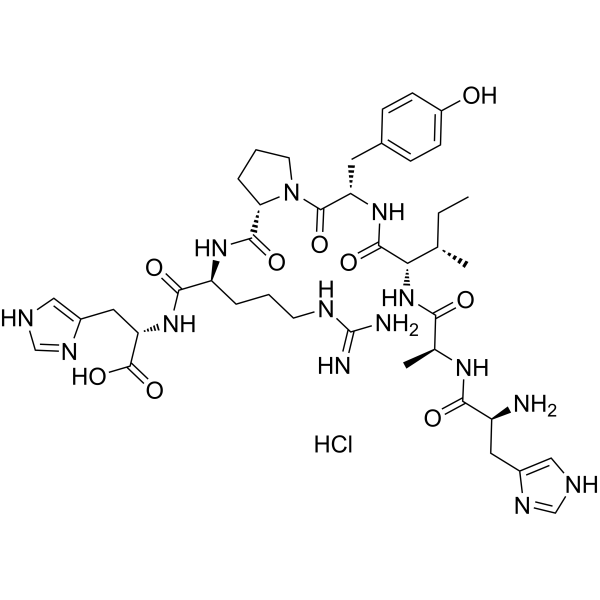
| DC46524 | HAIYPRH hydrochloride Featured |
HAIYPRH hydrochloride, a targeting ligand, can specially bind to transferrin receptor (TfR). HAIYPRH hydrochloride can mediate the transport of nanocarriers across the blood-brain barrier.
More description
|
|
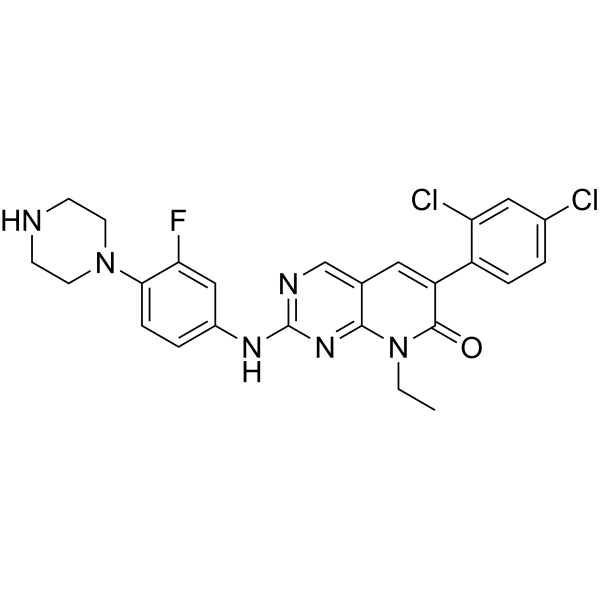
| DC8003 | FRAX486 Featured |
FRAX486 is a selective inhibitor of group I PAKs with IC50s of 8.25/39.5, /55.3 nM for PAK1/PAK2/PAK3 respectivelt; less potent for PAK4(IC50=779 nM).
More description
|
|
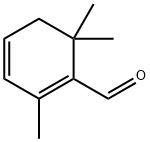
| DC41428 | Safranal Featured |
Safranal is an orally active main component of Saffron (Crocus sativus) and is responsible for the unique aroma of this spice. Safranal has neuroprotective and anti-inflammatory effects and has the potential for Parkinson’s disease research.
More description
|
|
| DC74057 | KZR-8445 Featured |
KZR-8445 (KZR8445) is a cyclic depsipeptide, client-selective Sec61 inhibitor with IC50 of 100 nM, targets the Sec61 translocon and selectively modulate Sec61-mediated protein biogenesis.
More description
|
.png)
|
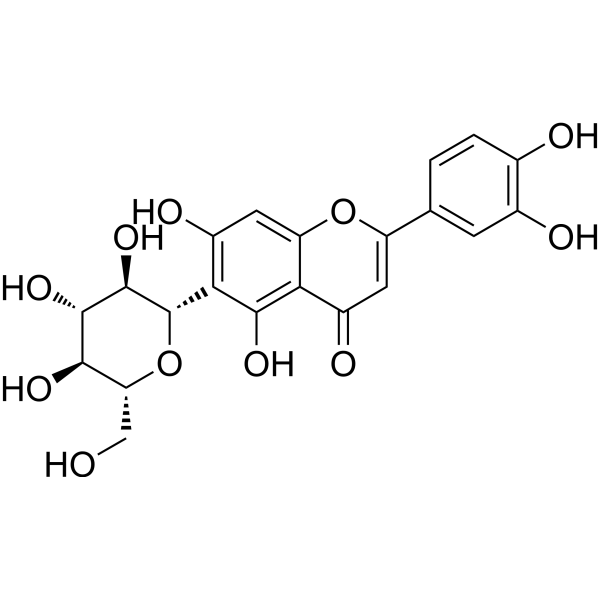
| DCY-132 | Homoorientin Featured |
Homoorientin is a potent inhibitor of COX-2 with an IC50 value of 39 μM.
More description
|
|
| DC22516 | Nanvuranlat (JPH203) Featured |
Nanvuranlat (JPH203) is a potent, selective L-type amino acid transporter 1 (LAT1, SLC7A5) inhibitor with IC50 of 60 nM (leucine uptake inhibition), but not LAT2.
More description
|

|
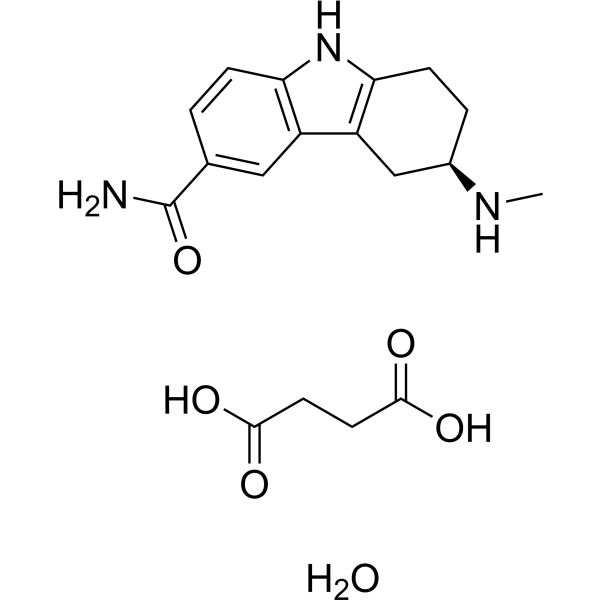
| DC22890 | Frovatriptan Featured |
A potent, long lasting 5-HT(1B/1D) receptor agonist as a antimigraine agent..
More description
|
|
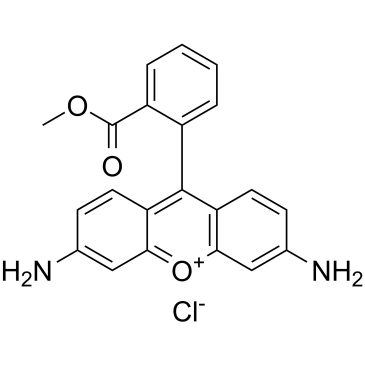
| DC32450 | Rhodamine 123 Featured |
Rhodamine 123 is a chemical compound and a dye.
More description
|
|
| DC22475 | FITC Featured |
Fluorescein isothiocyanate(FITC) is a derivative of fluorescein used in wide-ranging applications including flow cytometry.
More description
|

|
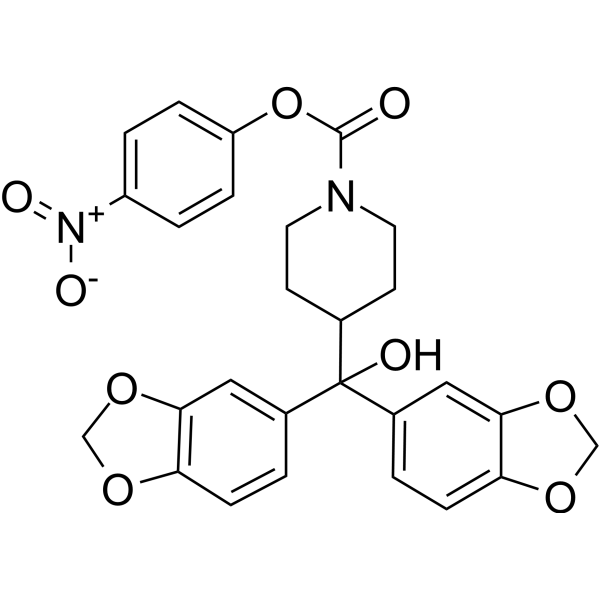
| DC5143 | JZL184 Featured |
JZL184 is a strong and selective inhibitor of Monoglyceride Lipase
More description
|
|
| DC8217 | YO-01027(Dibenzazepine) Featured |
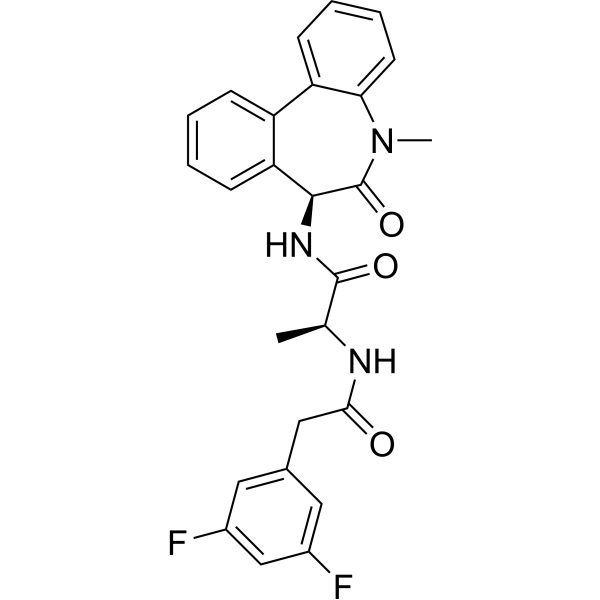
YO-01027 (Dibenzazepine, DBZ) is a dipeptidic g-secretase inhibitor with IC50 of 2.6 and 2.9 nM for APPL and Notch, respectively.
More description
|
|
| DC10126 | E-64c Featured |
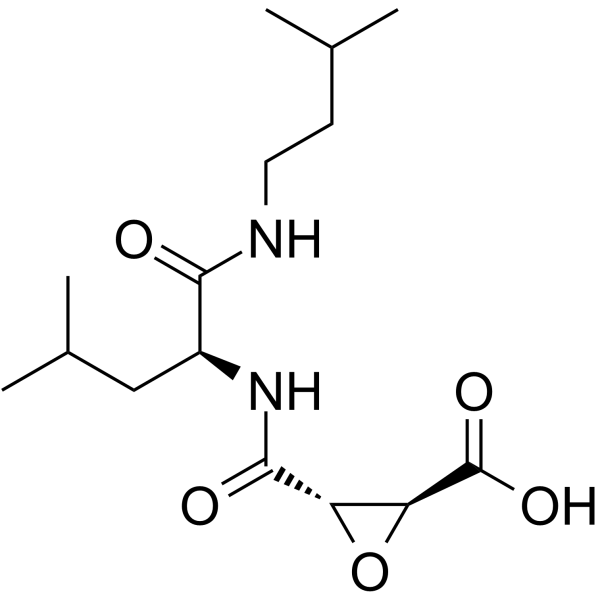
E-64c is a synthetic analog of E-64, a potent and irreversible cysteine protease inhibitor isolated from Aspergillus japonicus.
More description
|
|
| DC10726 | Fuscoside Featured |
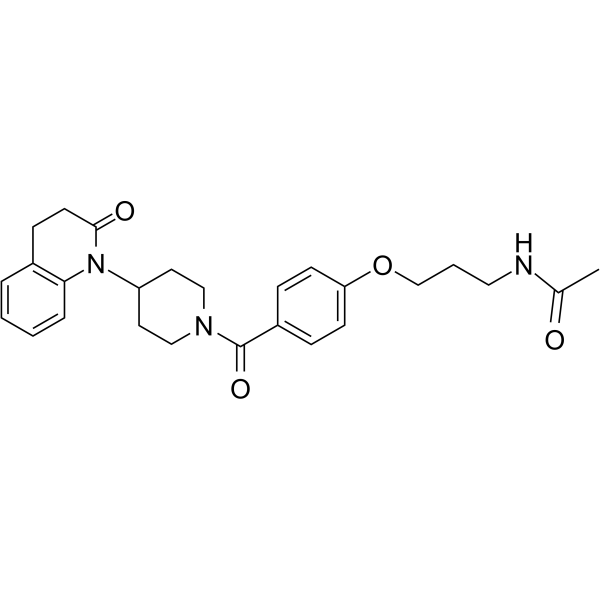
OPC-21268 is a vasopressin 1 receptor antagonist potentially for the treatment of heart failure and hypertension.
More description
|
|
| DC23559 | Bay K-8644 Featured |
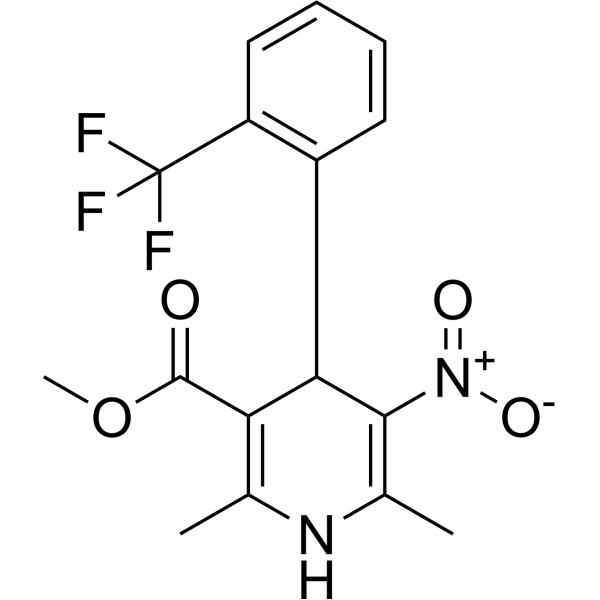
Bay K-8644 is a potent L-type calcium channels (LTCCs) activator with EC50 of 17.3 nM, has positive inotropic, vasoconstrictive and behavioral effects in vivo.
More description
|
|
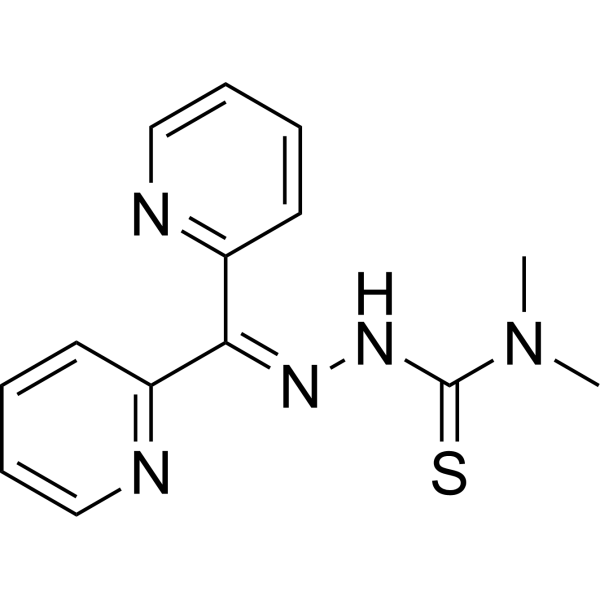
| DC8383 | Dp44mT Featured |
Dp44mT is a potent iron chelator, which shows selective antitumor activity.
More description
|
|
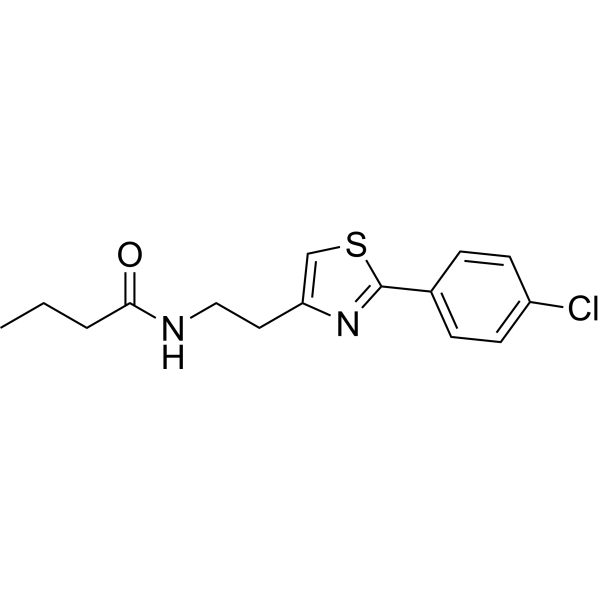
| DC9818 | Azoramide Featured |
Azoramide is a small-molecule modulator of the unfolded protein response with antidiabetic activity.
More description
|
|
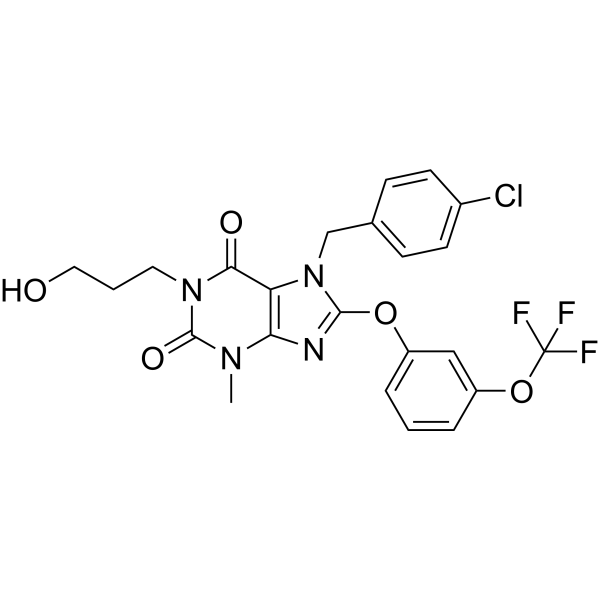
| DC21511 | Pico145 Featured |
Pico145 is a highly potent, subtype-selective TRPC1/4/5 channels inhibitor with potency ranged from 9 to 1300 pM, depending on the TRPC1/4/5 subtype and activation mechanism.
More description
|
|
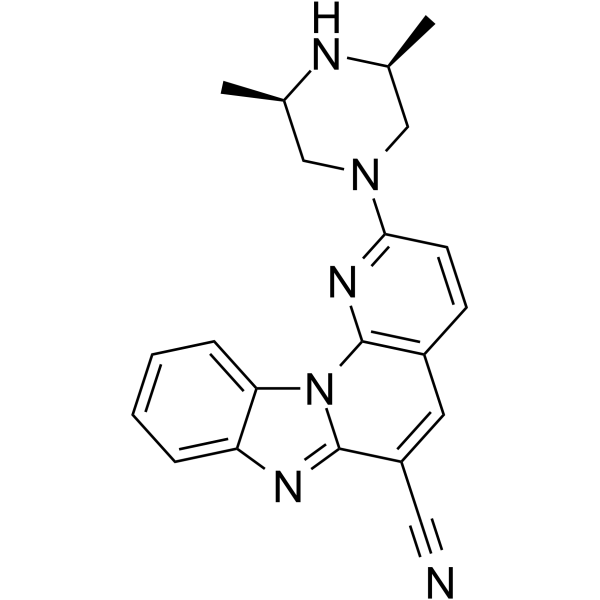
| DC10539 | POL1 inhibitor(POL1-IN-1) Featured |
POL1-IN-1 is a RNA polymerase 1 (POL1, also known as Pol I) inhibitor with an IC50 of less than 0.5 uM. POL1-IN-1 inhibits ribosome biogenesis by inhibiting POL1 transcription.
More description
|
|
| DC23863 | eCF506 Featured |
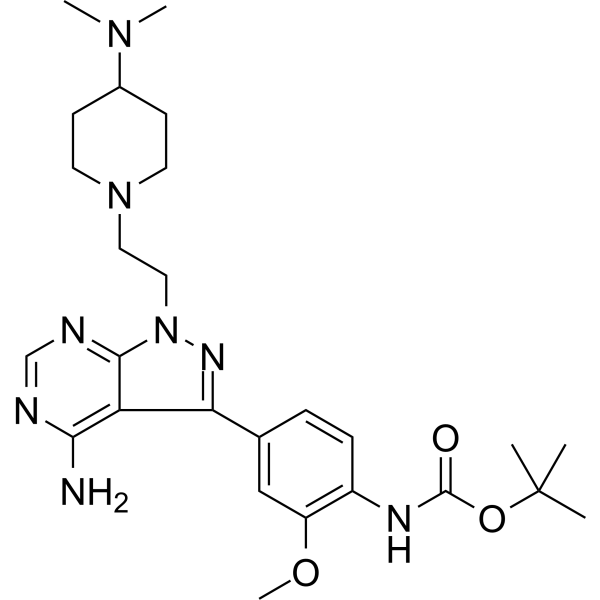
A highly potent, selective, orally available Src family kinase inhibitor with IC50 of <0.5 nM, <0.5 nM and for Src, Yes and Fyn kinases respectively, >950-fold selectivity for Src over ABL.
More description
|
|
| DC28399 | Traumatic acid Featured |
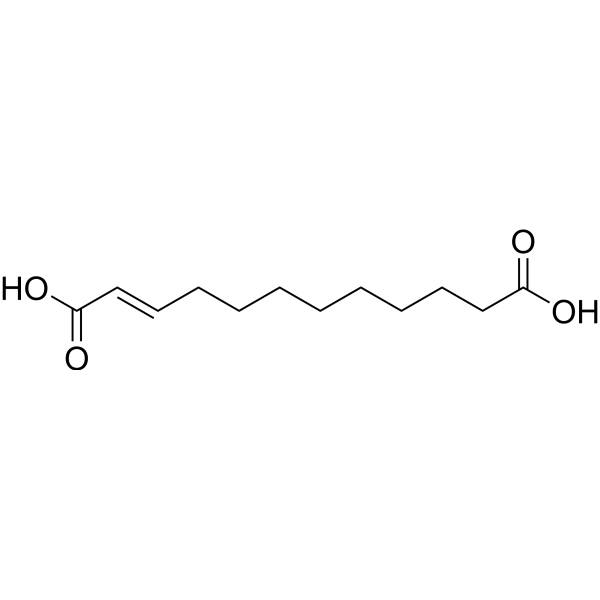
Traumatic Acid is a monounsaturated dicarboxylic acid isolated from Phaseolus vulgaris. Traumatic Acid can cause a decrease in membrane phospholipid peroxidation and show antioxidant and stimulatory effects on collagen biosynthesis. Traumatic Acid is a potential agent for the treatment of many skin diseases connected with collagen biosynthesis disorders and oxidative stress.
More description
|
|
| DC74094 | NERx 329 Featured |
NERx 329 (RPAi 329, NERx329) is a novel potent, specific inhibitor of replication protein A (RPA), demonstrated potent RPA inhibitory activity in vitro, in vivo, and in cellular assays.
More description
|

|
| DC20726 | Golidocitinib (AZD5205) Featured |
AZD 4205 (AZD4205) is a potent, selective JAK1 inhibitor IC50 of 73 nM and Ki of 2.8 nM, shows high selectivity against JAK2 and JAK3 with IC50 of 13,233 nM and >30,000 nM respectively; shows potent inhibition of p-STAT3 in a cell based assay of JAK1 activity with an IC50 of 128 nM and excellent selectivity across the kinome; reduces residual disease and prolongs the benefit of Osimertinib in lung cancer patients with EGFR activating mutations both in vitro and in vivo.
More description
|

|
| DC21390 | NMS-P293 Featured |
NMS-P293 (also known as NMS-03305293) is an innovative, second-generation oral small molecule inhibitor specifically targeting PARP1. Developed by Nerviano Medical Sciences, it distinguishes itself from first-generation PARP inhibitors through its high selectivity for PARP1 over PARP2, which significantly reduces hematological toxicities like bone marrow suppression.A defining feature of NMS-P293 is its non-trapping mechanism; by inhibiting enzyme activity without trapping PARP on DNA, it offers a superior safety profile that allows for effective combination with DNA-damaging chemotherapies. Furthermore, it possesses exceptional blood-brain barrier (BBB) permeability, making it a leading candidate for treating primary CNS tumors like glioblastoma and brain metastases.
More description
|

|
| DC22335 | E3 ligase Ligand 1A Featured |
E3 ligase Ligand 1A is a ligand of E3 ligase, used in PROTAC technology; E3 ligase Ligand 1A can be used in the research of cancer.
(S,R,S)-AHPC-Me (VHL ligand 2) is the (S,R,S)-AHPC-based VHL ligand used in the recruitment of the von Hippel-Lindau (VHL)
More description
|

|
| DC26127 | VHL ligand 1 (TFA) Featured |
VHL ligand 1 TFA is the VH032-based VHL ligand used in the recruitment of the von Hippel-Lindau (VHL) protein.
More description
|

|
| DC26119 | VHL ligand 2 hydrochloride Featured |
VHL ligand 2 hydrochloride) is the (S,R,S)-AHPC-based VHL ligand used in the recruitment of the von Hippel-Lindau (VHL) protein. (S,R,S)-AHPC-Me hydrochloride can be used to synthesize ARV-771, a von Hippel-Landau (VHL) E3 ligase-based BET PROTAC degrader.
More description
|

|
| DC12264 | Protac linker 5 Featured |
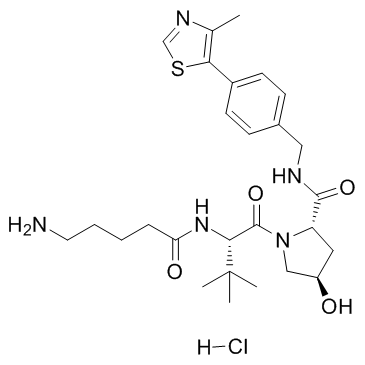
Protac Linker 5 is a PROTAC linker utilized to connect the respective tyrosine kinase inhibitor (TKI) to the E3 recruiting ligand.
More description
|
|
| DC32732 | VH 032-linker 6 Featured |
VH 032 Linker 6 is a derivative of the proteolysis-targeting chimera technology (PROTAC) for PROTAC research and development; by incorporating an E3 ligase ligand and a PEG2 linker with terminal alkyne, it is ready for conjugation to a target protein ligand
More description
|

|
| DC21961 | TL13-112 Featured |
TL13-112 is a novel Anaplastic Lymphoma Kinase (ALK)-PROTAC developed through conjugation of LDK378 and the cereblon ligand pomalidomide.
More description
|

|