To enhance service speed and avoid tariff delays, we've opened a US warehouse. All US orders ship directly from our US facility.
| Cat. No. | Product Name | Field of Application | Chemical Structure |
|---|---|---|---|
| DC37233 | 4-Phenylbutyric acid Featured |
4-Phenylbutyric acid is an antineoplastic agent.
More description
|

|
| DC33761 | 2-Acetylpyrazine Featured |
2-Acetylpyrazine is a pyrazine and a ketone. It is a yellow-brown powder at room temperature.
More description
|

|
| DC37770 | N-Monoacetylcystine Featured |
N-Monoacetylcystine is an antidote for paracetamol poisoning. It is also an antioxidant, used in the treatment of influenza A virus pandemic. N-Acetyl-L-cystine promotes fertilization by reducing disulfide bonds in zona pellucida of mouse.
More description
|

|
| DC31711 | Hydrocortisone acetate Featured |
Hydrocortisone Acetate is the synthetic acetate salt form of hydrocortisone, a corticosteroid with anti-inflammatory and immunosuppressive properties. Hydrocortisone acetate initially binds to the cytoplasmic glucocorticoid receptor; then the receptor-ligand complex is translocated to the nucleus where it initiates the transcription of genes encoding for anti-inflammatory mediators, such as cytokines and lipocortins. Lipocortins inhibit phospholipase A2, thereby blocking the release of arachidonic acid from membrane phospholipids and preventing the synthesis of prostaglandins and leukotrienes.
More description
|

|
| DC36105 | Adrenalone hydrochloride Featured |
Adrenone hydrochloride displays antineoplastic activity and has been shown to inhibit growth of Ehrlich ascites tumors in mice.
More description
|

|
| DC37720 | Dimethoate Featured |
Dimethoate is an organothiophosphorus cholinesterase inhibitor that is used as a systemic and contact insecticide.
More description
|

|
| DC34714 | Mericycline Featured |
Tetracycline, sold under the brand name Sumycin among others, is an antibiotic used to treat a number of infections. This includes acne, cholera, brucellosis, plague, malaria, and syphilis. It possesses some level of bacteriostatic activity against almost all medically relevant aerobic and anaerobic bacterial genera, both Gram-positive and Gram-negative.
More description
|

|
| DC36742 | Salicylamide Featured |
Salicylamide is a non-steroidal anti-inflammatory agent with analgesic and antipyretic properties. Its medicinal uses are similar to those of aspirin.
More description
|

|
| DC35435 | PEG3-Tos Featured |
PEG3-Tos is a PEG derivative containing a hydroxyl group and a tosyl group. The hydrophilic PEG spacer increases solubility in aqueous media. The hydroxyl group enables further derivatization or replacement with other reactive functional groups. The tosyl group is a very good leaving group for nucleophilic substitution reactions.
More description
|

|
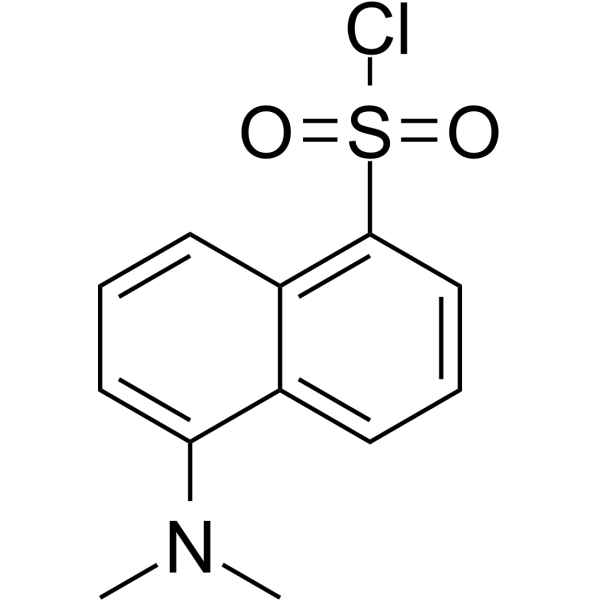
| DC36339 | Dansyl chloride Featured |
Dansyl chloride is a reactive probe for the derivatization of primary amines, including those on amino acids, peptides, and polyamines, for detection by HPLC. It has also been used for the derivatization of compounds containing phenol groups, such as steroids, for detection by MS/MS. Dansyl chloride is a fluorescent probe for proteins and enzymes. It displays excitation/emission maxima of 340/535 nm, respectively, in acetone.
More description
|
|
| DC36551 | Calcium phosphate Featured |
Dicalcium phosphate is the calcium phosphate with the formula CaHPO4 and its dihydrate. The "di" prefix in the common name arises because the formation of the HPO42– anion involves the removal of two protons from phosphoric acid, H3PO4. It is also known as dibasic calcium phosphate or calcium monohydrogen phosphate. Dicalcium phosphate is used as a food additive, it is found in some toothpastes as a polishing agent and is a biomaterial.[
More description
|

|
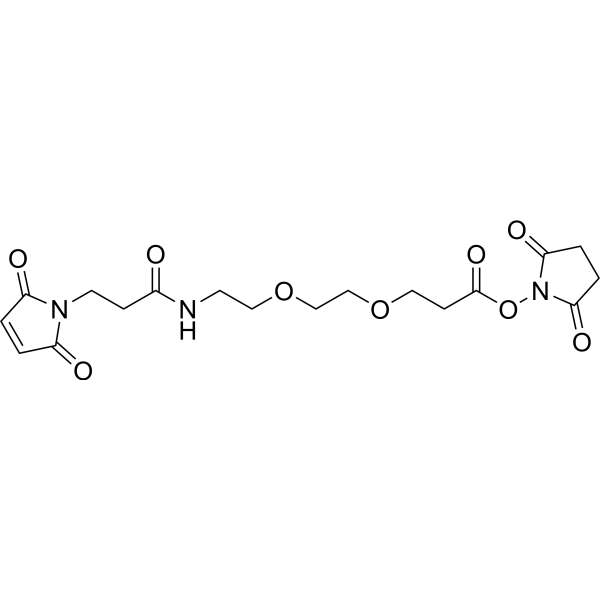
| DC35833 | Mal-amido-PEG2-NHS Featured |
Mal-amido-PEG2-NHS is a PEG derivative containing a maleimide group and an NHS ester. The hydrophilic PEG spacer increases solubility in aqueous media. The NHS ester can be used to label the primary amines (-NH2) of proteins, amine-modified oligonucleotides, and other amine-containing molecules. The maleimide group will react with a thiol group to form a covalent bond, enabling the connection of biomolecule with a thiol.
More description
|
|
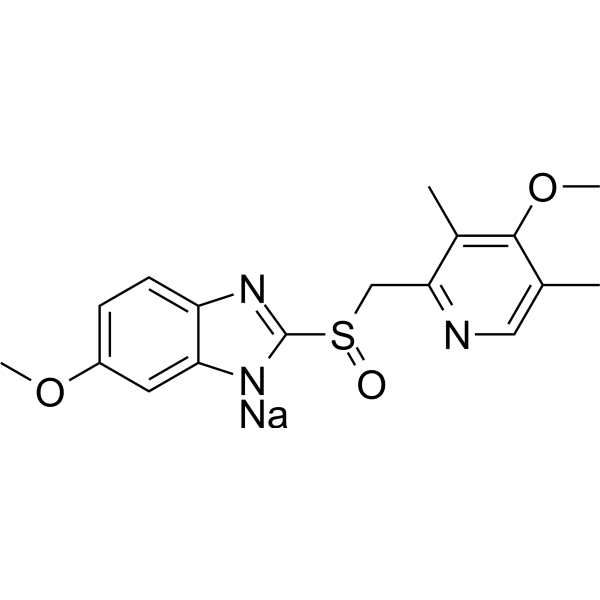
| DC38062 | Omeprazole sodium Featured |
Omeprazole sodium is the salt analogue of Omeprazole, which binds covalently to proton pump. It inhibits gastric secretion. Used as an anttiulcerative.
More description
|
|
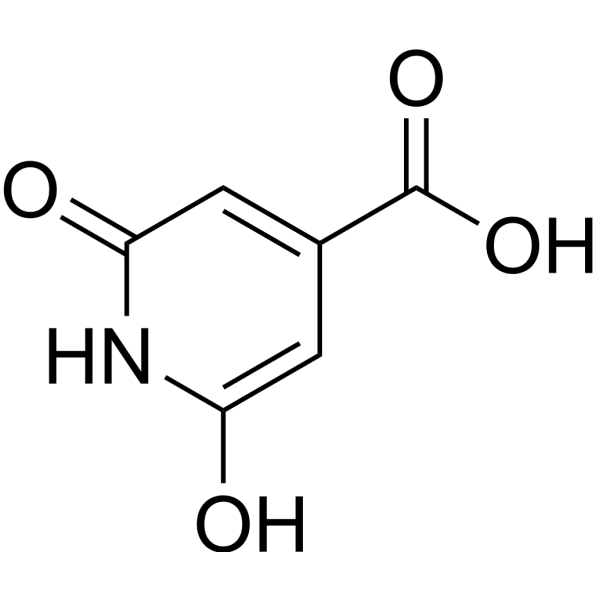
| DC33813 | Citrazinic acid |
Citrazinic acid inhibits 3-dehydroquinate dehydratase from Mycobacterium tuberculosis.
More description
|
|
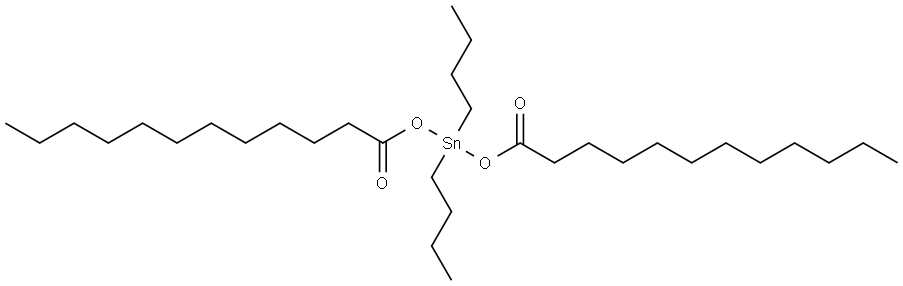
| DC37942 | Dibutyltin dilaurate Featured |
Dibutyltin dilaurate is used in prevention of parasitic dieases in cattle and sheep.
More description
|
|
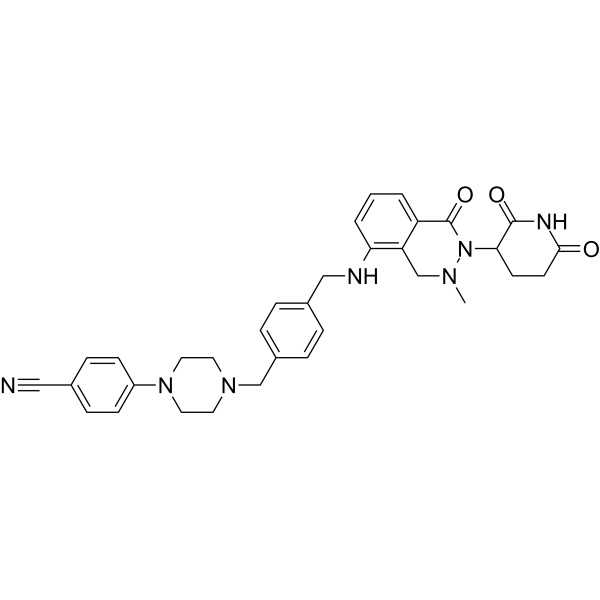
| DC79252 | MGD-22 Featured |
MGD-22, a molecular glue, is an orally active IKZF1/2/3 degrader with DC50 values of 8.33 nM, 9.91 nM, and 5.74 nM, respectively. MGD-22 exhibits extremely potent anti-proliferative activity against diverse hematological cancer cells. MGD-22 induces apoptosis in cancer cells. MGD-22 demonstrates potent anti-tumor efficacy in mice bearing NCI-H929 xenografts or WSU-DLCL-2 xenografts. MGD-22 can be used for the study of hematological cancers, including multiple myeloma (MM), acute myeloid leukemia (AML), and diffuse large B-cell lymphoma (DLBCL).
More description
|
|
| DC9196 | Imidacloprid Featured |
Imidacloprid is an effective and widely used neonicotinoid pesticide to control pests of cereals, vegetables, tea and cotton.
More description
|

|
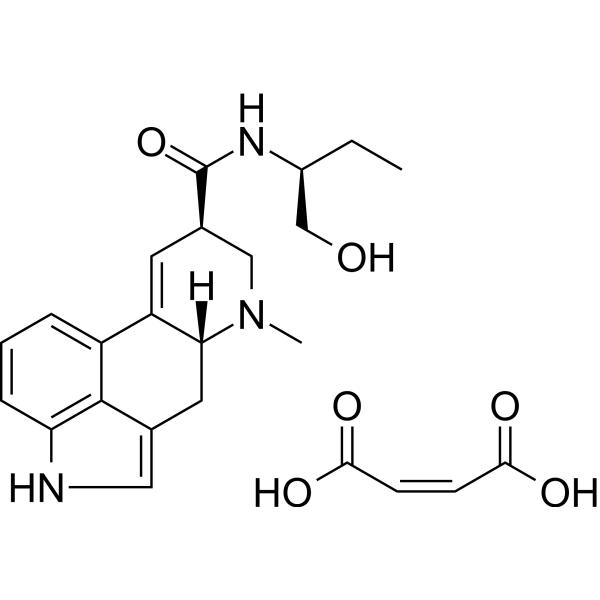
| DC31752 | Methylergonovine Maleate Featured |
Methylergonovine Maleate is the maleate salt of methylergonovine, a semi-synthetic ergot alkaloid with vasoconstrictive and uterotonic effects. Methylergonovine stimulates serotoninergic and dopaminergic receptors as well as inhibits the release of endothelial-derived relaxation factor. This results in arterial vasoconstriction and increased uterine smooth muscle contractions.
More description
|
|
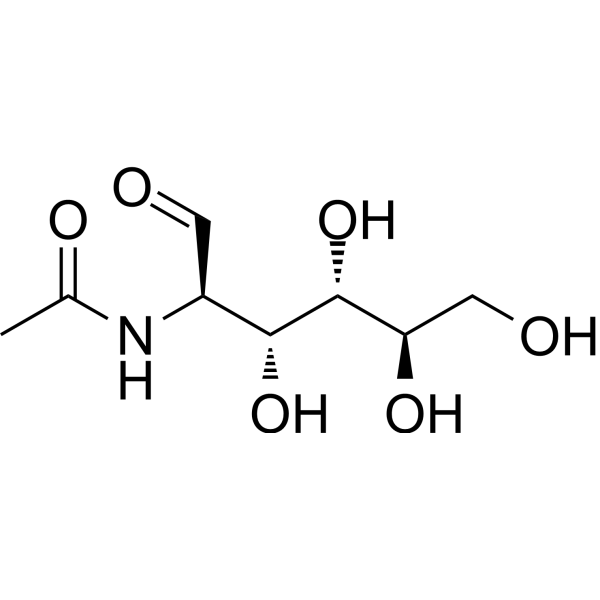
| DC32109 | Acetylglucosamine Featured |
Acetylglucosamine or N-acetylglucosamine is potentially for the treatment of irritable bowel syndrome. N-Acetylglucosamine (GlcNAc) is a monosaccharide that usually polymerizes linearly through (1,4)-β-linkages. GlcNAc is the monomeric unit of the polymer chitin, the second most abundant carbohydrate after cellulose. In addition to serving as a component of this homogeneous polysaccharide, GlcNAc is also a basic component of hyaluronic acid and keratin sulfate on the cell surface. GlcNAc has been reported to be an inhibitor of elastase release from human polymorphonuclear leukocytes (range 8–17% inhibition), however this is much weaker than the inhibition seen with N-acetylgalactosamine (range 92–100%).
More description
|
|
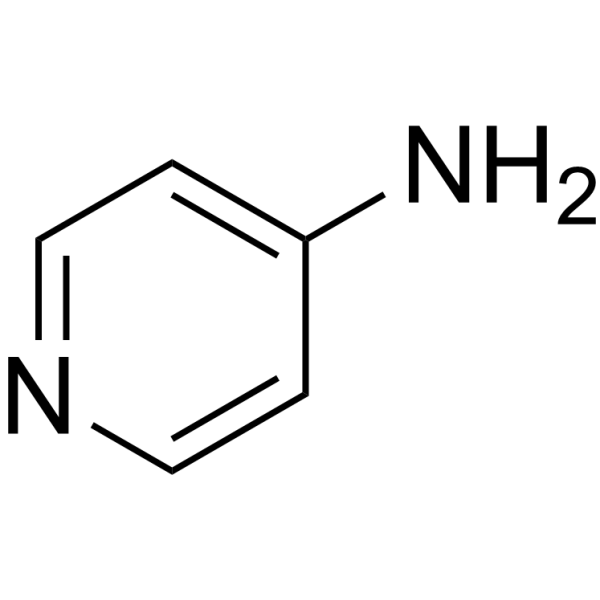
| DC31634 | 4-aminopyridine Featured |
Dalfampridine is a potassium channel blocker used to help multiple sclerosis patients walk. This is the first drug that was specifically approved to help with mobility in these patients. It has been approved by the FDA for use as a treatment for multiple sclerosis.
More description
|
|
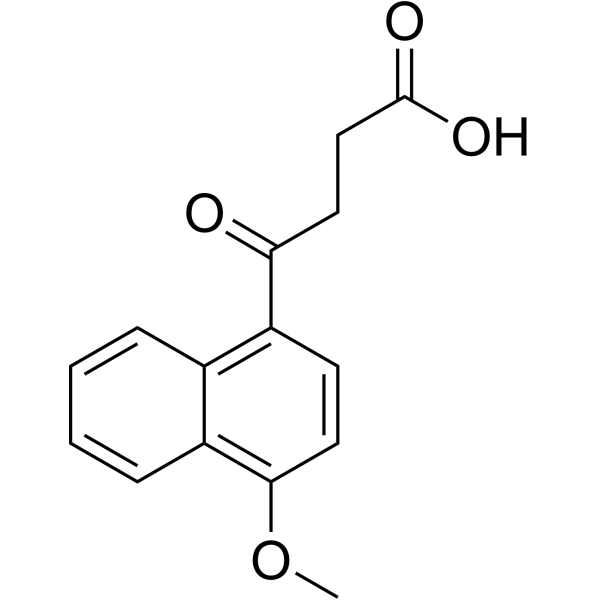
| DC32716 | Menbutone Featured |
Menbutone is an oxobutyric acid derivative and acts as a choleretic.
More description
|
|
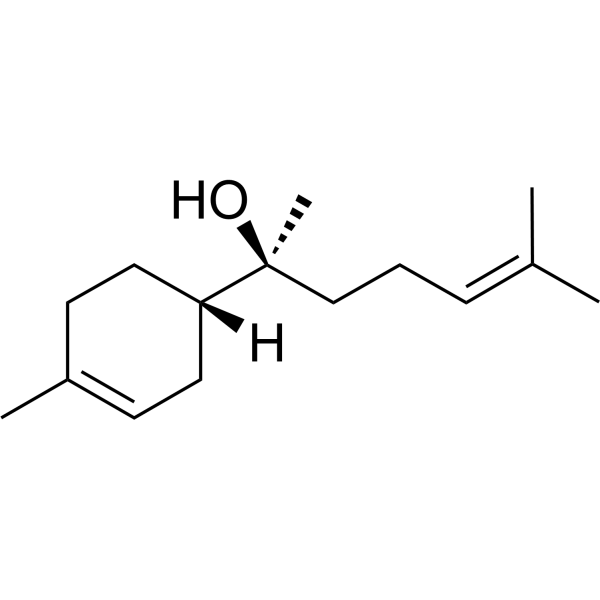
| DC33662 | Levomenol Featured |
Levomenol ((-)-α-Bisabolol), a monocyclic sesquiterpene alcohol, exerts antioxidant, anti-inflammatory, and anti-apoptotic activities. Levomenol also has neuroprotective effects and prevents neuronal damage and memory deficits through reduction of proinflammatory markers induced by permanent focal cerebral ischemia in mice. Levomenol attenuates nociceptive behaviour and central sensitisation in a rodent model of trigeminal neuropathic pain. Orally active.
More description
|
|
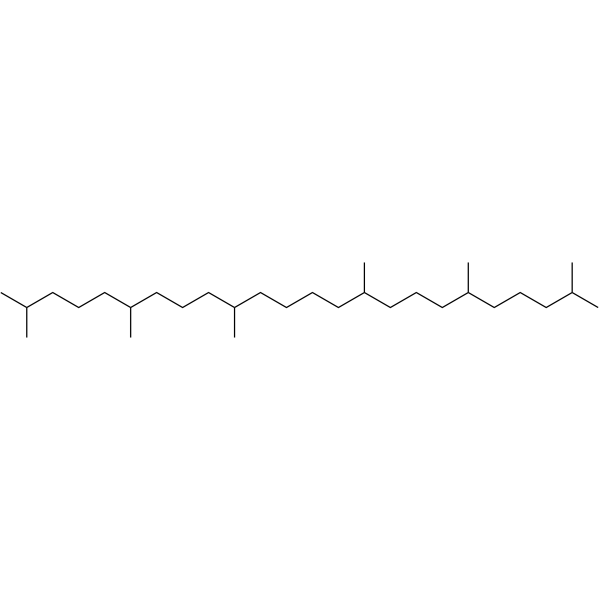
| DC36910 | Squalane Featured |
Squalane is used as a lubricant for fatty acid surfactant films adsorbed on iron oxide surfaces
More description
|
|
| DC33663 | Antibiotic BB-K 8 Featured |
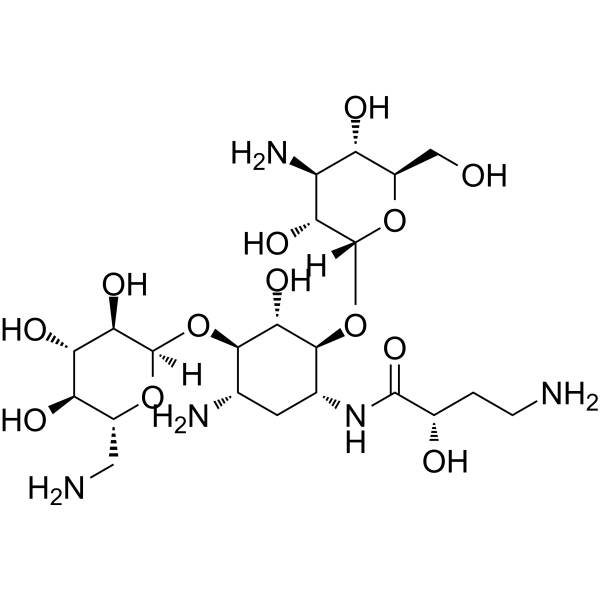
Amikacin is an aminoglycoside antibiotic derived from kanamycin A. Like other aminoglycosides, amikacin binds to bacterial ribosomes and disrupts translation.1 However, the specific binding sites differ between different aminoglycoside antibiotics, as do the mechanisms of resistance. Amikacin is effective against Gram-negative and Gram-positive bacteria.
More description
|
|
| DC36350 | Spinacene Featured |
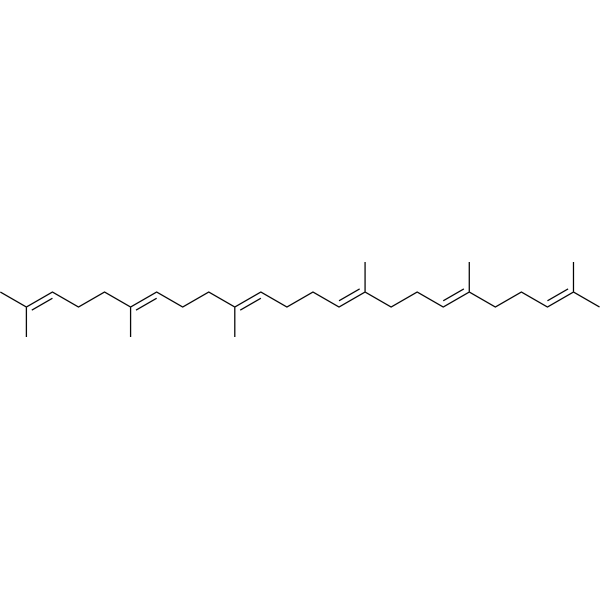
Squalene is a biosynthetic precursor to all steroids. An oil-in-water emulsion of squalene synergistically increases adaptive immune responses to glucopyranosyl lipid adjuvant (GLA), a toll-like receptor 4 (TLR4) agonist, compared with an aqueous formulation of GLA. Formulations containing squalene have been used as adjuvants in vaccines and as hair and skin conditioning agents.
More description
|
|
| DC37166 | Heptanoic acid Featured |
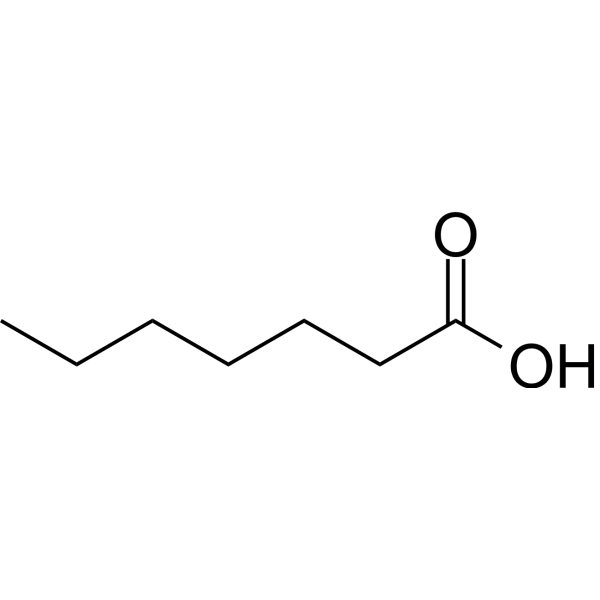
Heptanoic acid, also called enanthic acid, is an organic compound composed of a seven-carbon chain terminating in a carboxylic acid. It is an oily liquid with an unpleasant, rancid odor. It contributes to the odor of some rancid oils.
More description
|
|
| DC37002 | Butylated hydroxytoluene Featured |
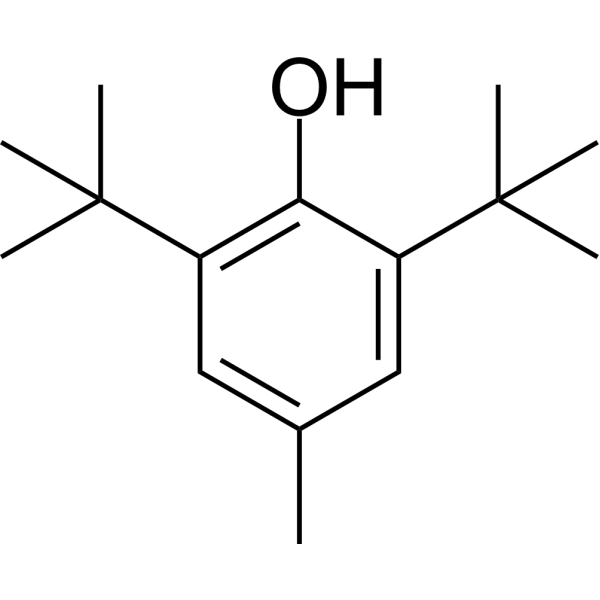
Butylated hydroxytoluene is di-tert-butyl PHENOL with antioxidant properties.
More description
|
|
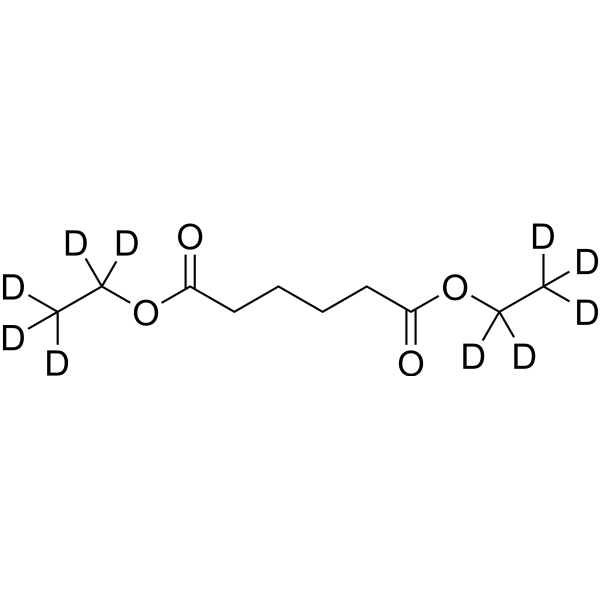
| DC37105 | Diethyl adipate Featured |
Diethyl adipate has an antifertility effects.
More description
|
|
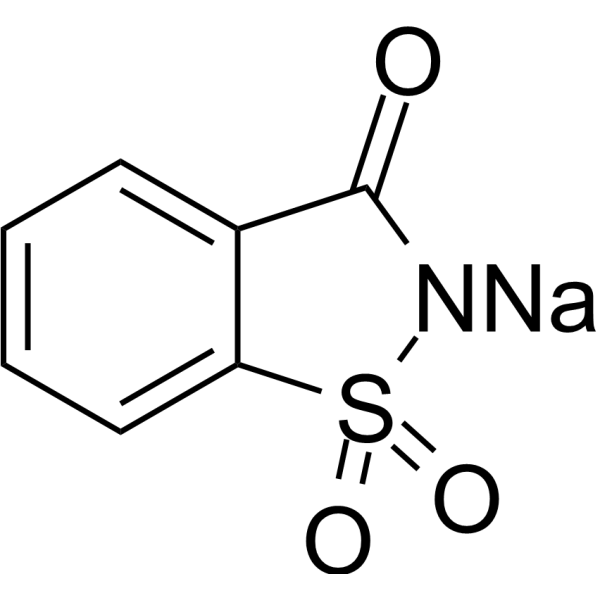
| DC36513 | Saccharin sodium Featured |
Saccharin sodium is a type of artificial or nonnutritive sweetener. It is 200 to 700 times sweeter than sucrose but has a bitter aftertaste. Saccharin and its salts do not occur naturally. Saccharin sodium is used in the production of various foods and pharmaceutical products including soft drinks, candy, biscuits, jams, chewing gum, tinned fruit, medicine and toothpaste.
More description
|
|
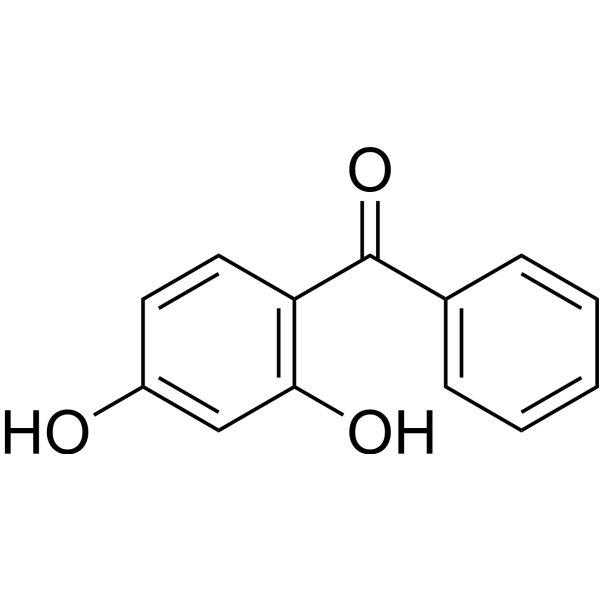
| DC34118 | DHBP Featured |
DHBP, also known as Benzoresorcinol, is an activator of WalKR TCS. It works via targeting erWalK and selectively promoting the lysostaphin-induced lysis activity of the Newman wild-type strain.
More description
|
|