To enhance service speed and avoid tariff delays, we've opened a US warehouse. All US orders ship directly from our US facility.
| Cat. No. | Product Name | Field of Application | Chemical Structure |
|---|---|---|---|
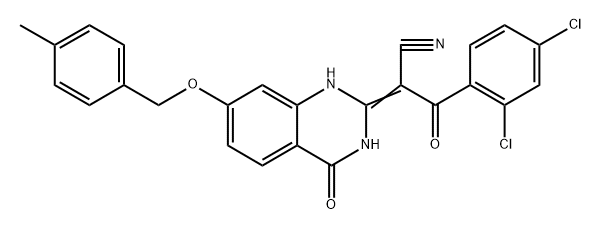
| DC20905 | Dynein2-IN-37 Featured |
Dynein2-IN-37 (Ciliobrevin analog 37) is a potent, selective cytoplasmic dynein 2 ATPase activity antagonist with IC50 of 11 uM, shows weak inhibition for dynein 2 (IC50=280 uM).
More description
|
|
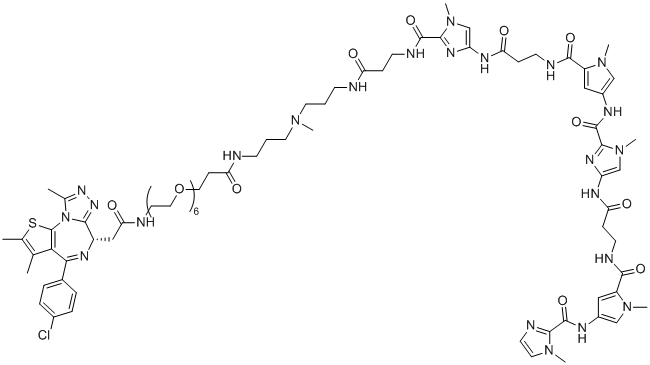
| DC20561 | Syn-TEF1 Featured |
Syn-TEF1 is a molecule actively enables transcription across repressive GAA repeats that silence frataxin expression in Friedreich's ataxia, license transcription elongation at targeted genomic loci.
More description
|
|
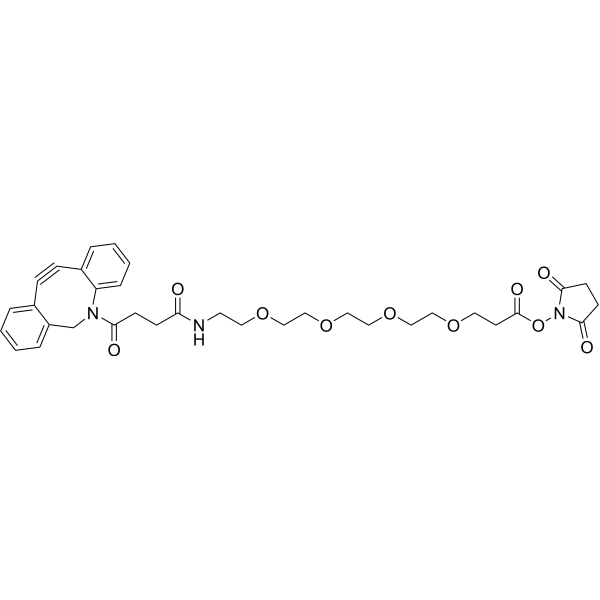
| DC35280 | DBCO-PEG4-NHS ester Featured |
DBCO-PEG4-NHS Ester is a PEG derivative containing NHS ester that is able to react specifically and efficiently with primary amines (e.g. the side chain of lysine residues or aminosilane-coated surfaces) at neutral or slightly basic condition to form a covalent bond. The hydrophilic PEG spacer arm improves water solubility and provides a long and flexible connection that minimizes steric hindrance involved with ligation.
More description
|
|
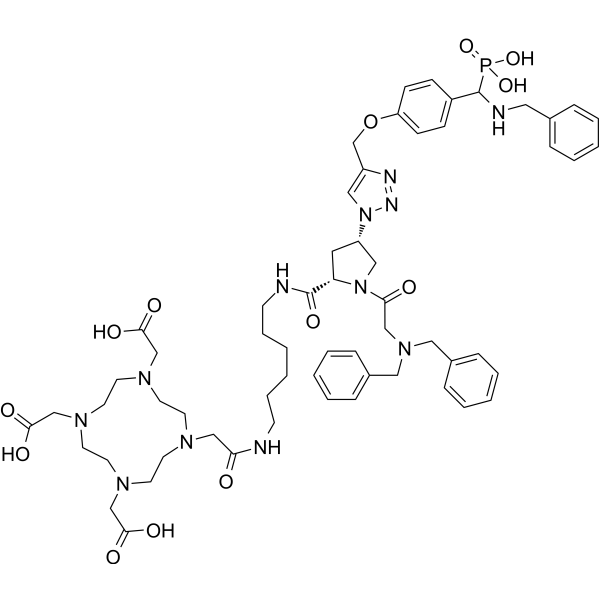
| DC79747 | OncoACP3 Featured |
OncoACP3 (Compound s43) is a high affinity ligand for prostatic acid phosphatase (ACP3). OncoACP3, radiolabelled with Lu-177, selectively accumulates in enzyme-expressing tumors and shows a potent anti-tumor activity with excellent tumor-selective payload deposition in HT1080.hACP3 and PC3.hACP3 tumor-bearing mice model. OncoACP3 can be used for prostate cancer research.
More description
|
|
| DC79263 | ACP3 ligand 1 Featured |
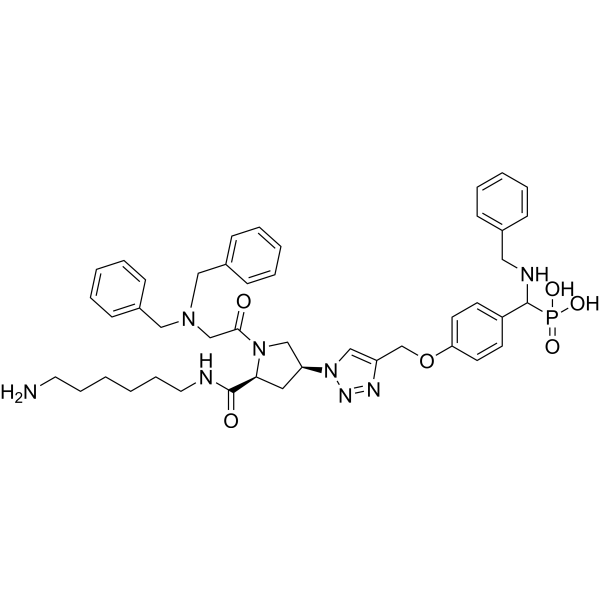
ACP3 ligand 1 (compound I11a) is a ligand against Acid Phosphatase 3 (ACP3, ACPP). ACP3 ligand 1 interacts with ACP3 expressed on the surface of tumor cells for in vivo pharmaco-delivery applications.
More description
|
|
| DCAPI1533 | Piperaquine Phosphate Featured |
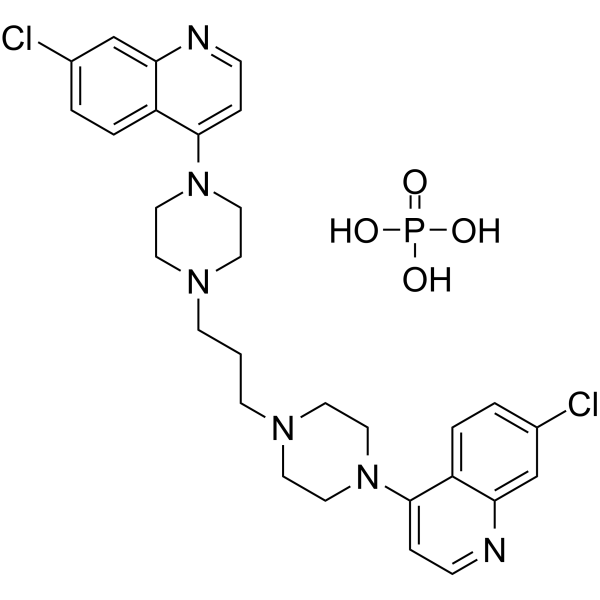
Piperaquine phosphate is a bisquinoline antimalarial agent. Piperaquine phosphate can be used in antimalarial research in combination with Artemisinin.
More description
|
|
| DC72217 | HFI-419 Featured |
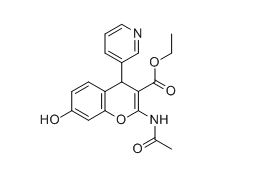
HFI-419 is an insulin-regulated aminopeptidase (IRAP) inhibitor. HFI-419 has inhibitory potency for IRAP with Ki value of 0.48 μM. HFI-419 can be used for the research of cognitive and memory impairments such as Alzheimer's disease, brain trauma, and stroke.
More description
|
|
| DC33262 | AR-C118925XX Featured |
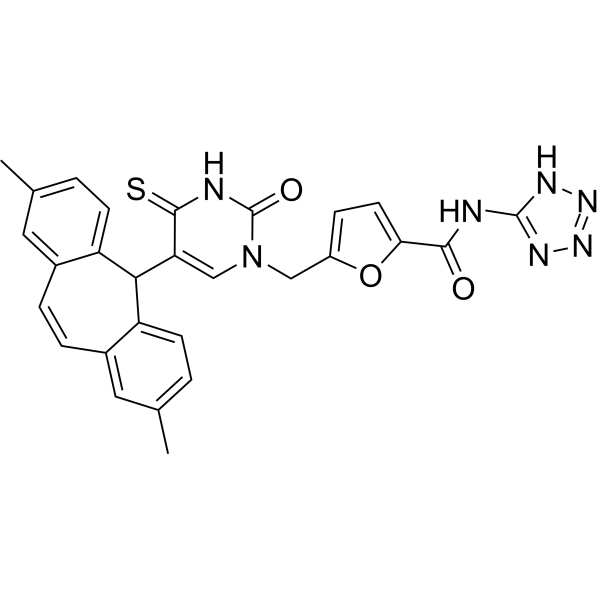
AR-C118925XX is a selective P2Y2 receptor antagonist. AR-C118925XX inhibits ATP-induced IL-6 production and phosphorylation of p38. AR-C118925XX also inhibits Bleomycin (HY-108345)-induced dermal fibrosis in mice.
More description
|
|
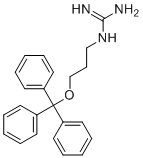
| DC12713 | NY0128 Featured |
NY0128 (NY 0128) is a small molecule neuromedin U receptor 2 (NMUR2) with EC50 of 29.99 uM for hNMUR1 and 10.30 uM for hNMUR2 in intracellular calcium mobilization assays.
More description
|
|
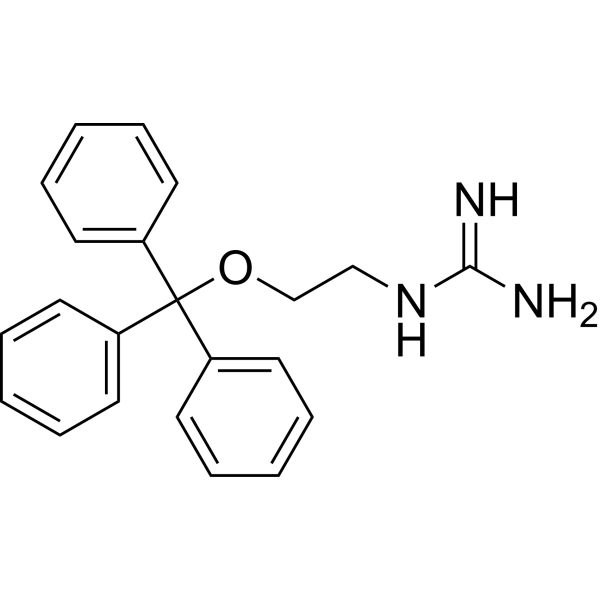
| DC12712 | NY0116 Featured |
NY0116 (NY 0116) is a small molecule neuromedin U receptor 2 (NMUR2) with EC50 of 27.76 uM for hNMUR1 and 13.61 uM for hNMUR2 in intracellular calcium mobilization assays.
More description
|
|
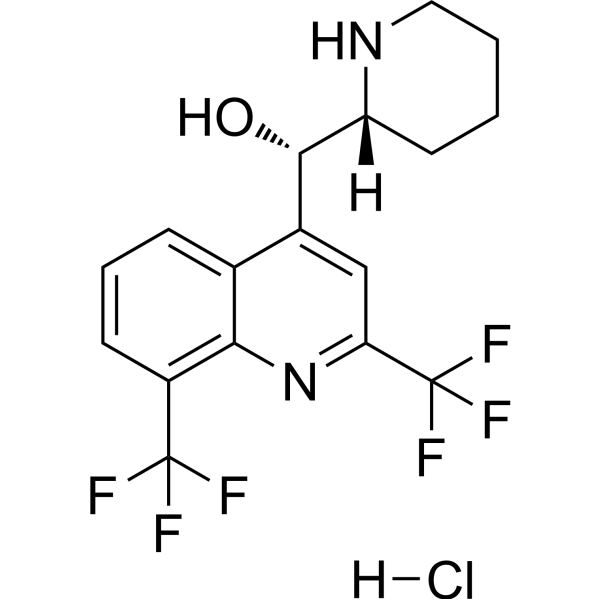
| DC22388 | Mefloquine hydrochloride Featured |
A quinoline antimalarial drug that is structurally related to the antiarrhythmic agent quinidine.
More description
|
|
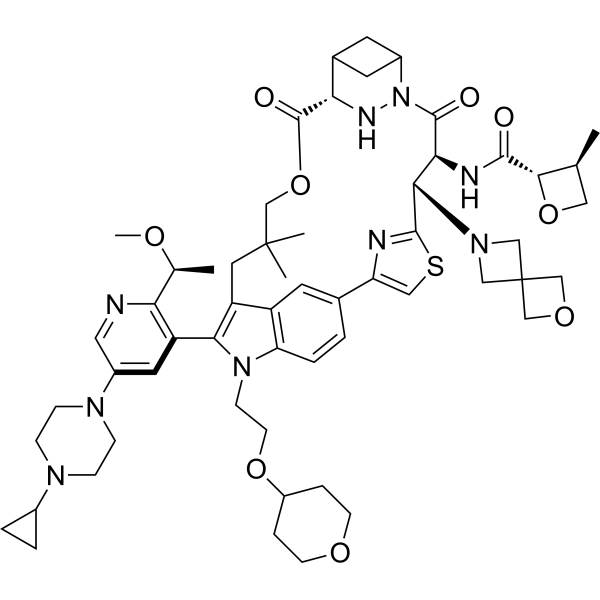
| DC77140 | RMC5127 Featured |
RMC-5127 is an orally active and brain-penetrant mutant-selective tri-complex RASG12V inhibitor. RMC-5127 non-covalently binds to cyclophilin A (CypA), forming a binary complex that engages RASG12V(ON) to form a high-affinity tri-complex, sterically inhibiting RAS binding . RMC-5127 inhibits the RAS pathway in KRASG12V mutant cancer cells, reducing cell proliferation and inducing apoptosis. RMC-5127 is promising for research of cancers with RAS mutations, such as non-small cell lung cancer.
More description
|
|
| DC22259 | VTI-1002 |
VTI-1002 is a potent and specific inhibitor of human (K i = 4.4 ± 2.0 nM) and murine (IC 50 = 179 ± 18 nM) GzmB, with minimal activity (IC 50 > 300 nM) against Cathepsin-G, neutrophil elastase and caspases (−3, −4, −5, −7, −8 and −9). In addition to its high specificity for GzmB, VTI-1002 is retained in murine skin for up to 24 hours and exhibits minimal toxicity in vivo with no observed adverse effects after 30 consecutive days of systemic administration in mice [31]. VTI-1002-mediated GzmB inhibition was first reported to augment type I collagen fibrillogenesis and improve tensile strength in a murine diabetic burn model, notably by preventing decorin cleavage and dermal fibrillar collagen network disorganization.
More description
|

|
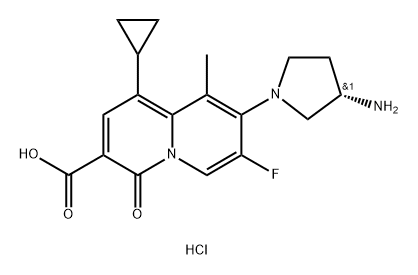
| DC9261 | ABT-719 HCl |
ABT-719 is a potent bacterial DNA gyrase inhibitor.
More description
|
|
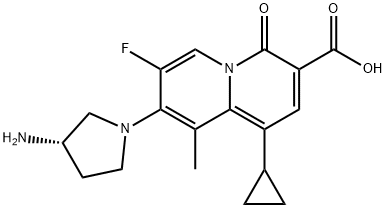
| DC9262 | ABT-719 |
ABT-719 is a potent bacterial DNA gyrase inhibitor.
More description
|
|
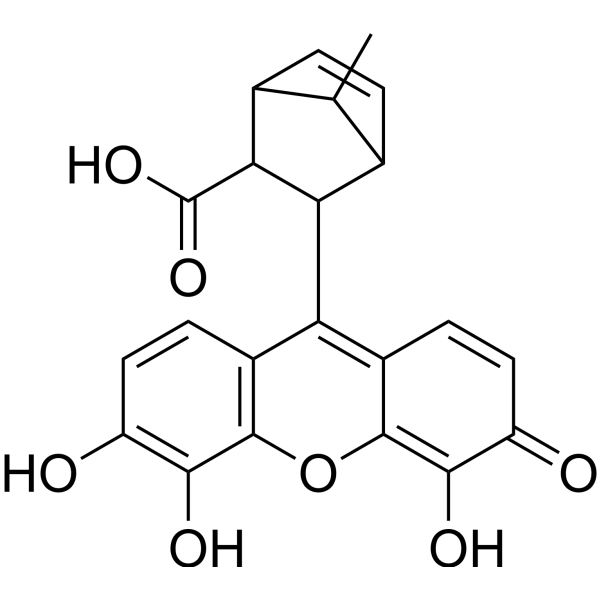
| DC74031 | IPA Featured |
IPA (Inhibitor of Priming Activity) is a small-molecule compound that binds Sec18 (Kd=3.84 uM) and blocks SNARE activation, inhibits vacuole fusion at the SNARE priming stage with IC50 of 50 uM.
More description
|
|
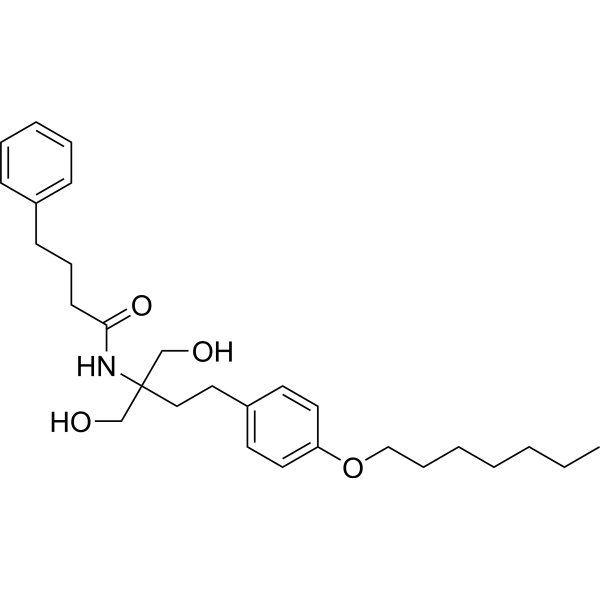
| DC81567 | ST1072 Featured |
ST1072 is a dual inhibitor of CerS4 and CerS6. ST1072 significantly reduces the ability of murine T cells to proliferate and produce IFN-γ. ST1072 can be used for hematologic malignancies research.
More description
|
|
| DC9575 | IPA-3 Featured |
IPA-3 is a selective non-ATP competitive PAK1 inhibitor with IC50 of 2.5 μM, no inhibition to group II PAKs (PAKs 4-6).
More description
|

|
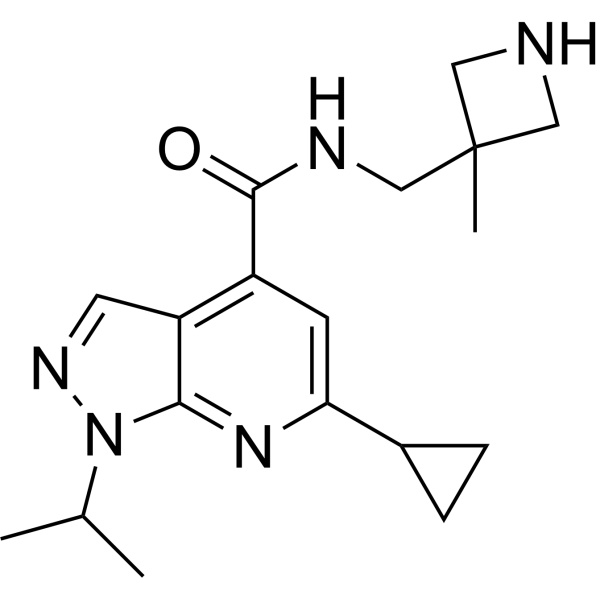
| DC79352 | Jun6504 Featured |
Jun6504 is an enterovirus 2C inhibitor. Jun6504 shows potent and broad-spectrum antiviral activity against multiple strains of EV-D68 (EC50 = 250 nM), EV-A71 (EC50 = 502.4 nM), and CVB3 (EC50 = 1049 nM). Jun6504 improves paralysis score and weight gain in a neonatal mouse model of EV-D68 infection. Jun6504 reduces viral titers in the spinal cord and the infected quadriceps muscle. Jun6504 can be used for EV-D68 antiviral research.
More description
|
|
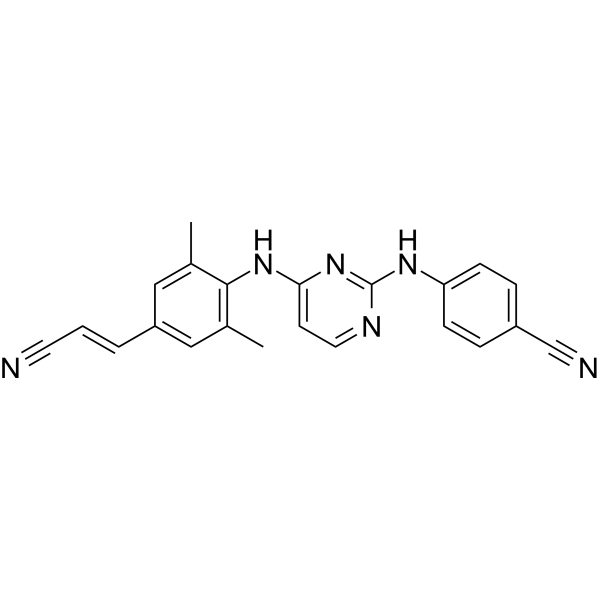
| DC7266 | Rilpivirine(R 278474, TMC 278) Featured |
Rilpivirine(R 278474, TMC 278) is a type of anti-HIV medicine called a non-nucleoside reverse transcriptase inhibitor (NNRTI).
More description
|
|
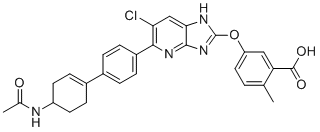
| DC74253 | MSG011 Featured |
MSG011 is a potent, pan AMPK isoform activator with EC50 of 140.4 nM, 248.9 nM, 553.4 nM, and 472.9 nM for α1β1γ1, α1β2γ1, α2β1γ1, and α2β2γ1, respectively.
More description
|
|
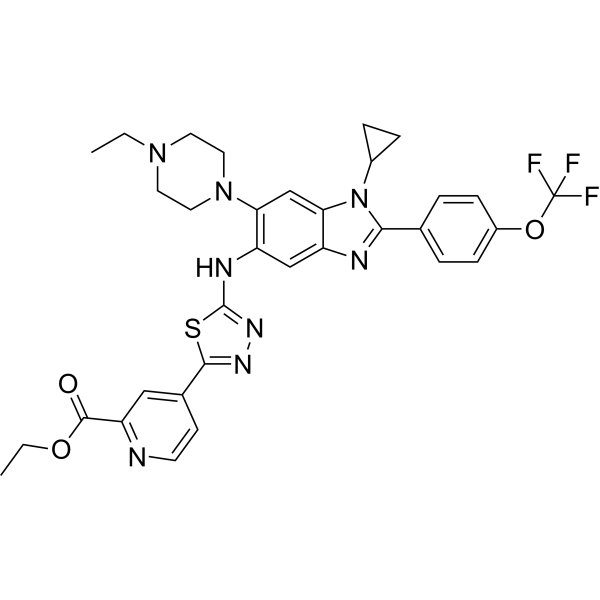
| DC81570 | STAT3-IN-53 Featured |
STAT3-IN-53 (Compound L20) is a STAT3 inhibitor with a Kd value of 6.16 μM. STAT3-IN-53 binds directly to the SH2 domain of STAT3, inhibits phosphorylation at the Y705 site without affecting the total STAT3 protein level, and suppresses the IL-6/JAK/STAT3 pathway. STAT3-IN-53 downregulates the transcription and expression of cyclin-D1 and c-Myc. STAT3-IN-53 induces cell cycle arrest and promotes Apoptosis. STAT3-IN-53 exhibits anticancer activity against colorectal cancer.
More description
|
|
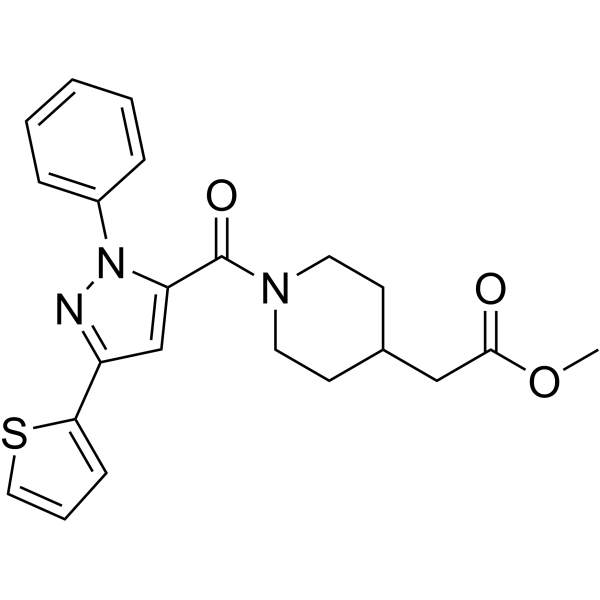
| DC77043 | KB-208 Featured |
KB-208 is a phagocytosis inhibitor that improves immune thrombocytopenia (ITP) in mouse models at a dose of 1 mg/kg. KB-208 does not affect other blood parameters and does not elevate serum toxicity biomarkers. KB-208 can be used in immunology research.
More description
|
|
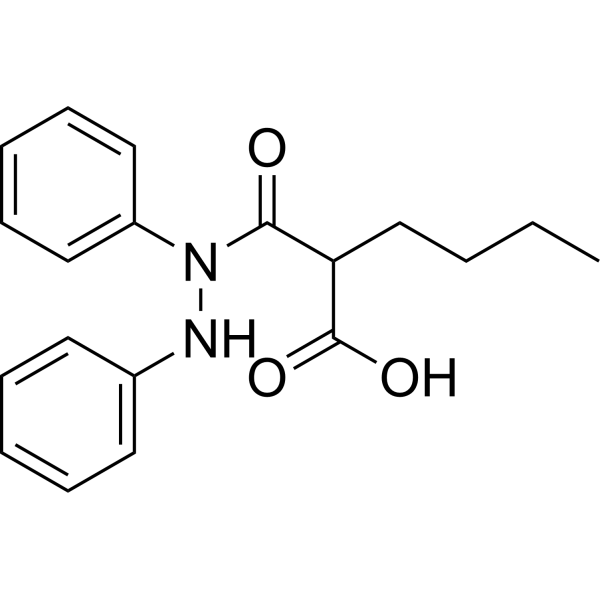
| DC45933 | Bumadizone Featured |
Bumadizone is a non-steroidal anti-inflammatory drug (NSAID) and can relieve pain.
More description
|
|
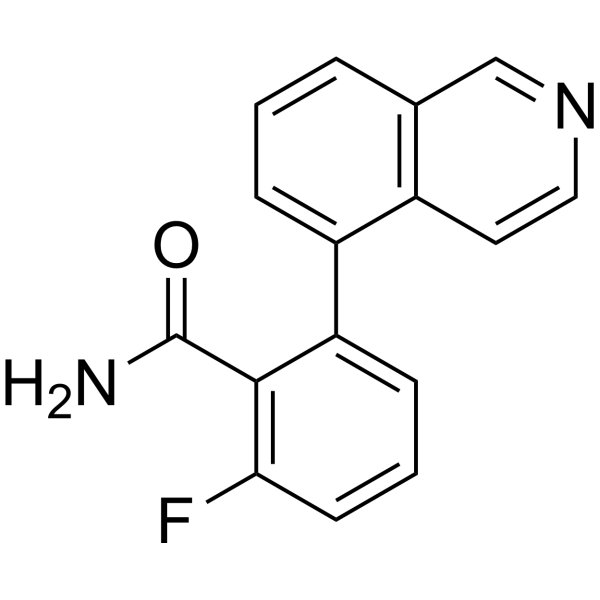
| DC70432 | GHP-88309 Featured |
GHP-88309 (GHP88309) is a non-nucleoside, broad-spectrum allosteric inhibitor of paramyxovirus polymerase with EC50 of 0.9 uM against HPIV3-JS RdRP.Demonstrates highly potent antiviral potency against HPIV3-JS and clinical isolates HPIV3-9R4 and HPIV3-10L3 in the primary cell/virus isolate system (EC50=0.07-0.08 uM), without cytotoxicity.GHP-88309 targets a conserved microdomain in the L protein, inhibiting de novo RNA synthesis.GHP-88309 is efficacious in well-differentiated human airway epithelium cultures grown at air-liquid interface (3D-ALI-HBTEC).GHP-88309 (150 mg/kg b.i.d.) is orally efficacious in HPIV disease surrogate model.GHP-88309 possesses unusual broad-spectrum activity against diverse paramyxoviruses including respiroviruses (i.e. HPIV1 and HPIV3) and morbilliviruses (i.e. MeV).
More description
|
|
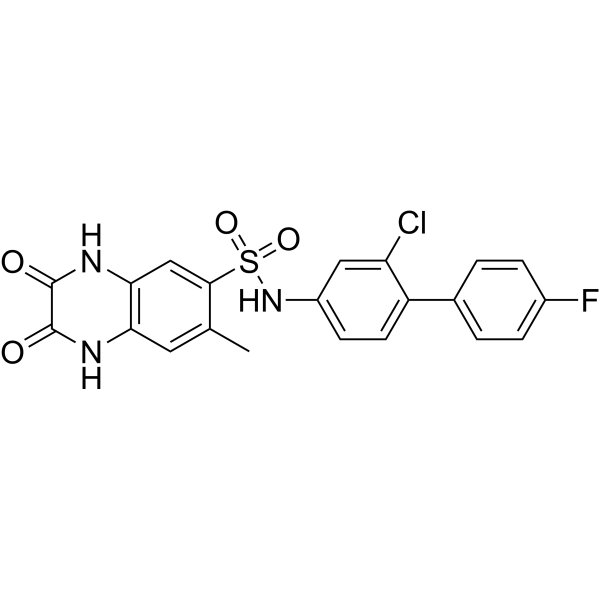
| DC75987 | H052 Featured |
H052 is a selective Staphylococcus aureus α-hemolysin (Hla) inhibitor. H052 binds to Hla monomers, disrupts the interaction with host cell membranes to block pore formation, inhibiting calcium ion influx, cytotoxicity, and inflammatory responses. H052 exhibits potency (EC50=30 nM in U937 cells) against Hla-induced calcium influx. H052 is promising for research of lung infections caused by S. aureus.
More description
|
|
| DCC2044 | F0045(s) Featured |
Novel influenza A hemagglutinin (HA) fusion inhibitor (EC 50 = 1.9 ± 0.3 μM), preventing HA from transitioning to the postfusion state at pH 5.0
More description
|
.jpg)
|
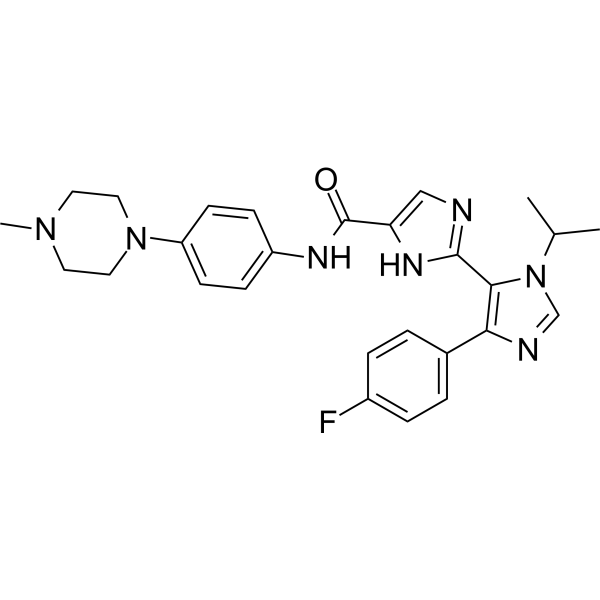
| DC74461 | Rentosertib Featured |
INS018_055 (INS018-055) a selective small-molecule TRAF2- and NCK-interacting kinase (TNIK) inhibitor with Kd value of 4.32 nM and IC50 of 31 nM, inhibits TGF-β-induced α-SMA protein expression in MRC-5 cells with IC50 of 27.14 nM.
More description
|
|
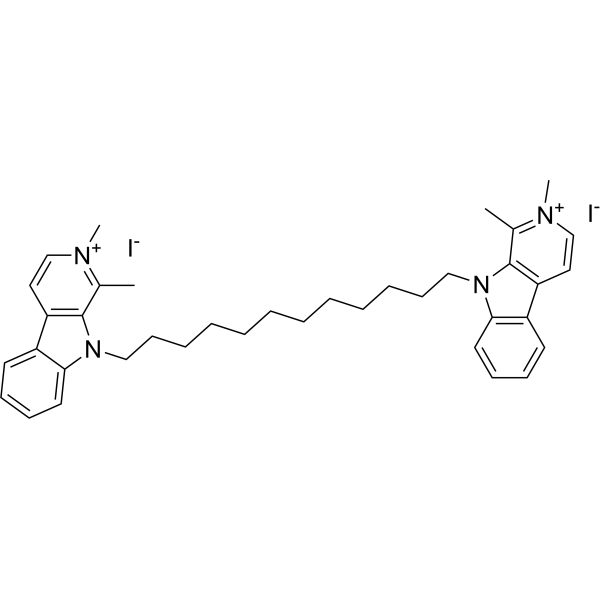
| DC80100 | 5-Diazomethane quinoxaline Featured |
5-Diazomethane quinoxaline is a novel derivatization reagent. 5-Diazomethane quinoxaline is used for the detection of phosphorylated metabolites.
More description
|
|
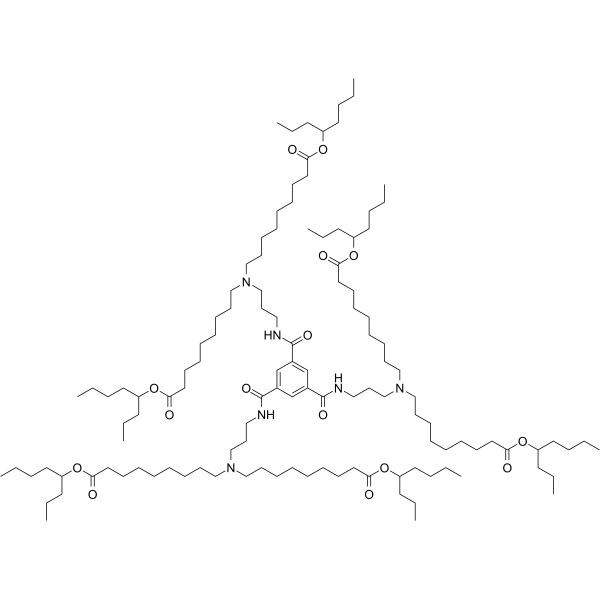
| DC49932 | FTT5 Featured |
FTT5 is a lipid-like compound for efficient delivery of long mRNAs in vivo.
More description
|
|