To enhance service speed and avoid tariff delays, we've opened a US warehouse. All US orders ship directly from our US facility.
| Cat. No. | Product Name | Field of Application | Chemical Structure |
|---|---|---|---|
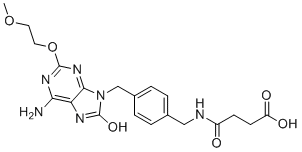
| DC73565 | SZU-101 Featured |
SZU101 is a small molecule TLR7 agonist that directly activates, induces reporter activity (23-fold) in a TLR7-NF-kB reporter system expressed in HEK-293 cells TLR7 signalling.
More description
|
|
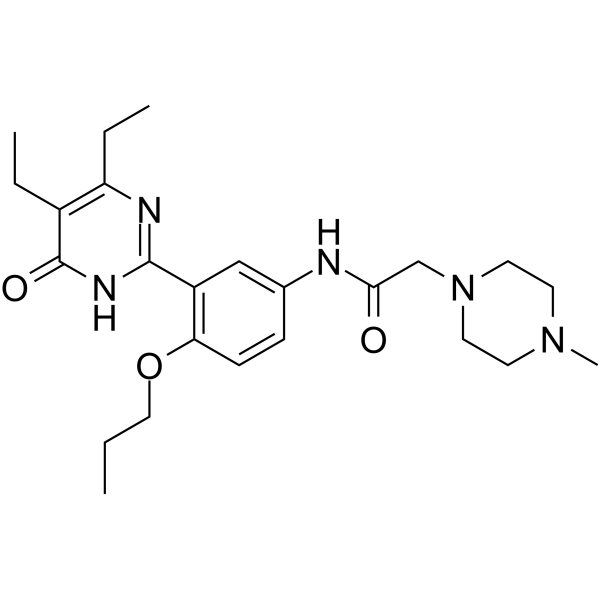
| DC73770 | TPN171 Featured |
TPN171 (TPN-171) is a highly potent, selective phosphodiesterase type 5 (PDE5) inhibitor with IC50 of 0.62 nM, 32-fold selectivity over PDE6.
More description
|
|
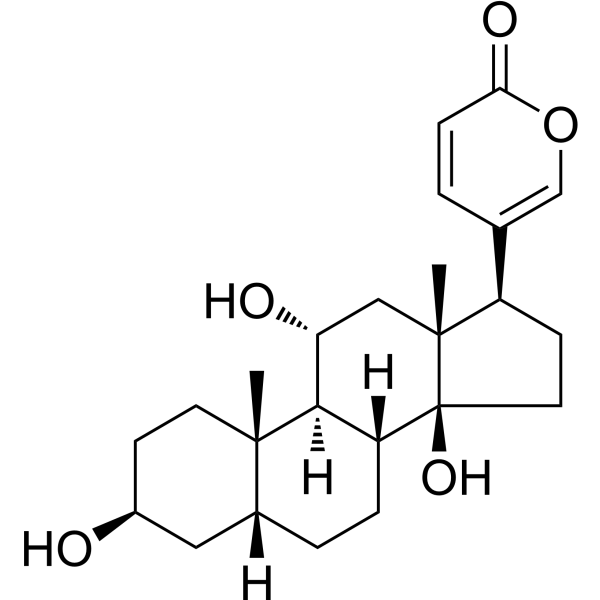
| DCR-041 | Gamabufotalin |
Gamabufotalin (Gamabufagin), a main active compound isolated from Chinese medicine Chansu, has been shown to strongly inhibit cancer cell growth and inflammatory response. Gamabufotalin could inhibite angiogenesis by inhibiting the activation of VEGFR-2 signaling pathways.
More description
|
|
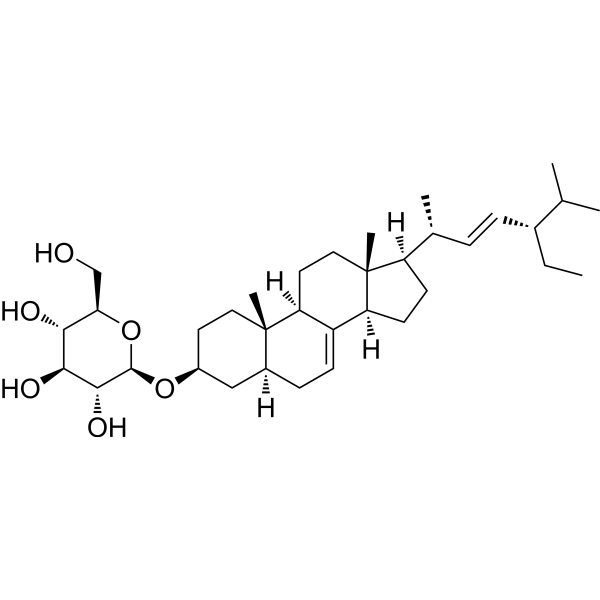
| DCB-066 | α-spinasteryl-3-O-β-D-glucoside |
α-Spinasterol-3-O-β-D-glucoside is a sterol glucoside that can be isolated from the seeds of Momordica cochinchinensis.
More description
|
|
| DC20019 | Flagelin 22(TFA) |
Flagelin 22 TFA, a fragment of bacterial flagellin, is an effective elicitor in both plants and algae.
More description
|
.gif)
|
| DCM-065 | 3-O-galloylmucic acid |
3-O-galloylmucic acid is a natural flavonoid that can be found in Ardisia splendens.
More description
|
-α-L-rhamnopyranoside.gif)
|
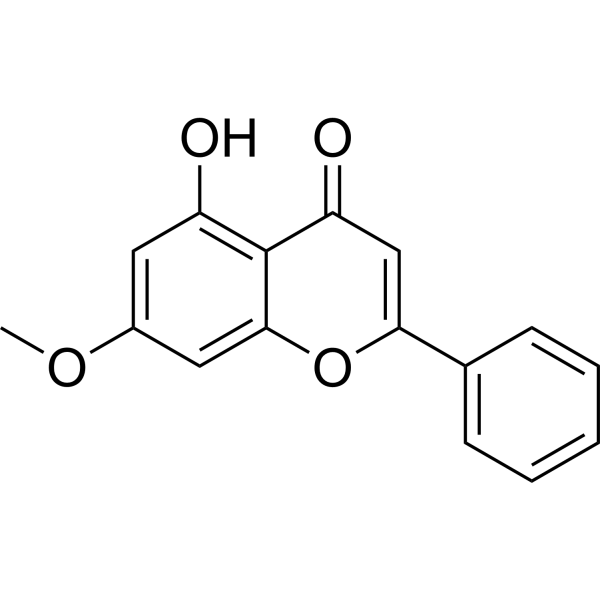
| DCZ-292 | Tectochrysin |
Tectochrysin (Techtochrysin) is one of the major flavonoids of Alpinia oxyphylla Miquel. Tectochrysin inhibits activity of NF-κB.
More description
|
|
| DCJ-026 | Worenine chloride |
>98%,Standard References
More description
|

|
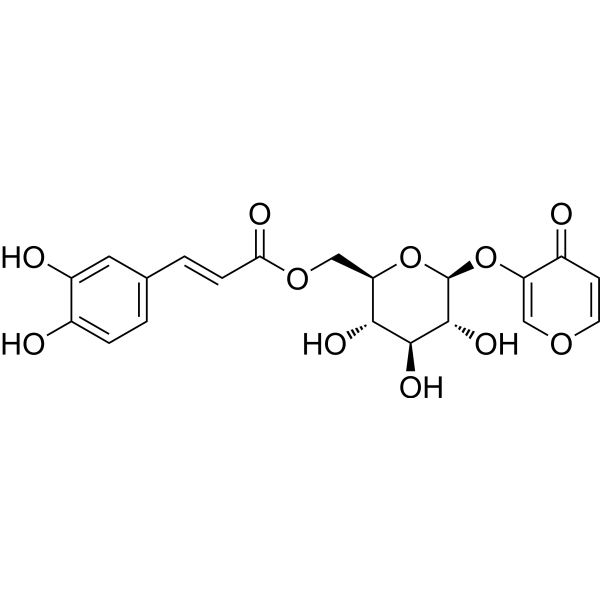
| DCD-075 | Erigeside I |
Erigeside I is a free radical scavenger isolated from Erigeron breviscapus.
More description
|
|
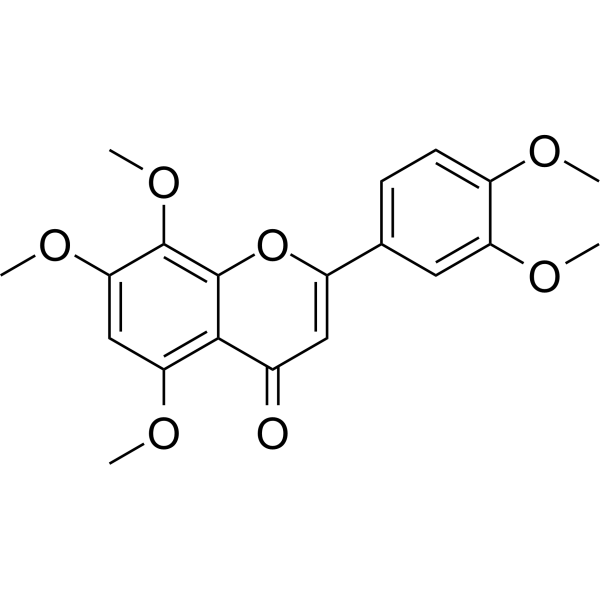
| DCY-159 | Isosinensetin |
Isosinensetin is a flavonoid compound and an inhibitor of HIV-1 protease and PTP1B (IC50: 2.61 µM; Ki: 0.92 µM). Isosinensetin inhibits P-glycoprotein (P-gp) in MDR1-MDCKII cells. Isosinensetin has multiple activities such as anti-tumor, anti-viral, anti-inflammatory, and antioxidant effects.
More description
|
|
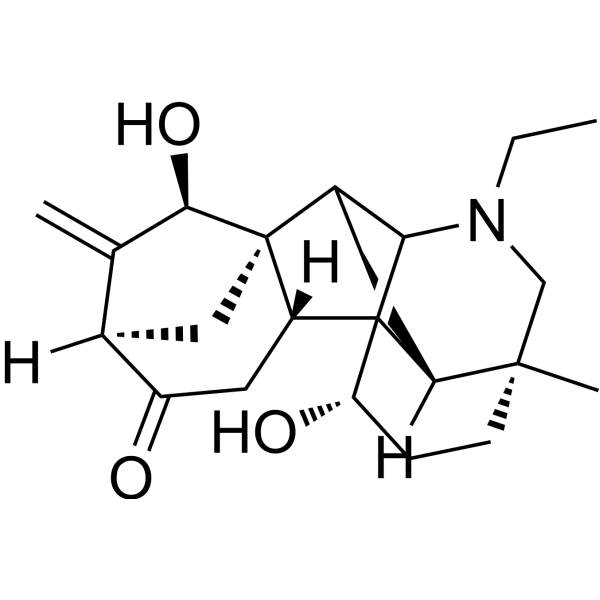
| DCZ-289 | Songorine |
Songorine is a BBB-permeable diterpenoid alkaloid isolated from the genus Aconitum. Songorine is a GABAA receptor antagonist in rat brain and has anti cancer, antiarrhythmic and anti-inflammatory activities. Songorine has the potential for the treatment of Epithelial ovarian cancer (EOC).
More description
|
|
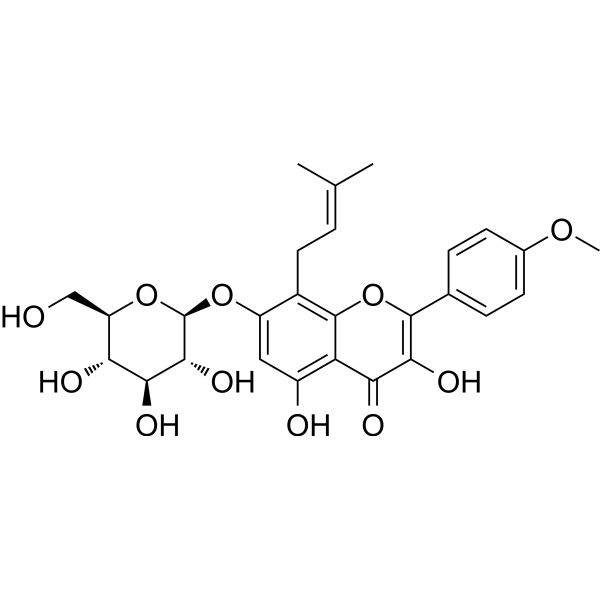
| DC12286 | Icariside I Featured |
Icariside I is a metabolite of Icarlin, which could regulate bone remodeling and is recognized as an effective agent for the treatment of osteoporosis.
More description
|
|
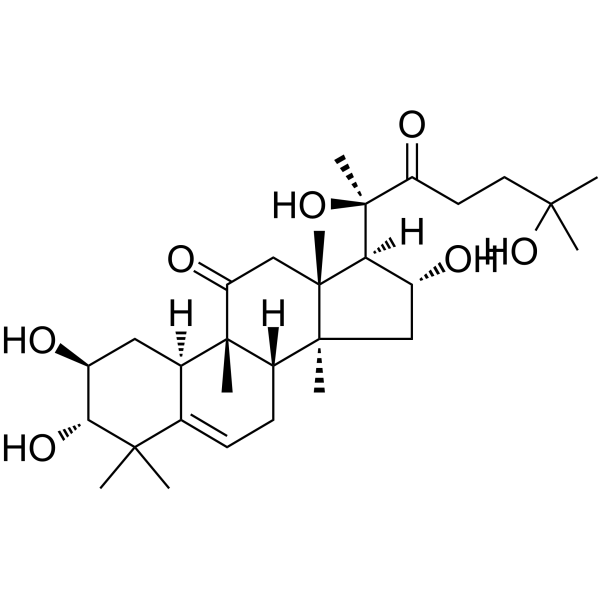
| DCZ-123 | Cucurbitacin IIb |
Cucurbitacin IIb is an active component isolated from Hemsleya amabilis, induces apoptosis with anti-inflammatory activity. Cucurbitacin IIb inhibits phosphorylation of STAT3, JNK and Erk1/2, enhances the phosphorylation of IκB and NF-κB (p65), blocks nuclear translocation of NF-κB (p65) and decreases mRNA levels of IκBα and TNF-α.
More description
|
|
| DC22327 | (20R)-Protopanaxdiol Featured |
(20R)-Protopanaxdiol has protective effect on myocardial ischemia, which may be related to improving free radicals metabolism and myocardial metabolism, decreasing plasma TXA 2 levels.
More description
|
-Protopanaxadiol.gif)
|
| DCQ-082 | 25-OH-PPD |
>98%,Standard References
More description
|
|
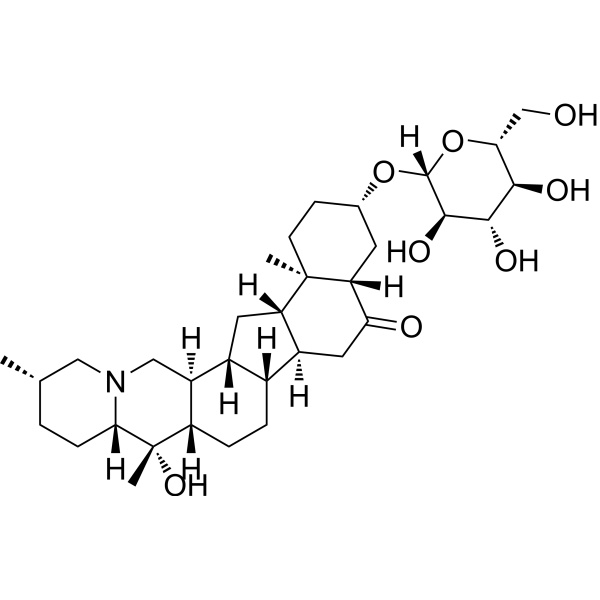
| DCX-046 | Edpetiline |
Edpetiline is an anti-inflammatory agent. Edpetiline inhibits the phosphorylation of IκB, nuclear transcription/translocation of NF-κB p65, as well as the phosphorylation of p38 MAPK and ERK MAPK. Edpetiline reduces intracellular ROS levels, inhibits the expression of TNF-α, IL-6, iNOS, COX-2, and promotes the expression of IL-4. Edpetiline is applicable to the research of diseases associated with inflammation and oxidative stress.
More description
|
|
| DCQ-066 | 13-Dehydroxyindaconintine |
>98%,Standard References
More description
|

|
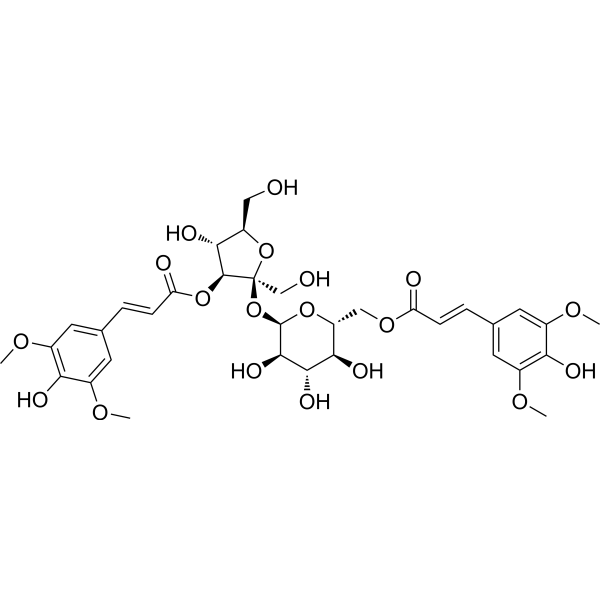
| DCF-013 | 3,′6-d isinapoyl sucrose |
3′,6-Disinapoylsucrose is a type of oligosaccharide that's effective when taken orally, and it has antidepressant, anti-anxiety, and antioxidant properties. 3′,6-Disinapoylsucrose inhibits neuronal apoptosis by lowering the ratio of Bax to Bcl-2 in hippocampal neurons, and it enhances cognitive function in APP/PS1 transgenic mice by activating the CREB/BDNF signaling pathway.
More description
|
|
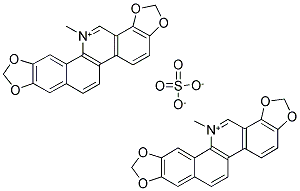
| DCZ-251 | Sanguinarine Sulfate |
>98%,Standard References
More description
|
|
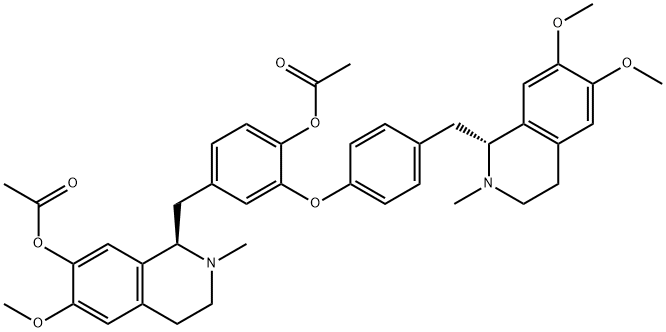
| DCY-134 | O-diacetyldaurisoline |
>98%,Standard References
More description
|
|
| DCZ-102 | 20(R)-Notoginsenoside R2 |
20(R)-Notoginsenoside R2 is an isolated notoginsenoside from Panax notoginseng.
More description
|
-Notoginsenoside R2.gif)
|
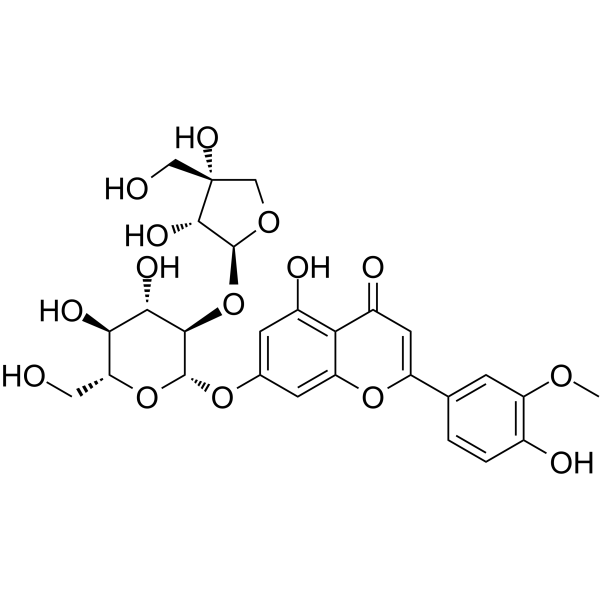
| DC45440 | 3'-Methoxyapiin |
3'-Methoxyapiin (Graveobioside B) is a flavone. 3'-Methoxyapiin can be found in Uraria crinite and celery.
More description
|
|
| DCJ-047 | 25-OCH3-Protopanaxtiol |
>98%,Standard References
More description
|
|
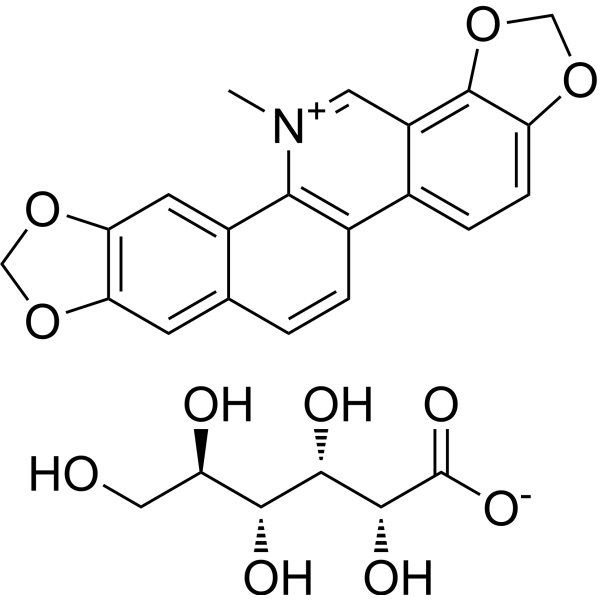
| DCJ-068 | Sanguinarine citrate |
Sanguinarine (Sanguinarin) gluconate, a benzophenanthridine alkaloid, can stimulate apoptosis via activating the production of reactive oxygen species (ROS). Sanguinarine-induced apoptosis is associated with the activation of JNK and NF-κB.
More description
|
|
| DCG-023 | Epimeredinoside A |
>98%,Standard References
More description
|
|
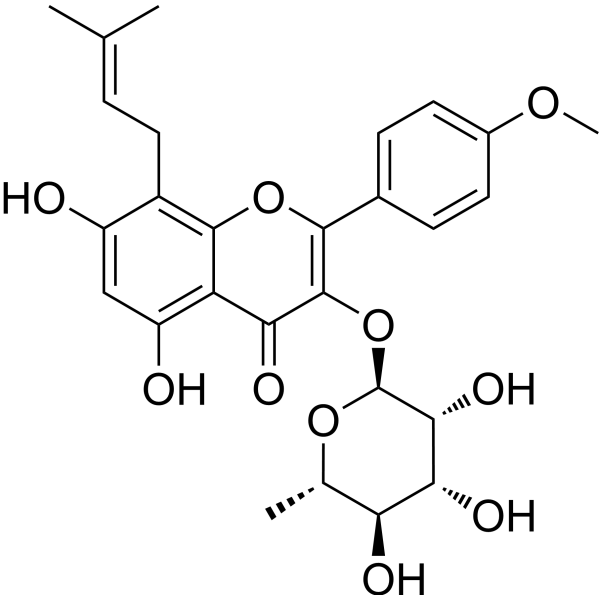
| DCY-175 | Baohuoside I |
Baohuoside I, a flavonoid isolated from Epimedium koreanum Nakai, acts as an inhibitor of CXCR4, downregulates CXCR4 expression, induces apoptosis and shows anti-tumor activity.
More description
|
|
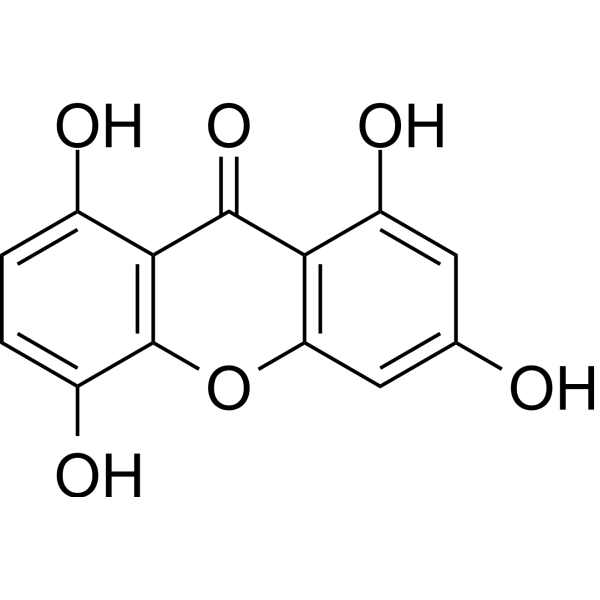
| DCS-097 | 1,3,5,8-Tetrahydroxylxanthone |
1,3,5,8-Tetrahydroxyxanthone (Desmethylbellidifolin) is a natural xanthone extracted from Swertia chirata. 1,3,5,8-Tetrahydroxyxanthone has antispasmodic effect and anti-inflammatory activity.
More description
|
|
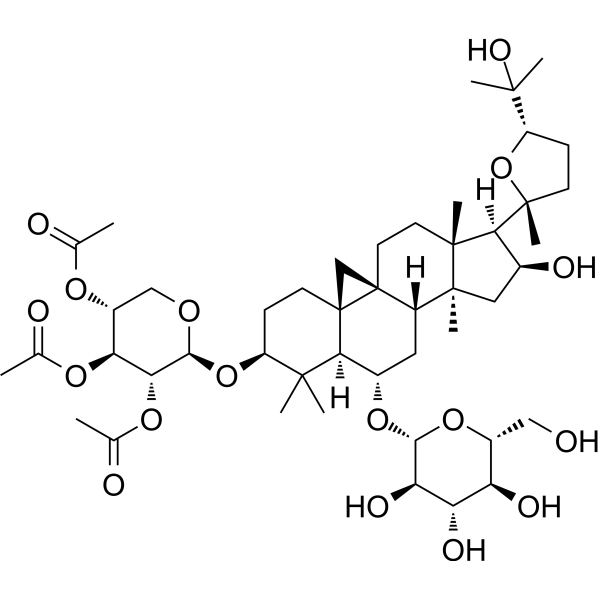
| DCY-129 | Acetylastragaloside I |
Acetylastragaloside I is a glycoside that can be isolated from the roots of Astragalus baibutensis. Acetylastragaloside I is the first cycloartane-type triterpene with remarkable trypanocidal activity with IC50 values of 9.5 and 5.0 μg/mL for T. brucei rhodesiense and T. cruzi, respectively. Acetylastragaloside I can be used for the research of trypanosome infection.
More description
|
|
| DCF-009 | beta-rosasterol |
>98%,Standard References
More description
|
|
| DCY-141 | Yejunualactone |
>98%,Standard References
More description
|
|