To enhance service speed and avoid tariff delays, we've opened a US warehouse. All US orders ship directly from our US facility.
| Cat. No. | Product Name | Field of Application | Chemical Structure |
|---|---|---|---|
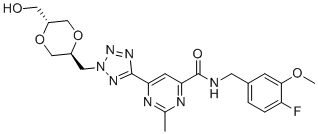
| DC22085 | Tasurgratinib Featured |
E7090 (E 7090) is a highly potent and selective orally bioavailable inhibitor targeting FGFR1, FGFR2, and FGFR3, with IC50 values of 0.71 nM, 0.50 nM, and 1.2 nM, respectively. It exhibits significantly weaker inhibition of FGFR4, with an IC50 of 120 nM. This distinct selectivity profile positions E7090 as a promising therapeutic candidate for diseases driven by aberrant FGFR1-3 signaling, offering a targeted approach to inhibit these receptors while minimizing off-target effects on FGFR4. Its oral availability further enhances its potential as a convenient and effective treatment option for patients with FGFR-dependent conditions.
More description
|

|
| DC21359 | 3-(N-butylethanimidoyl)-4-hydroxy-2H-chromen-2-one Featured |
BHC, a small-molecule inhibitor of skeletal muscle myosin, effectively suppresses muscle activity by targeting myosin function without altering membrane currents. This compound emerges from a screening process aimed at identifying molecules capable of modulating muscle movement through myosin inhibition. By specifically inhibiting myosin, BHC provides a unique mechanism for controlling muscle contractions while maintaining the integrity of cellular electrical properties.
More description
|

|
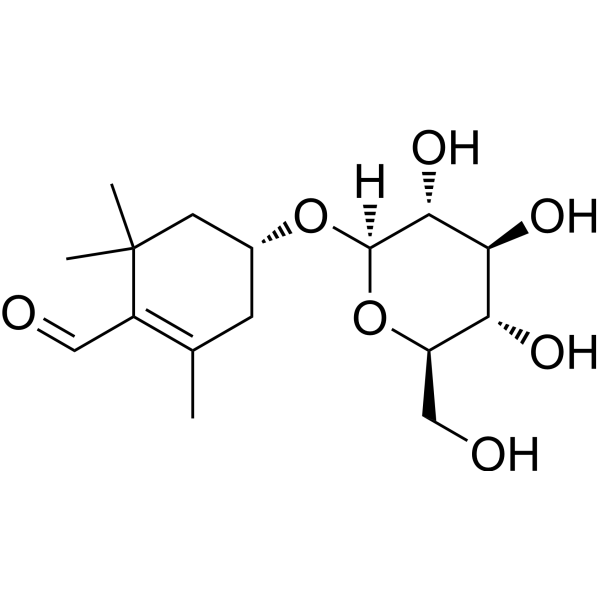
| DC32385 | Picrocrocin Featured |
Picrocrocin is a monoterpene glycoside precursor of safranal. Picrocrocin is found in the spice saffron, which comes from the crocus flower. Picrocrocin is a degradation product of the carotenoid zeaxanthin. Picrocrocin exhibits growth inhibitory effects against SKMEL- 2 human malignant melanoma cells by targeting JAK/ STAT5 signaling pathway, cell cycle arrest and mitochondrial mediated apoptosis.
More description
|
|
| DC21494 | PF-152 Featured |
PF-152 is a potent, highly selective and orally bioavailable MMP13 inhibitor with Ki of 1.5 nM, with no activity against MMP3 (Ki>10 uM).
More description
|
|
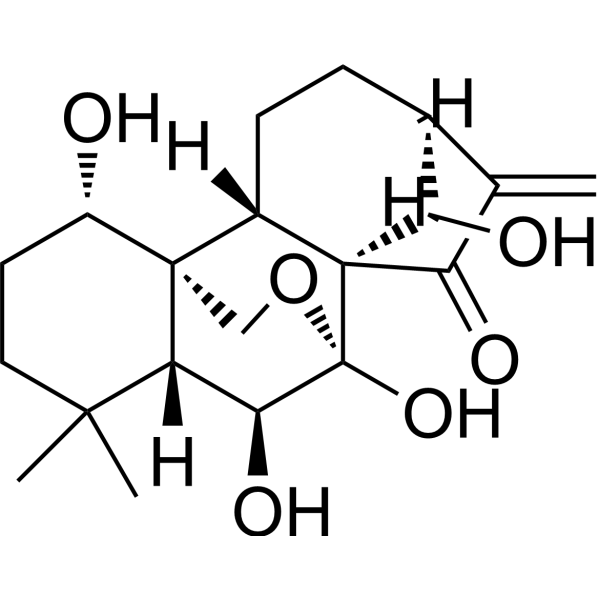
| DCD-031 | Oridonin Featured |
Oridonin (Cmpd-5, NSC 250682) is a natural ent-kaurane diterpenoid from Rabdosia rubescens identified as a first-in-class small-molecule inhibitor that directly binds β-arrestin1 and β-arrestin2 with high nanomolar to low micromolar affinity. Oridonin broadly suppresses β-arrestin recruitment, receptor desensitization, internalization, and downstream ERK signaling across multiple GPCR families, and abrogates T-cell chemotaxis.
More description
|
|
| DC74638 | GLPG3667 Featured |
GLPG3667 is an oral, reversible, and selective tyrosine kinase 2 (TYK2) inhibitor. It is being developed to treat inflammatory and auto-immune diseases. Biochemical assays showed that GLPG3667 displayed nanomolar potency on TYK2 with a selectivity over other JAK kinases >3-fold. In human PBMC, GLPG3667 showed comparable potency on the IFNα and IL-23 pathways (around 50 nM). Selectivity for TYK2 on the IFNα pathway was >14-fold and >19-fold toward the IL-2 and GM-CSF pathways in human PBMC and whole blood, respectively. Dermal ear inflammation in a mouse model of psoriasis driven by IL-23 was prevented by GLPG3667 with a minimal effective dose of 3 mg/kg given orally once daily. This effect was associated with a decrease in neutrophil infiltration and STAT3 phosphorylation at sites of inflammation. In healthy HV, GLPG3667 completely inhibited IFNα-induced STAT1 and STAT3 phosphorylation but did not impact IL-2- and GM-CSF-induced STAT5 phosphorylation.
More description
|

|
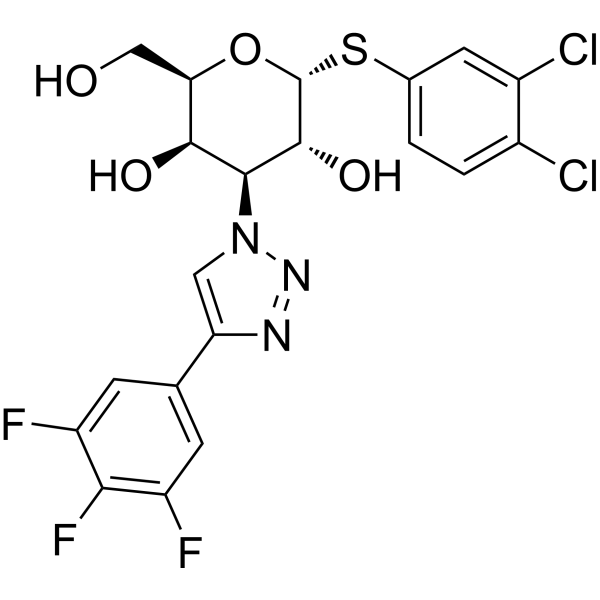
| DC22098 | GB1107 Featured |
GB1107 is a novel small-molecule inhibitor specifically designed to target galectin-3 (Gal-3), demonstrating high binding affinity and oral bioavailability.
More description
|
|
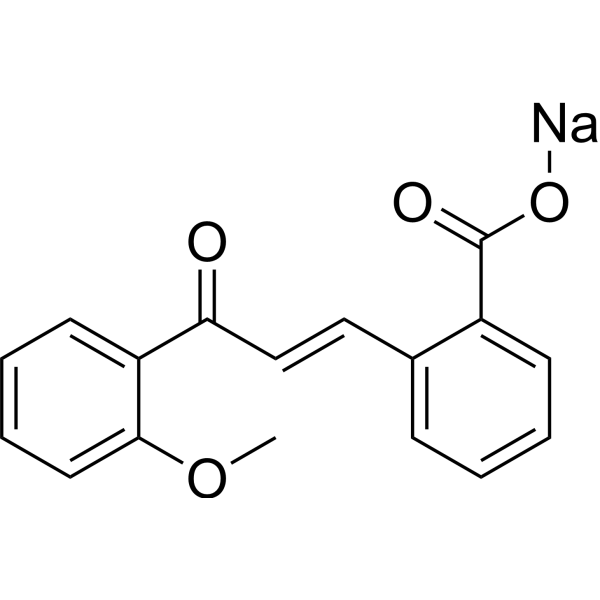
| DC22129 | HOIPIN-1(JTP-0819958;HOIP inhibitor-1) Featured |
HOIPIN-1 (JTP-0819958, HOIP inhibitor-1) is a chemical inhibitor of linear ubiquitin chain assembly complex (LUBAC, IC50=2.8 uM), specifically generates Met1-linked linear ubiquitin chains through the ubiquitin ligase activity in HOIP, and activates the N
More description
|
|
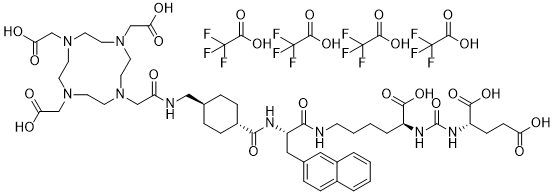
| DC75325 | PSMA-617 TFA Featured |
PSMA-617, also know as vipivotide tetraxetan, is a ligand used to make 177Lu-PSMA-617, which is a radioactive molecule to fight cancer. PSMA617 possesses a small peptide, which was designed to target prostate-specific membrane antigen (PSMA). PSMA617 demonstrates high radiolytic stability for at least 72 h. PSMA617 has high inhibition potency (equilibrium dissociation constant Ki=2.34±2.94 nM on LNCaP; Ki=0.37±0.21 nM enzymatically determined). 177 Lu-PSMA-617 offers a potential additional life-prolonging treatment option for men with mCRPC.
More description
|
|
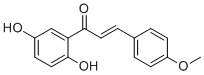
| DC74181 | SPI-21 Featured |
SPI-21 (Spt5-Pol II inhibitor 21) is a small-molecule inhibitor of Spt5-Pol II with IC50 of 25.2 uM.
More description
|
|
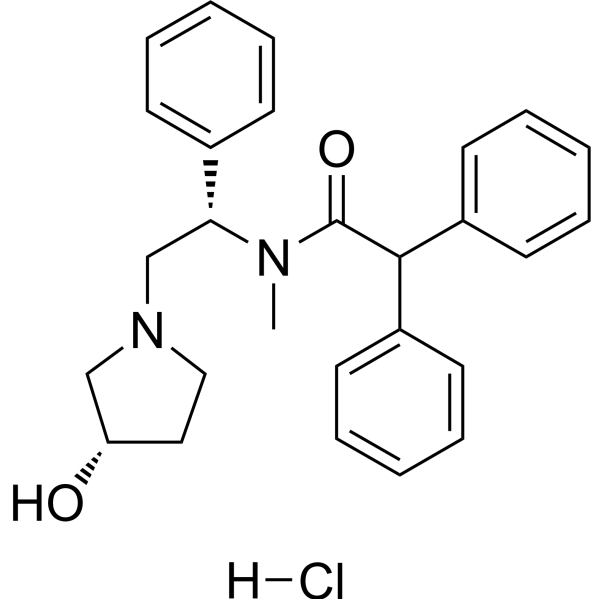
| DC33138 | N-[(1S)-2-[(3S)-3-hydroxy-1-pyrrolidinyl]-1-phenylethyl]-N-methyl-a-phenyl-benzeneacetamide hydrochloride Featured |
Asimadoline HCl is a κ-opioid receptor agonist potentially for the treatment of pruritus. Asimadoline has also been shown to be used in the treatment of irritable bowel syndrome.
More description
|
|
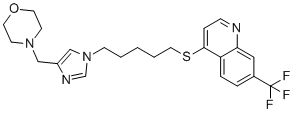
| DC74555 | GYS32661 Featured |
GYS32661 is a potent, small-molecule inhibitor of RAC1 and its isoform RAC1B, specifically designed to target the Sonic Hedgehog (Shh) signaling pathway in cancers like medulloblastoma and colorectal carcinoma. Distinguishing itself from other RAC1 inhibitors, GYS32661 exhibits exceptional blood-brain barrier (BBB) permeability with an approximately 50% brain-to-plasma ratio, making it a premier candidate for treating CNS-related malignancies. It functions by disrupting the activation of RAC1 (IC50 ≈ 1.18 μM), subsequently reducing the expression of downstream transcription factors GLI1 and GLI2, which effectively halts tumor proliferation and metastasis. In preclinical in vivo models, the compound has demonstrated significant anti-tumor efficacy and a favorable safety profile without systemic toxicity. Due to its hydrophobic nature, it is typically formulated in a vehicle of DMSO, PEG300, and saline for administration. As a non-toxic clinical candidate, GYS32661 represents a promising therapeutic strategy for overcoming chemoresistance and improving survival rates in Shh-driven pediatric and adult tumors.
More description
|
|
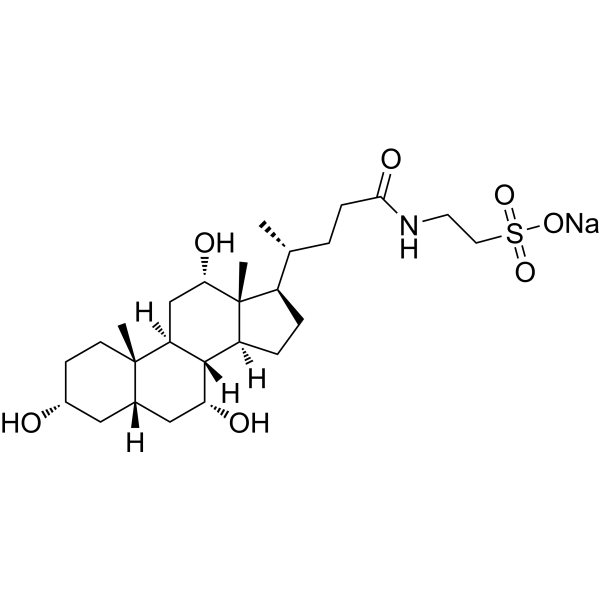
| DC33119 | Sodium taurocholate Featured |
Sodium taurocholate is a GPBAR1 protein agonist potentially for the treatment of type 2 diabetes and obesity in rats.
More description
|
|
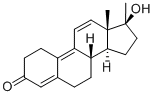
| DC23721 | Metribolone Featured |
An orally active anabolic-androgenic steroid and a 19-nortestosterone derivative that has been widely used in scientific research as a hot ligand in androgen receptor (AR) ligand binding assays (LBAs) and as a photoaffinity label for the AR..
More description
|
|
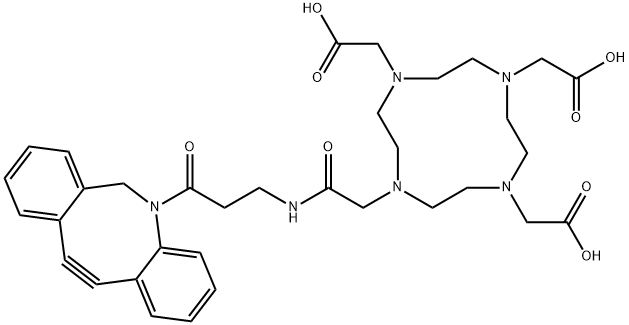
| DC21895 | DOTA-ADIBO Featured |
DOTA-ADIBO is a Click Chemistry intermidate used for antibody-drug conjugates..
More description
|
|
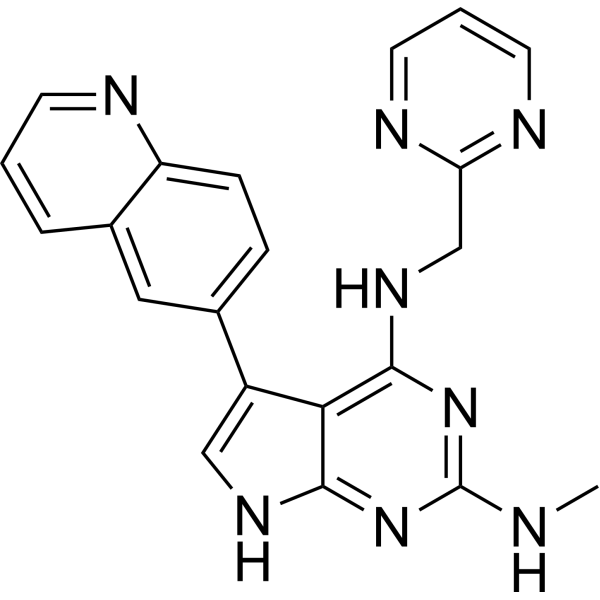
| DC77088 | T025 Featured |
T025 is as an orally available and potent inhibitor of Cdc2‐like kinases (CLKs) with an IC50s of 0.93 nM, 1 nM, 14 nM, 1.5 nM for CLK1, CLK2, CLK3, DYRK1B respectively. It exhibits anti‐tumor efficacy and can be used in MYC‐driven cancer research.
More description
|
|
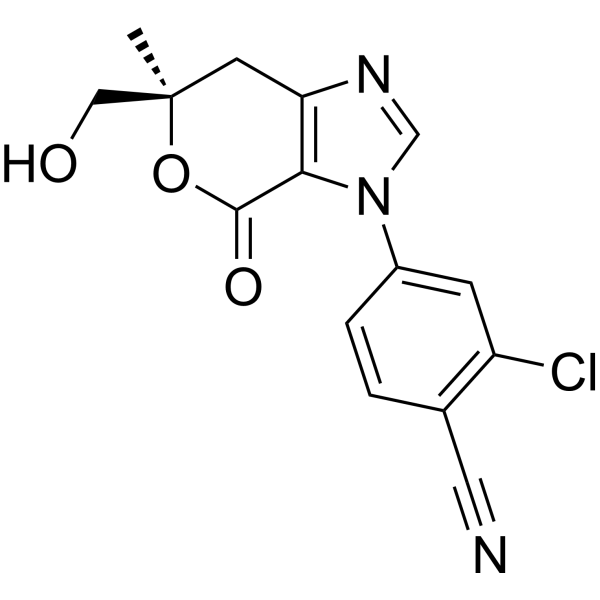
| DC77831 | Vicadrostat |
Vicadrostat (compound 29 A) is a potent and selective inhibitor of aldosterone synthase(CYP11B2) with an IC50 of 16 nM. It exhibits potential in renal disease, diabetic nephropathy, cardiovascular diseases and fibrotic disorder research.
More description
|
|
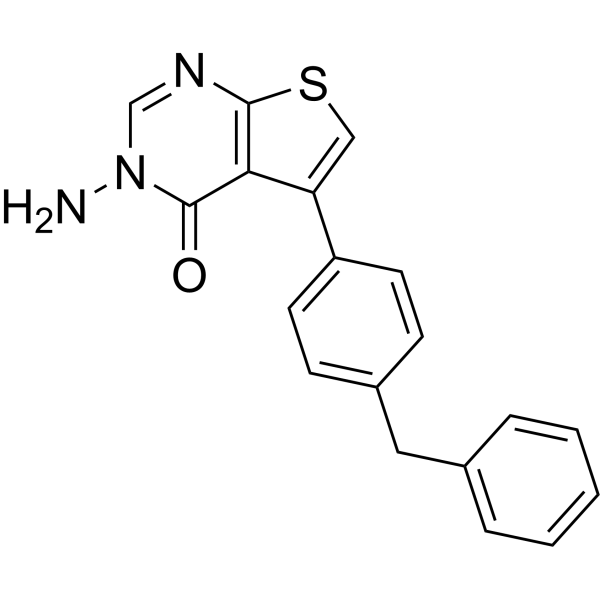
| DC20317 | Barbadin Featured |
Barbadin is a small molecule that selectively inhibits the β-arrestin/β2-adaptin interaction (IC50=19.1/15.6 uM for β-arrestin1/2) without effect on the formation of receptor/β-arrestin complexes.
More description
|
|
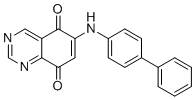
| DC21550 | QD325 Featured |
QD325 is a potent redox modulator that induces Nrf2-mediated oxidative stress and unfolded protein responses in PDAC cells (IC50=0.9 uM).
More description
|
|
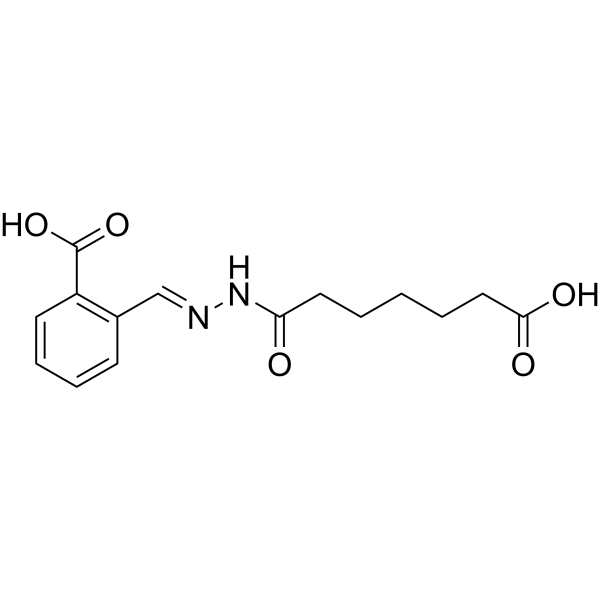
| DC9970 | IDE-1 Featured |
IDE-1 induces definitive endoderm formation in mouse and human embryonic stem cells (ESCs) (EC50 = 125 nM).
More description
|
|
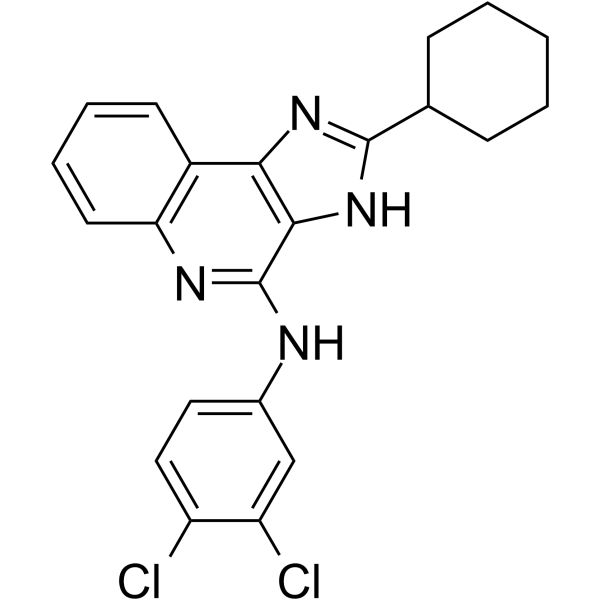
| DC22596 | LUF6000 Featured |
LUF6000 is a potent, selective, positive allosteric modulator (enhancer) of human A3 adenosine receptor, enhance Emax but without affecting agonist potency.
More description
|
|
| DC46965 | Tri-GalNAc-COOH Featured |
tri-GalNAc-COOH is an asialoglycoprotein receptor (ASGPR) ligand that can be used for LYsosome TArgeting Chimera (LYTAC) research.
More description
|

|
| DC47877 | tri-GalNAc-COOH (acetylation) Featured |
tri-GalNAc-COOH acetylation is the acetylated and modified form of tri-GalNAc-COOH. tri-GalNAc-COOH acetylation can be used for the synthesis of LYTAC.
More description
|

|
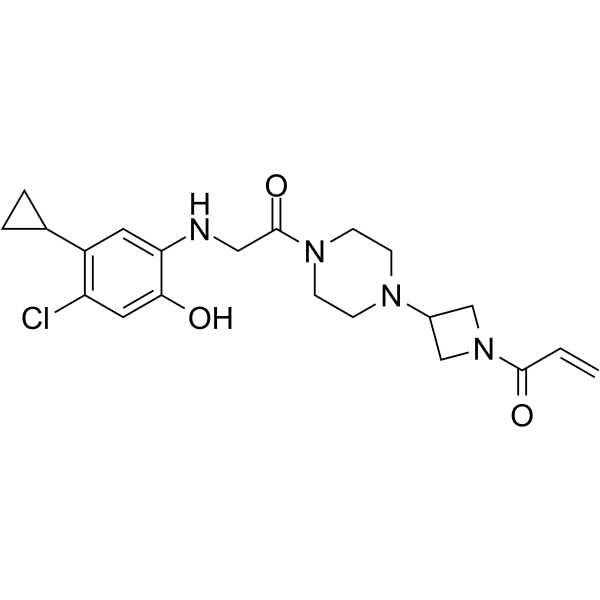
| DC22572 | K-Ras G12C-IN-2 Featured |
A novel and irreversible inhibitor of mutant K-ras G12C..
More description
|
|
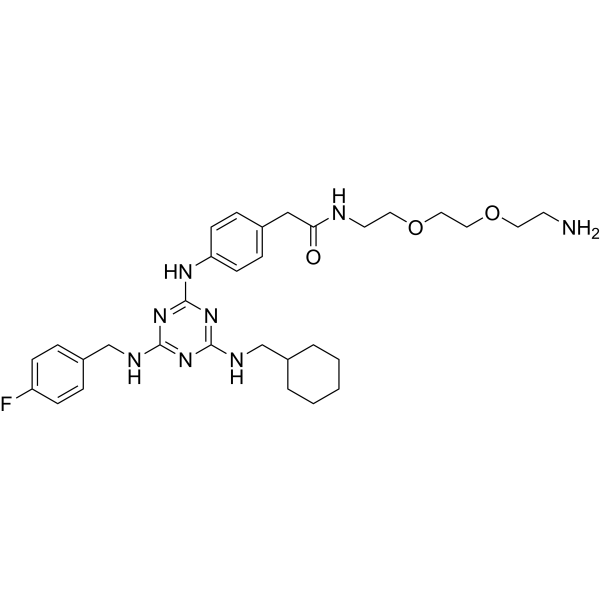
| DC7119 | AP-III-a4 Featured |
ENOblock(AP-III-a4) is a novel small molecule which is the first, nonsubstrate analogue that directly binds to enolase and inhibits its activity (IC50=0.576 uM); inhibit cancer cell metastasis in vivo.
More description
|
|
| DC26073 | BMS-986122 Featured |
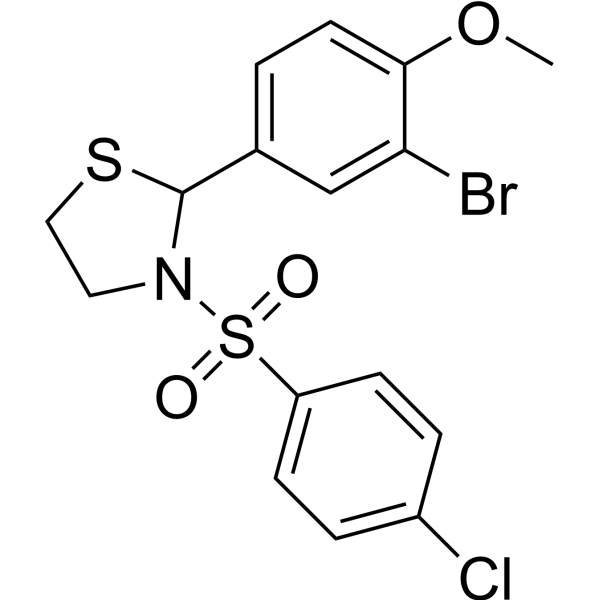
BMS-986122 is a potent positive allosteric modulator of μ-opioid receptor, significantly increases the inhibition of forskolin-stimulated adenylyl cyclase activity produced by an EC10 (30 pM) concentration of endomorphin-I in CHO-μ cells..
More description
|
|
| DC12666 | YY-20394(PI3Kδ-IN-2) Featured |
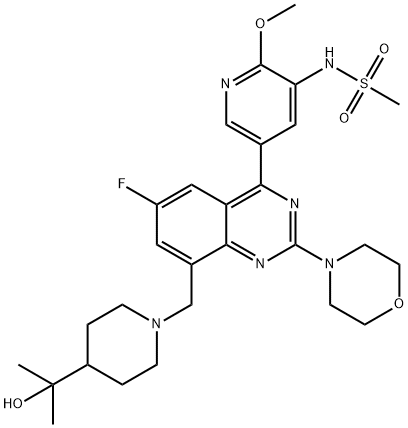
YY-20394 is a novel PI3K inhibitor suppresses tumor progression by immune modulation.
More description
|
|
| DC31663 | UNII 9JDX055TW1 Featured |
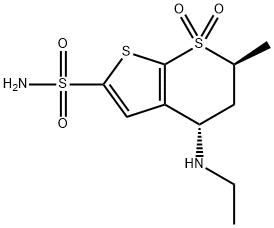
Dorzolamide is a carbonic anhydrase inhibitor. It is an anti-glaucoma agent, and acts by decreasing the production of aqueous humour. It is administered as a topical ophthalmic in the form of a 2% solution.
More description
|
|
| DC12631 | IM176OUT05 Featured |
IM176OUT05 is a novel, and safe small molecule that improves the acquisition and maintenance of stem cell pluripotency, inhibits electron transport chain (ETC) in the A549 lung carcinoma cell line with IC50 of 3.2 uM.
More description
|

|
| DC32882 | AM4113 Featured |
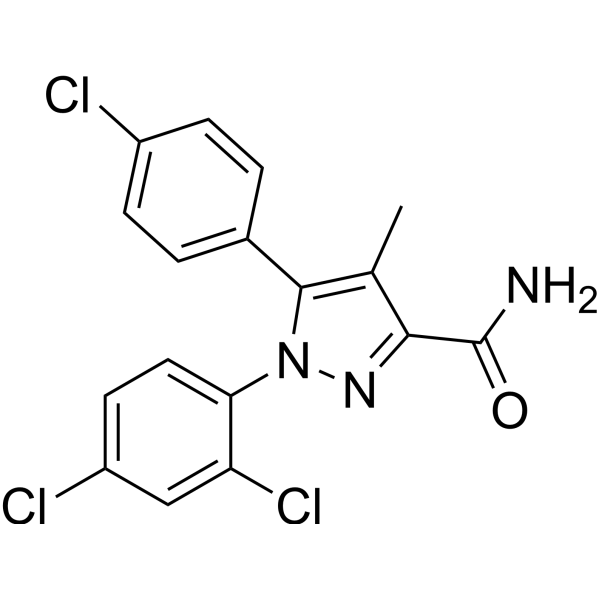
AM4113 is a cannabinoid receptor 1 (CB1)-selective antagonist.
More description
|
|