To enhance service speed and avoid tariff delays, we've opened a US warehouse. All US orders ship directly from our US facility.
| Cat. No. | Product Name | Field of Application | Chemical Structure |
|---|---|---|---|
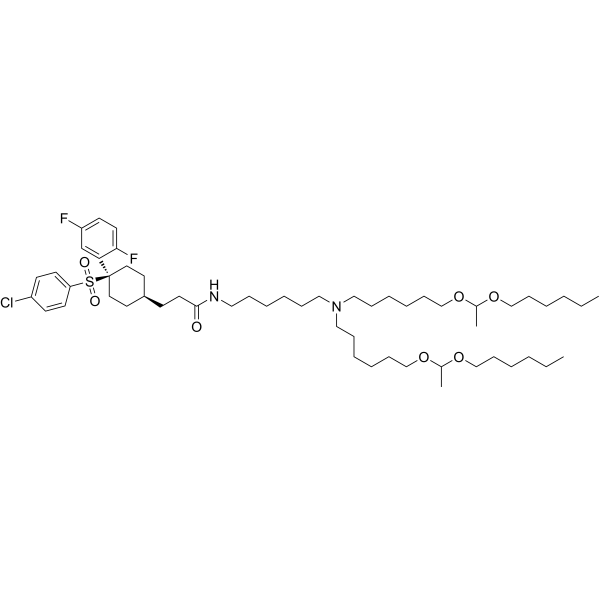
| DC67295 | Lipid MK16 Featured |
MK-16(pKa 6.86) is a specialized lipid designed to traverse the blood-brain barrier (BBB) for effective mRNA delivery. Its formulation, MK 16 BLNP, leverages dual mechanisms involving caveolae and γ-secretase to facilitate BBB penetration, ensuring the targeted and efficient transport of functional mRNA to diverse brain cell types. Demonstrating excellent tolerability across a range of dosing regimens, MK16 BLNP represents a promising platform for brain-targeted therapeutic applications.
More description
|
|
| DC49952 | 246C10 Featured |
246C10 is a synthesized ionizable lipid. 246C10 can be formulated into lipid nanoparticles (LNPs) with dioleoylphosphatidylethanolamine (DOPE), cholesterol, and C16-PEG2000 ceramide (PEG-lipid) as well as mRNA. The lipid nanoparticle formulations can be used for mRNA delivery. To obtain iLNPs that could specifically target liver sinusoidal
endothelial cells (LSECs), six different ionizable lipids (241C10
to 246C10) were synthesized by an epoxide ring-opening
reaction with piperazine- or piperidine-containing amines.
Biodistribution and gene regulation of various iLNPs were
assessed in vivo, and the results showed that the 246C10
iLNPs (containing piperazine amine) had the highest luciferase
expression in the liver. When further analyzing the
246C10 iLNPs transfection efficiency in different types of liver
cells, it was found that tdTomato fluorescence was mainly concentrated
in hepatocytes, not in LSECs. Figure 6f shows that 80%
of hepatocytes are fluorescent, 40% of LSECs are fluorescent, and
20% of Kupffer cells are fluorescent. Due to the mannose receptor
on LSECs, mannose-PEG lipid was introduced into 246C10
iLNPs to alter the distribution of iLNPs in different liver cells. As
shown in Figure 6g, tdTomato fluorescence distribution was 15%
of hepatocytes, 70% of LSECs, and 15% of Kupffer cells, significantly
improved the ability of iLNPs to actively target LSECs.
In contrast, this work indirectly shows that the iLNPs with piperazine
head lipid are more able to deliver mRNA to the liver and
translate the target protein than the iLNPs with piperidine
head lipid. It is worth mentioning that the preparation buffer of 246C10
iLNPs could influence the encapsulation efficiency of mRNA.
With the addition of sodium chloride in the citrate buffer, the
encapsulation efficiency of CRISPR-Cas9 mRNA and sgRNA
was increased. These iLNPs were able to treat hemophilia safely,
without causing hepatotoxicity, the immune response induced by
Cas9 and off-target editing.
More description
|

|
| DC60825 | lipid 11-10-8 Featured |
11-10-8 is an ionizable cationic lipid (pKa = 6.22) that has been used in the generation of lipid nanoparticles (LNPs) for mRNA delivery in vivo.1 LNPs containing 11-10-8 and encapsulating mRNA encoding the Cas9 nuclease and small-guide RNA (sgRNA) targeting transthyretin (TTR), a thyroid hormone carrier protein, decrease serum levels of TTR in mice. LNPs containing 11-10-8 and encapsulating mRNA encoding human fibroblast growth factor 21 (hFGF21) increase serum levels of hFGF21, decrease body and liver weights, and reduce the liver steatosis score in a mouse model of obesity induced by a high-fat diet.
More description
|

|
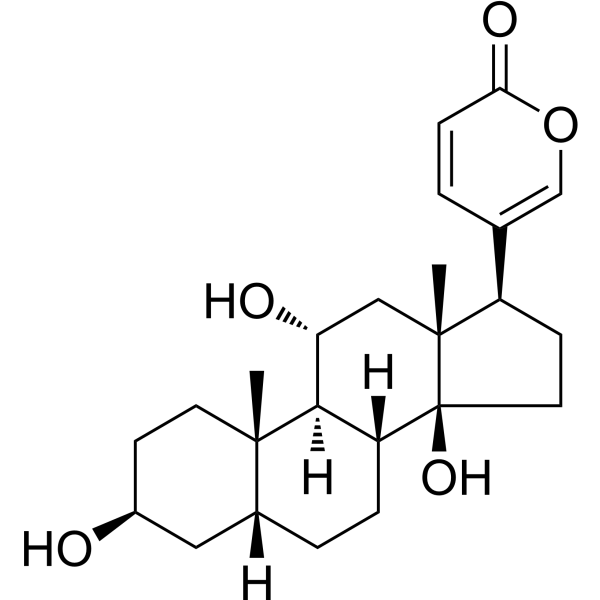
| DCR-041 | Gamabufotalin |
Gamabufotalin (Gamabufagin), a main active compound isolated from Chinese medicine Chansu, has been shown to strongly inhibit cancer cell growth and inflammatory response. Gamabufotalin could inhibite angiogenesis by inhibiting the activation of VEGFR-2 signaling pathways.
More description
|
|
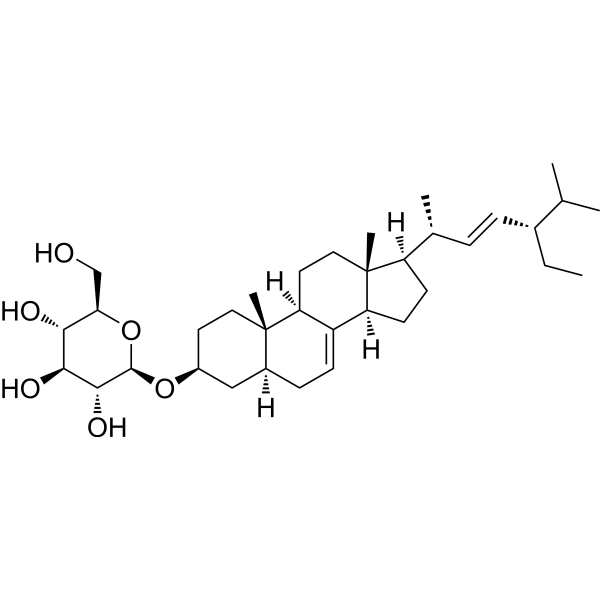
| DCB-066 | α-spinasteryl-3-O-β-D-glucoside |
α-Spinasterol-3-O-β-D-glucoside is a sterol glucoside that can be isolated from the seeds of Momordica cochinchinensis.
More description
|
|
| DC20019 | Flagelin 22(TFA) |
Flagelin 22 TFA, a fragment of bacterial flagellin, is an effective elicitor in both plants and algae.
More description
|
.gif)
|
| DCM-065 | 3-O-galloylmucic acid |
3-O-galloylmucic acid is a natural flavonoid that can be found in Ardisia splendens.
More description
|
-α-L-rhamnopyranoside.gif)
|
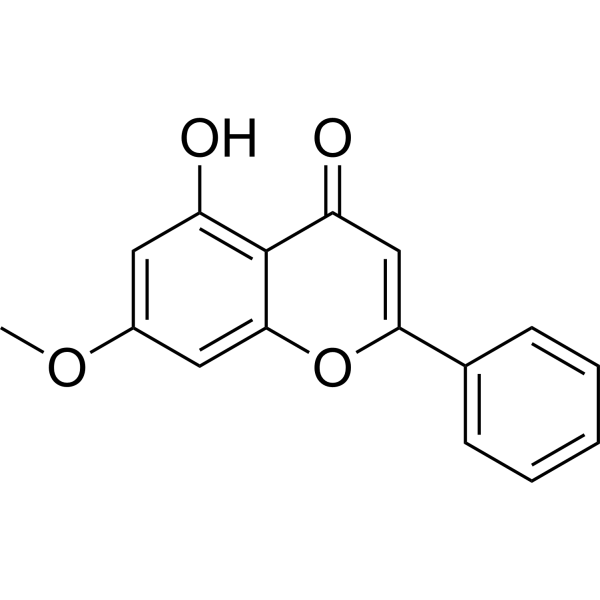
| DCZ-292 | Tectochrysin |
Tectochrysin (Techtochrysin) is one of the major flavonoids of Alpinia oxyphylla Miquel. Tectochrysin inhibits activity of NF-κB.
More description
|
|
| DCJ-026 | Worenine chloride |
>98%,Standard References
More description
|

|
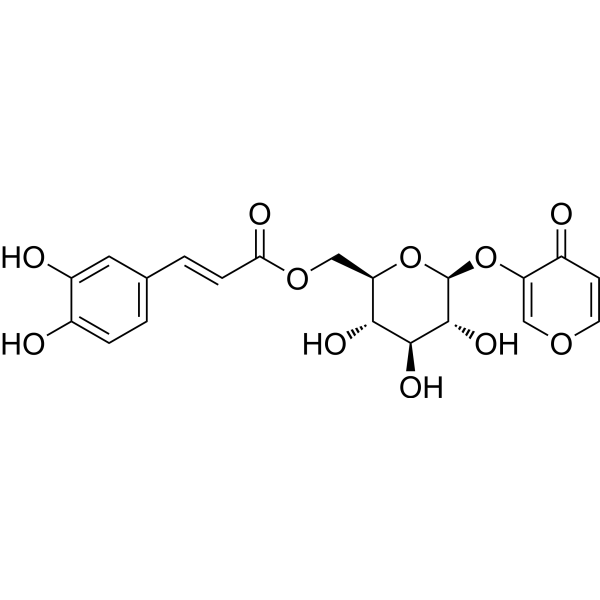
| DCD-075 | Erigeside I |
Erigeside I is a free radical scavenger isolated from Erigeron breviscapus.
More description
|
|
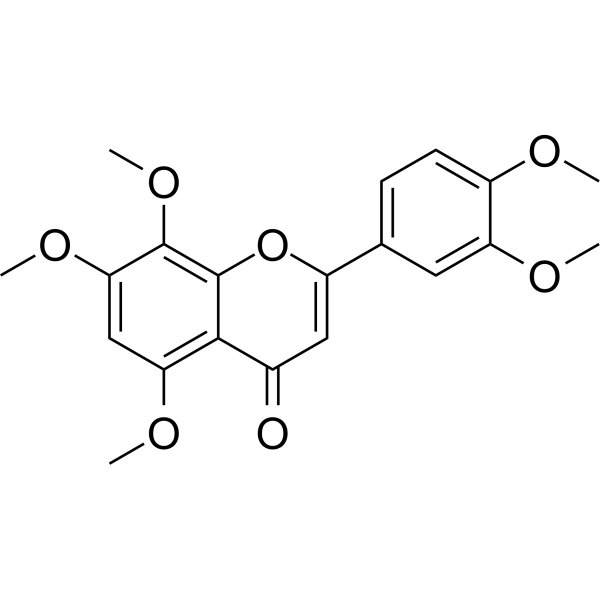
| DCY-159 | Isosinensetin |
Isosinensetin is a flavonoid compound and an inhibitor of HIV-1 protease and PTP1B (IC50: 2.61 µM; Ki: 0.92 µM). Isosinensetin inhibits P-glycoprotein (P-gp) in MDR1-MDCKII cells. Isosinensetin has multiple activities such as anti-tumor, anti-viral, anti-inflammatory, and antioxidant effects.
More description
|
|
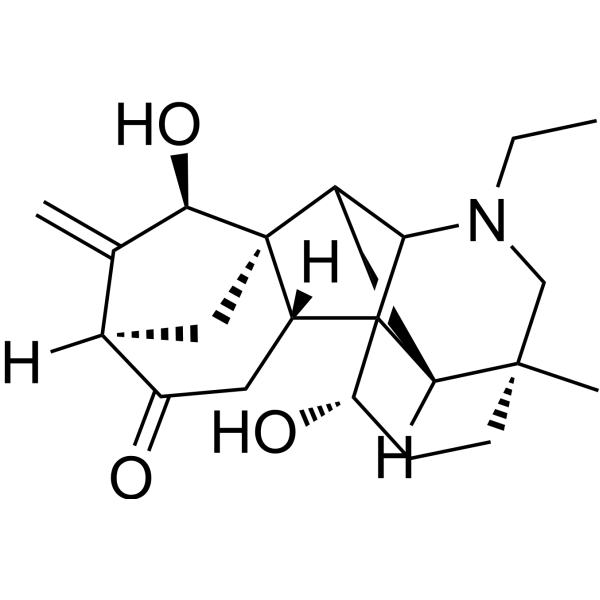
| DCZ-289 | Songorine |
Songorine is a BBB-permeable diterpenoid alkaloid isolated from the genus Aconitum. Songorine is a GABAA receptor antagonist in rat brain and has anti cancer, antiarrhythmic and anti-inflammatory activities. Songorine has the potential for the treatment of Epithelial ovarian cancer (EOC).
More description
|
|
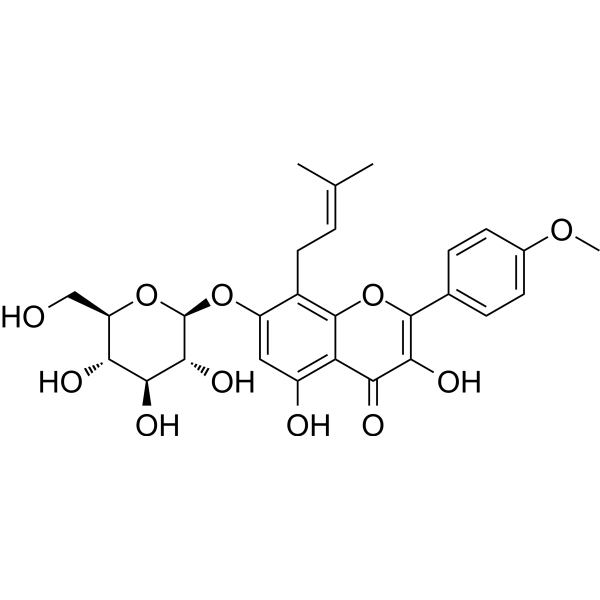
| DC12286 | Icariside I Featured |
Icariside I is a metabolite of Icarlin, which could regulate bone remodeling and is recognized as an effective agent for the treatment of osteoporosis.
More description
|
|
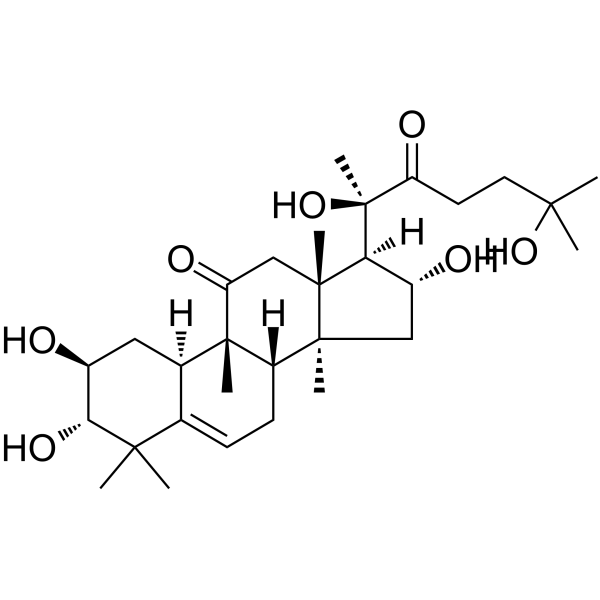
| DCZ-123 | Cucurbitacin IIb |
Cucurbitacin IIb is an active component isolated from Hemsleya amabilis, induces apoptosis with anti-inflammatory activity. Cucurbitacin IIb inhibits phosphorylation of STAT3, JNK and Erk1/2, enhances the phosphorylation of IκB and NF-κB (p65), blocks nuclear translocation of NF-κB (p65) and decreases mRNA levels of IκBα and TNF-α.
More description
|
|
| DC22327 | (20R)-Protopanaxdiol Featured |
(20R)-Protopanaxdiol has protective effect on myocardial ischemia, which may be related to improving free radicals metabolism and myocardial metabolism, decreasing plasma TXA 2 levels.
More description
|
-Protopanaxadiol.gif)
|
| DCQ-082 | 25-OH-PPD |
>98%,Standard References
More description
|
|
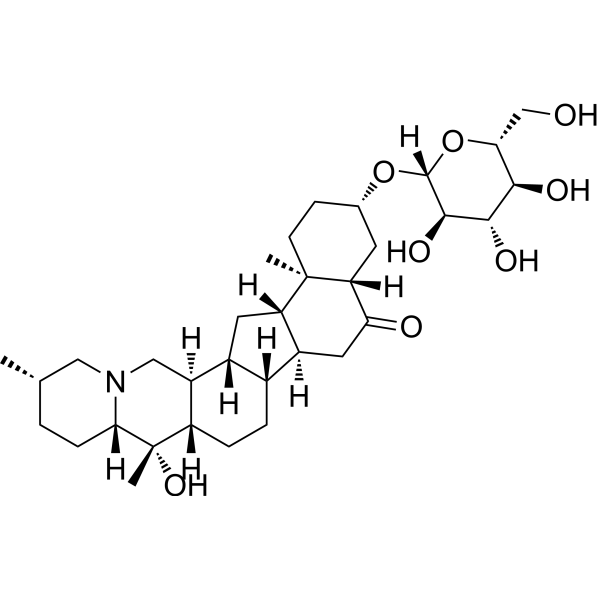
| DCX-046 | Edpetiline |
Edpetiline is an anti-inflammatory agent. Edpetiline inhibits the phosphorylation of IκB, nuclear transcription/translocation of NF-κB p65, as well as the phosphorylation of p38 MAPK and ERK MAPK. Edpetiline reduces intracellular ROS levels, inhibits the expression of TNF-α, IL-6, iNOS, COX-2, and promotes the expression of IL-4. Edpetiline is applicable to the research of diseases associated with inflammation and oxidative stress.
More description
|
|
| DCQ-066 | 13-Dehydroxyindaconintine |
>98%,Standard References
More description
|

|
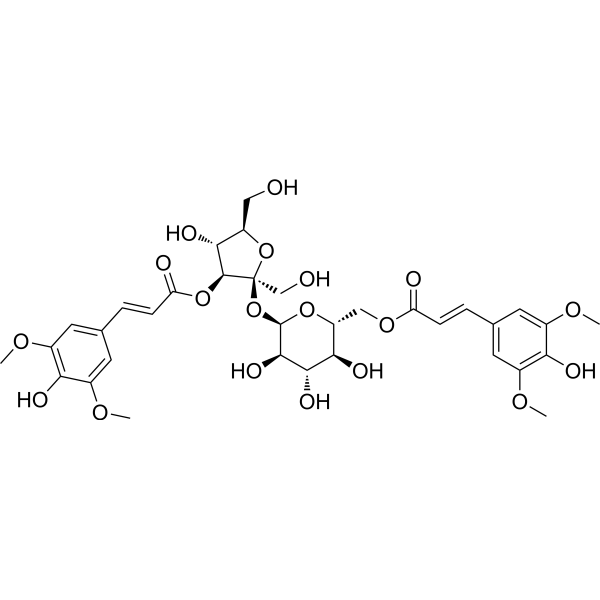
| DCF-013 | 3,′6-d isinapoyl sucrose |
3′,6-Disinapoylsucrose is a type of oligosaccharide that's effective when taken orally, and it has antidepressant, anti-anxiety, and antioxidant properties. 3′,6-Disinapoylsucrose inhibits neuronal apoptosis by lowering the ratio of Bax to Bcl-2 in hippocampal neurons, and it enhances cognitive function in APP/PS1 transgenic mice by activating the CREB/BDNF signaling pathway.
More description
|
|
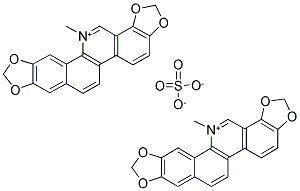
| DCZ-251 | Sanguinarine Sulfate |
>98%,Standard References
More description
|
|
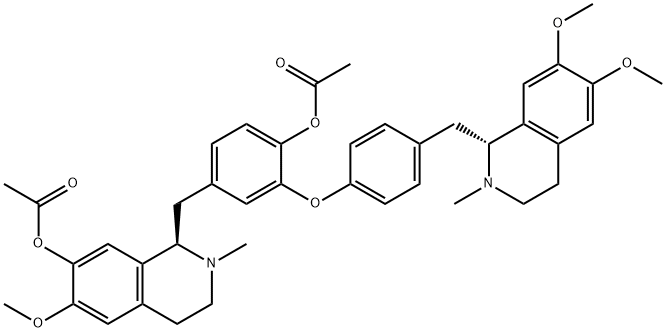
| DCY-134 | O-diacetyldaurisoline |
>98%,Standard References
More description
|
|
| DCZ-102 | 20(R)-Notoginsenoside R2 |
20(R)-Notoginsenoside R2 is an isolated notoginsenoside from Panax notoginseng.
More description
|
-Notoginsenoside R2.gif)
|
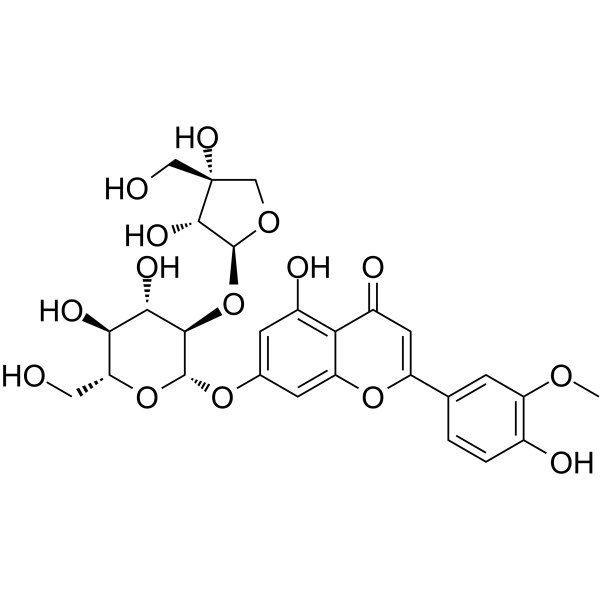
| DC45440 | 3'-Methoxyapiin |
3'-Methoxyapiin (Graveobioside B) is a flavone. 3'-Methoxyapiin can be found in Uraria crinite and celery.
More description
|
|
| DCJ-047 | 25-OCH3-Protopanaxtiol |
>98%,Standard References
More description
|
|
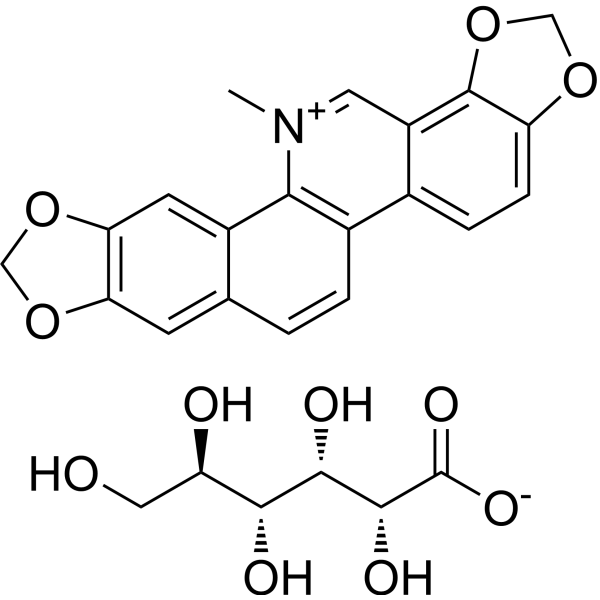
| DCJ-068 | Sanguinarine citrate |
Sanguinarine (Sanguinarin) gluconate, a benzophenanthridine alkaloid, can stimulate apoptosis via activating the production of reactive oxygen species (ROS). Sanguinarine-induced apoptosis is associated with the activation of JNK and NF-κB.
More description
|
|
| DCG-023 | Epimeredinoside A |
>98%,Standard References
More description
|
|
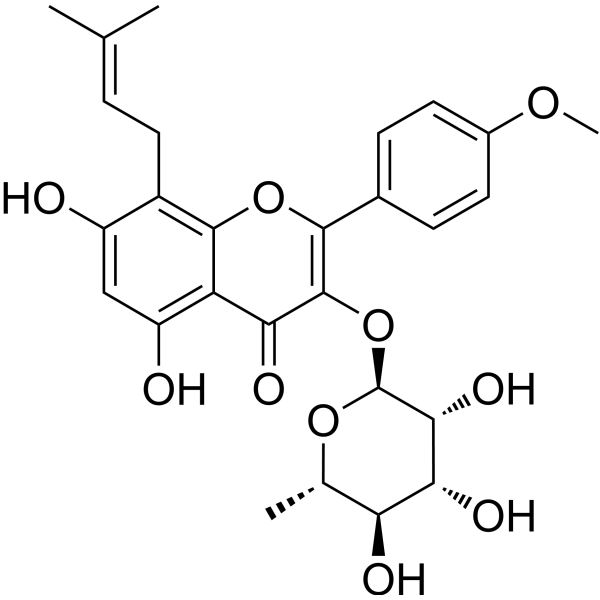
| DCY-175 | Baohuoside I |
Baohuoside I, a flavonoid isolated from Epimedium koreanum Nakai, acts as an inhibitor of CXCR4, downregulates CXCR4 expression, induces apoptosis and shows anti-tumor activity.
More description
|
|
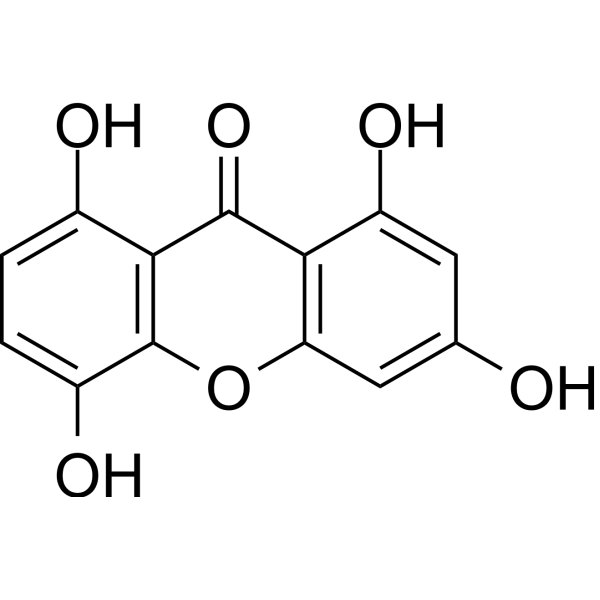
| DCS-097 | 1,3,5,8-Tetrahydroxylxanthone |
1,3,5,8-Tetrahydroxyxanthone (Desmethylbellidifolin) is a natural xanthone extracted from Swertia chirata. 1,3,5,8-Tetrahydroxyxanthone has antispasmodic effect and anti-inflammatory activity.
More description
|
|
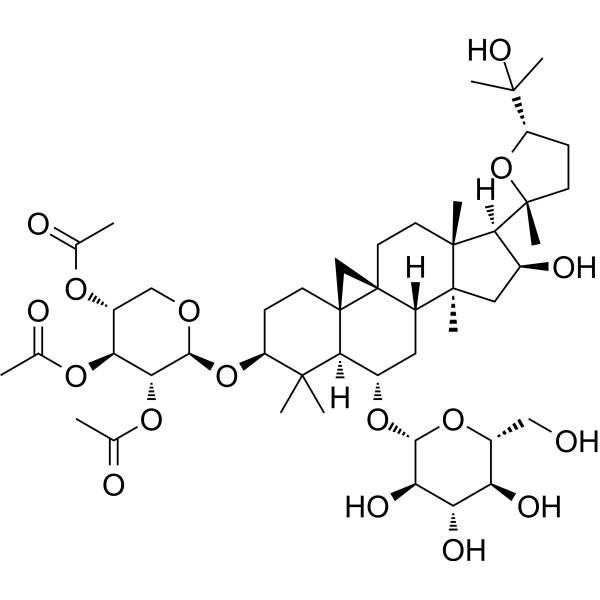
| DCY-129 | Acetylastragaloside I |
Acetylastragaloside I is a glycoside that can be isolated from the roots of Astragalus baibutensis. Acetylastragaloside I is the first cycloartane-type triterpene with remarkable trypanocidal activity with IC50 values of 9.5 and 5.0 μg/mL for T. brucei rhodesiense and T. cruzi, respectively. Acetylastragaloside I can be used for the research of trypanosome infection.
More description
|
|
| DCF-009 | beta-rosasterol |
>98%,Standard References
More description
|
|