To enhance service speed and avoid tariff delays, we've opened a US warehouse. All US orders ship directly from our US facility.
| Cat. No. | Product Name | Field of Application | Chemical Structure |
|---|---|---|---|
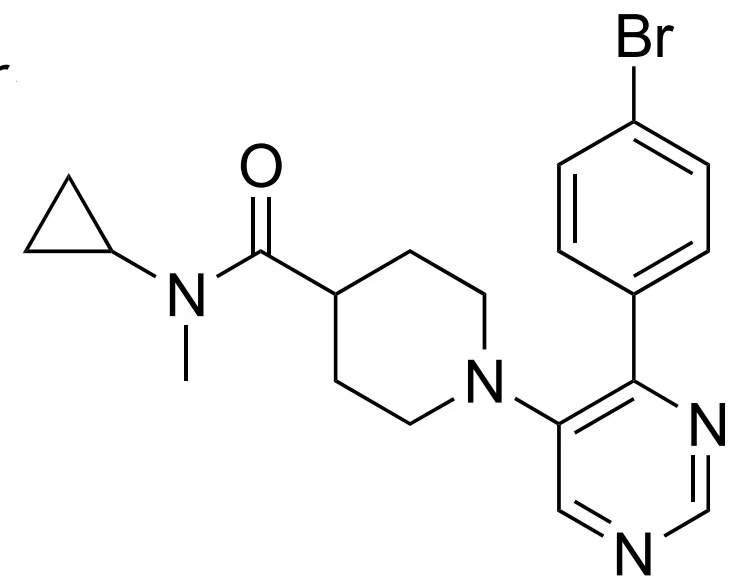
| DC60791 | Cholestify Precursor Featured |
Precursor of Cholestify,18F-Cholestify, which binds cytochrome P450 46A1, detected cholesterol breakdown in the mammalian brain. CYP46A1 converts cholesterol to 24-hydroxycholesterol, a form easily eliminated from the brain.
More description
|
|
| DC65709 | PS-13 precursor 19 Featured |
PS-13 Precursor 19 is a critical intermediate in the synthesis of PS-13, a highly potent and selective COX-1 inhibitor. PS-13's exceptional selectivity for COX-1 over COX-2 makes it a promising compound for both therapeutic development and research applications focused on understanding COX-1-mediated processes.
More description
|

|
| DC60608 | SL25.1188 precursor Featured |
SL25.1188 Precursor is a key intermediate in the synthesis of SL25.1188, a reversible and selective MAO-B radioligand. The radiolabeled form, [¹¹C]SL25.1188, is a promising PET imaging agent for studying MAO-B in the brain, with applications in neurodegenerative disease research and drug development. Its reversible binding and high selectivity make it a valuable tool for understanding MAO-B's role in health and disease.
More description
|

|
| DC66464 | 3BP-3940 Featured |
3BP-3940 is a highly potent FAP-targeting peptide with significant potential in theranostics. Its ability to be coupled with diagnostic and therapeutic radionuclides makes it a versatile tool for tumor imaging, targeted therapy, and treatment monitoring. By focusing on the tumor stroma, 3BP-3940 offers a promising approach to improving cancer diagnosis and treatment, particularly for cancers with prominent stromal involvement. As research progresses, 3BP-3940 could play a key role in advancing precision oncology.
More description
|

|
| DC71440 | FAP-2286 Featured |
FAP-2286 is a highly promising FAP-targeting theranostic agent with potent affinity for FAP, versatile radionuclide coupling capabilities, and demonstrated antitumor activity. Its ability to serve as both a diagnostic imaging agent and a therapeutic tool makes it a valuable asset in oncology, particularly for cancers with prominent stromal involvement. As research progresses, FAP-2286 has the potential to significantly advance cancer diagnosis, treatment, and research, offering new hope for patients with FAP-expressing tumors.
More description
|

|
| DC65339 | HBED-CC-tris(tBu) ester Featured |

|
|
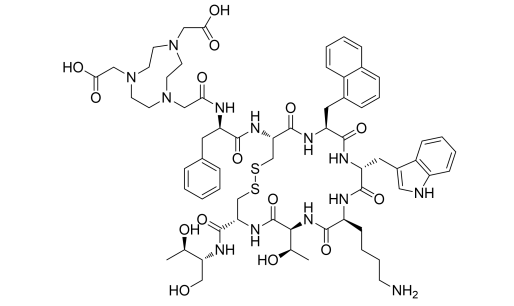
| DC67284 | NOTA-NOC Featured |
|
|
| DC74649 | NOTA-TATE Featured |

|
|
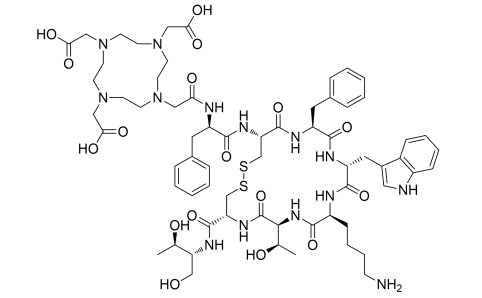
| DC67285 | DOTA-Octreotide Featured |
|
|
| DC66461 | SH-FAPI-4 Featured |
SH-FAPI-4 is a specific fibroblast activation protein inhibitor (FAPI) compound that belongs to the FAPI family of molecules. SH-FAPI-4 is expected to selectively accumulate in FAP-positive tumors and disrupt the functions of cancer-associated fibroblasts (CAFs) within the tumor microenvironment. By inhibiting FAP activity, this compound aims to potentially slow tumor growth, enhance the efficacy of other cancer treatments, and modulate the tumor microenvironment.
More description
|

|
| DC66463 | FAPI-46-NOTA Featured |
NOTA-FAPI-46 is an analogue of FAPI-46 (MedKoo Cat#207189). NOTA-FAPI-46 is useful in the diagnosis or treatment of a disease characterized by overexpression of fibroblast activation protein (FAP). NOTA-FAPI-46 can be used as a PET tracer for detection of diseases or disorders related to fibroblast activation protein.
More description
|

|
| DC65648 | Retatrutide (LY3437943) Featured |
LY3437943 is a triple agonist peptide of the glucagon receptor (GCGR), glucosedependent insulinotropic polypeptide receptor (GIPR), and glucagon-like peptide-1 receptor (GLP-1R). LY3437943 inhibits for human GCGR, GIPR, and GLP-1R with EC50 values of 5.79, 0.0643 and 0.775 nM, respectively. LY3437943 can be used for the research of obesity.
More description
|

|
| DC72952 | Savirin Featured |
Savirin (S. aureus virulence inhibitor) is a small molecule that targets the agr (accessory gene regulator) quorum sensing system in Staphylococcus aureus (S. aureus). The agr system is a key regulatory pathway that controls the expression of virulence factors in S. aureus, which are critical for its pathogenicity. The system involves a two-component signal transduction pathway consisting of AgrC (a histidine kinase) and AgrA (a response regulator).
More description
|

|
| DC74218 | UT-59 Featured |
UT-59 is a specific inhibitor that targets the cholesterol-sensing membrane protein Scap (SREBP cleavage-activating protein). It functions by binding to Scap's cholesterol-binding site, which prevents Scap from interacting with SREBPs (sterol regulatory element-binding proteins). This inhibition blocks the activation of SREBPs, which are key transcription factors involved in lipid and cholesterol biosynthesis. As a result, UT-59 effectively suppresses lipid synthesis, making it a potential therapeutic candidate for conditions associated with dysregulated lipid metabolism, such as hyperlipidemia, atherosclerosis, or metabolic disorders.
More description
|

|
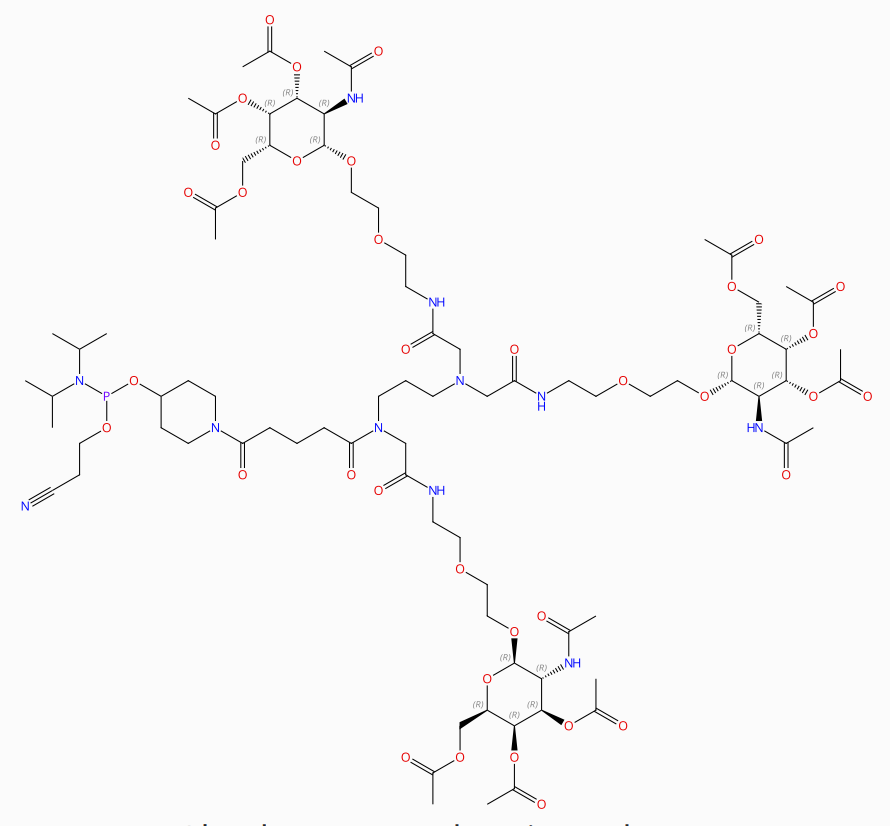
| DC67296 | Galnac GLS-15 Featured |
GLS-15 is a novel GalNAc-derived small molecule structure designed for siRNA delivery.
More description
|
|
| DC74445 | FL-1607 Featured |
FL-1607, a novel Fam20C inhibitor, has shown remarkable anti-proliferative effects in triple-negative breast cancer (TNBC) cells. This compound induces apoptosis and significantly reduces the migration ability of MDA-MB-468 cells, underscoring its potential as a promising therapeutic agent for TNBC treatment.
More description
|

|
| DC60580 | Endosidin5(ES5) Featured |
Endosidine 5 (ES5), is one of the most potent small molecules interferes with recycling endosomes through Annexin A6, thereby promoting the release and expression of mRNA into the cytoplasm. The delivered mRNAs is greatly enhanced via inhibition of endocytic recycling in cells and in live mice. NAV2729 (NAV) and endosidin 5 (ES5), resulted in significant enhancement (1.5–2 folds) of LNP-mediated delivery of Fluc mRNAs. Incubation of NAV and ES5 together caused modest further increases in Fluc expression in comparison to the sole application of either compound.
More description
|

|
| DC22085 | Tasurgratinib Featured |
E7090 (E 7090) is a highly potent and selective orally bioavailable inhibitor targeting FGFR1, FGFR2, and FGFR3, with IC50 values of 0.71 nM, 0.50 nM, and 1.2 nM, respectively. It exhibits significantly weaker inhibition of FGFR4, with an IC50 of 120 nM. This distinct selectivity profile positions E7090 as a promising therapeutic candidate for diseases driven by aberrant FGFR1-3 signaling, offering a targeted approach to inhibit these receptors while minimizing off-target effects on FGFR4. Its oral availability further enhances its potential as a convenient and effective treatment option for patients with FGFR-dependent conditions.
More description
|

|
| DC13591 | azido-acetal linker(Acid-degradable liker) Featured |
Azido-acetal linker is stable at physiological pH (7.4) but rapidly hydrolyzes in the acidic environment of endosomes useful as a fragment of lipid synthesis.
More description
|

|
| DC67161 | MPEG-2000-DPPE Na Featured |
DPPE-MPEG(2000) is a PEGylated form of 1,2-dipalmitoyl-rac-glycero-3-PE (DPPE). It has been used in the synthesis of anionic liposomes for drug redistribution and toxicity prevention.
More description
|

|
| DC21359 | 3-(N-butylethanimidoyl)-4-hydroxy-2H-chromen-2-one Featured |
BHC, a small-molecule inhibitor of skeletal muscle myosin, effectively suppresses muscle activity by targeting myosin function without altering membrane currents. This compound emerges from a screening process aimed at identifying molecules capable of modulating muscle movement through myosin inhibition. By specifically inhibiting myosin, BHC provides a unique mechanism for controlling muscle contractions while maintaining the integrity of cellular electrical properties.
More description
|

|
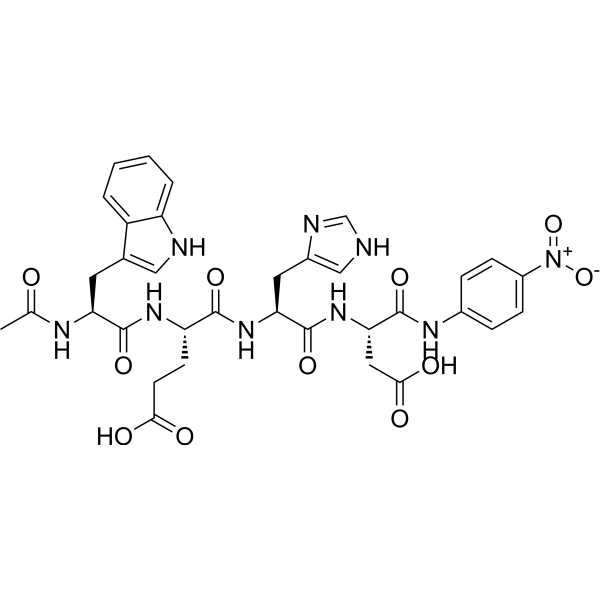
| DC20235 | Ac-WEHD-pNA(substrate for caspase-1 and caspase-4) Featured |
Ac-WEAD-pNA is a colorimetric substrate for caspase-1 and caspase-4.
More description
|
|
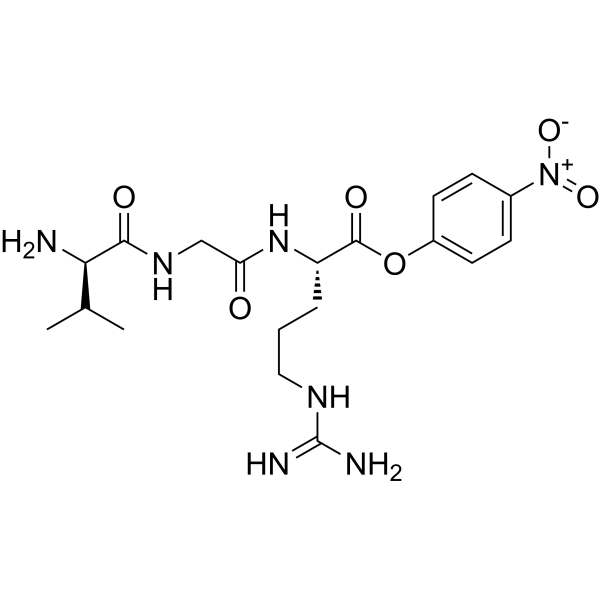
| DC67293 | D-Val-Gly-Arg-pNA Featured |
D-Val-Gly-Arg-p-nitroaniline (D-VGR-pNA) is a synthetic chromogenic peptide substrate specifically designed for assessing the enzymatic activity of tissue plasminogen activator (tPA), including its isoforms tPA I and tPA II. Upon cleavage by tPA, the release of p-nitroaniline (pNA) generates a measurable colorimetric signal, enabling precise quantification of amidolytic activity. This substrate is widely utilized in biochemical assays to study tPA’s role in fibrinolysis and to evaluate its enzymatic kinetics in both research and diagnostic applications.
More description
|
|
| DC41802 | RETF-4NA TFA Featured |
RETF-4NA TFA, a highly sensitive and selective substrate for chymase, effectively measures chymase activity both in its free form and when complexed with α2-macroglobulin (α2M). Its specificity makes it a valuable tool for studying chymase-related biochemical processes.
More description
|

|
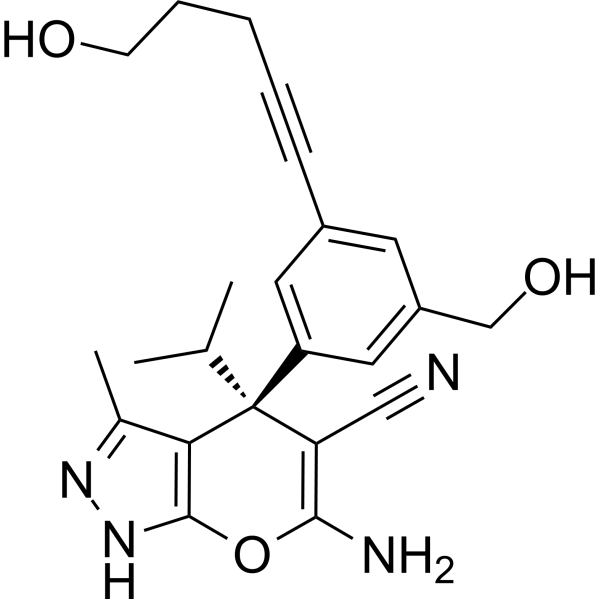
| DC72456 | (+)SHIN2 Featured |
(+)SHIN2 is a serine hydroxymethyltransferase (SHMT) inhibitor, whose target can be traced with 13C-serine. (+)SHIN2 increases survival in NOTCH1-driven mouse primary acute lymphoblastic leukemia (T-ALL) in vivo with a synergistic effect with Methotrexate.
More description
|
|
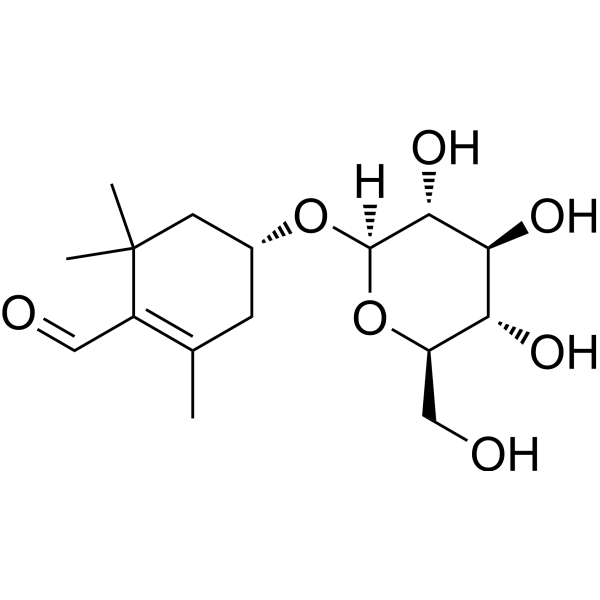
| DC32385 | Picrocrocin Featured |
Picrocrocin is a monoterpene glycoside precursor of safranal. Picrocrocin is found in the spice saffron, which comes from the crocus flower. Picrocrocin is a degradation product of the carotenoid zeaxanthin. Picrocrocin exhibits growth inhibitory effects against SKMEL- 2 human malignant melanoma cells by targeting JAK/ STAT5 signaling pathway, cell cycle arrest and mitochondrial mediated apoptosis.
More description
|
|
| DC67653 | Imidazole cholesteryl Easter(ICE) Featured |
**Imidazole cholesterol ester (ICE)** is a sterol‑based ionizable cationic lipid invented by Translate‑Bio (WO2018/089790 A1) for mRNA‑loaded lipid‑nanoparticle (LNP) pulmonary delivery. It fuses an imidazole pH‑responsive headgroup with cholesterol via ester linkage. Typically formulated as a three‑component LNP (ICE : DOPE : DMG‑PEG2K = 60 : 35 : 5 mol ratio), ICE‑LNPs achieve high mRNA encapsulation (>80‑90 %), good nebulization stability and low toxicity. Upon cellular uptake, imidazole mediates endosomal escape; the ester bond degrades to yield cholesterol, conferring favorable biocompatibility. Animal studies demonstrate robust CFTR protein expression in bronchial and alveolar lung tissue after inhalation, making ICE promising for cystic‑fibrosis mRNA therapy.
More description
|
.png)
|
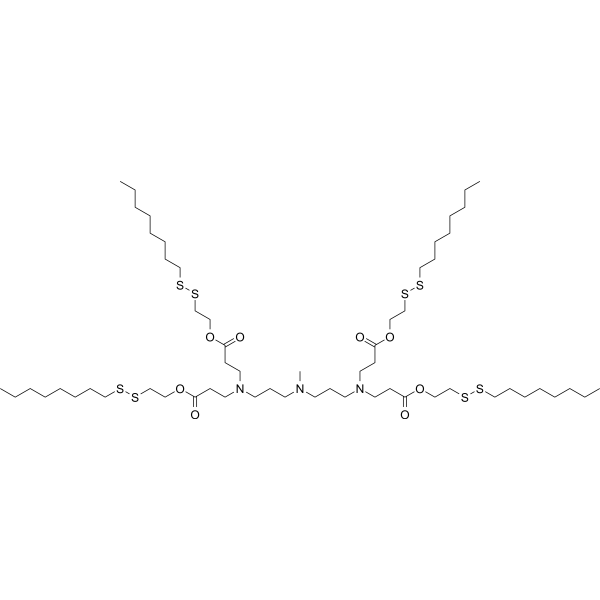
| DC80072 | 306-O12B (Triscormin) Featured |
306-O12B is a novel cationic lipidoid.306-O12B LNP is more efficient than MC-3 LNP in inducing loss-of-function mutations in Angptl3 through CRISPR-Cas9-based genome editing.
More description
|
|
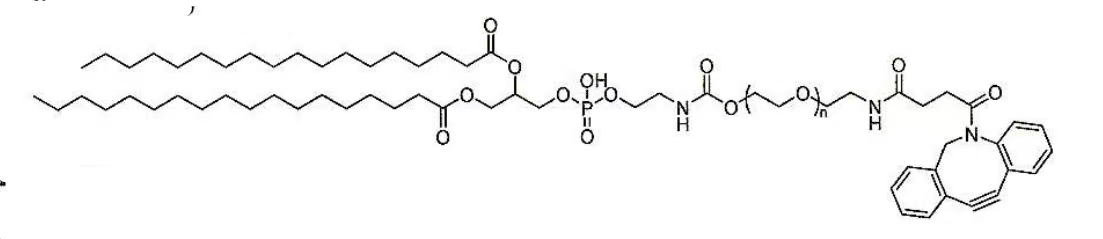
| DC80023 | DSPE-PEG2000-DBCO Featured |
DSPE-PEG-DBCO ammonium is the ammonium salt form of DSPE-PEG-DBCO. DSPE-PEG-DBCO ammonium is utilized in copper-free click chemistry through SPAAC conjugation with an azido-functionalized peptide ligand. DSPE-PEG-DBCO ammonium is applied in drug-delivery and nanoparticle research.
More description
|
|
| DC80001 | Isoxicam Featured |
Isoxicam is an orally active, long-acting, non-steroidal anti-inflammatory agent for the research of arthritis.
More description
|

|