To enhance service speed and avoid tariff delays, we've opened a US warehouse. All US orders ship directly from our US facility.
| Cat. No. | Product Name | Field of Application | Chemical Structure |
|---|---|---|---|
| DC68141 | AMG514 Featured |
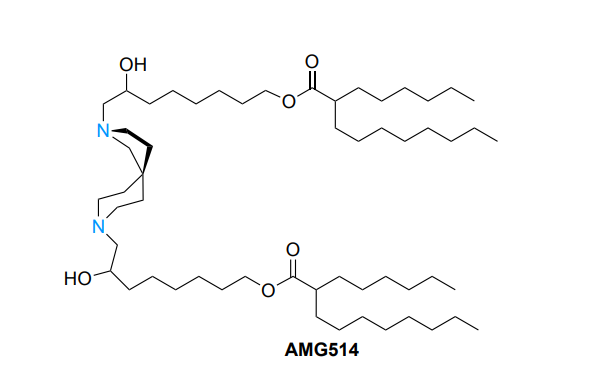
AMG514 is a novel ionizable lipid designed for formulating spleen-targeting lipid nanoparticles (LNPs) to deliver immune‑remodeling mRNAs (IR‑mRNAs). Its key advantage lies in the formation of a unique “protein corona” enriched with vitronectin, coagulation factors, and specific apolipoproteins (e.g., ApoA‑IV), together with its relatively high apparent pKa (~7.5), which actively redirects LNPs to the spleen instead of the liver. This precise spleen‑targeting property enables efficient transfection of splenic antigen‑presenting cells (APCs). As a vaccine adjuvant, AMG514‑LNPs therefore elicit a more robust activation of adaptive immunity compared to conventional LNPs (e.g., cKK‑E12), generating significantly enhanced antigen‑specific CD8⁺ T‑cell and antibody responses, and inducing durable anti‑tumor immune memory in preclinical models.
More description
|
|
| DC60537 | C18 NC-TNP Featured |
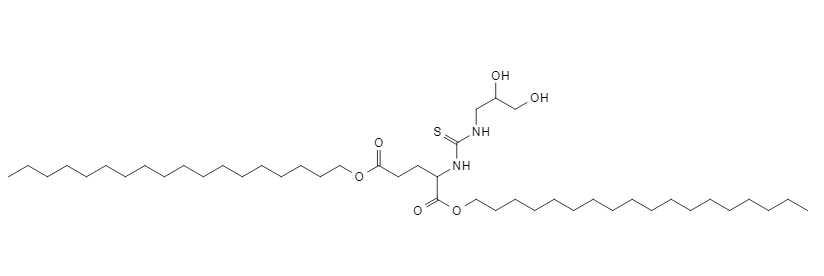
C18 NC-TNP is a novel noncationic thiourea lipid without positively charged groups. It binds nucleic acids via hydrogen bonds instead of electrostatic attraction, avoiding cation-triggered systemic inflammation. Formulated into nanoparticles, it efficiently encapsulates mRNA, siRNA and plasmids, shows excellent serum tolerance and long-term liquid/lyophilized storage stability. It enters cells mainly through macropinocytosis, escapes endosomes intact to reduce nucleic acid degradation. In vivo, it targets spleen preferentially, induces robust long-lasting Th1-type cellular and humoral immunity with minimal organ toxicity, superior to SM102 LNPs for mRNA cancer vaccine delivery.
More description
|
|
| DC68213 | Lipid A1B7C2 Featured |
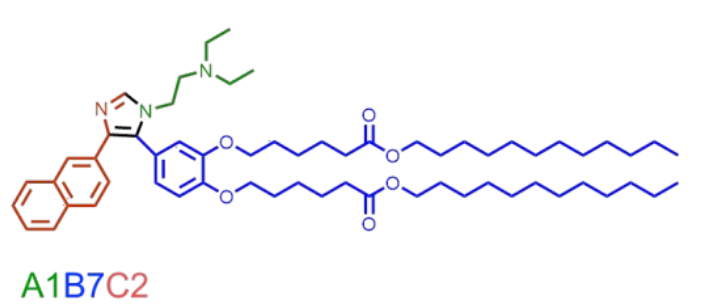
A1B7C2 is an imidazole‑based ionizable lipid from the IMIL library. It features dimethylamino‑propyl imidazole head group, paired with B7 hydrophobic tails and C2 degradable ester linkers. LNPs assembled from A1B7C2 can effectively accumulate within the spleen after systemic administration. It mediates mRNA expression in splenic tissue, and is applied as a key control compound to investigate structure‑activity relationships for spleen‑targeted nucleic acid delivery.
More description
|
|
| DC68212 | Lipid A3B7C2 Featured |
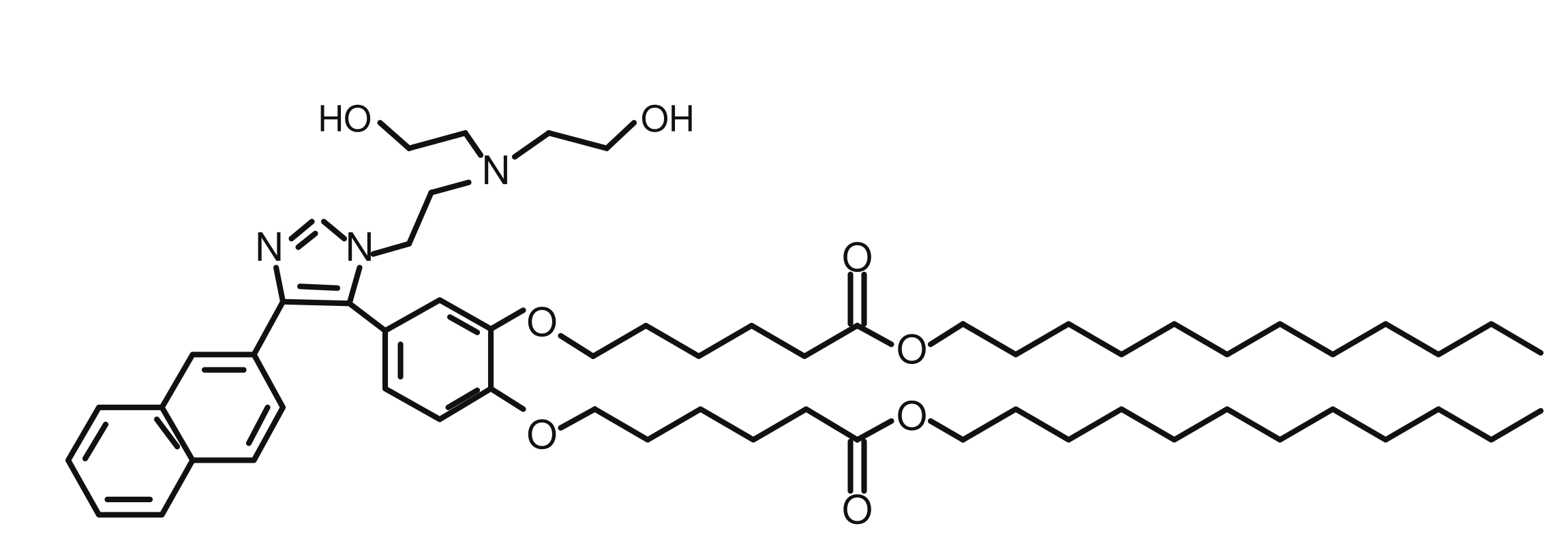
A3B7C2 is an imidazole‑based ionizable lipid, featuring dimethylamino‑imidazole head group connected via ester‑type degradable C2‑linker to two C14 unsaturated aliphatic tails. It forms LNPs achieving 98 % splenic transfection proportion, potent for splenic dendritic cell‑targeted mRNA delivery, superior to MC3, SM102.
More description
|
|
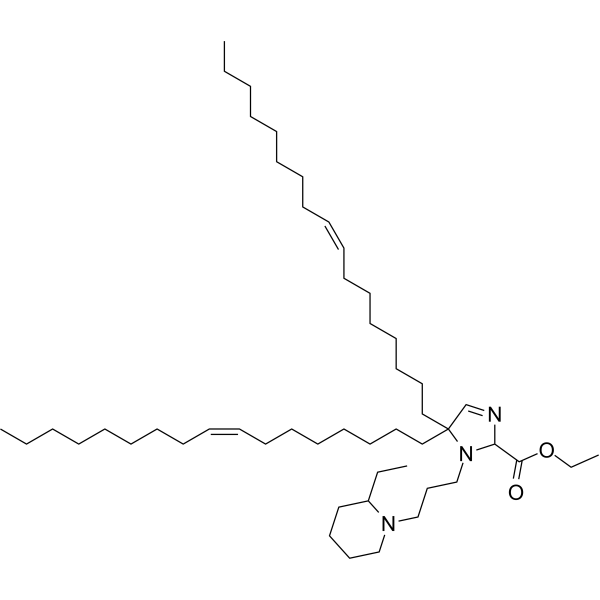
| DC80071 | A18-Iso5-2DC18 Featured |
A18-Iso5-2DC18 that could not only deliver mRNA vaccines robustly but also activate the stimulator
of interferon genes (STING) pathway.
More description
|
|
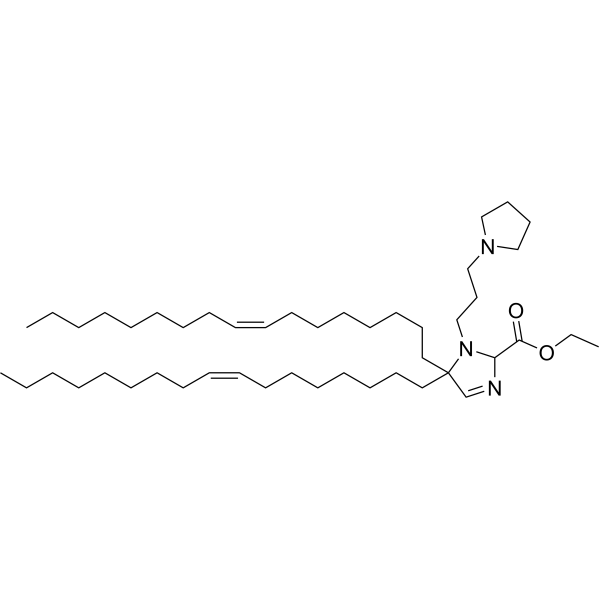
| DC80070 | A2-Iso5-2DC18 Featured |
A2-Iso5-2DC18 is a top-performing lipid for mRNA delivery in bone marrow-derived dendritic cells (BMDCs), BMDMs and HeLa cells.
More description
|
|
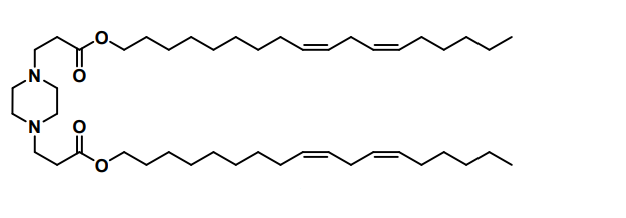
| DC60879 | Lipid te AA3-Dlin Featured |
TE AA3-Dlin is an optimized lipid nanoparticle (LNP) carrier designed for mRNA-based cancer immunotherapy, enabling precise in vivo dendritic cell (DC) reprogramming to enhance antitumor immunity. TE AA3-Dlin LNP exhibits superior serum stability, maintaining consistent particle size and low turbidity under physiological conditions, while protecting mRNA from degradation, which is crucial for effective delivery. Functionally, TE AA3-Dlin preferentially targets splenic DCs by leveraging ApoE-enriched protein coronas, facilitating efficient cellular uptake and mRNA expression, as demonstrated by enhanced EGFP signals in DCs.This targeting promotes DC maturation, antigen presentation, and membrane-bound IL-15 expression, activating cytotoxic T lymphocytes (CTLs) for tumor rejection. In models like melanoma and colon carcinoma, it synergizes with checkpoint inhibitors, showing minimal toxicity and robust immunological memory.
More description
|
|
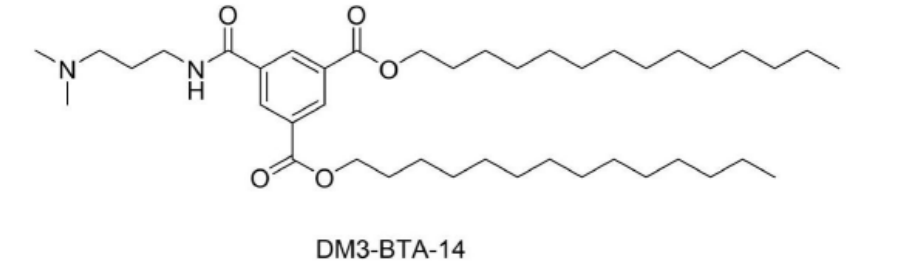
| DC67537 | DM3-BTA-14 Featured |
DM3-BTA-14 is a cationic lipid compound engineered for high-efficiency mRNA delivery developed by Hefei AlphaNA Biotechnology. Its structure features a rigid benzene-1,3,5-tricarboxamide core linked to a protonatable dimethylamino headgroup (-N(CH₃)₂) via a propylene spacer (-CH₂CH₂CH₂-) and two saturated C14 alkyl chains. This design enables ≈90% endosomal escape efficiency , superior lymph node targeting for vaccines , and effective tumor-specific mRNA delivery . It outperforms benchmark lipids while maintaining low cytotoxicity, forming stable nanoparticles with cholesterol/DSPC/DSPE-PEG (50:39:10:1 ratio) for therapeutic applications.
More description
|
|
| DC58046 | C12-200 Featured |
C12-200 is a well-known cationic lipid used in the formulation of lipid nanoparticles (LNPs) for the delivery of therapeutic nucleic acids, including siRNA, mRNA, and CRISPR components. It is widely recognized for its high in vivo potency at low doses and is often used as a positive control ionizable lipid in research exploring new ionizable lipids.
More description
|

|
| DC67315 | Lipid AA15 |
The AA15 lipid, an amino acid-derived ionizable lipid, integrates a carboxylic acid-containing headgroup and biodegradable branched ester tails (R2) to enhance mRNA delivery. Optimized as AA15V LNP, it exhibits a hydrodynamic diameter of 102.3 ± 4.1 nm, low polydispersity (PDI <0.15), and slightly positive zeta potential (+4–6 mV), enabling efficient tumor-targeted delivery. With a pKa ~6.1–6.4, AA15V ensures protonation in acidic endosomes, promoting mRNA release. It achieves >85% mRNA encapsulation efficiency, critical for stable saRNA delivery. In vitro, AA15V LNP-sSE-SCTs induced sustained SE-SCT expression (69% H-2Kb+β2m+ B16F10 cells at 72 h), outperforming mRNA formulations. In vivo, a single intratumoral dose of AA15V LNP-sSE-SCTs suppressed tumor growth by 22-fold in vaccinated mice, synergizing with checkpoint inhibitors (anti-PD-1/CTLA-4) for complete regression in 28.6% of lymphoma models. Ex vivo, AA15V enabled SE-SCT expression in human glioblastoma (7.1% CD45− cells) and lung cancer samples (5.8–8.7%), underscoring clinical potential. Key data: pKa ~6.3; encapsulation: 85–89%; zeta: +4–6 mV; size: 102.3 ± 4.1 nm.
More description
|

|
| DC60980 | ST12 Featured |
ST12 is a lipid-conjugated DMXAA prodrug designed for temporally controlled STING activation in mRNA vaccine formulations. Its structure integrates a mouse-specific STING agonist, a biodegradable ester linker, an RNA-interacting tertiary amine domain, and two hydrophobic tails. When incorporated as a partial replacement for SM-102, ST12 preserves early antigen mRNA translation and subsequently releases DMXAA to activate STING. This delayed activation supports localized type I interferon signaling, enhanced antigen-specific CD8-positive T-cell responses, and improved antitumor immunity. In preclinical OVA and HPV tumor models, ST12-based Syn-STING vaccines suppressed tumor growth and prolonged survival. ST12 remains a preclinical research lipid developed specifically around DMXAA-sensitive STING systems.
More description
|

|
| DC67602 | ILB-3132(E12LA6B603) Featured |
E12LA6B603(ILB3132,ILB-3132) is a novel ionizable amino lipid disclosed in patent WO2024198497A1, developed by MagicRNA, representing a highly efficient component for lipid nanoparticle (LNP) delivery systems.When formulated into LNPs, E12LA6B603 LNP achieves a remarkable 98.26% encapsulation efficiency for mRNA. It mediates superior in vitro transfection in dendritic cells (1.8E+05 intensity) and demonstrates best-in-class in vivo protein expression after intramuscular injection (2.2E+09 intensity). Most notably, in a B16-OVA melanoma model, therapeutic OVA-mRNA vaccines delivered by E12LA6B603 LNPs induced 100% complete tumor regression, highlighting its superior efficacy over benchmarks like DLin-MC3 and SM-102. Its biodegradable ester linkages and balanced structure make it a promising, potent candidate for next-generation mRNA vaccines and therapeutics.
More description
|

|
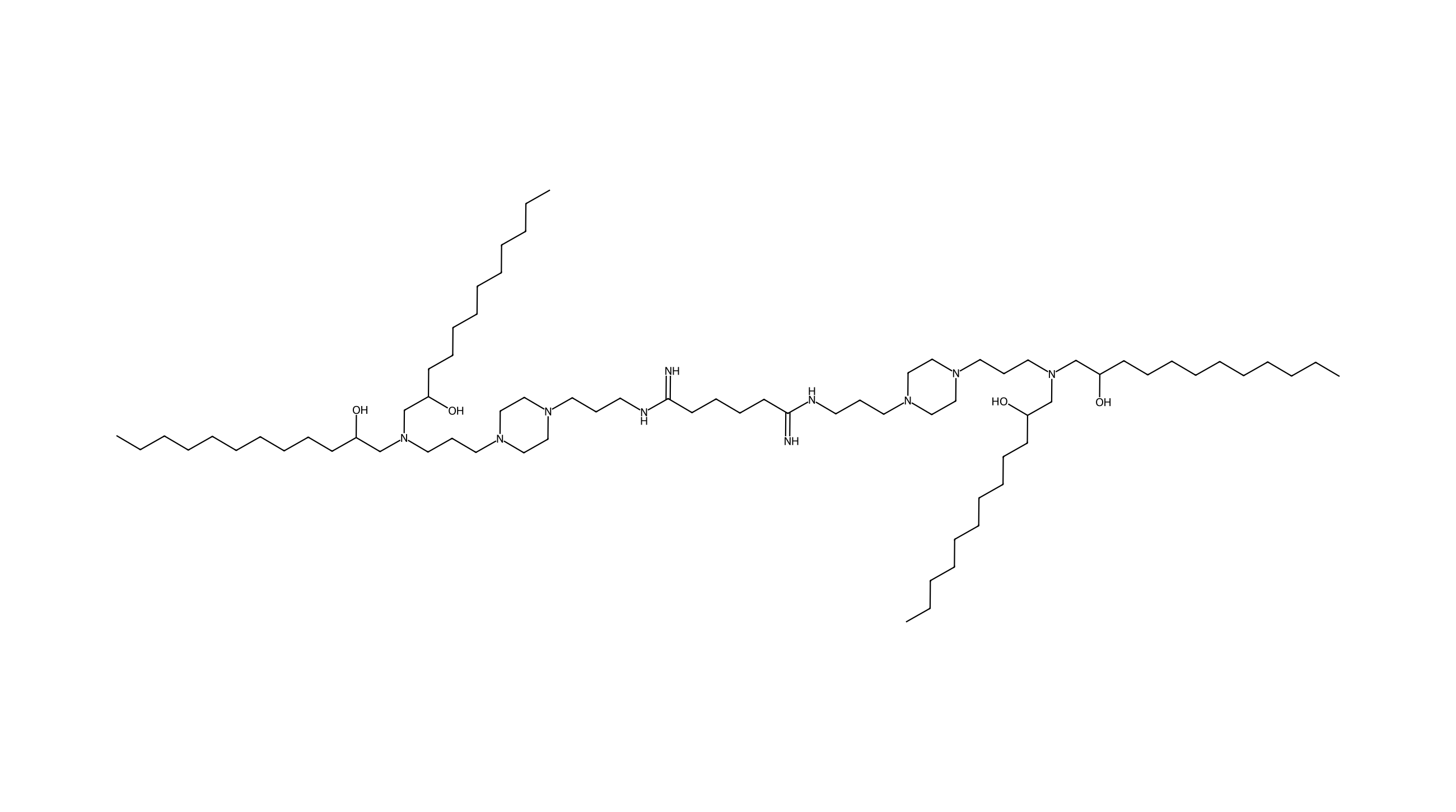
| DC60978 | C12-2aN Featured |
C12-2aN is a crosslinked ionizable lipid developed for mRNA vaccine delivery and dendritic-cell metabolic reprogramming. Its structure combines two piperazine-based ionizable amine cores, a bis-amidine crosslinker, and four hydroxylated C12 hydrophobic tails. When formulated with DOPE, cholesterol, and C14-PEG2000, C12-2aN LNPs enhanced mRNA endosomal escape and activated AMPK–mTORC2-dependent glycolysis, supporting dendritic-cell maturation and antigen presentation. In preclinical mouse studies, C12-2aN LNPs generated robust humoral and cellular immune responses in SARS-CoV-2 RBD and OVA cancer-vaccine models. The formulation also demonstrated reduced liver-associated off-target expression and lower acute inflammatory markers than the tested control formulations. C12-2aN is a preclinical research lipid intended for evaluating metabolically active mRNA vaccine delivery systems.
More description
|
|
| DC80065 | 113-O12B Featured |
113-O12B LNP, an LN-targeting LNP delivery system, is developed for a mRNA cancer vaccine.
More description
|
.gif)
|
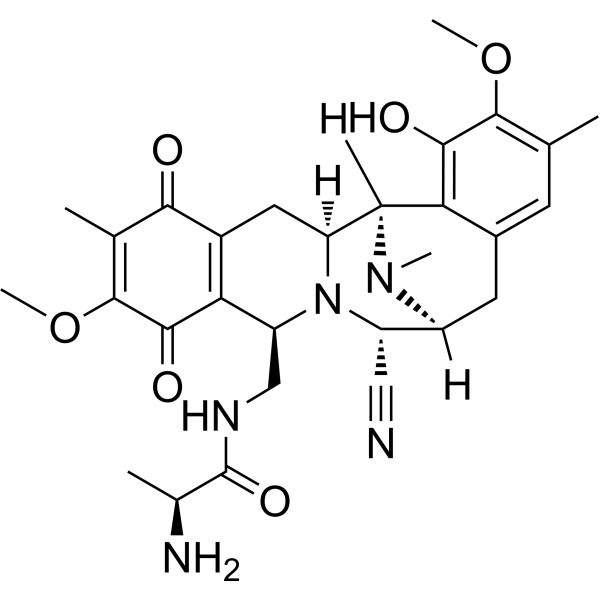
| DC49089 | Cyanosafracin B Featured |
Cyanosafracin B is a starting material for synthesis of Ecteinascidin ET-743 and Phthalascidin Pt-650.
More description
|
|
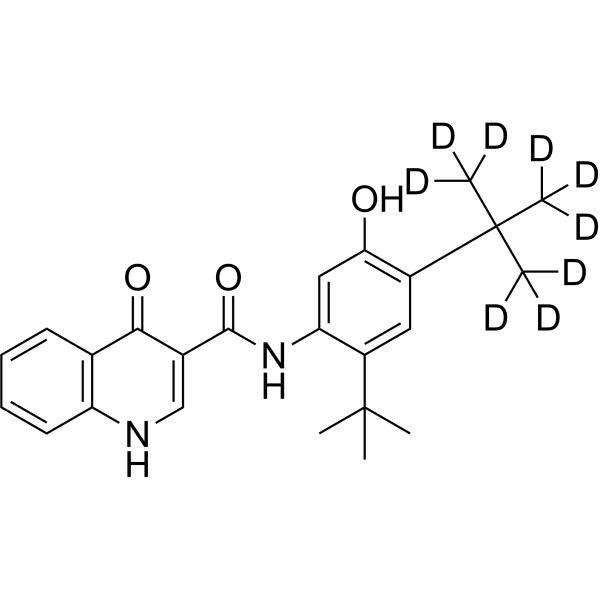
| DC42510 | Ivacaftor-D9 Featured |
Ivacaftor-D9 (CTP-656) is a potent CFTR modulator and exhibits an EC50 value of 255 nM for CFTR potentiation in G551D/F508del HBE Cells. Ivacaftor-D9 acts as an orally active and improved deuterated Ivacaftor analog for cystic fibrosis research.
More description
|
|
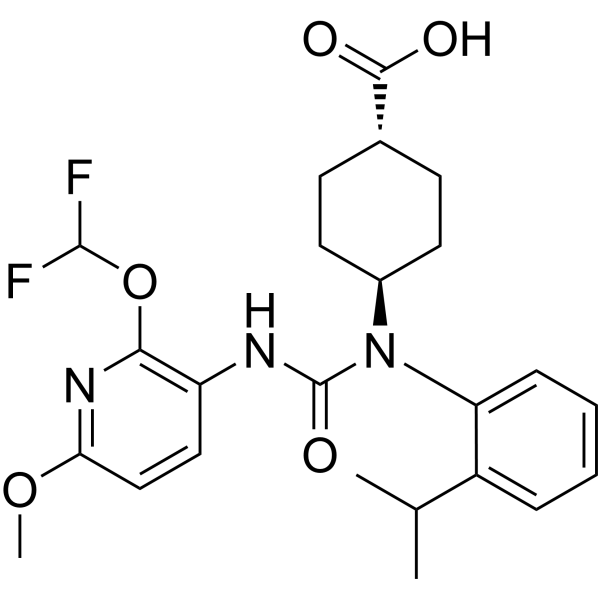
| DC60966 | PIPE-791 Featured |
PIPE-791 is an orally active, blood-brain barrier-permeable selective antagonist of LPAR1. PIPE-791 inhibits LPA-induced calcium mobilization, collagen expression, histamine release, and the activation of fibroblasts, microglia and macrophages. PIPE-791 induces oligodendrocyte precursor cell differentiation, myelination and remyelination, and increases the number of microglia in the retina of normotensive rats. PIPE-791 protects mature oligodendrocytes from cytokine-induced death, reduces the levels of pulmonary fibrosis markers and alleviates neuroinflammation in preclinical models. PIPE-791 can be used in the research of glaucoma, neuroinflammatory diseases, chronic osteoarthritis pain, idiopathic pulmonary fibrosis and multiple sclerosis.
More description
|
|
| DC12215 | 7-Dehydro Cholesterol Featured |
7-Dehydrocholesterol is biosynthetic precursor of cholesterol and vitamin D3.
More description
|

|
| DC60977 | 25-Hydroxyprovitamin D3 Featured |
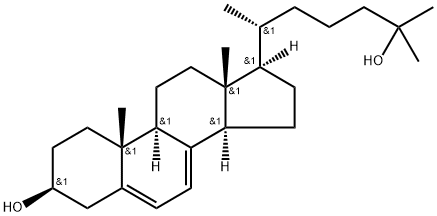
|
|
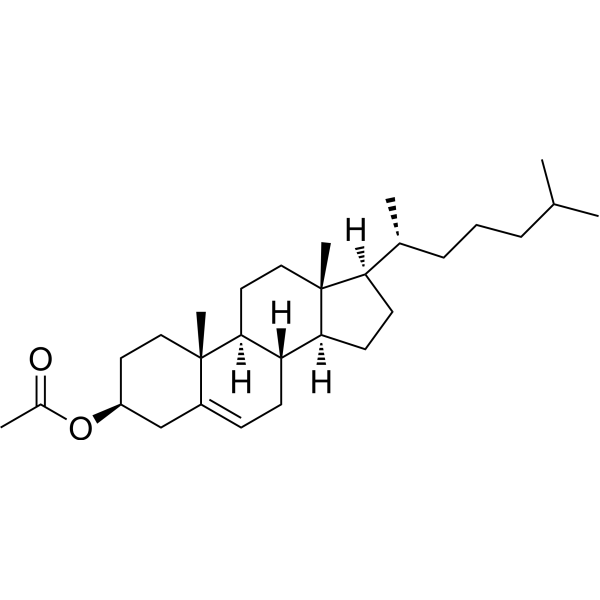
| DC60976 | Cholesterol 3-Acetate Featured |
Cholesteryl acetate (Cholesterol 3-acetate) is a cholesterol ester that is exported from Saccharomyces cerevisiae via a Pry1-dependent mechanism. Cholesteryl acetate binds to the CAP superfamily protein Pry1 via interactions dependent on Pry1’s caveolin-binding motif.
More description
|
|
| DC60974 | KSN-159-27 Featured |
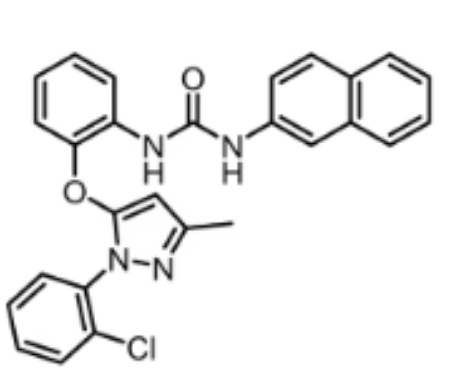
|
|
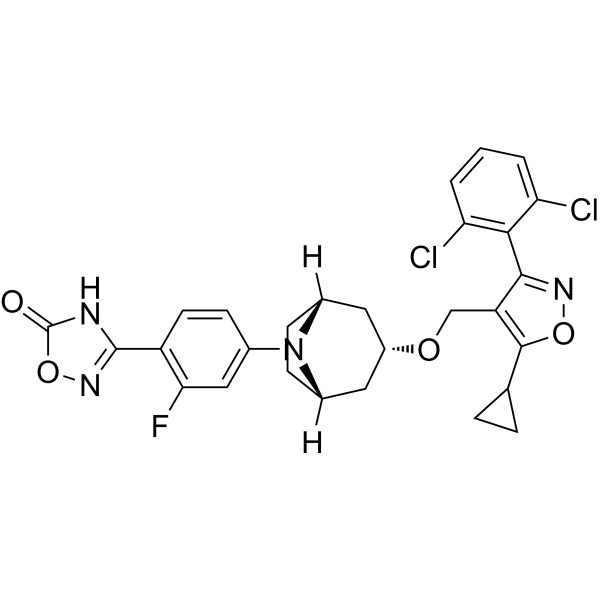
| DC60972 | Linafexor (CS-0159) Featured |
Linafexor (CS-0159) is a FXR agonist and bile acid homeostasis modulator. Linafexor exerts its effects by activating FXR, a regulator of liver function. Linafexor is applicable to research related to primary sclerosing cholangitis (PSC). Linafexor is also suitable for research in the field of metabolic dysfunction-associated steatohepatitis (MASH).
More description
|
|
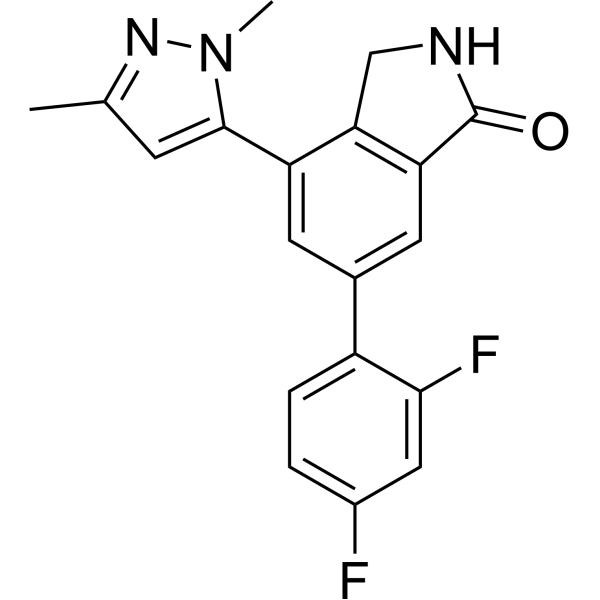
| DC60971 | VU6066098 Featured |
VU6066098 is a blood-brain barrier penetrant, orally active inhibitor of metabotropic glutamate receptor subtype 2 (mGlu2), with IC50 values of 77 nM and 111 nM against human and rat targets, respectively. VU6066098 induces antidepressant-like activity, inhibits psychosis-like hyperlocomotion, enhances recognition memory and associative learning, and reverses cognitive deficits caused by blast-related traumatic brain injury. VU6066098 can be used in research on major depressive disorder, schizophrenia, Alzheimer's disease, and traumatic brain injury.
More description
|
|
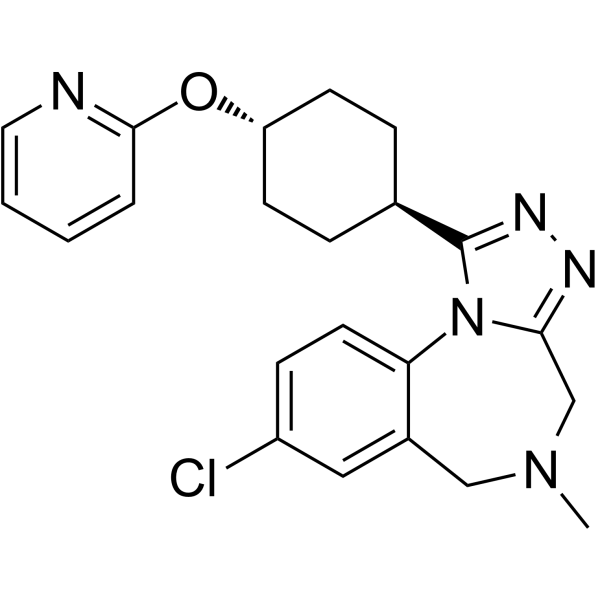
| DC60969 | balovaptan Featured |
Balovaptan (RG7314) is an orally available, selective brain-penetrant vasopressin 1a (hV1a) receptor antagonist, with Kis of 1 and 39 nM for human (hV1a) and mouse (mV1a) receptors, and is used for the research of autism.
More description
|
|
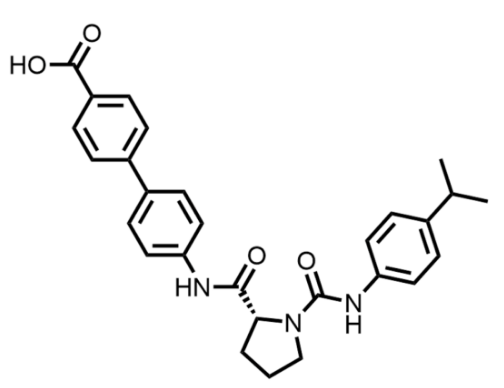
| DC60963 | PF-07976016 Featured |
|
|
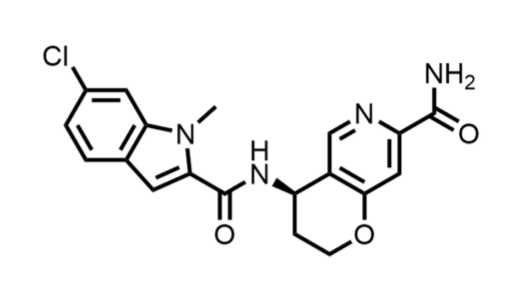
| DC60962 | RTY-406 Featured |
|
|
| DC60961 | alcedaplin(MZE829) Featured |
.png)
|
|
| DC60960 | GSK3882347 Featured |
|
|
| DC60959 | BLU-808 Featured |
|
|
| DC60958 | DAT-003 Featured |
|