To enhance service speed and avoid tariff delays, we've opened a US warehouse. All US orders ship directly from our US facility.
| Cat. No. | Product Name | Field of Application | Chemical Structure |
|---|---|---|---|
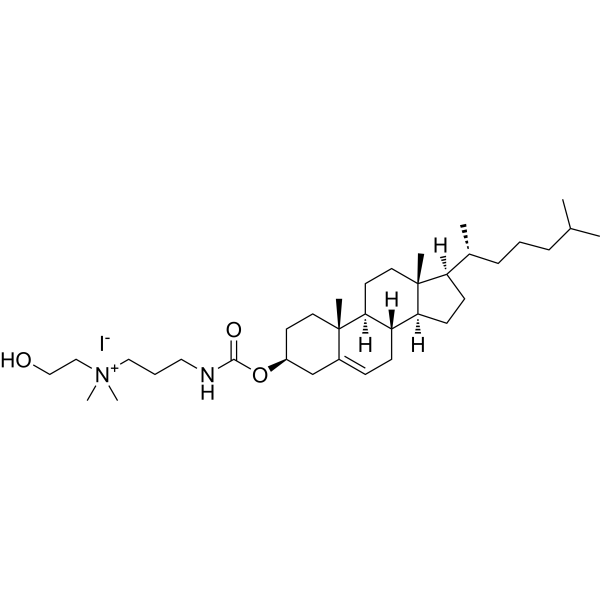
| DC36459 | DMHAPC-Chol Featured |
DMHAPC-Chol is a cationic cholesterol. Liposomes containing DMHAPC-chol have been used for DNA plasmid delivery in vitro and in vivo in a B16-F10 mouse xenograft model. Liposomes containing DMHAPC-chol are cytotoxic to B16-F10 cells. DMHAPC-Chol, as part of a lipoplex with DOPE, has also been used to deliver DNA into mouse lung via intratracheal injection, resulting in a heterogeneous distribution in the bronchi and bronchioles, and to deliver VEGF siRNA into A431 and MDA-MB-231 cells, which secrete VEGF.
More description
|
|
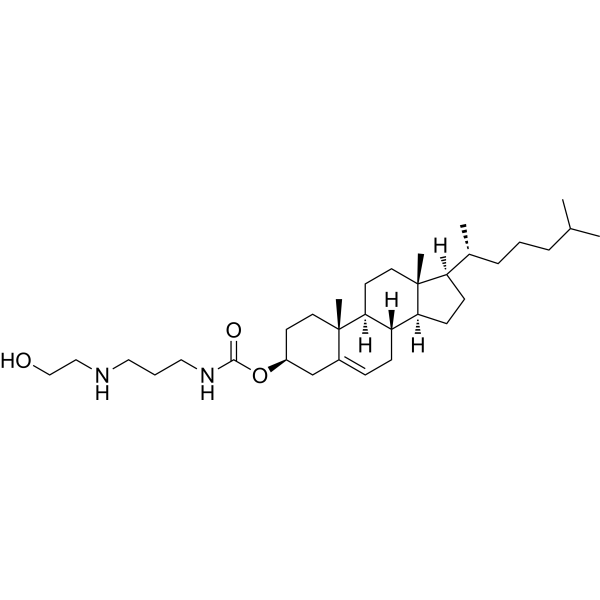
| DC36442 | HAPC-Chol Featured |
HAPC-Chol is a cationic cholesterol. HAPC-Chol, as part of a lipoplex with DOPE, has been used for siRNA delivery and gene silencing in MCF-7 cells in a luciferase assay without affecting cell viability. It has also been used to deliver siRNA into mice via intravenous injection, resulting in HAPC-chol accumulation in the lungs.
More description
|
|
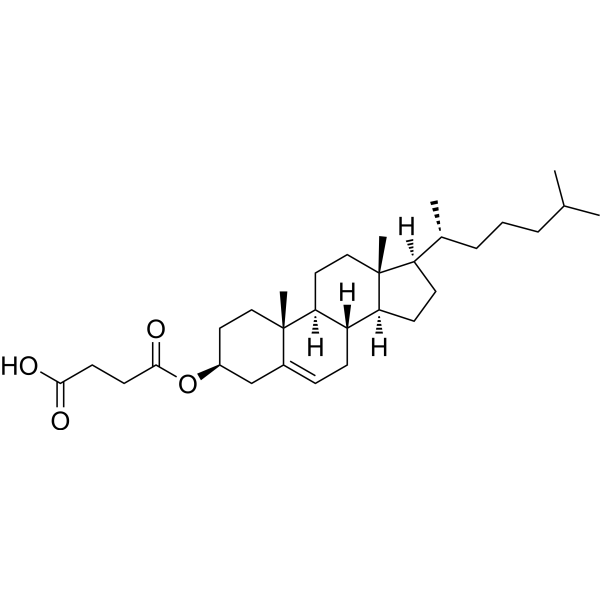
| DC67625 | CHEMS Featured |
CHEMS is the analytical standard of Cholesteryl hemisuccinate. Cholesteryl hemisuccinate is a cholesterol ester with anticancer activity.
More description
|
|
| DC10377 | Campesterol |
Campesterol is a plant sterol with cholesterol lowering and anticarcinogenic effects.
More description
|
|
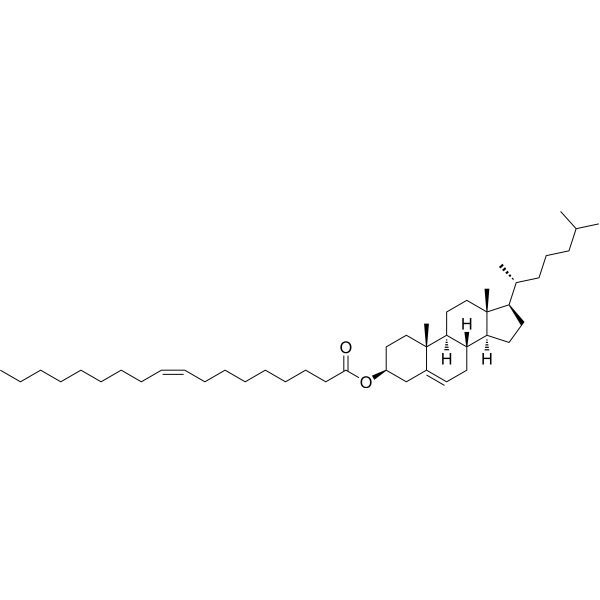
| DC60908 | Cholesteryl oleate Featured |
Cholesteryl oleate is an ester compound formed from Cholesterol (HY-N0322) and Oleic acid (HY-N1446), which is involved in lipid transport, storage and cell membrane formation in living organisms. Cholesteryl oleate may serve as a potential biomarker for prostate cancer. Cholesteryl oleate can also prepare cationic solid lipid nanoparticles (SLNs) for efficient gene silencing.
More description
|
|
| DC67655 | GA-Chol(glutamate-cholesterol) |
GA-Chol(glutamate-cholesterol) is a novel synthetic cholesterol derivative designed to overcome the liver tropism of conventional lipid nanoparticles (LNPs) after local administration. It is synthesized through a two-step reaction involving the covalent conjugation of glutamic acid to cholesterol. When incorporated into LNPs, GA-Chol replaces native cholesterol (typically 38.5 mol%), significantly altering the nanoparticles' properties. A key characteristic of GA-Chol LNPs is their strongly negative zeta potential, which contrasts with the nearly neutral charge of standard cholesterol-containing LNPs. This modification is crucial for altering the LNP's behavior in vivo. Following intramuscular or intratumoral injection, GA-Chol LNPs exhibit superior retention at the injection site, demonstrating robust localized transfection with minimal leakage into the systemic circulation and subsequent off-target expression in the liver. This localized retention effect is consistent across various cancer models. Furthermore, GA-Chol enhances in vitrotransfection efficiency by approximately 10 to 20-fold in different cell lines. Therapeutically, LNPs formulated with GA-Chol enable effective local delivery of potent mRNA cargoes, such as constitutively active caspase-3, achieving significant tumor growth inhibition in mouse models while mitigating risks of hepatotoxicity, showcasing its potential for targeted nucleic acid therapies.
More description
|
.png)
|
| DC60898 | 3-Hydroxycholesta-5,24-dien-7-one; 3β-form, Ac Featured |

|
|
| DC60897 | Cholest-7-en-3-ol,acetate, (3b)- (9CI) Featured |

|
|
| DC60895 | 7-p-Toluenesulfonylhydrazide Cholesterol 3-Acetate Featured |

|
|
| DC60894 | 7-Oxo Cholesterol 3-Acetate Featured |

|
|
| DC67628 | NMDC-Cholesterol Featured |
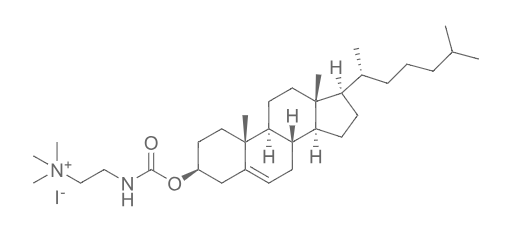
|
|
| DC60889 | 3β-Acetoxy-5α-cholesta-7,24-diene Featured |

|
|
| DC60888 | DESMOSTEROL ACETATE Featured |

|
|
| DC60881 | 5alpha-cholestanyl-(3beta)-hydrogen sulfate Featured |

|
|
| DC36443 | DC-Chol hydrochloride Featured |
DC-Chol hydrochloride is a cationic lipid. DC-Chol hydrochloride could inhibit Aβ40 fibril formation under appropriate experimental conditions. DC-Chol hydrochloride strongly inhibits amyloidogenesis of oxidized hCT in a dose-dependent manner. DC-Chol hydrochloride induces the production of Th1 (IL-2 and IFN-γ) and Th2 (IL-5) cytokines. DC-Chol hydrochloride can enhance the body's immune response to antigens. DC-Chol hydrochloride is used as a gene delivery vector. DC-Chol hydrochloride can be used in research in areas such as hepatitis B vaccines to improve vaccine immunity.
More description
|

|
| DC60885 | 5alpha-Cholest-7-en-3beta-ol Featured |

|
|
| DC60886 | 5-alpha-cholest-7,24-dien-3beta-ol Featured |

|
|
| DC45677 | 5α-Cholesta-7,24-dien-3β-ol Featured |
5α-Cholesta-7,24-dien-3β-ol, a sterol, can be found in hamster cauda epididymal mature spermatozoa.
More description
|

|
| DC32956 | Desmosterol Featured |
Desmosterol is an endogenous agonist of RORgamma; Intermediate in the synthesis of cholesterol.
More description
|

|
| DC12188 | Lathosterol Featured |
Lathosterol is a cholesterol-like molecule. Serum Lathosterol concentration is an indicator of whole-body cholesterol synthesis.
More description
|

|
| DC12199 | Cholestenone Featured |
Cholestenone is the intermediate oxidation product of cholesterol.
More description
|

|
| DC60884 | Sodium 5α-Cholesta-7,24-dien-3β-ol sulfate Featured |

|
|
| DC60883 | desmosterol sulfate Featured |

|
|
| DC60882 | sodium (20R)-cholest-7-en-3beta-yl sulfate Featured |

|
|
| DC67631 | BHEM-Cholesterol, Iodide Featured |
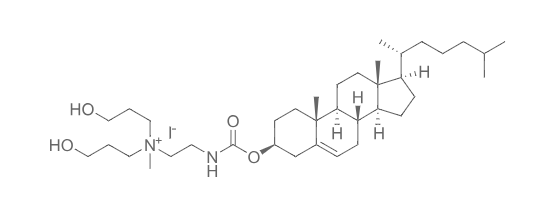
|
|
| DC67630 | BHEM-Cholesterol, bromide Featured |
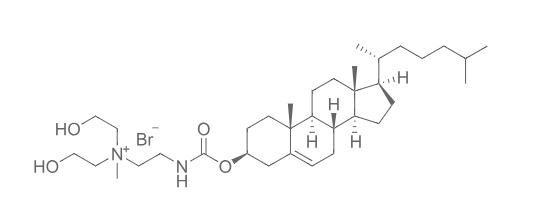
|
|
| DC67629 | BHE-Cholesterol Featured |
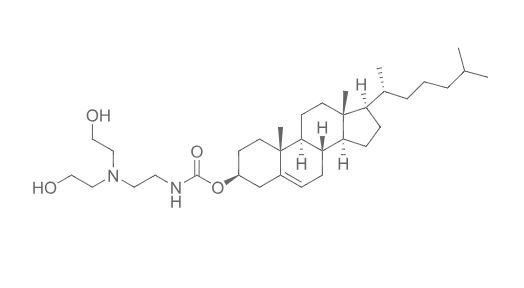
|
|
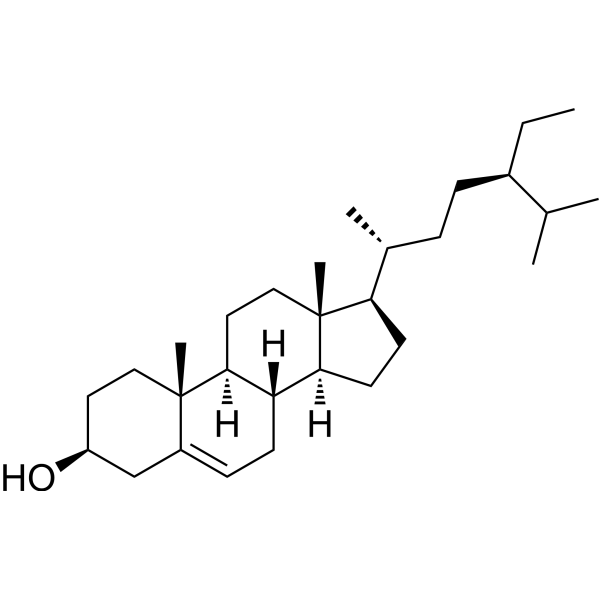
| DCG-002 | β-Sitosterol Featured |
β-Sitosterol is orally active. Beta-Sitosterol exhibits multiple activities, including anti-inflammatory, anticancer, antioxidant, antimicrobial, antidiabetic, antioxidant enzyme, and analgesic. Beta-Sitosterol inhibits inflammation and impaired adipogenesis in bovine mammary epithelial cells by reducing levels of ROS, TNF-α, IL-1β, and NF-κB p65 and restoring the activity of the HIF-1α/mTOR signaling pathway. Beta-Sitosterol induces apoptosis in cancer cells through ROS-mediated mitochondrial dysregulation and p53 activation. Beta-Sitosterol exerts its anticancer effects in cancer cells by activating caspase-3, caspase-8, and caspase-9, mediating PARP inactivation, MMP loss, altered Bcl-2-Bax ratio, and cytochrome c release. Beta-Sitosterol modulates macrophage polarization and reduces rheumatoid inflammation in mice. Beta-Sitosterol inhibits tumor growth in multiple mouse cancer models. Beta-Sitosterol can be used in the research of arthritis, lung cancer, breast cancer and other cancers, diabetes, etc.
More description
|
|
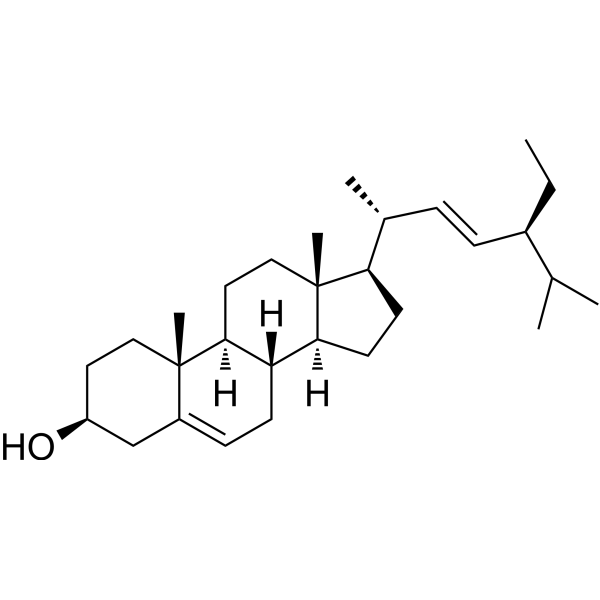
| DCD-042 | Stigmasterol Featured |
Stigmasterol is an orally acitve, immunomodulatory agent with anti-inflammatory and neuroprotective effect, as well as able to cross the blood-brain barrier. Stigmasterol activates AMPK, which in turn inhibits NF-κB and NLRP3 signaling pathways, reduces microglia-mediated neuroinflammation, and alleviates cognitive impairment and Alzheimer's disease. Stigmasterol regulates M1/M2 polarization of microglia through the TLR4/ NF-κB pathway, thereby reducing neuropathic pain. Stigmasterol can be used for neurodegenerative diseases, inflammatory diseases, and pain management, among others.
More description
|
|
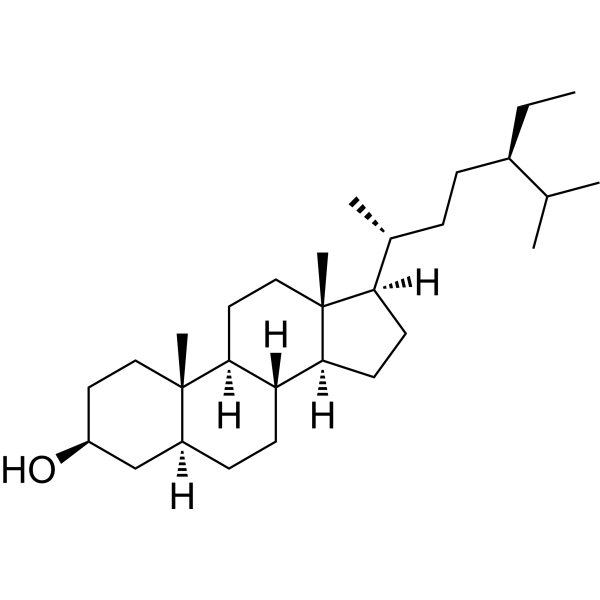
| DC36834 | Sitostanol Featured |
Sitostanol is a saturated sterol found in a variety of plants, including corn, wheat, and rice and reduces cholesterol uptake in rats and rabbits.
More description
|
|