To enhance service speed and avoid tariff delays, we've opened a US warehouse. All US orders ship directly from our US facility.
| Cat. No. | Product Name | Field of Application | Chemical Structure |
|---|---|---|---|
| DC75987 | H052 Featured |
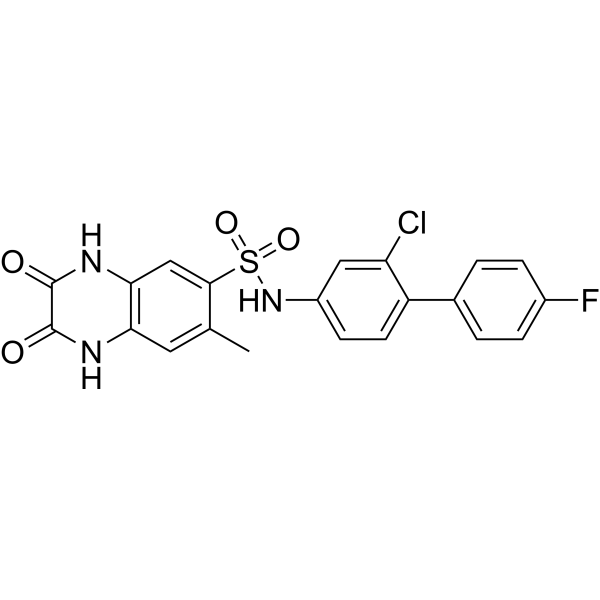
H052 is a selective Staphylococcus aureus α-hemolysin (Hla) inhibitor. H052 binds to Hla monomers, disrupts the interaction with host cell membranes to block pore formation, inhibiting calcium ion influx, cytotoxicity, and inflammatory responses. H052 exhibits potency (EC50=30 nM in U937 cells) against Hla-induced calcium influx. H052 is promising for research of lung infections caused by S. aureus.
More description
|
|
| DC68232 | IRBM-Z-1 Featured |
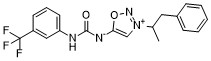
IRBM-Z-1 is a non-competitive allosteric inhibitor of the Zika virus (ZIKV) NS2B-NS3 protease, identified through phenotypic screening for ZIKV replication inhibitors. In vitro, IRBM-Z-1 inhibits recombinant ZIKV NS2B-NS3 protease with an IC50 of 1.8 ± 0.8 μM and binds the protease with a KD of 1.52 ± 0.75 μM. In ZIKV replicon assays, IRBM-Z-1 suppresses viral RNA replication with an EC50 of 6.0 ± 1.9 μM and inhibits ZIKV-induced cytopathic effects in cell culture with an EC50 of approximately 6.25 μM, while showing no significant cytotoxicity at concentrations up to 32 μM. Activity is strongly dependent on NS3 residue I156, with the I156T mutation markedly reducing potency.
More description
|
|
| DCC2044 | F0045(s) Featured |
Novel influenza A hemagglutinin (HA) fusion inhibitor (EC 50 = 1.9 ± 0.3 μM), preventing HA from transitioning to the postfusion state at pH 5.0
More description
|
.jpg)
|
| DC74461 | Rentosertib Featured |
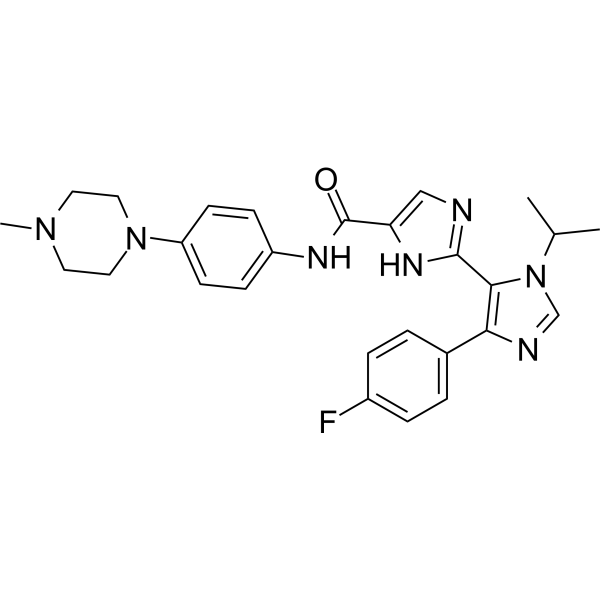
INS018_055 (INS018-055) a selective small-molecule TRAF2- and NCK-interacting kinase (TNIK) inhibitor with Kd value of 4.32 nM and IC50 of 31 nM, inhibits TGF-β-induced α-SMA protein expression in MRC-5 cells with IC50 of 27.14 nM.
More description
|
|
| DC60840 | Lipid F10T5 Featured |
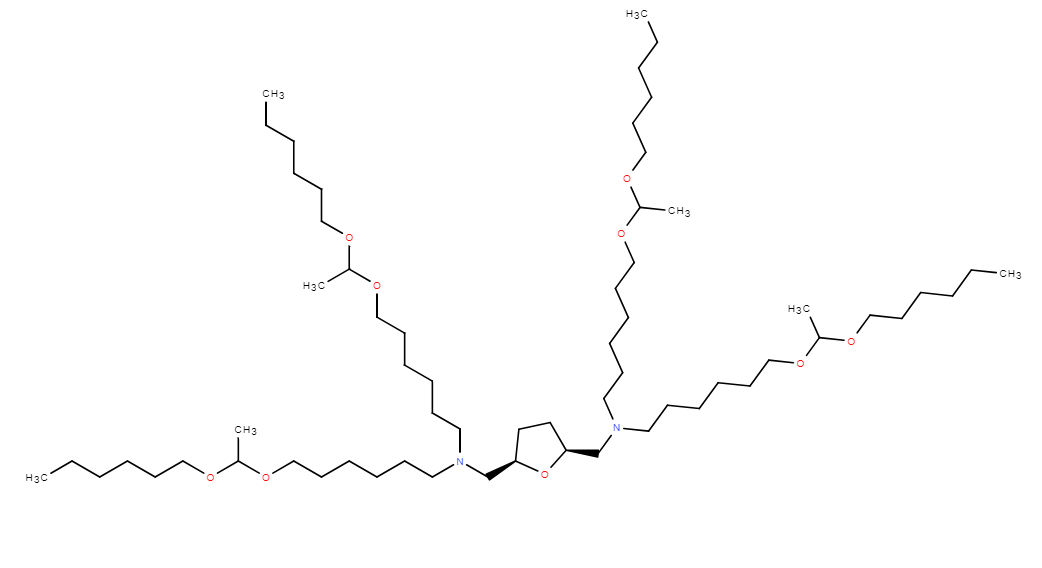
F10T5 is a furan-derived ionizable lipid developed for mRNA delivery to the central nervous system through the meningeal lymphatic pathway. Its architecture incorporates an ionizable polyamine region and four hydrophobic tails containing acid-sensitive acetal linkages. Following subcutaneous administration near the deep cervical lymph nodes, F10T5 LNPs enabled functional mRNA expression in neurons, microglia, and astrocytes while producing relatively low signals in peripheral organs. Cre mRNA delivery resulted in tdTomato expression in approximately 8.93% of neurons, 7.0% of microglia, and 9.9% of astrocytes in mice. Compared with the co-lead lipid F11T6, F10T5 showed comparable total brain luciferase expression, stronger astrocyte transfection, and lower peripheral-organ distribution. Its activity was associated primarily with improved endosomal escape rather than increased cellular uptake. F10T5 remains a preclinical research lipid, and its repeat-dose safety, pharmacokinetics, and performance in larger animals require further evaluation.
More description
|
|
| DC66455 | Stanolone Featured |
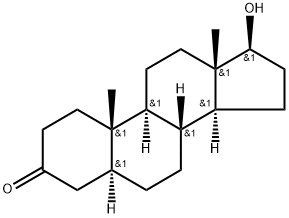
|
|
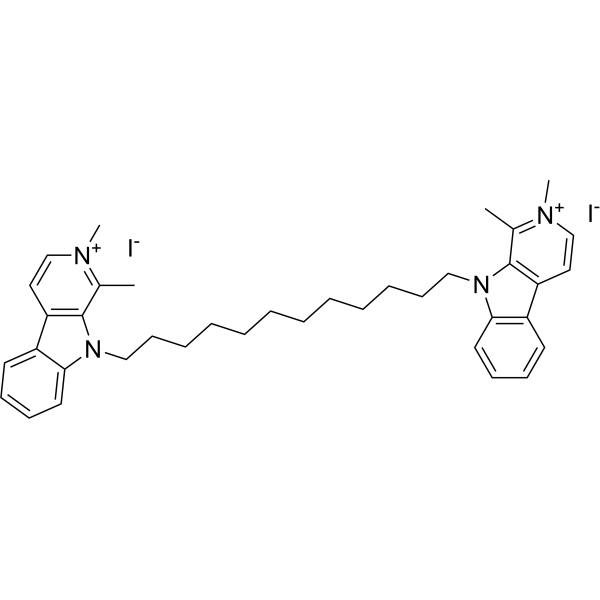
| DC80100 | 5-Diazomethane quinoxaline Featured |
5-Diazomethane quinoxaline is a novel derivatization reagent. 5-Diazomethane quinoxaline is used for the detection of phosphorylated metabolites.
More description
|
|
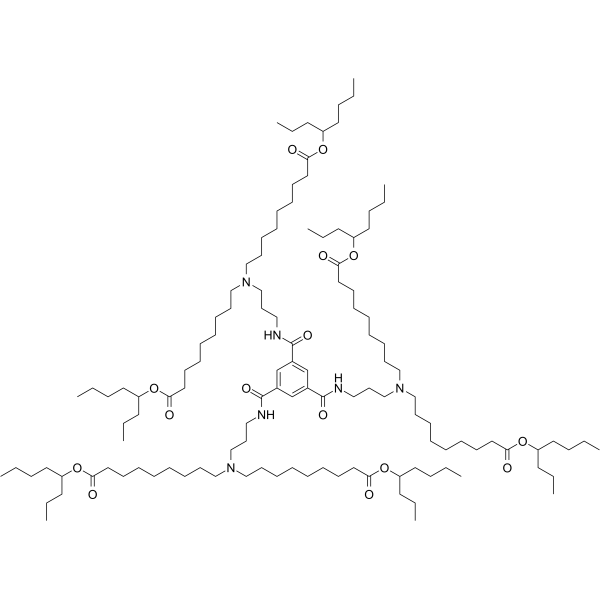
| DC49932 | FTT5 Featured |
FTT5 is a lipid-like compound for efficient delivery of long mRNAs in vivo.
More description
|
|
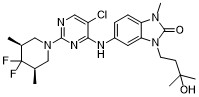
| DC28558 | BCL6-IN-3 Featured |
BCL6-IN-3 (example 20a) is a B-cell lymphoma 6 (BCL6) inhibitor with anti-tumor activity, extracted from patent WO2018215801A1. BCL6-IN-3 (example 20a) exhibits a GI50 of 70 nM in SU-DHL4 cells.
More description
|
|
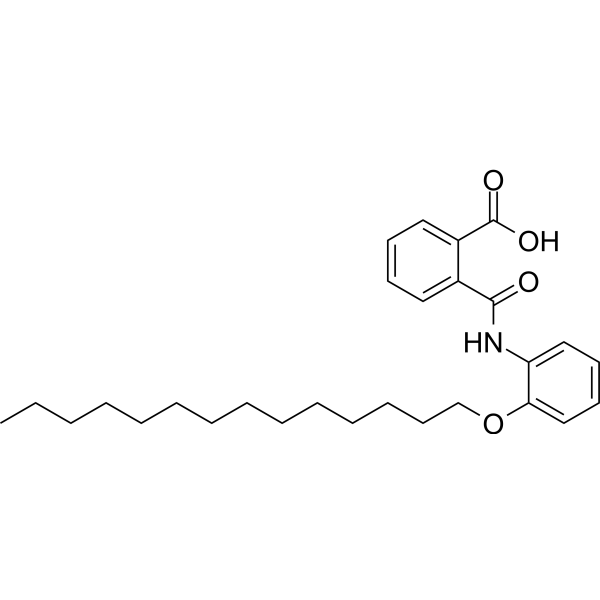
| DCC1608 | Cx08005 Featured |
CX08005 is a competitive PTP1B inhibitor. CX08005 can directly enhance the action of insulin in vivo and in vitro and improve insulin resistance.
More description
|
|
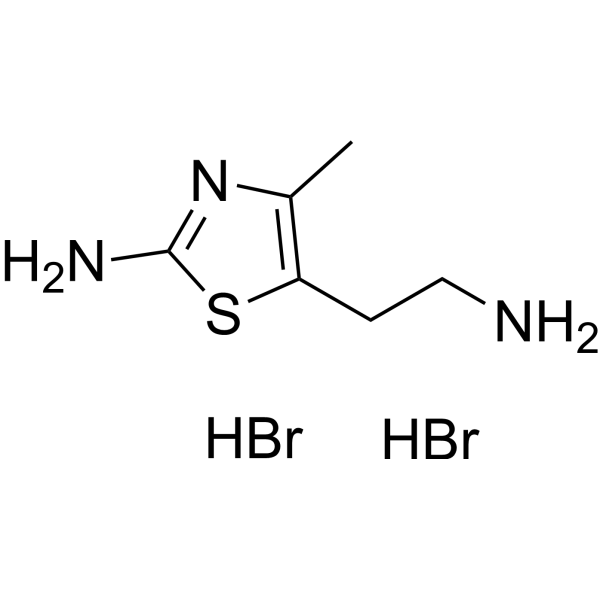
| DC34504 | Amthamine Dihydrobromide Featured |
Amthamine is a histamine receptor (H1R-H4R) agonist. Amthamine can produce liver congestion and necrosis of liver cells. Amthamine can be used to study the induction effect of H1R-H4 agonist on hepatotoxicity.
More description
|
|
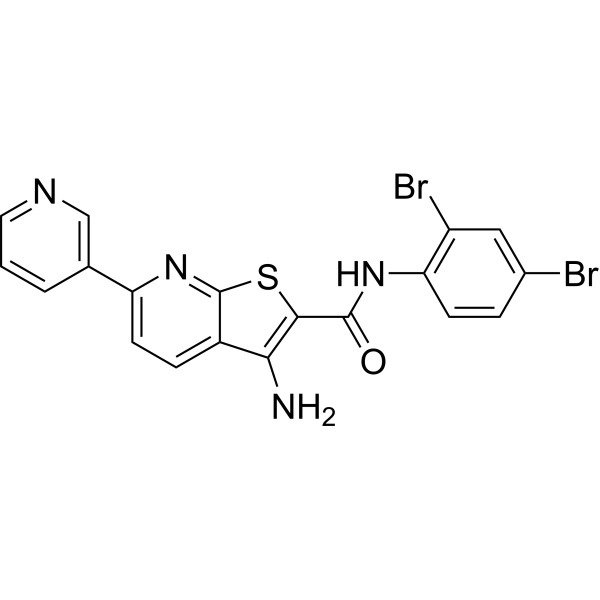
| DCC4830 | Sod1-derlin-1 Inhibitor 56-20 Featured |
SOD1-Derlin-1 inhibitor-1 (compound 56-20) is an inhibitor of SOD1-Derlin-1 interaction. SOD1-Derlin-1 inhibitor-1 inhibits SOD1G93A-Derlin-1 complex with an IC50 value of 7.11 μM.
More description
|
|
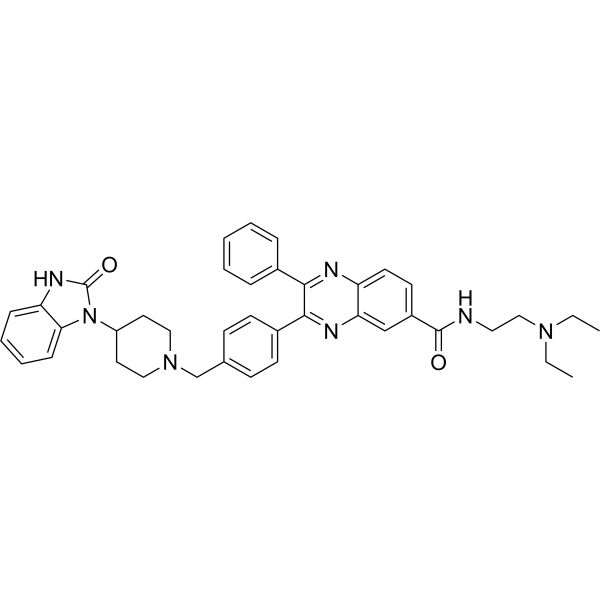
| DC43652 | Merck-22-6 Featured |
Merck-22-6(compound 7) is an allosteric dual Akt1 and Akt2 inhibitor (IC50=138 nM and 212 nM, respectively). Akt1/Akt2-IN-2 increases activity of caspase-3, and inhibits viability of a number of tumor cells
More description
|
|
| DC79780 | (S)-SCH-23390 hydrochloride Featured |
(S)-SCH-23390 (hydrochloride) is the S-enantiomer of SCH-23390. SCH-23390 is a dopamine D1-like receptor antagonist (with Ki values of 0.2 nM and 0.3 nM for the D1 and D5 receptor subtypes, respectively).
More description
|
-SCH-23390 hydrochloride.gif)
|
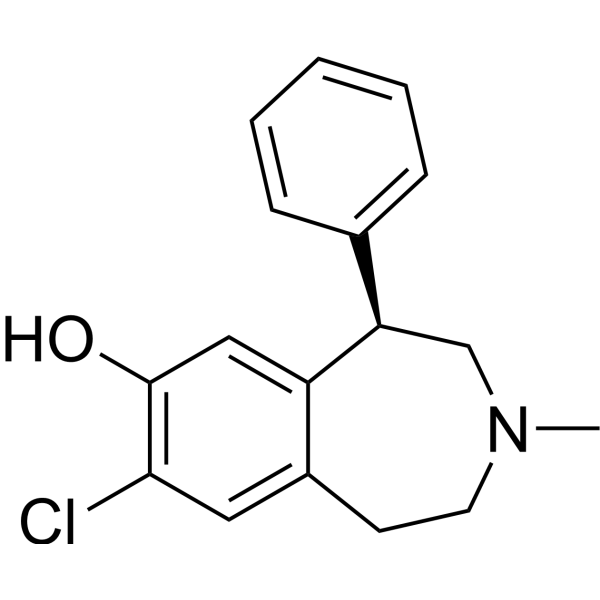
| DC76520 | SCH-23390 Featured |
SCH-23390 is a dopamine D1-like receptor antagonist (with Ki values of 0.2 nM and 0.3 nM for the D1 and D5 receptor subtypes, respectively). SCH-23390 can shorten the latency period for cocaine-induced lever pressing behavior in rats. SCH-23390 can also eliminate generalized seizures caused by chemical convulsants, such as arecoline and strychnine, and is used in research on neurological disorders related to the dopamine system.
More description
|
|
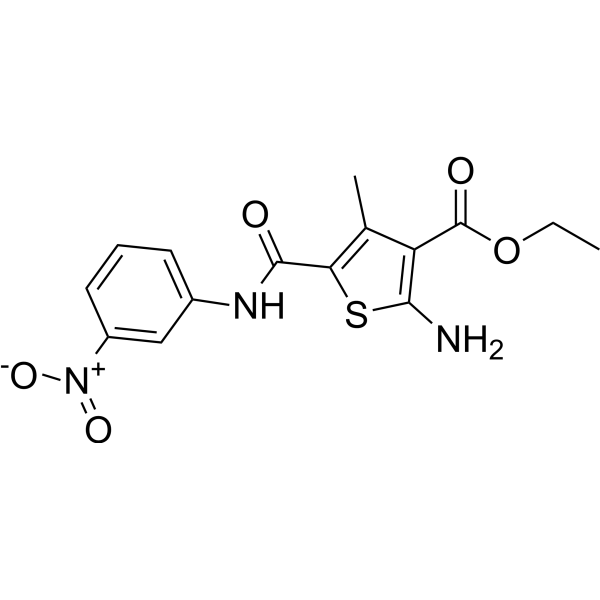
| DCC1702 | Dc-s239 Featured |
Novel, Potent and Selective Histone Methyltransferase SET7 Inhibitor
More description
|
|
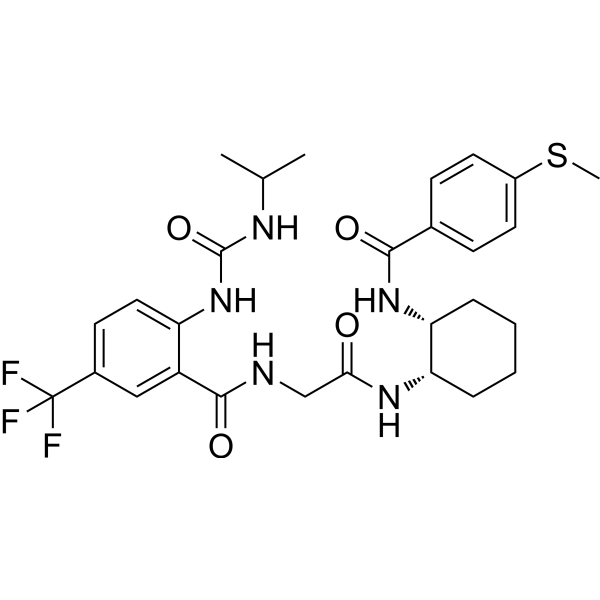
| DC11745 | BMS-22 Featured |
A potent, selective, allosteric CCR2 antagonist with binding IC50 of 5.1 nM.
More description
|
|
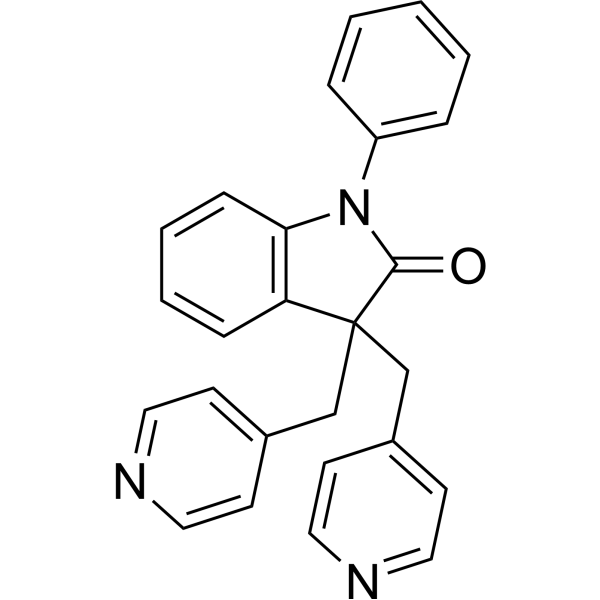
| DC20983 | Linopirdine Featured |
Linopirdine (DuP 996) is an orally active, selective M-type K+ current (IM; Kv7; KCNQ Channels) inhibitor with an IC50 of 2.4 μM. Linopirdine is a TRPV1 agonist. Linopirdine, a putative cognition enhancing agent, increases acetylcholine release in rat brain tissue.
More description
|
|
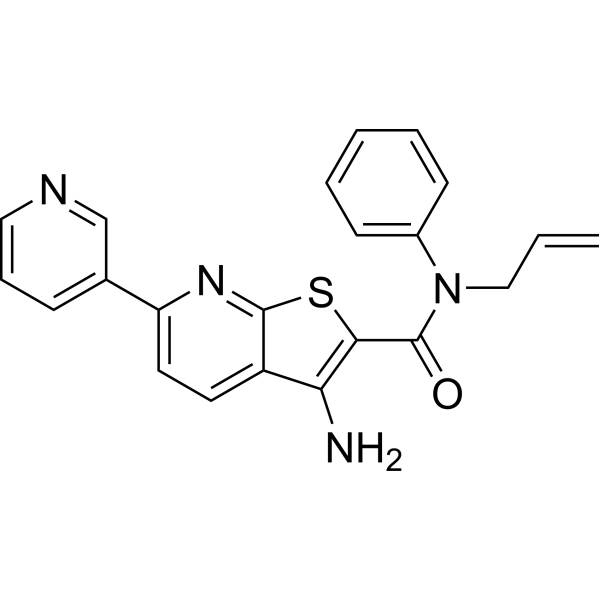
| DC11020 | SOD1-Derlin-1 inhibitor 56-59 Featured |
SOD1-Derlin-1 inhibitor 56-59 is a cell-permeable, small molecule inhibitor of SOD1-Derlin-1 interaction, target SOD1 DBR and clearly attenuates the interactions of Derlin-1 with 122 types of SOD1mut in the cell-based co-immunoprecipitation assay.
More description
|
|
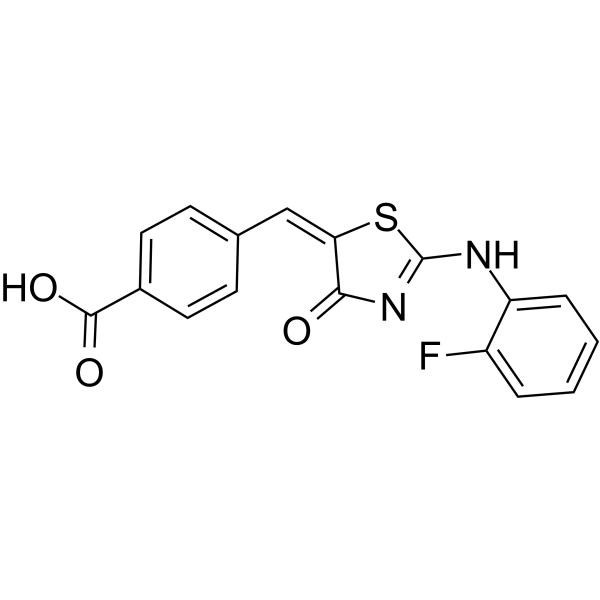
| DC45063 | GPR35 agonist 2 Featured |
GPR35 agonist 2 (compound 11) is a potent agonist of GPR35, with EC50s of 26 and 3.2 nM in the β-arrestin and Ca2+ release assay, respectively.
More description
|
|
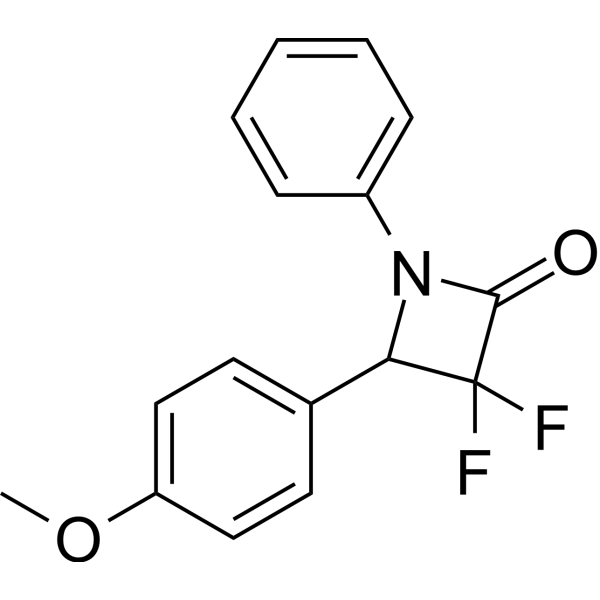
| DCC3590 | Ncrw0005-f05 Featured |
NCRW0005-F05 is a small-molecule inhibitor reported to target the Wnt/β-catenin signaling pathway with activity in vitro. It suppresses β-catenin–dependent transcription in a concentration-dependent manner, with reported IC50 values in the low micromolar range (~1–10 µM) in reporter assays. NCRW0005-F05 reduces expression of Wnt target genes such as c-Myc and cyclin D1, leading to decreased proliferation in Wnt-driven cancer cell models.
More description
|
|
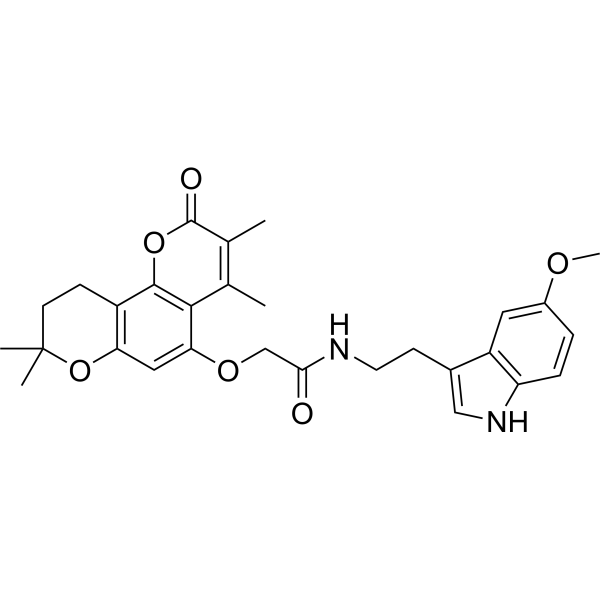
| DC70660 | NPD4928 Featured |
NPD4928 (NPD 4928) is a small molecule that enhances ferroptosis via inhibition of ferroptosis suppressor protein 1 (FSP1).NPD4928 enhanced the sensitivity of various cancer cells to GPX4 inhibitor RSL3.
More description
|
|
| DC68231 | KP-723 Featured |
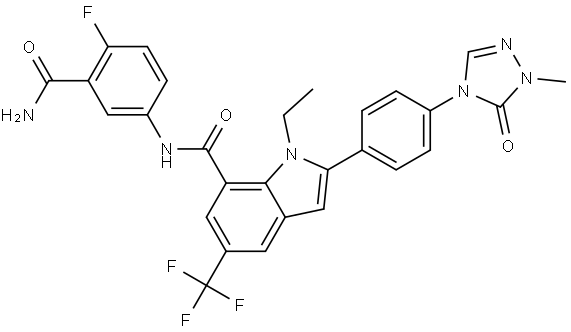
|
|
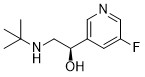
| DC68230 | ATR-258 Featured |
ATR-258 is a G protein-coupled receptor kinase (GRK)-biased agonist of the β2-adrenergic receptor (β2-AR) with distinctive signaling selectivity in vitro and emerging relevance in vivo. In cell-based assays, ATR-258 preferentially promotes GRK-mediated β2-AR phosphorylation and β-arrestin recruitment while exhibiting reduced Gs/cAMP signaling compared to traditional β2-AR agonists.
More description
|
|
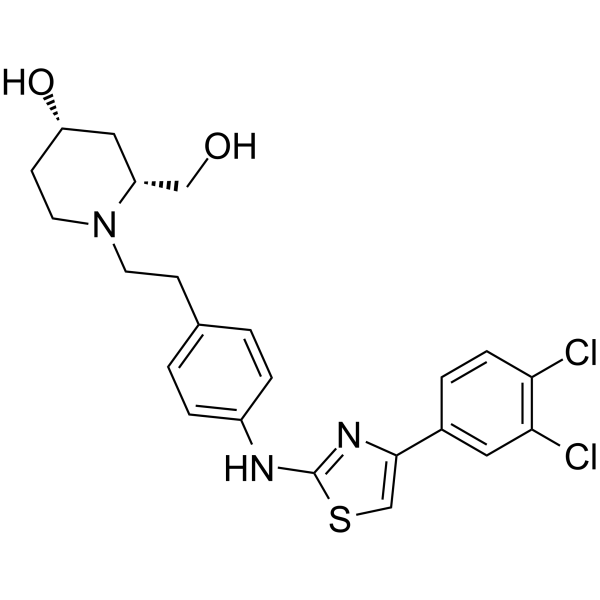
| DC71690 | Amgen-23 Featured |
Amgen-23 (compound 23) is a potent sphingosine kinases (SPHK) inhibitor with IC50 values of 20 nM and 1.6 μM for SPHK1 and SPHK2, respectively. Amgen-23 can be used for researching anticancer.
More description
|
|
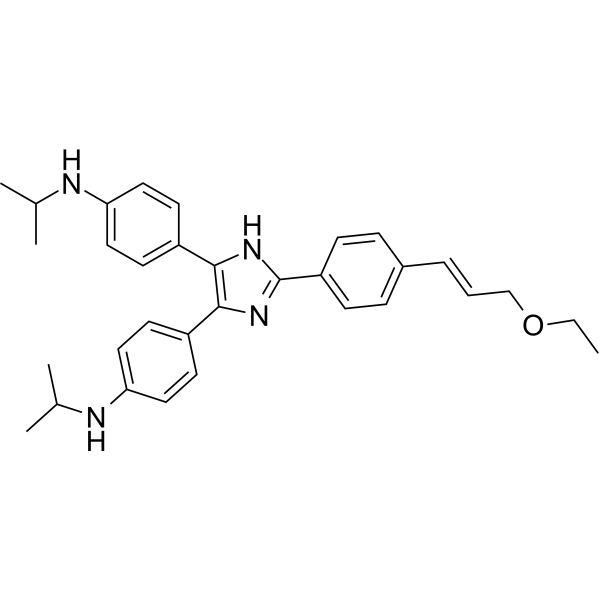
| DC31263 | ONT-093 Featured |
ONT-093, also known as OC-144-093, is an orally bioavailable P-glycoprotein pump inhibitor, for the potential reversal of multidrug resistance in patients undergoing cancer chemotherapy. ONT-093 could inhibit P-gp and reverse multidrug resistance at nM concentrations with no effect on paclitaxel pharmacokinetics. OC144-093 is the least non-specifically toxic Pgp inhibitor described to date, with an average cytostatic IC50 of >60 microM in 15 cell types. OC144-093 may represent an ideal candidate for use in enhancement of AED blood-brain barrier penetration.
More description
|
|
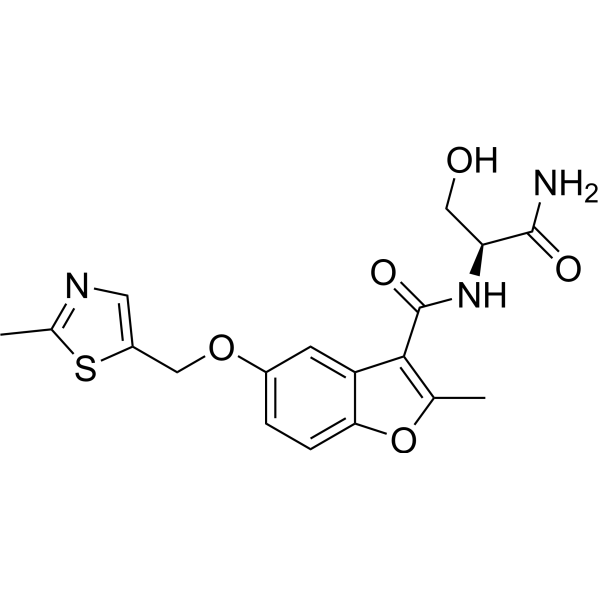
| DC80295 | Ponometrep(BBO-11818) Featured |
BBO-11818 is an orally active, highly selective (relative to NRAS and HRAS), non-covalent pan-KRAS inhibitor (IC50=28-120 nM). BBO-11818 specifically binds to the Switch-II/Helix 3 pocket, disrupts the KRAS:RAF1 interaction by inducing conformational changes, and blocks the MAPK signaling pathway. BBO-11818 exhibits significant anti-tumor activity, which not only inhibits cell proliferation and induces apoptosis, but also drives tumor regression in xenograft models. BBO-11818 produces synergistic effects when combined with Cetuximab, anti-PD-1 antibody or PI3Kα inhibitor. BBO-11818 is used in the research of KRAS mutation-related malignancies such as pancreatic cancer, non-small cell lung cancer and colorectal cancer.
More description
|
|
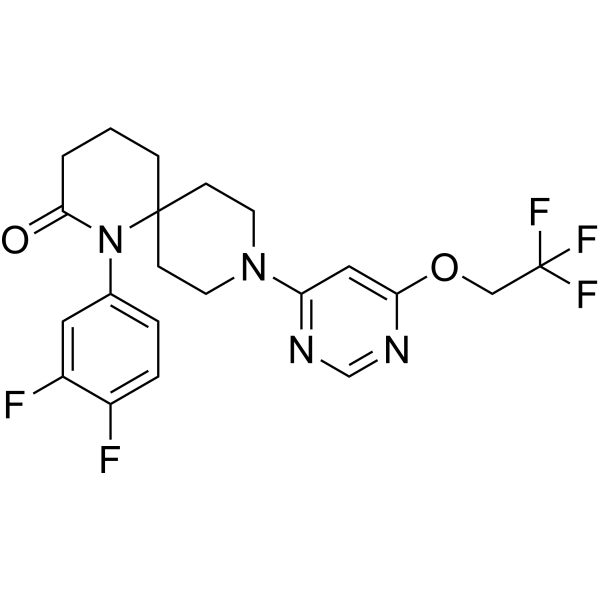
| DC60832 | GJG057 Featured |
GJG057 is a LTC4S inhibitor. GJG057 exhibits potent cytotoxic effects against various human cancer cell lines, including SGC-7901, HGC-27, and MCF-7, with IC₅₀ values of 20.5 ± 5.93 μM, 3.3 ± 2.53 μM, and 16.6 ± 0.75 μM, respectively. Notably, GJG057 shows high selectivity towards cancer cells over normal cells. Mechanistic investigations revealed that GJG057 induces apoptosis in a concentration-dependent manner and downregulates the expression of HIF-1α, VEGF, and PKM2, leading to decreased lactate production. Furthermore, GJG057 effectively inhibits tubulin assembly, suggesting its potential as a multi-target anti-tumor agent.
More description
|
|
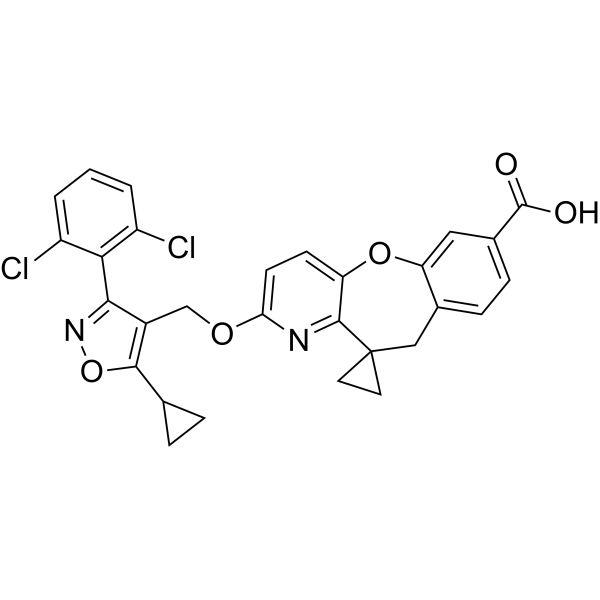
| DC60775 | HEC96719 Featured |
HEC96719 is a tricyclic farnesoid X receptor agonist (FXR agonist) for treatment of non-alcoholic steatohepatitis. HEC96719 exhibits excellent potency superior to GW4064 and obeticholic acid in in vitro and in vivo assays of FXR activation. It also shows higher FXR selectivity and more favorable tissue distribution dominantly in liver and intestine. Preclinical data on pharmacokinetic properties, efficacy, and safety profiles overall indicate that HEC96719 is a promising drug candidate for NASH treatment.
More description
|
|
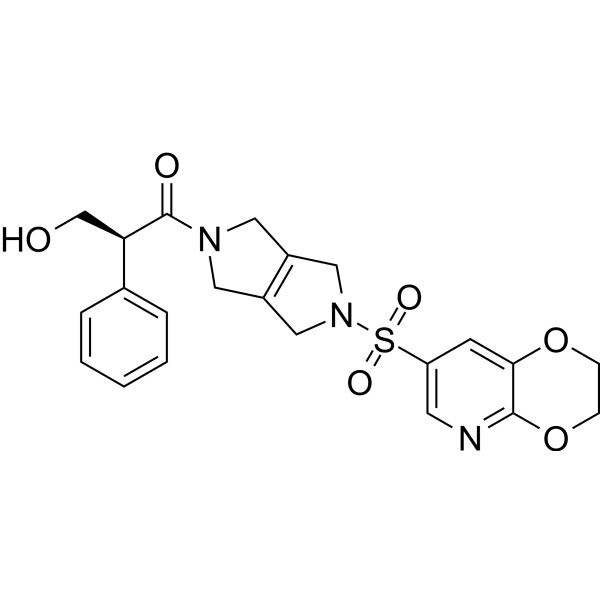
| DC47090 | Etavopivat Featured |
Etavopivat is a potent, selective, orally bioavailable red blood cell (RBC) pyruvate kinase (PKR) activator. Etavopivat has potent antisickling effects.
More description
|
|