To enhance service speed and avoid tariff delays, we've opened a US warehouse. All US orders ship directly from our US facility.
| Cat. No. | Product Name | Field of Application | Chemical Structure |
|---|---|---|---|
| DC80072 | 306-O12B (Triscormin) Featured |
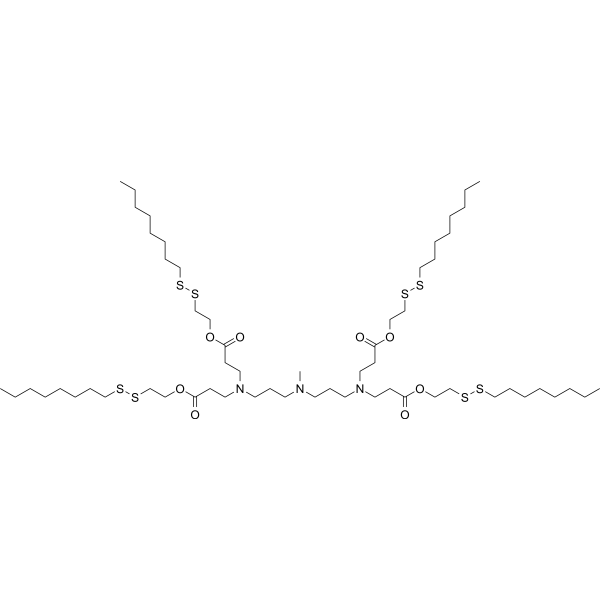
306-O12B is a novel cationic lipidoid.306-O12B LNP is more efficient than MC-3 LNP in inducing loss-of-function mutations in Angptl3 through CRISPR-Cas9-based genome editing.
More description
|
|
| DC60941 | Antioxidant lipid AO12 Featured |
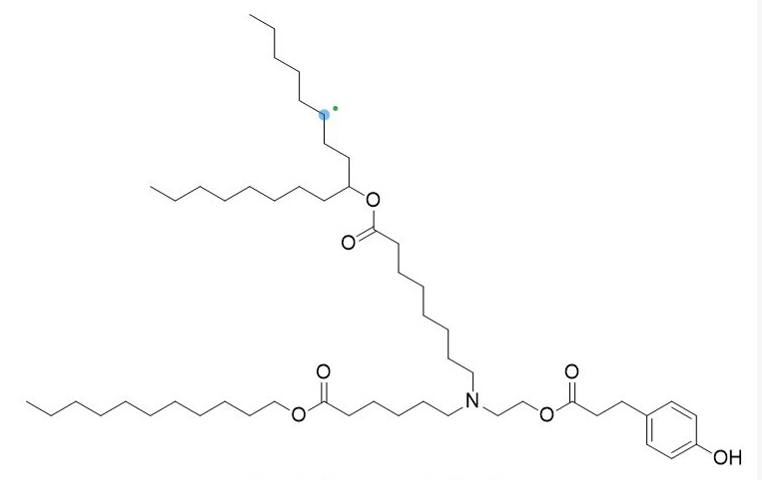
AO12 is a novel antioxidant ionizable lipid derived from SM-102 skeleton with para-hydroxyphenyl propionic acid side chains. Integrated into LNPs, it efficiently scavenges diverse reactive oxygen species including ·OH and ONOO⁻, shielding encapsulated mRNA from oxidative degradation. It retains fine LNP formulation features and cellular uptake capacity of conventional lipids, boosting in vivo mRNA translation. Applied for regenerative mRNA therapy and CRISPR gene editing against fibrosis and inflammatory disorders.
More description
|
|
| DC68150 | Lipid A10 Featured |
A10 (Compound 16) is a diketopiperazine‑based ionizable lipid disclosed in WO 2025/217298 A1 (PCT/US2025/023899) developed by NAVA Therapeutics that enables potent, cell‑selective in vivo delivery of mRNA and nucleic acids without targeting ligands. It forms stable, well‑tolerated lipid nanoparticles (LNPs) that preferentially transfect hematopoietic stem cells (HSCs), bone marrow progenitors, lung epithelium, endothelium, and immune cells while minimizing liver off‑target delivery. In both mice and non‑human primates, A10‑containing LNPs drive functional mRNA expression and gene editing in CD34⁺ HSCs at clinically relevant low doses (0.25–1.0 mg/kg), supporting in vivo HSC gene therapy without ex vivo manipulation.
More description
|

|
| DC68190 | SM-102 azide Featured |
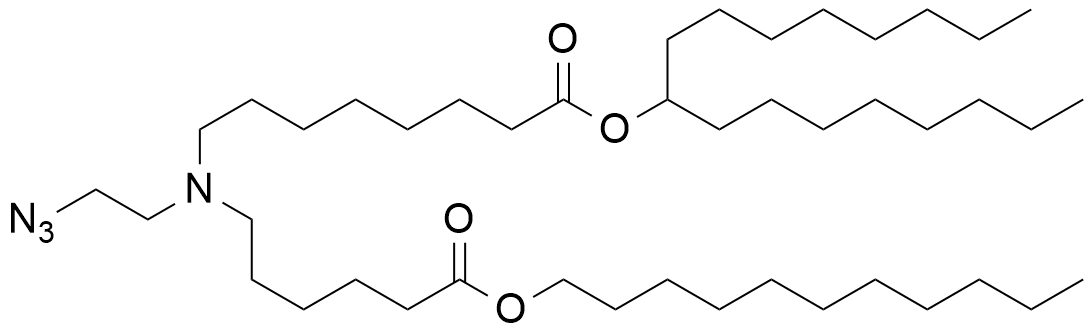
SM-102 azide is an azide-modified derivative of the clinically validated SM-102 ionizable lipid. Designed specifically for advanced Lipid Nanoparticle (LNP) formulation, this product integrates a reactive azide (-N₃) group to enable effortless, high-yield functionalization via click chemistry. It is the ideal tool for researchers and developers looking to construct targeted nucleic acid delivery systems, build diverse lipid libraries, or track LNPs in vivo.
More description
|
|
| DC68179 | A5-CE-C7-6 Featured |
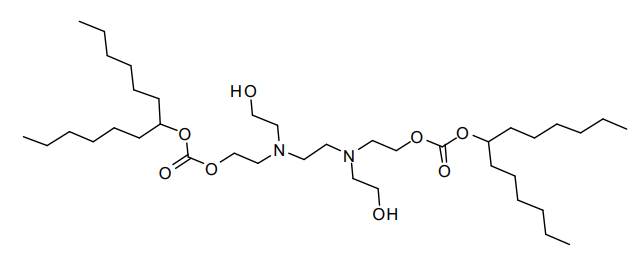
A5-CE-C7-6 is an ionizable lipid engineered for spleen-targeted mRNA delivery, integrating a hydroxylated dual-amine core (A5) for enhanced mRNA binding and endosomal escape, a biodegradable carbonate ester linker (CE) enabling rapid hydrolysis (61% degradation in 24 h), and branched heptyl hydrophobic tails (C7-6) that optimize nanoparticle stability and spleen tropism. When formulated into cholesterol-free lipid nanoparticles (B-8 formulation), its unique architecture—combining hydroxyl groups for cellular uptake, carbonate-mediated biodegradability, and branched-chain fluidity—achieves unprecedented efficiency: low pKa (~6.0) minimizes liver accumulation while enabling 21% transfection of splenic NK cells, outperforming benchmark systems like MC3 SORT LNPs by >10-fold in spleen-specific delivery and establishing a new standard for in vivo immune cell engineering.
More description
|
|
| DC60979 | Ionizable lipid-3 (SM-102 analogue) Featured |
Ionizable lipid-3( SM-102 analogu) is a cationic lipid for nucleic acid delivery, with the ability to form lipid nanoparticle mRNA vaccines that exhibit in vitro stability and immunostimulatory activity.This SM-102 analogue retains the ionizable tertiary amine and asymmetric hydrophobic architecture while replacing the ester linkages with carbonate groups and repositioning the hydroxyl functionality. These modifications are designed to tune biodegradability, membrane interactions, and LNP delivery performance.
More description
|
.png)
|
| DC68216 | Lipid CA2d Featured |
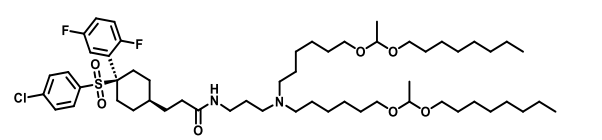
CA2d is an ionizable lipid developed for systemic mRNA delivery to the central nervous system. Its architecture combines an MK-0752-derived CNS-accessing moiety, a short three-carbon diamine spacer, a tertiary ionizable amine, and two acetal-containing hydrophobic tails. When formulated with DOPE, cholesterol and DMG-PEG2000, CA2d LNPs crossed the blood-brain barrier through caveolae- and γ-secretase-associated transcytosis and delivered mRNA to neurons, astrocytes, microglia and brain endothelial cells. Following intravenous administration of FLuc mRNA at 0.5 mg/kg in mice, CA2d produced 16.6-fold higher brain expression than MC3 and 8.6-fold higher expression than SM-102 at 6 hours. CA2d was further evaluated in repeated brain-cell transfection studies, a pilot rhesus macaque experiment and a tPA-modified TGF-β1 mRNA formulation for ischemic stroke. These results support CA2d as a promising preclinical research lipid for investigating non-viral CNS mRNA delivery; it has not been clinically validated.
More description
|
|
| DC68210 | Lipid CSL3 Featured |
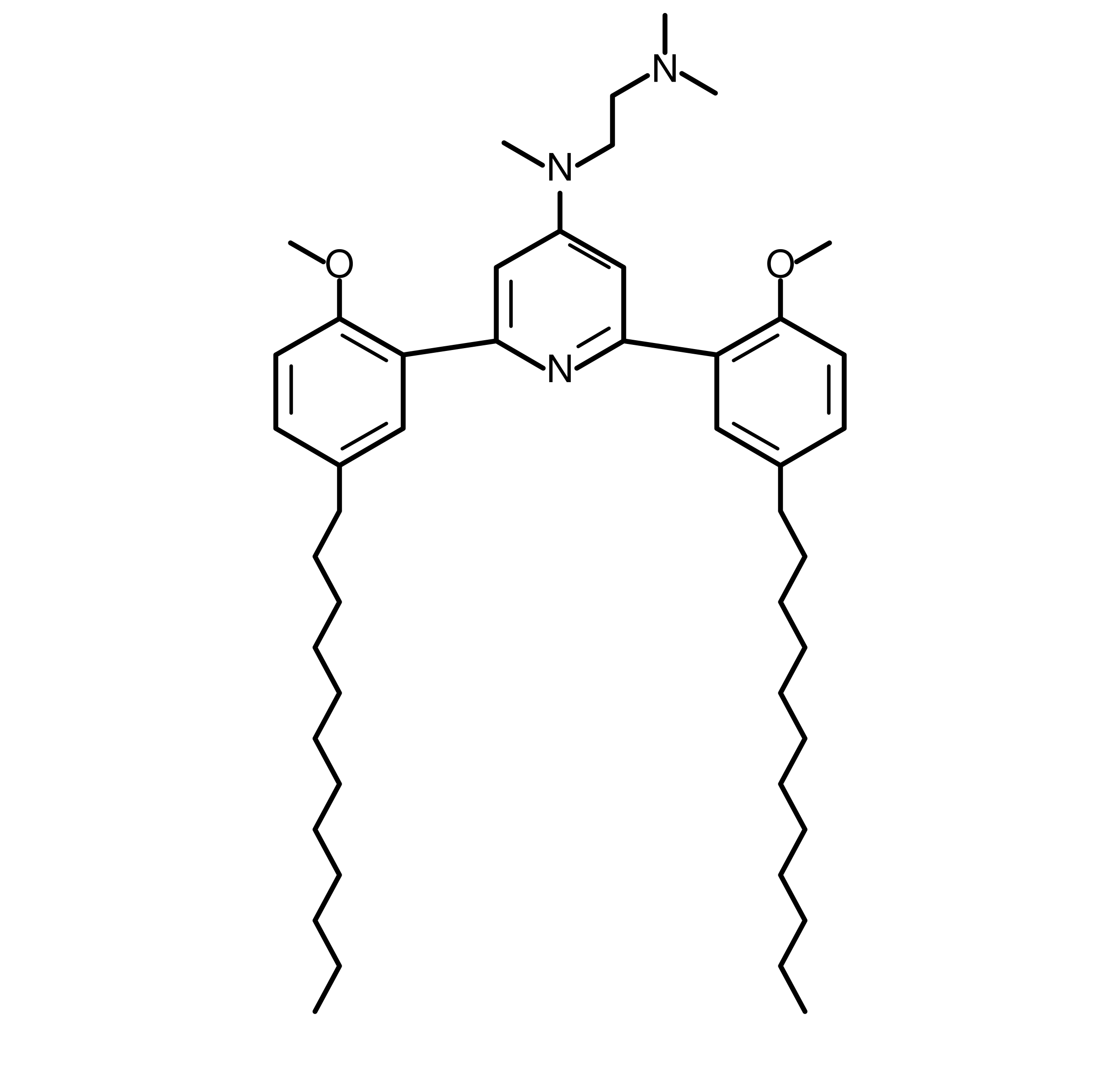
CSL3 is a pH-switchable cationic lipid optimized for siRNA LNP delivery. Its core design features central pyridine and two ortho-methoxy groups, forming intramolecular hydrogen bonds under endosomal pH 5–6 to trigger conformational flip, which drives membrane fusion and efficient endosomal escape—an advantage absent in control lipid CSL4 without methoxy moieties. Formulated with DSPC, cholesterol and DMG-PEG2000 at a fixed molar ratio, CSL3-based LNPs achieve 85–95% siRNA encapsulation, uniform particle size and decent serum stability. In vitro tests show potent gene silencing with low cytotoxicity; in vivo intravenous administration enables obvious liver accumulation and dose-dependent Factor VII knockdown in mice, proving its great potential for hepatic RNAi therapeutic research.
More description
|
|
| DC60638 | Acid-degradable PEG Lipid (ADP-2k) Featured |
Acid-degradable PEG Lipid (ADP) composed of polyethylene glycol lipid is synthesized with the azido-acetal linker and used to generate RD-LNPs, which significantly improves the performance of LNP-mRNA complexes in vitro and in vivo.
More description
|

|
| DC59002 | ssPalmO-Phe Featured |
ssPalmO-Phe(SS-OP) is a self-degradable material for the delivery of oligonucleotides. ssPalmO-Phe is a self-degradable derivative of ssPalm that is self-degraded in the intraparticle space by a specific hydrolytic reaction. ssPalmO-Phe is beneficial for overcoming the plasma/endosomal membrane, LNP-ssPalmO-Phe can be used to deliver both nucleic acids.
More description
|

|
| DC82001 | 4A3-SC8 Featured |
4A3-SC8 is a novel Ionizable amino lipid for RNA delivery.The CRISPR-Cas9 gene editing system has been a hotspot in the
field of gene therapy, especially the gene correction induced by
homology-directed repair (HDR). However, its application has
various obstacles, such as large molecular weight, poor stability,
off-target risk, and the complexity of codeliver multiple genes.
Farbiak et al. established a novel ionizable lipid library consisting
of four distinct amine cores (3A3, 3A5, 4A1, 4A3) and nine
peripheries with different alkyl chain lengths (SC5-SC14), and screened out a class of iLNPs with ability of encapsulating
Cas9 mRNA, sgRNA and donor DNA simultaneously.
The delivery efficiency (quantified by luciferase mRNA expression)
and iLNPs toxicity were evaluated with three different cell
lines (HEK293T, HeLa, and IGROV-1), indicating the formulation
containing 4A3-SC8 was the best. 4A3-SC8 iLNPs successfully
induced HDR in HEK293 cells by one-pot delivery of Cas9
mRNA, sgRNA, and the correct ssDNA template. Confocal
microscopy imaging showed that a portion of blue fluorescence
in cells was corrected to green fluorescence. Furthermore, the
nucleic acid ratios of Cas9: sgRNA: donor DNA loading in
iLNPs at a ratio of 2:1:3 could maximize the HDR efficiency with
the editing efficiency up to 23%, which breaks through the current
bottleneck of HDR efficiency of only 1–5%. This progress is
undoubtedly an important advance in the gene therapy field to
cure diseases caused by genetic mutations.
More description
|

|
| DC49907 | 5A2-SC8 Featured |
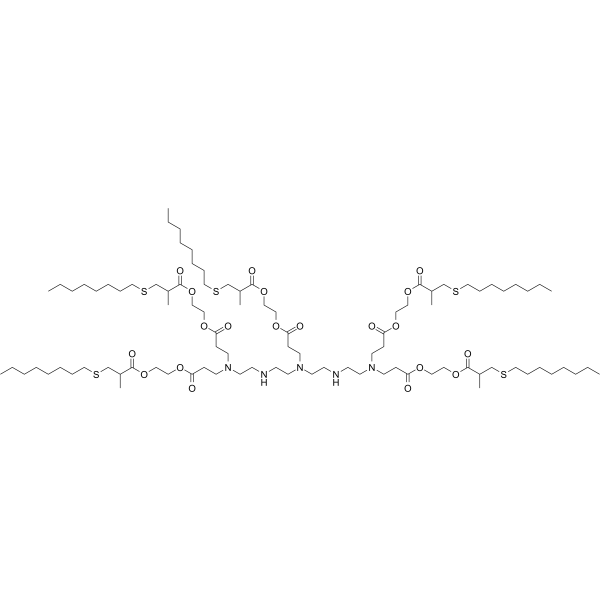
5A2-SC8 is a dendrimer for miRNA delivery to late-stage liver tumors with low hepatotoxicity. 5A2-SC8 shows potent EC50 < 0.02 mg/kg (siRNA against FVII (siFVII)) in dose-response experiments, and well tolerated in separate toxicity studies in chronically ill mice bearing MYC-driven tumors. 5A2-SC8 is a degradable lipid-like compound (ester-based dendrimer) for small RNAs delivery.5A2-SC8, was obtained by screening a large library of more than 1500 ester-based dendrimers
containing ionizable amino groups, which have three
tertiary amine heads and five lipid tails. Based on this library,
the in vitro transfection efficiency of different formulations of
5A2-SC8 iLNPs was evaluated, discovering the optimal formulation
(5A2-SC8, DOPE, cholesterol, PEG at a molar ratio of
15:15:30:3) of 5A2-SC8 iLNPs for delivering fumarylacetoacetate
hydrolase (FAH) mRNA to liver.After the intravenous injection
via tail, the model mice of hepatorenal tyrosinemia type I
had strong FAH protein expression, which prevented
body weight loss and increased the survival rate of hepatorenal
tyrosinemia mice . In addition to introducing utility of
5A2-SC8 iLNPs for the therapeutic intervention, the 5A2-SC8
iLNPs containing DOTAP have been used to establish complex
mouse models via intravenous injection, including in situ liverspecific
cancer model and in situ lung-specific cancer model.
Based on this iLNPs delivery system, 5A2-SC8 induced model
construction method overcomes the time-consuming and costly
disadvantages of traditional animal models establishing methods,
including transgenesis and gene engineering in embryonic
stem cells.
More description
|
|
| DC60789 | SM-86 Analog-1 Featured |
SM-86 Analog-1 is a novel ionizable lipid designed to improve the delivery of RNA via lipid nanoparticles (LNPs) It is derived from SM-86,with 8 carbon within its hydrophobic tail.
More description
|

|
| DC60508 | 4A3-SCC-10 Featured |
4A3-SCC-10 is a disulfide bond-containing biodegradable ionizable cationic lipid (pKa = 6.22) that has been used in the generation of lipid nanoparticles (LNPs) for the delivery of mRNA in vitro and in vivo. LNPs containing 4A3-SCC-10 and encapsulating a Cy5-RNA reporter have improved endosomal escape ability over Cy5-RNA-encapsulated LNPs containing 4A3-SC-10, which does not contain disulfide bonds, in HeLa cells. Intravenous administration of LNPs containing 4A3-SCC-10 and encapsulating an mRNA luciferase reporter selectively accumulate in mouse liver.
More description
|

|
| DC68212 | Lipid A3B7C2 Featured |
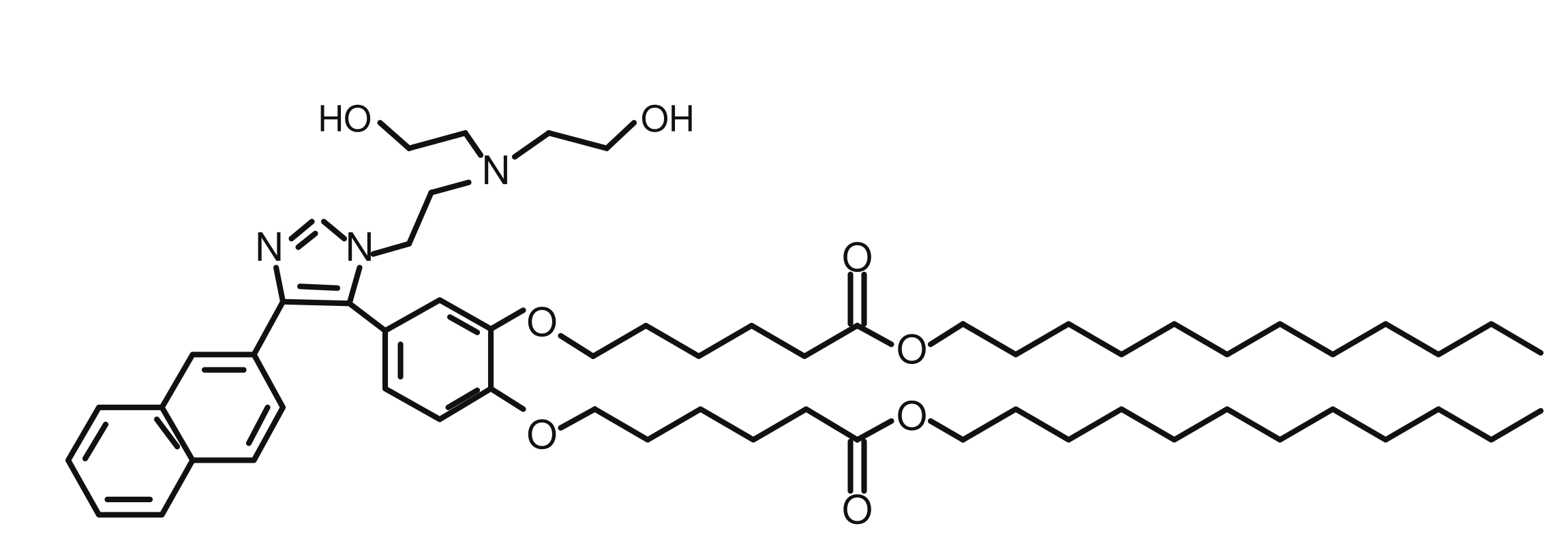
A3B7C2 is an imidazole‑based ionizable lipid, featuring dimethylamino‑imidazole head group connected via ester‑type degradable C2‑linker to two C14 unsaturated aliphatic tails. It forms LNPs achieving 98 % splenic transfection proportion, potent for splenic dendritic cell‑targeted mRNA delivery, superior to MC3, SM102.
More description
|
|
| DC67515 | CICL-207 Featured |
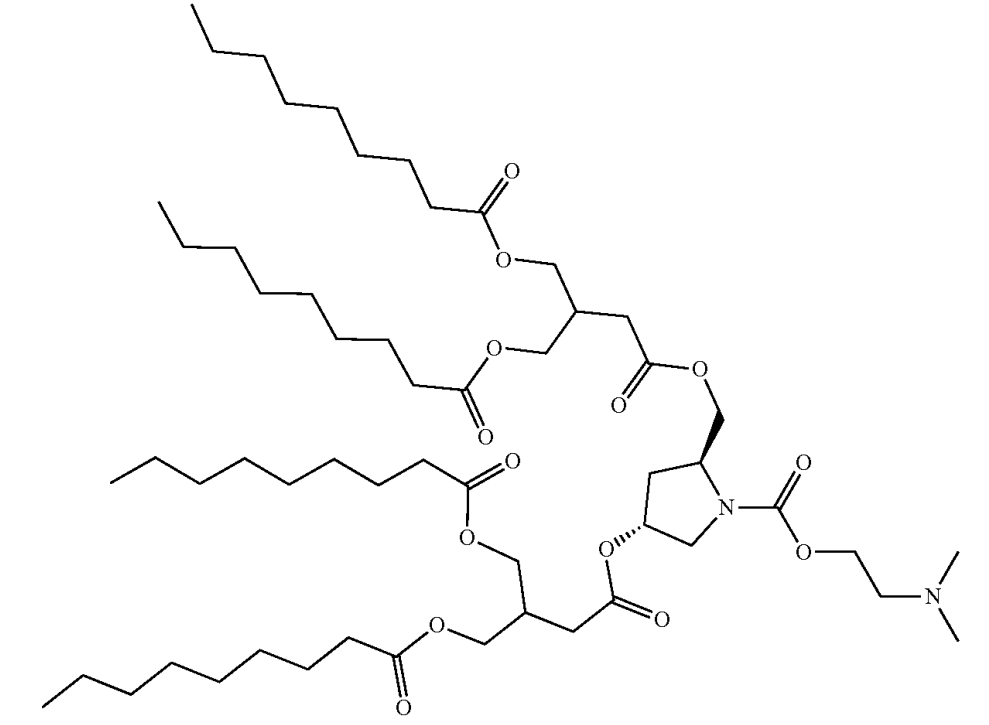
CICL 207 is structurally optimized based on Lipid CICL-1. CICL207 is a constrained ionizable cationic lipid designed for lipid nanoparticle (LNP) delivery systems developed by Capstan. Its structure features a rigid cyclic backbone (e.g., pyrrolidine-derived core) paired with a tertiary amine group that ionizes at acidic pH (pKa ~6.5–7.0), enhancing endosomal escape. The lipid includes asymmetric hydrophobic tails (likely C14–C18 alkyl/ester chains) to stabilize LNP membranes and improve nucleic acid encapsulation. Integrated into LNPs (e.g., 58% CICL-207, 10% DSPC, 30.5% cholesterol, PEG-lipids), it enables targeted delivery to T cells (anti-CD5/CD8 tLNPs) with high transfection efficiency (spleen T cells >70% mCherry+), reduced liver uptake, and low toxicity (no significant ALT/AST elevation in rats). Its constrained design balances stability, tissue specificity, and biocompatibility for gene therapy applications.CICL 207 (F50) significantly outperforms CICL-1 by delivering dramatically enhanced target cell transfection with reduced off-target effects. It achieves >50% transfection efficiency in splenic T-cells—nearly double that of CICL-1—while slashing off-target expression in liver cells to <5% (versus >15% for CICL-1. This precision translates to superior therapeutic outcomes: CICL-207 enables ~95% B-cell depletion in CAR-T applications, far exceeding CICL-1 ’s ~60% efficacy. Critically, it maintains an exceptional safety profile, showing no significant liver toxicity or inflammatory cytokine elevation even at high doses. Furthermore, CICL-207 demonstrates 2-fold higher transfection efficiency in hematopoietic stem cells, enabling robust gene editing. Its optimized pKa (~6.5) and constrained amine structure enhance endosomal escape while minimizing Kupffer cell uptake, making it ideal for targeted therapeutics requiring both potency and safety.
More description
|
|
| DC68213 | Lipid A1B7C2 Featured |
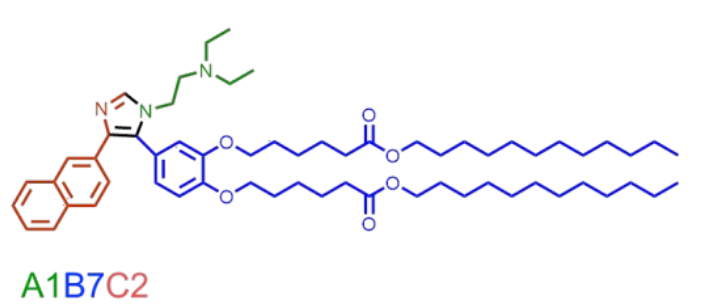
A1B7C2 is an imidazole‑based ionizable lipid from the IMIL library. It features dimethylamino‑propyl imidazole head group, paired with B7 hydrophobic tails and C2 degradable ester linkers. LNPs assembled from A1B7C2 can effectively accumulate within the spleen after systemic administration. It mediates mRNA expression in splenic tissue, and is applied as a key control compound to investigate structure‑activity relationships for spleen‑targeted nucleic acid delivery.
More description
|
|
| DC60639 | Acid-degradable Anionic Lipid (ADA) Featured |
ADA (Acid-Degradable Anionic Lipids) is revolutionizing mRNA delivery with its unique azido-acetal linker, enabling rapid hydrolysis in endosomes (pH ~6.0). This breakthrough technology ensures efficient endosomal escape, significantly enhancing mRNA delivery to target cells. ADA-LNPs excel in delivering mRNA to the spleen and liver, making them ideal for immune-related therapies.By degrading into biocompatible byproducts, ADA minimizes long-term tissue persistence and toxicity.ADA-LNPs outperform traditional LNPs, delivering mRNA more effectively to immune cells like macrophages and B cells.
More description
|
.png)
|
| DC67650 | EB-Lipid Featured |
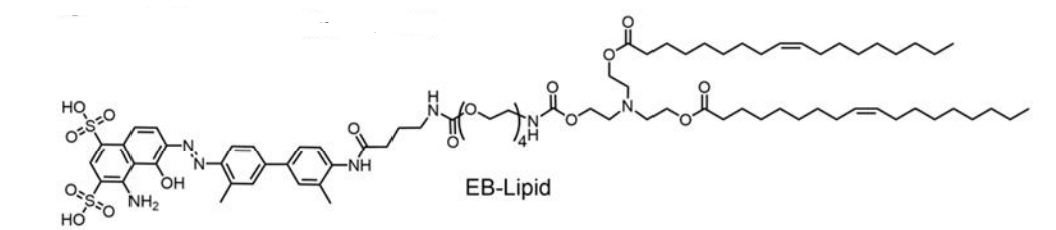
EB-Lipid is an innovatively engineered ionizable lipid designed to replace conventional PEG-lipid in mRNA vaccine formulations. Its structure comprises three key components: an Evans Blue-derived headgroup with high affinity for albumin, a tetraethylene glycol linker that enhances colloidal stability, and dual oleate tails for anchoring into lipid bilayers. This molecular design enables EB-Lipid to actively recruit endogenous albumin, forming an albumin-rich protein corona on the surface of lipid nanoparticles (LNPs). Following intramuscular administration, these albumin-bound EB-LNPs are preferentially transported through lymphatic vessels rather than entering the bloodstream, thereby avoiding hepatic accumulation and associated hepatotoxicity risks.Experimental data demonstrate that EB-LNPs achieve significantly higher accumulation in lymph nodes, where they are efficiently internalized by dendritic cells via albumin receptor-mediated endocytosis (e.g., gp60). This process enhances antigen presentation and activates robust cellular and humoral immune responses. In both tumor models (B16-OVA and HPV-associated) and infectious disease models (H1N1 and SARS-CoV-2 Omicron), EB-LNP-based mRNA vaccines elicited potent cytotoxic T-cell activation and durable neutralizing antibody production at low doses. Unlike traditional PEG-LNPs, EB-LNPs show minimal liver distribution, reduced immunogenicity, and improved safety profiles after repeated administrations.By leveraging albumin’s natural trafficking pathway, EB-Lipid represents a transformative delivery platform that combines targeted lymph node delivery with enhanced biosafety, positioning it as a promising candidate for next-generation mRNA vaccines and therapeutics.
More description
|
|
| DC60636 | Acid-degradable Cationic Lipid (ADC) Featured |
Acid-degradable Cationic Lipid (ADC) composed of cationic lipid is synthesized with the azido-acetal linker and used to generate RD-LNPs, which significantly improves the performance of LNP-mRNA complexes in vitro and in vivo.
More description
|
.png)
|
| DC68228 | Lipid SG5 Featured |
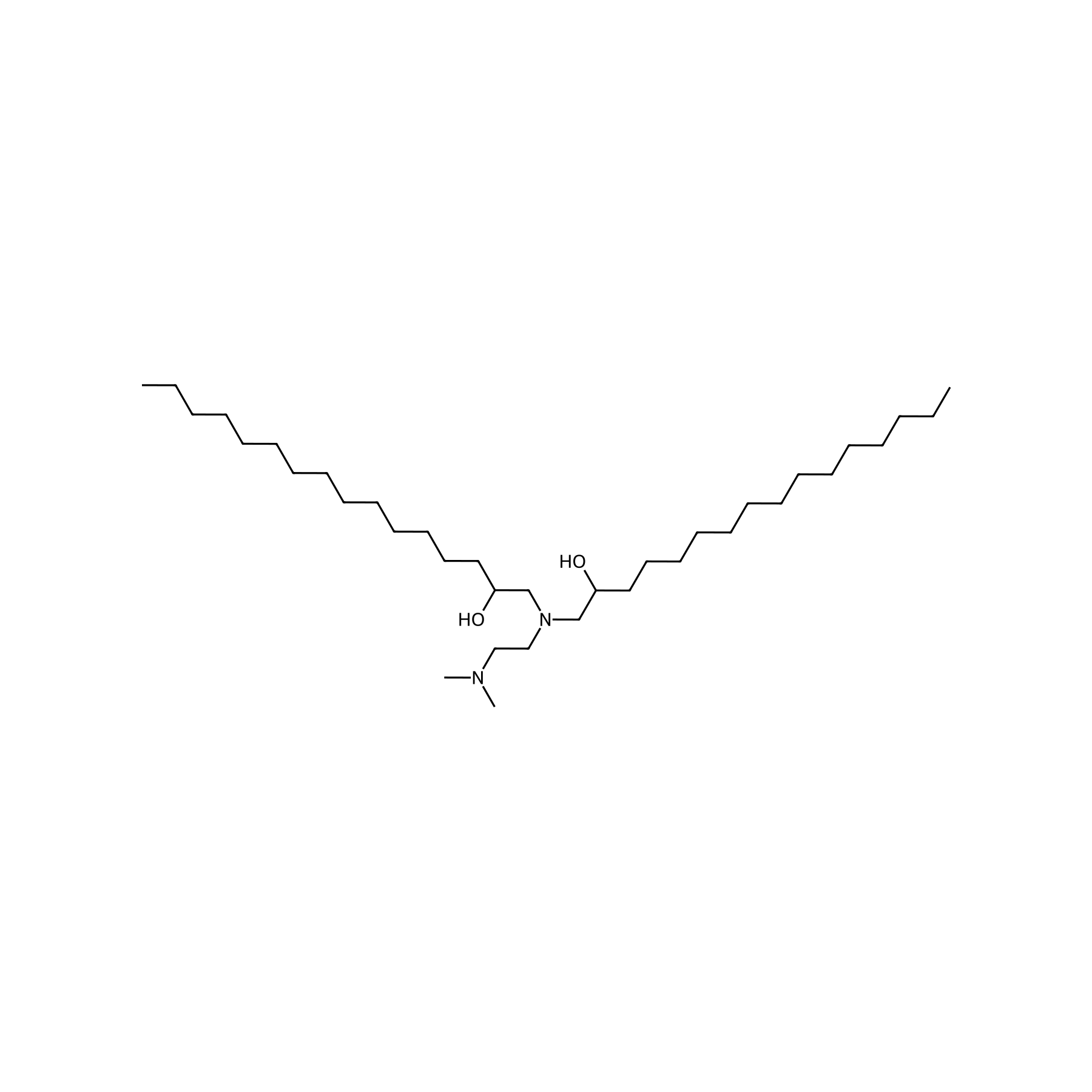
SG5 is a dual-amine ionizable lipid developed for systemic, lung-selective mRNA delivery. Its two closely spaced tertiary amines and two C16 beta-hydroxy tails produce two apparent pKa transitions when formulated as fSG5 LNPs, enabling stepwise protonation during endosomal maturation. In mice, fSG5 generated substantially stronger pulmonary luciferase expression than a C12-200/DOTAP comparator and enabled functional Cre mRNA delivery. Delivery of Nrf2 mRNA reduced edema and inflammatory injury in an LPS-induced acute lung injury model. SG5 is a preclinical research lipid for pulmonary RNA delivery and gene-editing studies.
More description
|
|
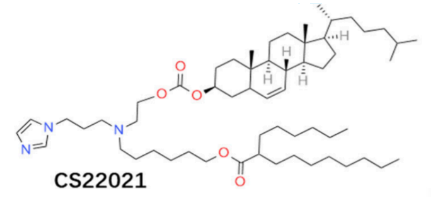
| DC67539 | CS22021 Featured |
CS22021 is a novel, synthetically engineered ionizable sterol lipid (ISL) developed by CanSino, specifically designed for advanced mRNA delivery via lipid nanoparticles (LNPs). Its core innovation lies in its unique molecular architecture, which integrates a cholesterol moiety directly conjugated to a branched aliphatic tail (derived from ALC-0315) and a hydrophilic headgroup containing tertiary amines. This bifunctional design allows CS22021 to simultaneously fulfill the roles of both the ionizable lipid (for mRNA binding/encapsulation and endosomal escape) and the structural cholesterol component within LNPs. Consequently, CS22021 enables the formulation of highly efficient three-component LNPs (ISL-3C-LNPs), eliminating the need for free cholesterol, using only itself, the phospholipid DOPE (crucial for forming stable, uniform nanoparticles without defects), and a PEGylated lipid. When formulated into LNPs and administered intramuscularly, CS22021 demonstrates a critical property: it achieves localized mRNA expression predominantly at the injection site, significantly minimizing off-target delivery (especially to the liver/spleen) and associated systemic toxicity. Furthermore, mRNA vaccines delivered by CS22021-based LNPs elicit robust and balanced immune responses, including strong antigen-specific IgG antibodies and, notably, a significantly enhanced CD8+ T cell response compared to conventional four-component LNPs. This combination of efficient mRNA encapsulation/delivery, localized expression for improved safety, and potent induction of cellular immunity, particularly CD8+ T cells, positions CS22021 as a highly promising lipid platform, especially for next-generation mRNA vaccine applications like cancer immunotherapy.
More description
|
|
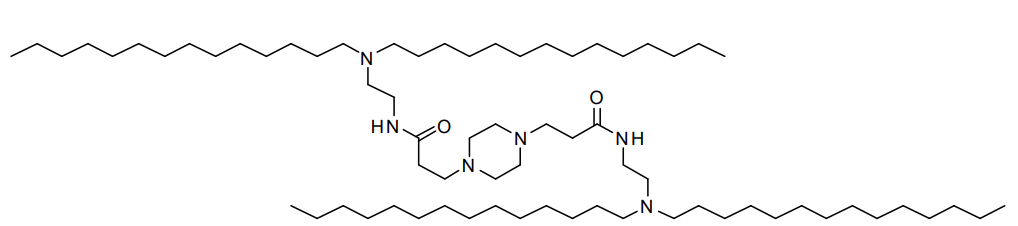
| DC60463 | MIC2 Featured |
MIC2 is a set of multi-charged lipids with four tertiary amino nitrogen atoms (4N4T) which could be constructed and applied to form novel lipid nanoparticles developed by Westgen. 4N4T-LNPs based on MIC2 exhibit much higher mRNA translation efficiency than the approved SM-102-LNPs. 4N4T-LNPs are successfully applied to DS mRNA vaccine and the vaccines worked well against SARS-CoV-2 and its variants, including Delta and Omicron.
More description
|
|
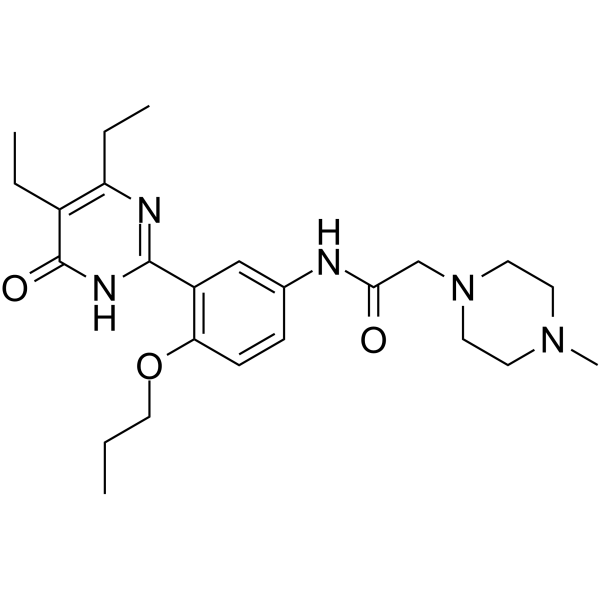
| DC73770 | TPN171 Featured |
TPN171 (TPN-171) is a highly potent, selective phosphodiesterase type 5 (PDE5) inhibitor with IC50 of 0.62 nM, 32-fold selectivity over PDE6.
More description
|
|
| DC49952 | 246C10 Featured |
246C10 is a synthesized ionizable lipid. 246C10 can be formulated into lipid nanoparticles (LNPs) with dioleoylphosphatidylethanolamine (DOPE), cholesterol, and C16-PEG2000 ceramide (PEG-lipid) as well as mRNA. The lipid nanoparticle formulations can be used for mRNA delivery. To obtain iLNPs that could specifically target liver sinusoidal
endothelial cells (LSECs), six different ionizable lipids (241C10
to 246C10) were synthesized by an epoxide ring-opening
reaction with piperazine- or piperidine-containing amines.
Biodistribution and gene regulation of various iLNPs were
assessed in vivo, and the results showed that the 246C10
iLNPs (containing piperazine amine) had the highest luciferase
expression in the liver. When further analyzing the
246C10 iLNPs transfection efficiency in different types of liver
cells, it was found that tdTomato fluorescence was mainly concentrated
in hepatocytes, not in LSECs. Figure 6f shows that 80%
of hepatocytes are fluorescent, 40% of LSECs are fluorescent, and
20% of Kupffer cells are fluorescent. Due to the mannose receptor
on LSECs, mannose-PEG lipid was introduced into 246C10
iLNPs to alter the distribution of iLNPs in different liver cells. As
shown in Figure 6g, tdTomato fluorescence distribution was 15%
of hepatocytes, 70% of LSECs, and 15% of Kupffer cells, significantly
improved the ability of iLNPs to actively target LSECs.
In contrast, this work indirectly shows that the iLNPs with piperazine
head lipid are more able to deliver mRNA to the liver and
translate the target protein than the iLNPs with piperidine
head lipid. It is worth mentioning that the preparation buffer of 246C10
iLNPs could influence the encapsulation efficiency of mRNA.
With the addition of sodium chloride in the citrate buffer, the
encapsulation efficiency of CRISPR-Cas9 mRNA and sgRNA
was increased. These iLNPs were able to treat hemophilia safely,
without causing hepatotoxicity, the immune response induced by
Cas9 and off-target editing.
More description
|

|
| DC60825 | lipid 11-10-8 Featured |
11-10-8 is an ionizable cationic lipid (pKa = 6.22) that has been used in the generation of lipid nanoparticles (LNPs) for mRNA delivery in vivo.1 LNPs containing 11-10-8 and encapsulating mRNA encoding the Cas9 nuclease and small-guide RNA (sgRNA) targeting transthyretin (TTR), a thyroid hormone carrier protein, decrease serum levels of TTR in mice. LNPs containing 11-10-8 and encapsulating mRNA encoding human fibroblast growth factor 21 (hFGF21) increase serum levels of hFGF21, decrease body and liver weights, and reduce the liver steatosis score in a mouse model of obesity induced by a high-fat diet.
More description
|

|
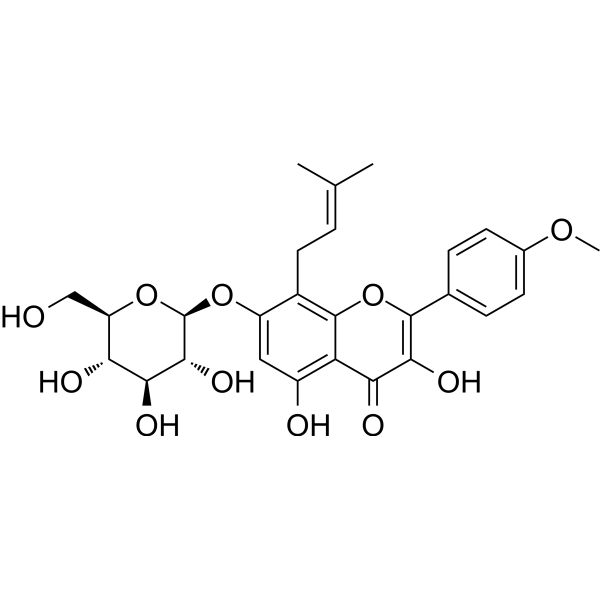
| DC12286 | Icariside I Featured |
Icariside I is a metabolite of Icarlin, which could regulate bone remodeling and is recognized as an effective agent for the treatment of osteoporosis.
More description
|
|
| DC22327 | (20R)-Protopanaxdiol Featured |
(20R)-Protopanaxdiol has protective effect on myocardial ischemia, which may be related to improving free radicals metabolism and myocardial metabolism, decreasing plasma TXA 2 levels.
More description
|
-Protopanaxadiol.gif)
|
| DC9767 | SHR-1977 Featured |
SHR-1977 is a novel ROMK/hERG inhibitor, (ROMK IC50 = 44 nM, hERG IC50 = >100,000 nM)
More description
|

|
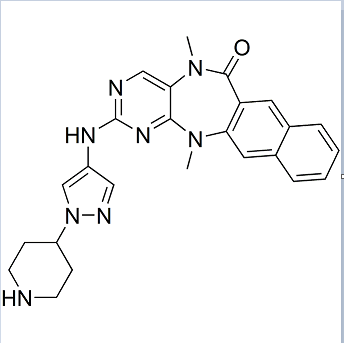
| DC7687 | XMD-18-42 Featured |
XMD-18-42 is a NUAK1-sepcific inhibitor.
More description
|
|