To enhance service speed and avoid tariff delays, we've opened a US warehouse. All US orders ship directly from our US facility.
| Cat. No. | Product Name | Field of Application | Chemical Structure |
|---|---|---|---|
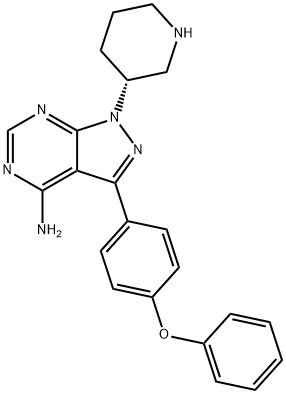
| DC42421 | IBT6A Featured |
IBT6A is an impurity of Ibrutinib. IBT6A can be used in synthesis of IBT6A Ibrutinib dimer and IBT6A adduct. Ibrutinib is a selective, irreversible Btk with an IC50 of 0.5 nM.
More description
|
|
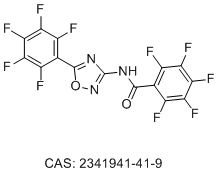
| DC74105 | NV914 Featured |
NV914 is a small molecule inhibitor of tRNA-specific 2′-O-methyltransferase (FTSJ1), exerts readthrough activity in vitro and in vivo.
More description
|
|
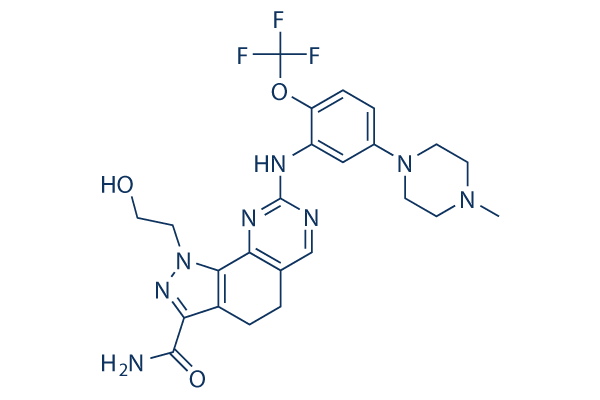
| DC8445 | Onvansertib (NMS-P937) Featured |
NMS-P937 (NMS1286937) is an orally available, selective Polo-like Kinase 1 (PLK1) inhibitor with IC50 of 2 nM, 5000-fold selectivity over PLK2/PLK3. Phase 1.
More description
|
|
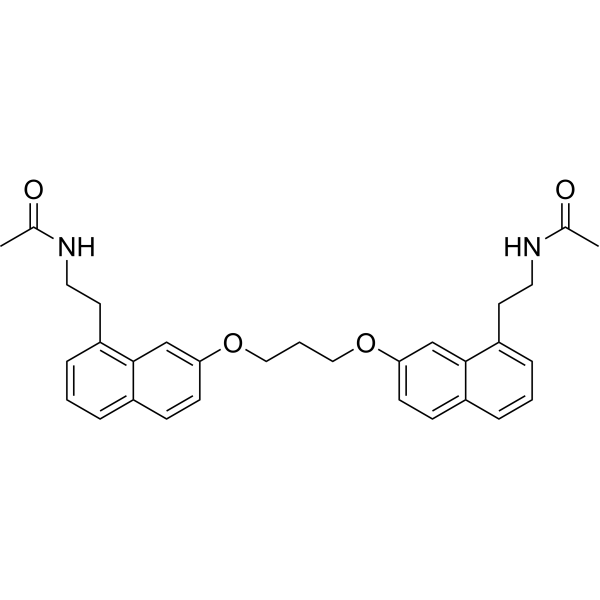
| DC28432 | S26131 Featured |
S26131 (compound 5) is a potent and selective MT1 melatoninergic ligand, and the Ki values are 0.5 and 112 nM for MT1 and MT2, respectively. S26131 behaves as an MT1 and MT2 antagonist.
More description
|
|
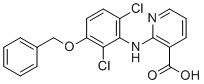
| DC70312 | CLC-2-IN AK42 Featured |
CLC-2-IN-AK42 (CLC-2 inhibitor AK42, AK42) is a potent, specific small-molecule inhibitor of voltage-gated chloride channel CLC-2 with IC50 of 17 nM (human CLC-2).AK42 displays unprecedented selectivity (>1,000-fold) over CLC-1, the closest CLC-2 homolog, and no off-target engagement a diverse panel of 61 CNS receptors, channels, and transporters expressed in brain tissue.AK-42 binds to an extracellular vestibule above the channel pore. AK-42 is almost three orders-of-magnitude more potent than MCFA, demonstrates high potency (IC50=14 nM for rat CLC-2) in manual patch-clamp experiments on CHO cells transiently transfected with rat CLC-2.AK-42 inhibits hyperpolarization-activated current in hippocampal cells, attenuates steady-state currents and eliminated relaxation currents in recorded neurons.AK-42 is a powerful tool for investigating CLC-2 neurophysiology.
More description
|
|
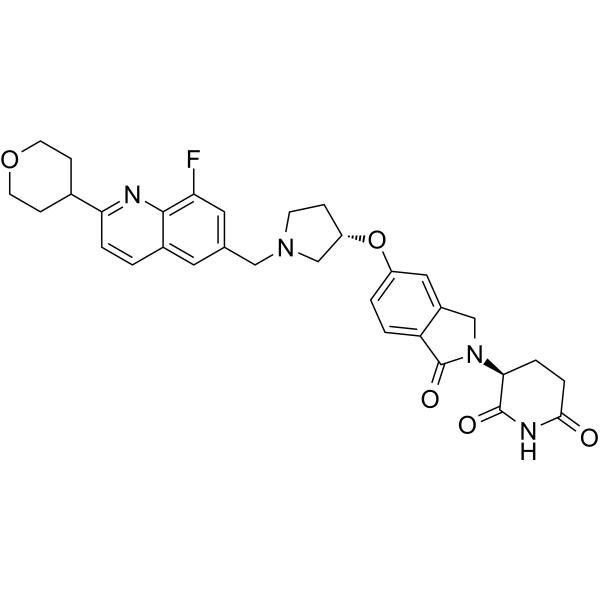
| DC67584 | BMS-986463 Featured |
BMS-986463 is a novel, first-in-class targeted protein degrader designed to specifically eliminate WEE1 kinase, a master regulator of cell cycle progression.
More description
|
|
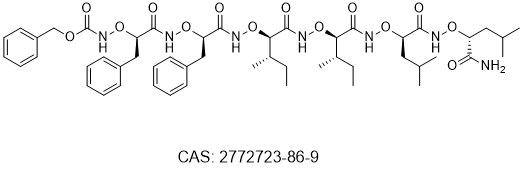
| DC70191 | Aminoxyrone Featured |
Aminoxyrone is a novel peptidometic C-terminal HSP90 inhibitor by targeting HSP90 dimerization via the C-terminal domain (CTD) with Kd of 27.4 uM; destabilizes BCR-ABL1 without inducing HSR in vitro and in vivo, additionally reduces pAKT-S473, pS6 expression and expression of client proteins associated with HSP90 chaperone activity, involving t-AKT, t-STAT5a, t-CRKL, cMYC, and BCL2; triggers the degradation of HSP90 client proteins without elevating the expression of HSPs (HSP70, HSP40 & HSP27); significantly inhibits cell growth and induces apoptosis of human leukemic stem cells (LSCs) with average EC50 of 20.94 uM, Aminoxyrone is effective in imatinib resistant CML and lacks heat shock response.
More description
|
|
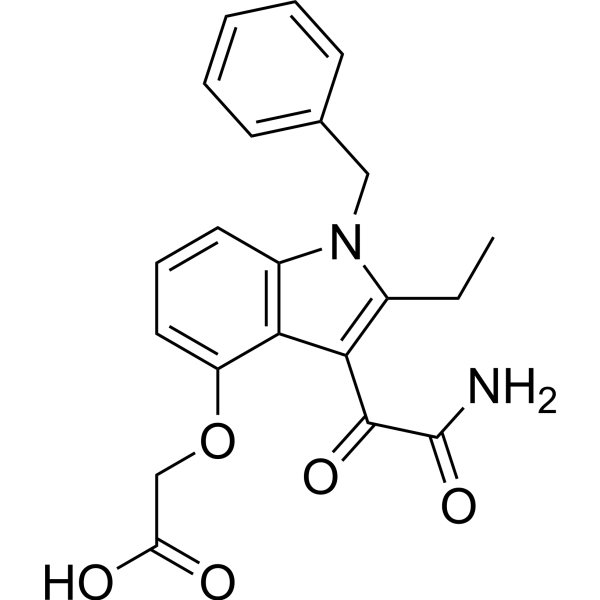
| DC7526 | Varespladib Featured |
LY315920 (Varespladib) is a potent and selective human non-pancreatic secretory phospholipase A2 (hnsPLA) inhibitor with IC50 of 7 nM,. Phase 3.
More description
|
|
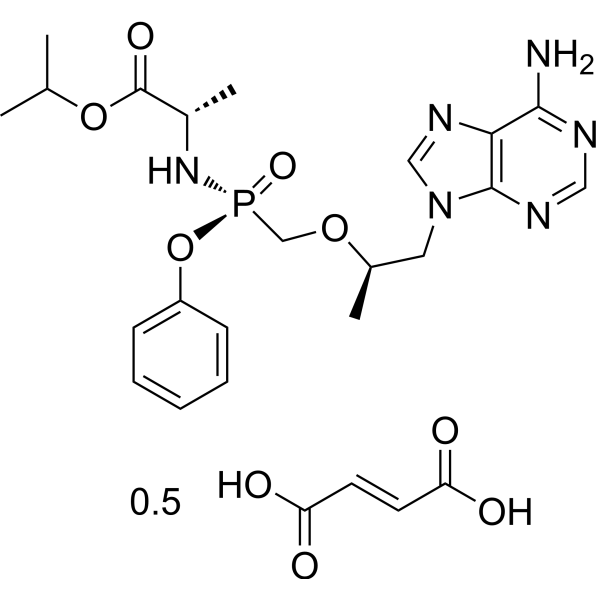
| DC9294 | Tenofovir Alafenamide Hemifumarate Featured |
GS-7340(Tenofovir alafenamide) is a prodrug of tenofovir (TFV) that more efficiently delivers TFV into lymphoid cells and tissues than TFV disoproxil fumarate.
More description
|
|
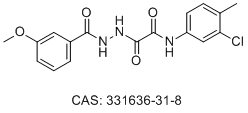
| DC73747 | CID 3117694 Featured |
CID 3117694 is a selective, non-competitive inhibitor of ADAM10 with IC50 of 1.1 uM, does not inhibit ADAM17.
More description
|
|
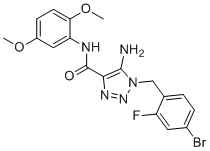
| DC73692 | GNE551 Featured |
GNE551 is a potent, selective, non-covalent agonist of TRPA1 ion channel with EC50 of 254 nM in Ca2+ influx assays.
More description
|
|
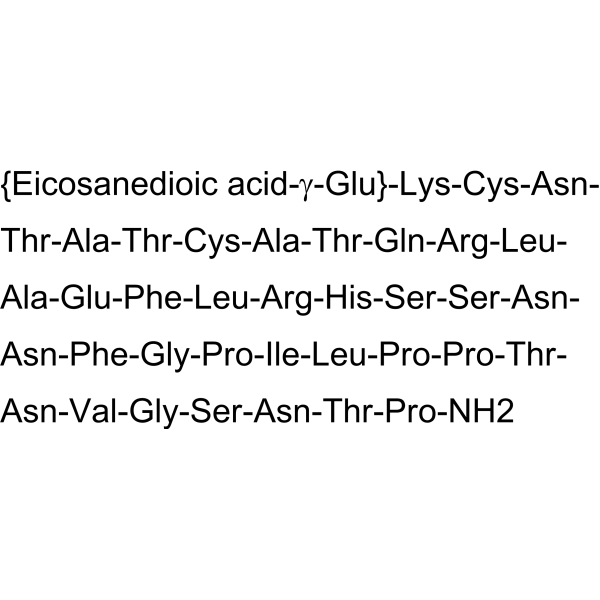
| DC65705 | Cagrilintide Featured |
Cagrilintide is an investigational novel long-acting acylated amylin analogue, acts as nonselective amylin receptors (AMYR) and calcitonin G protein-coupled receptor (CTR) agonist. Cagrilintide induces significant weight loss and reduces food intake. Cagrilintide has the potential for the research of obesity.
More description
|
|
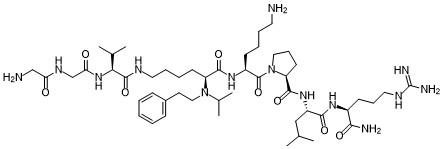
| DCC5339 | UNC6641 Featured |
Novel peptidomimetic antagonist of the PHF1 Tudor domain, binding both PHF1 Tudor domain and the related protein PHF19
More description
|
|
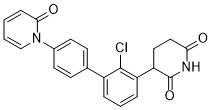
| DC60676 | MRT6160 Featured |
MRT-6160 represents a groundbreaking molecular glue degrader designed to selectively target VAV1, achieving its proteasomal degradation with a DC50 value of 7 nM. This innovative compound showcases its unique mechanism and therapeutic potential.
More description
|
|
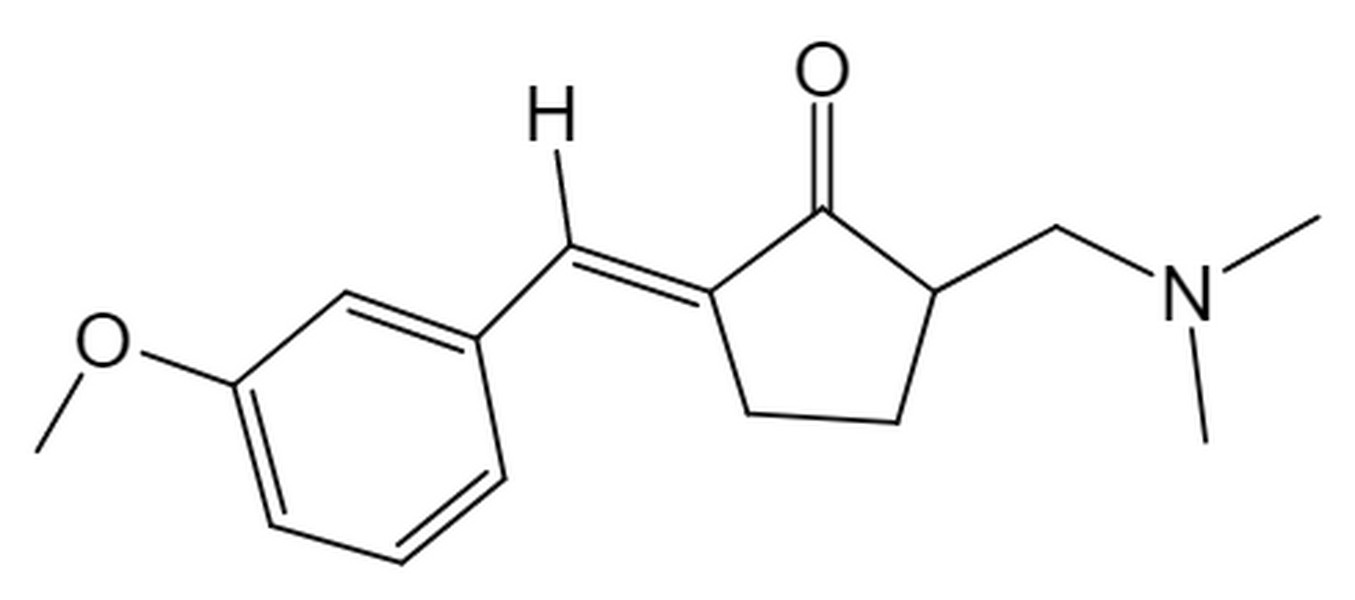
| DC60921 | CCI-38 Featured |
CCI-38 is an effective YTHDF2 inhibitor with Kd of 10.1 μM. CCI-38 can suppress YTHDF2-mediated post-transcriptional regulation of target gene expression. CCI-38 also exhibits potent therapeutic efficacy and synergies with T cell-based immunotherapy in treating B cell malignancies.
More description
|
|
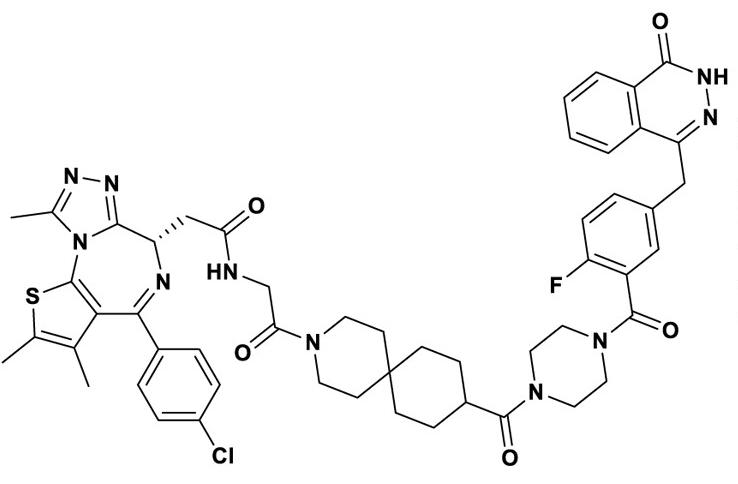
| DC60920 | DD-CIP2 Featured |
DD-CIP2 is a DNA damage chemical inducer of proximity. DD-CIP2 demonstrates dramatically increased potency in SU-DHL-5 and MOLT-4 cells with EC50 of 0.78 nM and 4.6 nM, respectively. DD-CIP2 induces robust DNA damage and apoptosis in vitro and exhibits antitumor efficacy in vivo.
More description
|
|
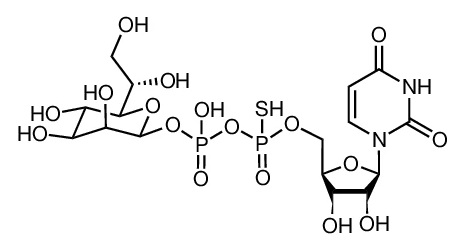
| DC60919 | UDSP-Hep Featured |
UDSP-Hep is a bacterial ADP-heptose analogue. UDSP-Hep is a potent ALPK1 agonist with EC50 of 0.0423 μM. UDSP-Hep distinguishs Alpk1 polymorphism and exhibits a stronger Alpk1-mediated antitumour effect and synergized with checkpoint inhibitors.
More description
|
|
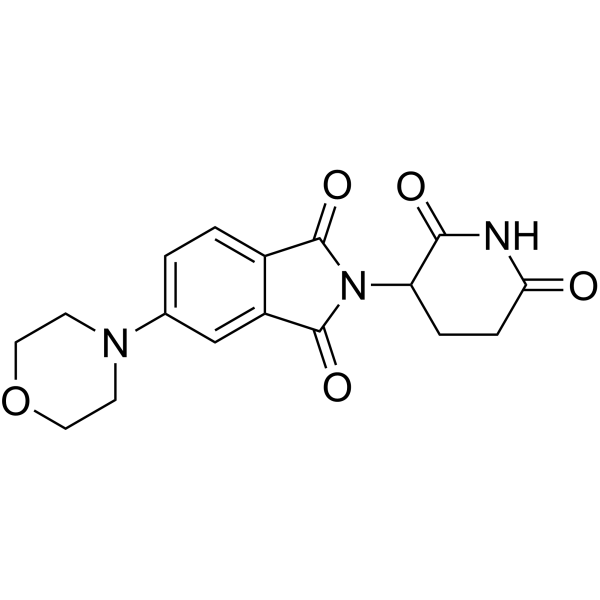
| DC60559 | PT-179 Featured |
PT-179 is a novel orthogonal immunomodulatory drug (IMiD) derivative that selectively binds to CRBN without inducing degradation of off-target proteins. It demonstrates potent activity in degrading proteins fused to SD40, regardless of whether the fusion occurs at the N or C terminus.
More description
|
|
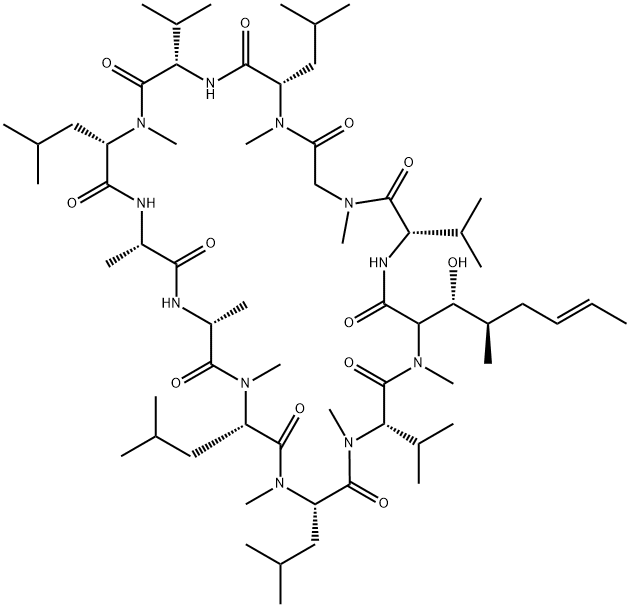
| DC29192 | Cyclosporin D Featured |
Cyclosporin D, a metabolite of Cyclosporin A, is a weak immunosuppressant. Cyclosporin D is used as internal standard for quantification of Cyclosporin A. Cyclosporin A is a potent immunosuppressant drug, suppress T cell activation by inhibiting calcineurin and the calcineurin-dependent transcription factors nuclear factor of activated T cells (NFAc).
More description
|
|
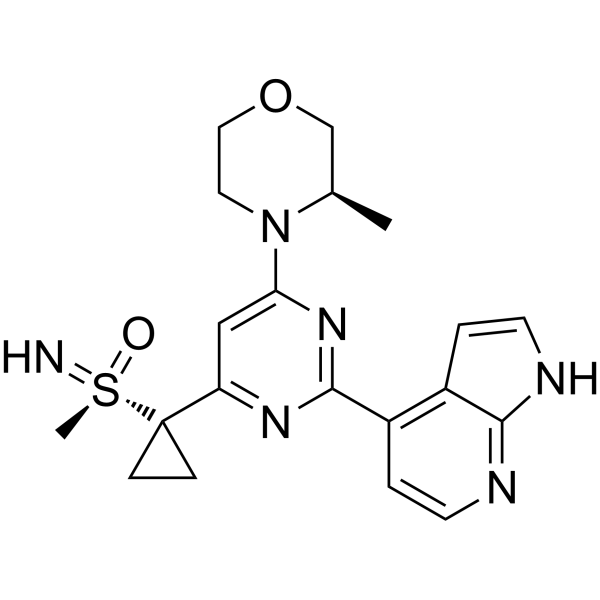
| DC8468 | Ceralasertib (AZD6738) Featured |
Ceralasertib (AZD6738) is an orally active, and selective ATR kinase inhibitor with IC50 of 1 nM. Phase 1/2.
More description
|
|
| DCAPI1162 | Ecdysone Featured |
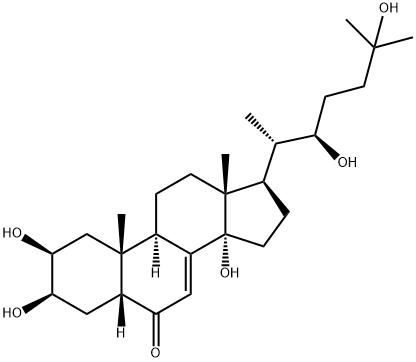
Ecdysone (α-Ecdysone), a major steroid hormone in insects and herbs, triggers mineralocorticoid receptor (MR) activation and induces cellular apoptosis. Ecdysone plays essential roles in coordinating developmental transitions and homeostatic sleep regulation through its active metabolite 20-hydroxyecdysone (Crustecdysone; 20E; HY-N6979).
More description
|
|
| DC46524 | HAIYPRH hydrochloride Featured |
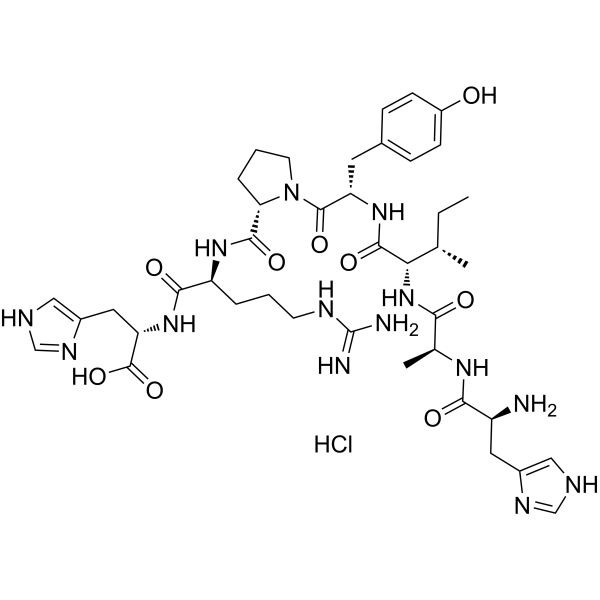
HAIYPRH hydrochloride, a targeting ligand, can specially bind to transferrin receptor (TfR). HAIYPRH hydrochloride can mediate the transport of nanocarriers across the blood-brain barrier.
More description
|
|
| DC60358 | EDOPC Featured |
|
|
| DC8003 | FRAX486 Featured |
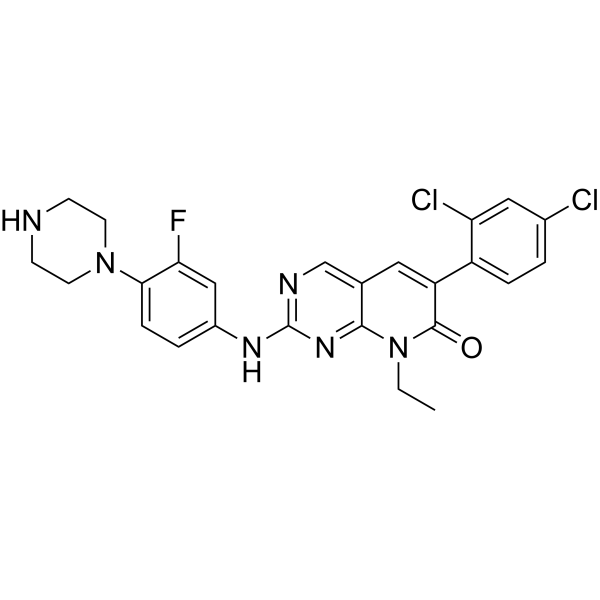
FRAX486 is a selective inhibitor of group I PAKs with IC50s of 8.25/39.5, /55.3 nM for PAK1/PAK2/PAK3 respectivelt; less potent for PAK4(IC50=779 nM).
More description
|
|
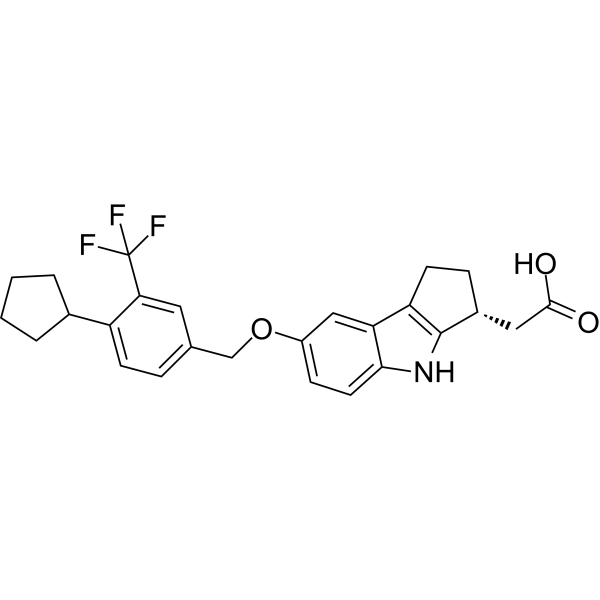
| DC10040 | Etrasimod(APD334) Featured |
Etrasimod (APD334) is a potent, selective and orally available antagonist of the sphingosine-1-phosphate-1(S1P1) receptor with an IC50 value of 1.88 nM in CHO cells.
More description
|
|
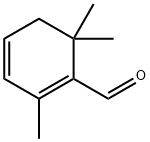
| DC41428 | Safranal Featured |
Safranal is an orally active main component of Saffron (Crocus sativus) and is responsible for the unique aroma of this spice. Safranal has neuroprotective and anti-inflammatory effects and has the potential for Parkinson’s disease research.
More description
|
|
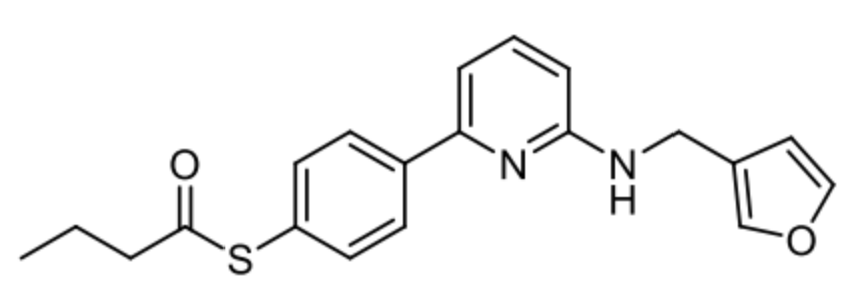
| DC67993 | BRD1158-thioester Featured |
BRD1158-thioester is the precursor of BRD1158.
More description
|
|
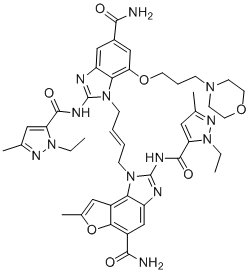
| DC73554 | HB3089 Featured |
HB3089 (HB-3089) is a novel potent, highly specific STING agonist, dose-dependently activates interferon-stimulated gene (ISG) signaling in THP1-Dual reporter cells with EC50 of 1-10 uM.
More description
|
|
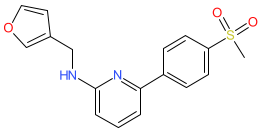
| DC67992 | BRD 1158 Featured |
BRD1158 is a selective, fully reversible and brain-penetrant COX2 inhibitor . It has a rapid target kon and koff rates which makes it a good candidate as a PET radiotracer to monitor enzyme dynamics in vivo. The radiotracer BRD1158 is particuarly suited for imaging in tissues (such as microglia) where basal COX2 expression is very low, and has demonstrated its in vivo imaging potential in rodent models that express human COX2 (including a mouse Huntington's disease model in which COX2 expression is elevated in disease-affected brain regions).
More description
|
|
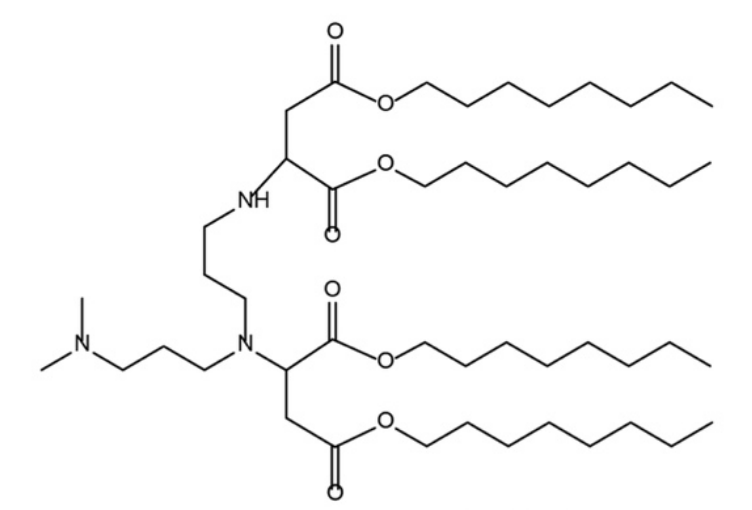
| DC67298 | Lipid 5D8 Featured |
Lipid 5D8 is a novel biodegradable ionizable lipid (IL) developed through a combinatorial chemistry strategy to overcome the limitations of conventional lipid nanoparticles (LNPs) in mRNA delivery. Synthesized via a one-step, solvent-free Michael addition reaction between amine and thiol monomers, 5D8 features asymmetric lipid tails and a biodegradable ester backbone, ensuring both structural versatility and reduced toxicity. In preclinical studies, 5D8-based LNPs demonstrated exceptional liver-targeting efficiency and mRNA delivery performance. A single intravenous dose (1 mg/kg) achieved 61% CRISPR-Cas9-mediated editing of the TTR gene in mice, reducing serum TTR protein by 90%, outperforming benchmark lipids like C12-200 (51% editing). Moreover, 5D8 enabled efficient delivery of base editors (ABE8.8 and CBE4max), achieving 42% PCSK9 editing (74% serum protein reduction) and correcting hereditary tyrosinemia in mice, significantly extending survival. Beyond gene editing, 5D8 LNPs effectively delivered siRNA (complete serum TTR clearance at 0.05 mg/kg) and enhanced hepatocyte targeting by enriching apolipoprotein E on particle surfaces. Crucially, 5D8 exhibited superior biocompatibility with no hepatotoxicity (normal ALT/AST levels), contrasting traditional LNPs. Its rapid biodegradability and "plug-and-play" design make 5D8 a versatile platform for mRNA therapeutics, holding broad potential for treating genetic disorders, cardiovascular diseases, and beyond. This innovation represents a critical advancement toward safer, high-efficiency clinical translation of gene-editing therapies.L
More description
|
|