To enhance service speed and avoid tariff delays, we've opened a US warehouse. All US orders ship directly from our US facility.
| Cat. No. | Product Name | Field of Application | Chemical Structure |
|---|---|---|---|
| DC60840 | Lipid F10T5 Featured |
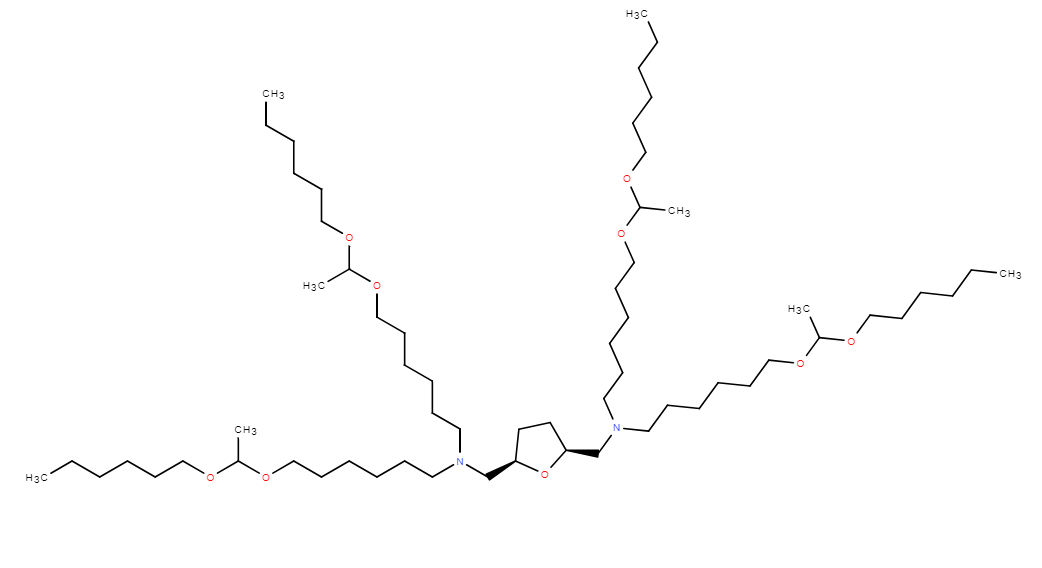
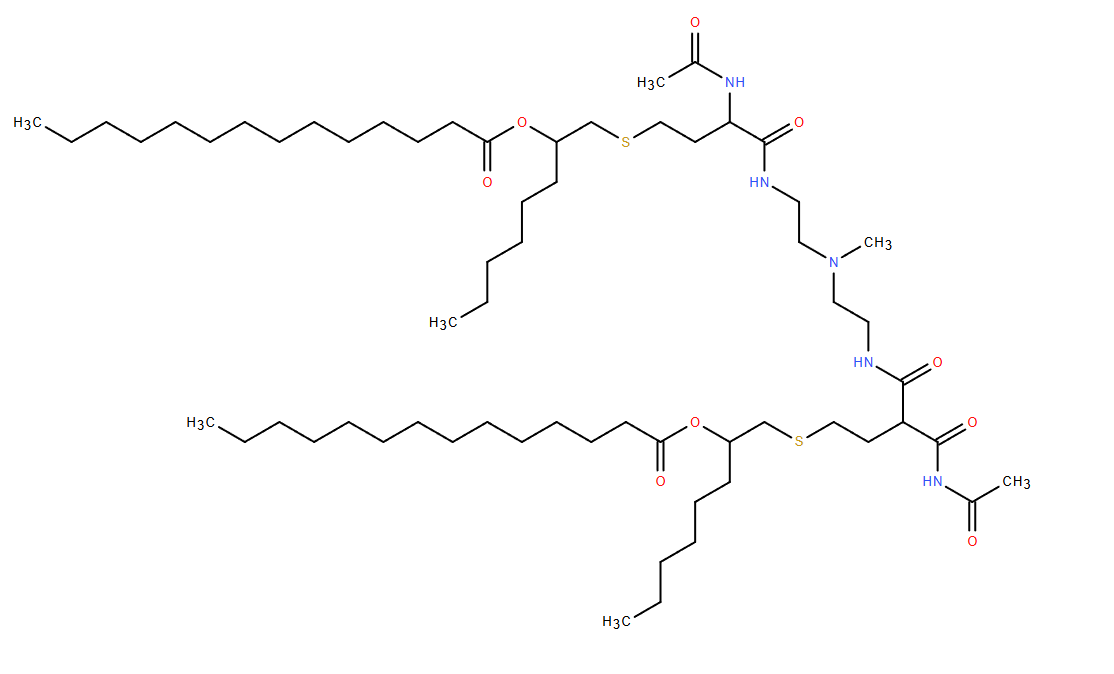
F10T5 is a furan-derived ionizable lipid developed for mRNA delivery to the central nervous system through the meningeal lymphatic pathway. Its architecture incorporates an ionizable polyamine region and four hydrophobic tails containing acid-sensitive acetal linkages. Following subcutaneous administration near the deep cervical lymph nodes, F10T5 LNPs enabled functional mRNA expression in neurons, microglia, and astrocytes while producing relatively low signals in peripheral organs. Cre mRNA delivery resulted in tdTomato expression in approximately 8.93% of neurons, 7.0% of microglia, and 9.9% of astrocytes in mice. Compared with the co-lead lipid F11T6, F10T5 showed comparable total brain luciferase expression, stronger astrocyte transfection, and lower peripheral-organ distribution. Its activity was associated primarily with improved endosomal escape rather than increased cellular uptake. F10T5 remains a preclinical research lipid, and its repeat-dose safety, pharmacokinetics, and performance in larger animals require further evaluation.
More description
|
|
| DC49932 | FTT5 Featured |
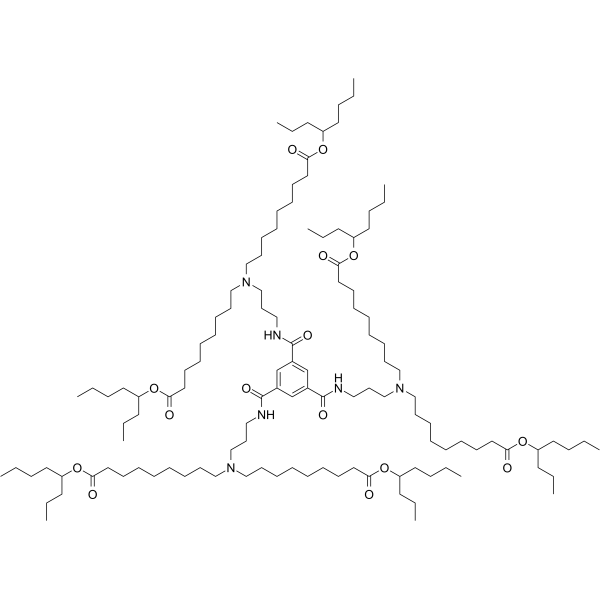
FTT5 is a lipid-like compound for efficient delivery of long mRNAs in vivo.
More description
|
|
| DC68227 | Lipid E20 Featured |
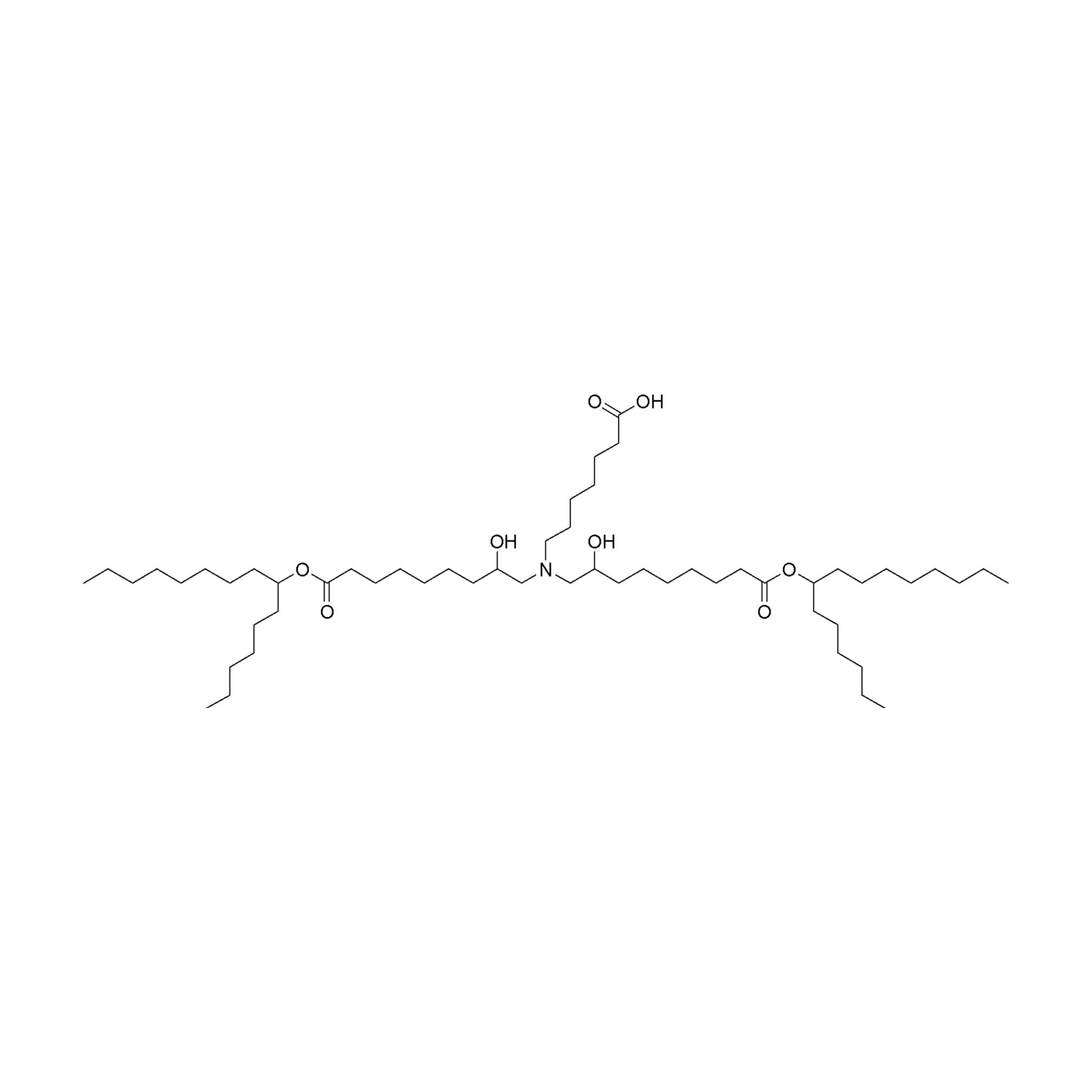
E20 is a charge-switching ionizable lipid developed for efficient nucleic acid delivery with reduced inflammatory toxicity. Its carboxylic acid–tertiary amine headgroup changes charge between acidic formulation conditions and physiological pH, while two hydroxylated spacers and branched 8×6 hydrophobic tails support nucleic acid encapsulation and cytosolic delivery. E20 nanoparticles generated approximately 600 mU/mL serum hEPO after intravenous mRNA administration in mice. Unlike multiple benchmark LNPs, E20 did not exacerbate cytokine production in LPS-pretreated mice or human PBMCs. E20 also enabled sustained pDNA expression without the acute lethality observed with MC3-LNPs and improved IL-22 mRNA treatment in a mouse model of acute lung injury. E20 remains a preclinical research lipid.
More description
|
|
| DC60964 | TTP-3 Featured |
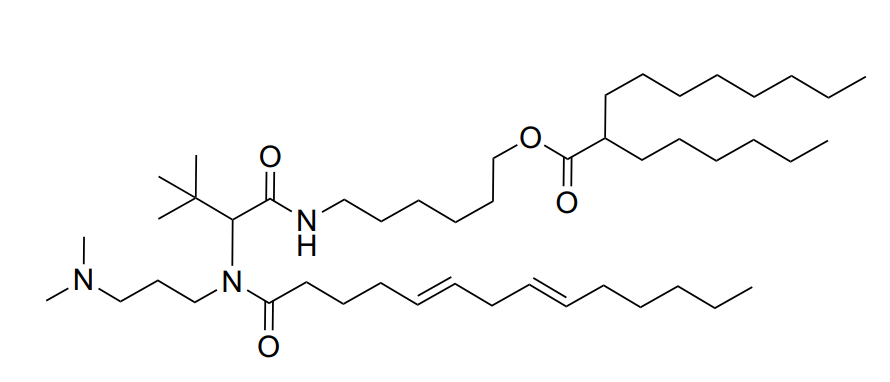
TTP-3 is an asymmetric Ugi-derived ionizable lipid developed specifically for pulmonary delivery of structured suppressor tRNA cargo. Its architecture combines a dimethylaminopropyl ionizable headgroup, two amide-containing linkages, and chemically distinct hydrophobic tails. Selected from a 1,000-member lipid library, TTP-3 showed the strongest suppressor-tRNA delivery in a cystic-fibrosis-relevant air–liquid interface model containing artificial mucus. An optimized formulation containing TTP-3, DOPE, β-sitosterol, and C14-PEG2000 produced approximately 38-fold higher functional pulmonary reporter expression than MC3 following intratracheal administration in mice. TTP-3 LNPs preferentially delivered tRNA to airway epithelial cells, including ciliated, club, ionocyte, and basal progenitor populations. When combined with chemically modified suppressor tRNAs, the platform restored CFTR expression and function in cellular, mouse, and patient-derived organoid models. TTP-3 remains a preclinical research lipid, and further optimization is required for aerosol delivery, repeat dosing, and clinical translation.
More description
|
|
| DC60942 | 113-AA-C8C14 Featured |
113-AA-C8C14 is a spleen-tropic ionizable lipid with inherent splenic organ selectivity. Its formulated LNPs drastically reduce off-target liver uptake and drive 57-fold higher mRNA expression in spleen versus benchmark LNPs. It preferentially delivers nucleic acids to splenic immune cells like macrophages and T lymphocytes, supporting in vivo CAR-T engineering and mRNA vaccine research with minimal accumulation in other visceral organs.
More description
|
|
| DC68057 | Lipid Trp-L1-T4 Featured |
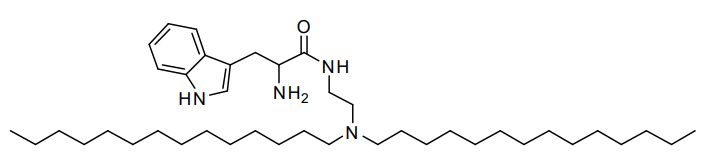
Trp-L1-T4 is a novel tryptophan-derived ionizable lipid that serves as the core functional component of the optimized lipid nanoparticle (TLNP/RLNP) platform. Its primary function is to enable the efficient encapsulation and in vivo delivery of self-amplifying RNA (saRNA) cargo. Specifically, it facilitates high transfection efficiency and cytosolic release of the RNA payload in target follicular helper T (Tfh) cells, with minimal cytotoxicity. This capability is crucial for reprogramming pathogenic Tfh cells into regulatory CAR-Tfh cells, forming the foundation of the study's therapeutic strategy.
More description
|
|
| DC68021 | BIP-20 Featured |
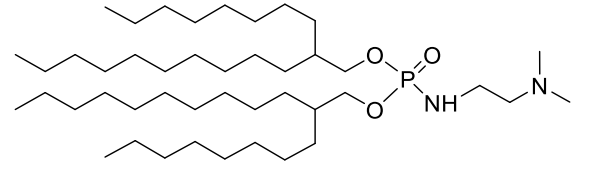
BiP-20 is a branched ionizable phospholipid identified as a lead compound for efficient hepatic mRNA delivery.BiP-20 is a novel, efficient, and safe liver-targeted LNP delivery vehicle. With an ideal pKa of 6.56, it achieves highly efficient liver targeting and endosomal escape primarily through the ApoE/LDL-R pathway. It demonstrates exceptional performance in gene editing at very low doses: for CRISPR-Cas9-mediated editing of TTR, a 10 μg dose achieved ~64% efficiency, which is 8-fold higher than the clinical benchmark lipid LP-01. In Prime Editing targeting the PCSK9 gene, its efficiency (4.30%) also significantly surpassed that of MC3, SM102, and LPO1. Furthermore, it mediates a 5.9-fold increase in hepatic protein expression compared to MC3. Safety assessments indicate it does not induce liver function abnormalities, showing strong therapeutic potential.
More description
|
|
| DC67521 | Lipid TD5 Featured |
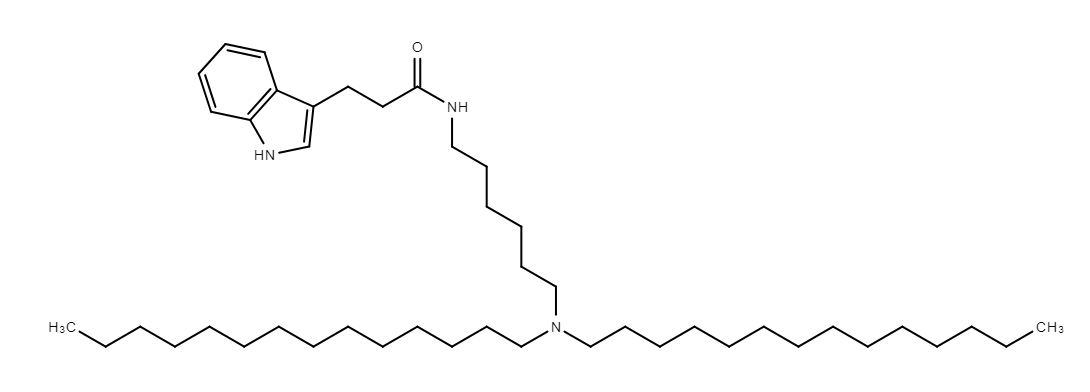
TD5 is a brain-targeting lipid nanoparticle (BLNP) engineered for efficient mRNA delivery to the central nervous system (CNS) via intrathecal injection. It incorporates a tryptamine-derived ionizable lipid headgroup, myristic acid hydrocarbon tails, and a biodegradable carbonate ester linker, enabling pH-dependent mRNA encapsulation (81.7% efficiency) and brain cell-specific targeting. With a hydrodynamic diameter of 107.5 nm, near-neutral pKa (7.30), and mild positive charge, TD 5 demonstrates superior CNS tropism through serotonin receptor (5-HT1A)-mediated endocytosis. In vitro, TD-5 achieved 80.8% GFP expression in SH-SY5Y neuronal cells, outperforming MC3 LNPs by 50-fold. Following intrathecal administration in mice, TD-5 mediated GFP expression in 29.6% of neurons and 38.1% of astrocytes brain-wide, with 10-fold higher CNS specificity than peripheral organs. Genome editing studies showed TD5-delivered Cas9/sgRNA induced tdTomato activation in ≈30% of neurons and 40% of astrocytes across key brain regions. Safety profiling revealed minimal systemic immune responses (lower IL-6, IL-12p40 vs MC3 LNPs), normal hepatic/renal biomarkers, and no histopathological toxicity. The optimized structure balances myristic chain hydrophobicity for membrane interaction, ionizable amines for mRNA complexation, and tryptamine-mediated targeting for enhanced CNS uptake, establishing TD5 as a promising platform for CNS gene therapies.
More description
|
|
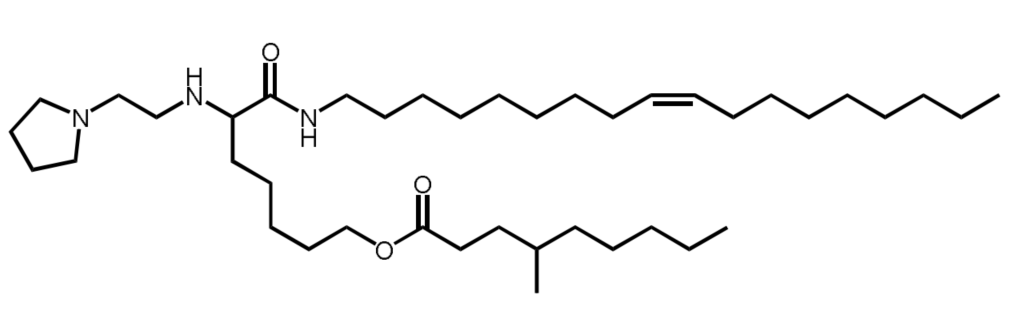
| DC60510 | Iso-A11B5C1 Featured |
Iso-A11B5C1 is an ionizable lipid. The iso-A11B5C1 LNP demonstrates a high level of muscle-specific mRNA delivery efficiency. exhibiting transfection efficiency comparable to the commercially available lipid SM-102, while considerably reducing inadvertent mRNA expression in main organs such as the liver and spleen.Additionally, study results show that intramuscular administration of mRNA formulated with iso-A11B5C1 LNP caused potent cellular immune responses, even with limited expression observed in lymph nodes.
More description
|
|
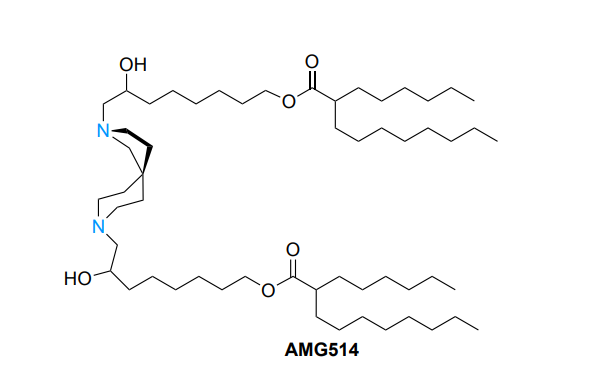
| DC68141 | AMG514 Featured |
AMG514 is a novel ionizable lipid designed for formulating spleen-targeting lipid nanoparticles (LNPs) to deliver immune‑remodeling mRNAs (IR‑mRNAs). Its key advantage lies in the formation of a unique “protein corona” enriched with vitronectin, coagulation factors, and specific apolipoproteins (e.g., ApoA‑IV), together with its relatively high apparent pKa (~7.5), which actively redirects LNPs to the spleen instead of the liver. This precise spleen‑targeting property enables efficient transfection of splenic antigen‑presenting cells (APCs). As a vaccine adjuvant, AMG514‑LNPs therefore elicit a more robust activation of adaptive immunity compared to conventional LNPs (e.g., cKK‑E12), generating significantly enhanced antigen‑specific CD8⁺ T‑cell and antibody responses, and inducing durable anti‑tumor immune memory in preclinical models.
More description
|
|
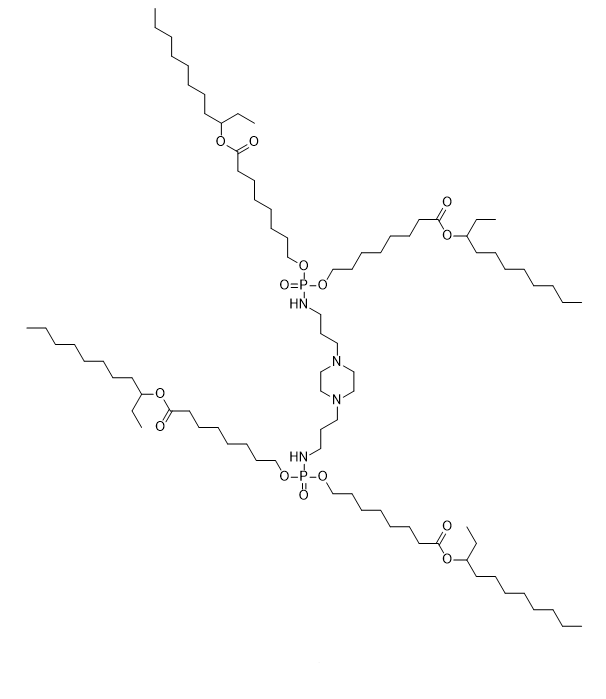
| DC67553 | Lipid PL40 Featured |
PL-40 is a cardiolipin-mimetic ionizable lipid engineered for high-efficiency, antibody-free mRNA delivery to T cells. PL 40 LNPs exhibit a mean particle size of 120 nm, zeta potential of -5.19 mV, and >80% mRNA encapsulation efficiency, with excellent plasma stability (≤5% size change after 6h in serum). Cryo-TEM reveals polyhedral nanoparticles with phase-separated domains, while SAXS confirms tight mRNA packing (d-spacing: ~3 nm vs. 6.64 nm in conventional LNPs). AFM demonstrates exceptional rigidity (high bending modulus), enabling T cell-selective uptake via actin-mediated endocytosis (>2× higher than ALC0315 LNPs).In primary human T cells, PL40 LNPs achieve >90% transfection at 0.5 μg mRNA dose and sustain >100× higher luciferase expression than benchmark lipids. When delivering circular RNA, they extend protein expression >5 days with superior spleen tropism (spleen:liver ratio = 2.63). Crucially, they reprogram T cells into functional CAR-Ts in vivo without antibody conjugation, evading exhaustion markers (no Tim-3/PD-1 upregulation). Therapeutically, PL40-based uPAR-targeted CAR mRNA reduces liver fibrosis (collagen↓50%, ALT↓50%) and rheumatoid arthritis severity (clinical scores↓60%) by clearing senescent cells. Humanized anti-uPAR CARs delivered via PL40 show near-complete cytotoxicity (>95%) against uPAR+ cells, underscoring clinical translatability.
More description
|
|
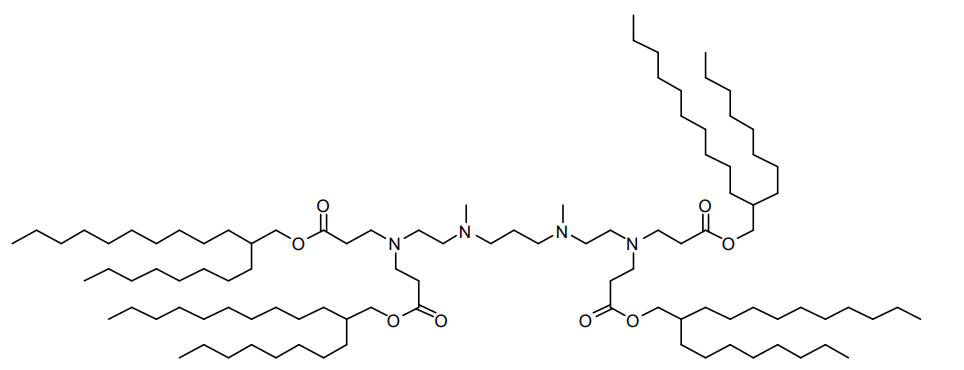
| DC60808 | 503O8,12 Featured |
503O8,12 is an ionizable lipidoid synthesized via Michael addition, combining a hydrophilic amine headgroup ("503" series) with two hydrophobic branched acrylate tails (C8 and C12 chains, likely with unsaturated bonds). Its design emphasizes organ-specific delivery, exhibiting spleen-tropic targeting in vivo.
More description
|
|
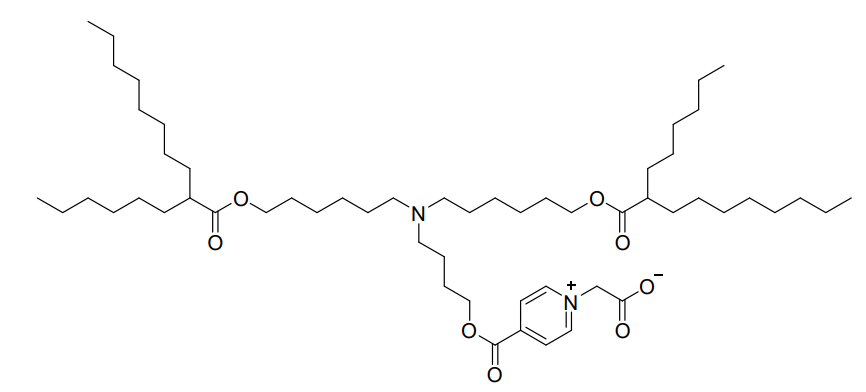
| DC67605 | PyCB lipid Featured |
PyCB lipid (MeDZ) is a rationally designed zwitterionic ionizable lipid that serves as a core functional component in the novel three-component (ThrCo) lipid nanoparticle (LNP) platform. It is synthesized by covalently attaching a zwitterionic PyCB structure to the hydroxyl group of the clinically available ionizable lipid ALC-0315.Its key feature is its pH-responsive behavior. At physiological pH (~7.4), the PyCB headgroup exhibits zwitterionic properties, forming charge-assisted hydrogen bonds with water molecules (PyCB-H₂O complexes). This confers high hydrophilicity to the LNP surface, enhancing stability in aqueous environments and reducing nonspecific protein adsorption in the bloodstream. This zwitterionic surface effectively mimics and replaces PEGylated lipids, thereby avoiding PEG immunogenicity and the associated Accelerated Blood Clearance (ABC) effect upon repeated administrations.Crucially, in the acidic environment of endosomes (pH ~6.5), the PyCB group undergoes strong protonation, rapidly transforming into a cationic state (PyCB-H₃O⁺ complexes). This promotes efficient fusion with and disruption of the endosomal membrane, facilitating the escape and cytoplasmic release of encapsulated mRNA.By replacing both cholesterol and PEGylated lipids in traditional LNPs, PyCB lipid enables the redirection of LNP biodistribution from the liver to the spleen, achieving superior spleen-specific mRNA translation and enhancing antigen presentation for potent immune activation.
More description
|
|
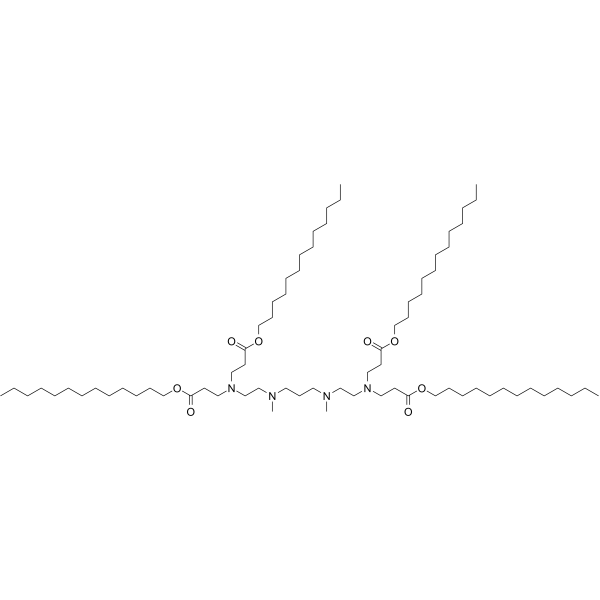
| DC49889 | 503O13 Featured |
503O13 is a next-generation, biodegradable lipid nanoparticle (LNP) engineered for highly efficient and targeted siRNA delivery. Designed through rational structure-activity criteria—including optimal tail length (O13), tertiary amines, and a surface pKa ≥5.5—this single-component LNP achieves unparalleled gene silencing with an ultra-low EC50 of 0.01 mg/kg in preclinical models.503O13 outperforms non-degradable counterparts (e.g., C12-200) with improved toxicity profiles—no hepatic necrosis or pancreatic inflammation—while maintaining rapid blood clearance (t1/2: 6 min) and organ-specific accumulation (liver/spleen).
More description
|
|
| DC12145 | DLinDMA Featured |
DLin-DMA is an ionizable amino lipid with cationic properties and a pKa of 6.7. It is widely utilized in lipid nanoparticle (LNP) formulations alongside helper lipids to enable efficient nucleic acid delivery.
More description
|

|
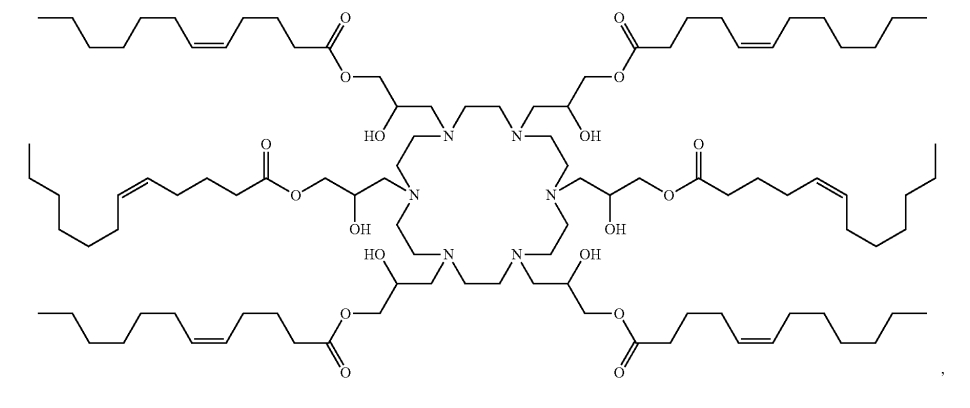
| DC67558 | AMG1541 Featured |
AMG-1541 is a degradable cyclic amino alcohol ionizable lipid optimized for mRNA vaccine delivery using lipid nanoparticles (LNPs). Formulated typically with DOPE, cholesterol, and PEG-lipids, AMG 1541 LNPs have a diameter of ~85 nm, PDI of 0.107, and encapsulation efficiency of 67%, ensuring stability and efficient mRNA delivery. In vitro, it outperforms benchmarks like SM-102, showing enhanced transfection in cells such as C2C12 and PBMCs. In vivo, intramuscular administration in mice results in robust protein expression within 6 hours and induces potent immune responses, including high antibody titers and Th1-biased T-cell activation, with minimal inflammation. Mechanistically, its β-hydroxyl groups form hydrogen bonds with mRNA phosphate backbones, facilitating endosomal escape. AMG1541 degrades rapidly under enzymatic conditions, reducing long-term toxicity, and is effective for vaccines targeting pathogens like influenza and SARS-CoV-2, making it a promising candidate for clinical applications.
More description
|
|
| DC60843 | CF3-2N6-UC18 Featured |
CF3-2N6-UC18 is a rationally designed chloroquine-inspired ionizable lipid that enables robust mRNA delivery and genome editing. It integrates three modular components: a 7-trifluoromethyl-substituted quinoline scaffold (mimicking chloroquine’s endosomolytic properties), a hexamethylenediamine linker with two ionizable nitrogen atoms (pH-responsive protonation), and two unsaturated oleyl (C18:1) hydrophobic tails (enhancing membrane fusion and nanoparticle stability). This lipid self-assembles into ecoLNPs (endosomolytic chloroquine-like lipid nanoparticles) with spherical morphology (~200 nm diameter, 98% mRNA encapsulation). Its pH-sensitive activity triggers endosomal escape through dual mechanisms: proton sponge effect (buffering endo-lysosomal pH) and saposin B-mediated membrane disruption (molecular docking confirms chloroquine-like binding to lysosomal saposin B). In vitro, ecoLNPs outperform commercial reagents (18.9-fold higher mRNA delivery than Lipofectamine 2000) and penetrate 3D cell models. They resist serum/RNase degradation and retain >90% activity after 7-day storage at 4°C. In vivo, ecoLNPs achieve tissue-specific mRNA expression via multiple routes (intravenous, intramuscular, etc.), with strong lymph node tropism (90.2% after intramuscular injection) comparable to SM-102 LNPs (Moderna’s COVID-19 vaccine carrier). They mediate efficient Cre mRNA-driven recombination and CRISPR-Cas9 editing in transgenic mice. CF3-2N6-UC18’s modular design, stability, and dual endosomal escape strategies position it as a versatile platform for mRNA vaccines, gene therapy, and genome editing applications.
More description
|

|
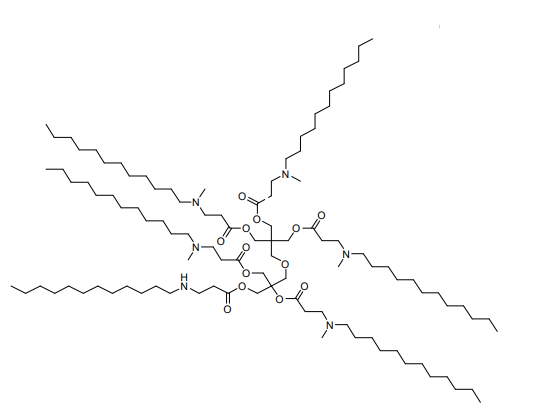
| DC60809 | 6Ac1-C12 Featured |
6Ac1-C12 is an ionizable cationic lipid with a hexaester degradable core and six C12 hydrophobic alkyl tails, featuring a pKa around 6.0 and strong endosomal escape capacity. Its four-component LNPs deliver mRNA mainly to liver endothelial cells after IV injection and remain stable for 30 days at 4°C. Formulated without cholesterol, its three-component system enables lung-targeted delivery with low in vivo toxicity, and the ester core facilitates biodegradation for versatile mRNA applications.
More description
|
|
| DC67569 | Lipid S4 Featured |
Lipid S4 is an advanced ionizable lipid engineered for systemic mRNA delivery to the brain, leveraging SR-57227—a high-affinity 5-HT3 receptor ligand—as its core head group to enable targeted blood-brain barrier (BBB) penetration via receptor-mediated transcytosis, while incorporating amino linkers for pH-responsive ionization and biodegradable branched ester tails to facilitate efficient endosomal escape and intracellular mRNA release; optimized through orthogonal screening into OS4 LNP (formulated at S4/DOPE/Chol/DMG-PEG2k = 40:40:60:0.75 molar ratio), it demonstrated a 13.3-fold increase in brain mRNA expression compared to FDA-approved MC3 LNPs, and further conjugation with the Tat cell-penetrating peptide yielded OS4T LNP, boosting delivery efficiency by 12.7-fold over OS4 alone and enabling broad mRNA expression across neurons, astrocytes, microglia, and endothelial cells; validated in orthotopic glioblastoma models, OS4T delivered engineered IL-12 mRNA, suppressing tumor growth and extending median survival to 37 days (vs. 17 days for controls) with minimal systemic toxicity, positioning S4-based LNPs as a robust, translatable platform for CNS-targeted therapeutics.
More description
|

|
| DC67295 | Lipid MK16 Featured |
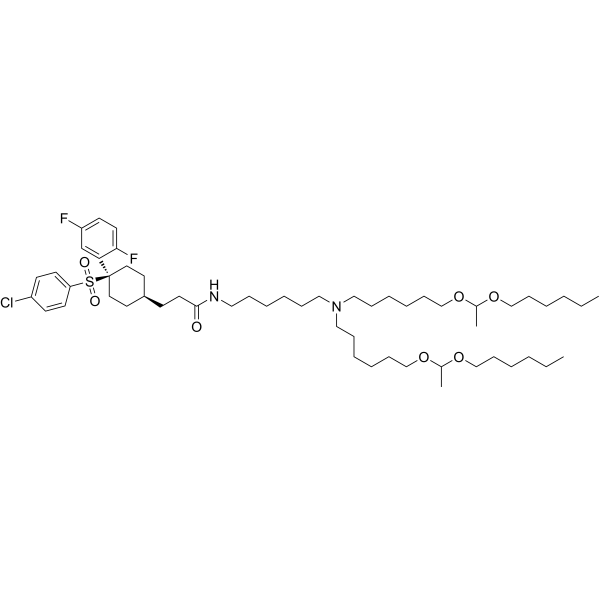
MK-16(pKa 6.86) is a specialized lipid designed to traverse the blood-brain barrier (BBB) for effective mRNA delivery. Its formulation, MK 16 BLNP, leverages dual mechanisms involving caveolae and γ-secretase to facilitate BBB penetration, ensuring the targeted and efficient transport of functional mRNA to diverse brain cell types. Demonstrating excellent tolerability across a range of dosing regimens, MK16 BLNP represents a promising platform for brain-targeted therapeutic applications.
More description
|
|
| DC65328 | AA-T3A-C12 Featured |
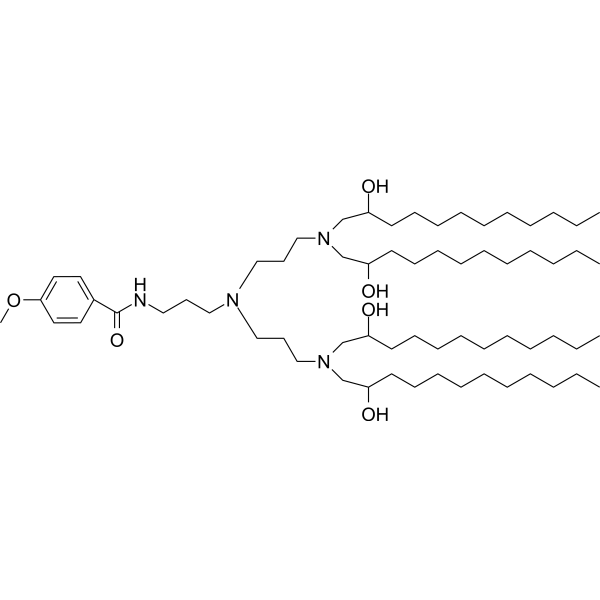
AA-T3A-C12 is a leading anisamide-tethered lipidoid (AA-lipidoid) identified through a combinatorial library screening for targeted RNA delivery to activated fibroblasts, offering a promising approach to treat liver fibrosis.AA-T3A-C12 is a leading anisamide-tethered lipidoid (AA-lipidoid) identified through a combinatorial library screening for targeted RNA delivery to activated fibroblasts, offering a promising approach to treat liver fibrosis. It is synthesized via a one-pot, two-step modular method that combines anisamide—a ligand for sigma receptors overexpressed on activated hepatic stellate cells (HSCs)—with a T3A polyamine core and C12 epoxide tails, enabling efficient siRNA encapsulation in lipid nanoparticles (LNPs).
In vitro, AA-T3A-C12 LNPs exhibit enhanced cellular uptake and gene silencing in activated fibroblasts, dependent on sigma receptor binding, as confirmed by haloperidol blockade studies, and outperform non-targeted analogs and the FDA-approved MC3 LNPs in fibroblast selectivity.In a mouse model of CCl4-induced liver fibrosis, AA-T3A-C12/siHSP47 LNP achieves approximately 65% knockdown of heat shock protein 47 (HSP47), a key fibrotic target, leading to significant reduction in collagen deposition and fibrosis alleviation, with a good safety profile and no exacerbation of liver injury.
More description
|
|
| DC60664 | Si12-C10 |
Si12-C10 is a siloxane-incorporated lipid for spleen-targeting mRNA delivery. The siloxane moieties enhance cellular internalization of mRNA-LNPs and improve their endosomal escape capacity, augmenting their mRNA delivery efficacy.
More description
|

|
| DC60941 | Antioxidant lipid AO12 Featured |
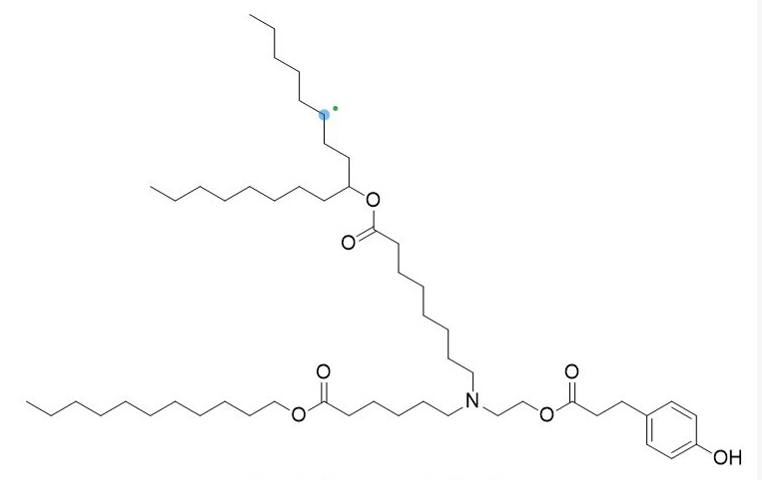
AO12 is a novel antioxidant ionizable lipid derived from SM-102 skeleton with para-hydroxyphenyl propionic acid side chains. Integrated into LNPs, it efficiently scavenges diverse reactive oxygen species including ·OH and ONOO⁻, shielding encapsulated mRNA from oxidative degradation. It retains fine LNP formulation features and cellular uptake capacity of conventional lipids, boosting in vivo mRNA translation. Applied for regenerative mRNA therapy and CRISPR gene editing against fibrosis and inflammatory disorders.
More description
|
|
| DC68150 | Lipid A10 Featured |
A10 (Compound 16) is a diketopiperazine‑based ionizable lipid disclosed in WO 2025/217298 A1 (PCT/US2025/023899) developed by NAVA Therapeutics that enables potent, cell‑selective in vivo delivery of mRNA and nucleic acids without targeting ligands. It forms stable, well‑tolerated lipid nanoparticles (LNPs) that preferentially transfect hematopoietic stem cells (HSCs), bone marrow progenitors, lung epithelium, endothelium, and immune cells while minimizing liver off‑target delivery. In both mice and non‑human primates, A10‑containing LNPs drive functional mRNA expression and gene editing in CD34⁺ HSCs at clinically relevant low doses (0.25–1.0 mg/kg), supporting in vivo HSC gene therapy without ex vivo manipulation.
More description
|

|
| DC68190 | SM-102 azide Featured |
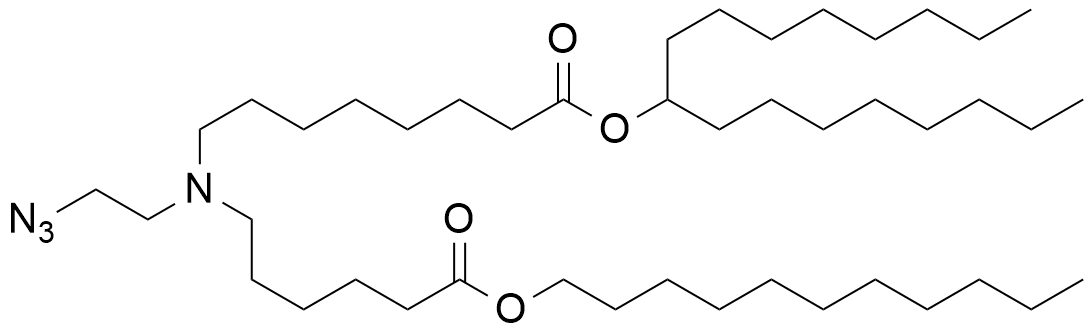
SM-102 azide is an azide-modified derivative of the clinically validated SM-102 ionizable lipid. Designed specifically for advanced Lipid Nanoparticle (LNP) formulation, this product integrates a reactive azide (-N₃) group to enable effortless, high-yield functionalization via click chemistry. It is the ideal tool for researchers and developers looking to construct targeted nucleic acid delivery systems, build diverse lipid libraries, or track LNPs in vivo.
More description
|
|
| DC68179 | A5-CE-C7-6 Featured |
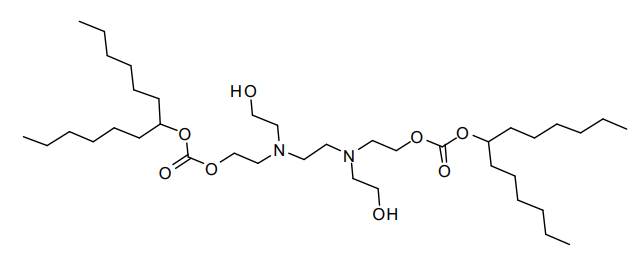
A5-CE-C7-6 is an ionizable lipid engineered for spleen-targeted mRNA delivery, integrating a hydroxylated dual-amine core (A5) for enhanced mRNA binding and endosomal escape, a biodegradable carbonate ester linker (CE) enabling rapid hydrolysis (61% degradation in 24 h), and branched heptyl hydrophobic tails (C7-6) that optimize nanoparticle stability and spleen tropism. When formulated into cholesterol-free lipid nanoparticles (B-8 formulation), its unique architecture—combining hydroxyl groups for cellular uptake, carbonate-mediated biodegradability, and branched-chain fluidity—achieves unprecedented efficiency: low pKa (~6.0) minimizes liver accumulation while enabling 21% transfection of splenic NK cells, outperforming benchmark systems like MC3 SORT LNPs by >10-fold in spleen-specific delivery and establishing a new standard for in vivo immune cell engineering.
More description
|
|
| DC60934 | Lipid P3B Featured |
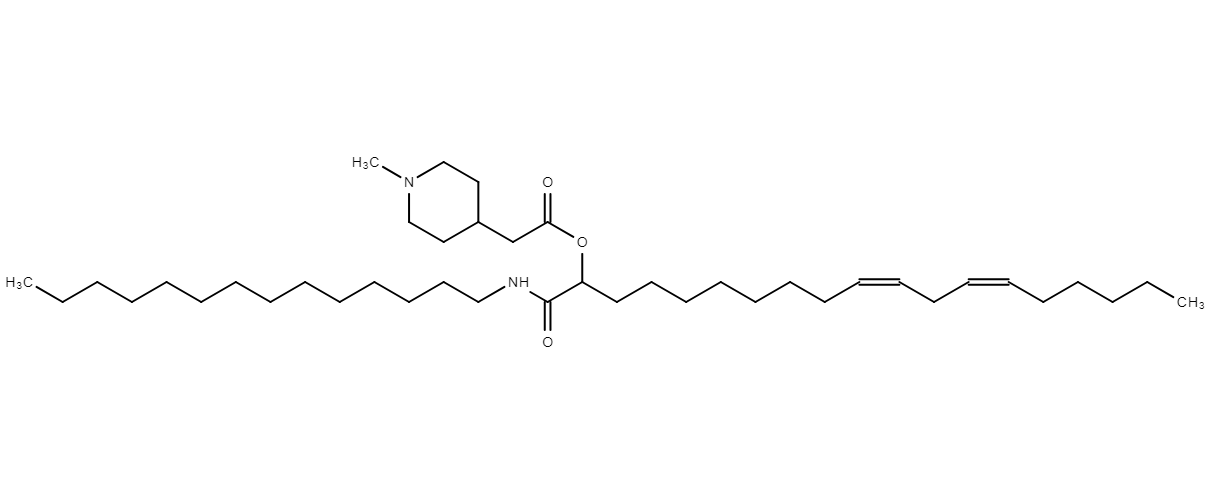
P3B is a biodegradable ionizable lipid engineered to function as a highly efficient delivery vehicle for genome-editing machinery (e.g., CRISPR-Cas9 and adenine base editors) specifically to the central nervous system (CNS). Its primary function is to encapsulate and transport large mRNA payloads across the brain-CSF interface following intrathecal administration, enabling robust and widespread gene editing in neurons and astrocytes across multiple brain regions, including the hippocampus, cortex, and thalamus. Notably, it facilitates precise single-nucleotide correction via base editing. Its targeting is intrinsically achieved by the intrathecal injection route, which localizes the nanoparticles within the cerebrospinal fluid, coupled with an optimized formulation that promotes efficient uptake and activity within CNS parenchyma while minimizing off-target exposure in peripheral organs.
More description
|
|
| DC60979 | Ionizable lipid-3 (SM-102 analogue) Featured |
Ionizable lipid-3( SM-102 analogu) is a cationic lipid for nucleic acid delivery, with the ability to form lipid nanoparticle mRNA vaccines that exhibit in vitro stability and immunostimulatory activity.This SM-102 analogue retains the ionizable tertiary amine and asymmetric hydrophobic architecture while replacing the ester linkages with carbonate groups and repositioning the hydroxyl functionality. These modifications are designed to tune biodegradability, membrane interactions, and LNP delivery performance.
More description
|
.png)
|
| DC68216 | Lipid CA2d Featured |
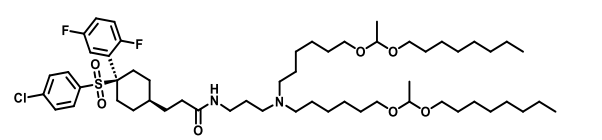
CA2d is an ionizable lipid developed for systemic mRNA delivery to the central nervous system. Its architecture combines an MK-0752-derived CNS-accessing moiety, a short three-carbon diamine spacer, a tertiary ionizable amine, and two acetal-containing hydrophobic tails. When formulated with DOPE, cholesterol and DMG-PEG2000, CA2d LNPs crossed the blood-brain barrier through caveolae- and γ-secretase-associated transcytosis and delivered mRNA to neurons, astrocytes, microglia and brain endothelial cells. Following intravenous administration of FLuc mRNA at 0.5 mg/kg in mice, CA2d produced 16.6-fold higher brain expression than MC3 and 8.6-fold higher expression than SM-102 at 6 hours. CA2d was further evaluated in repeated brain-cell transfection studies, a pilot rhesus macaque experiment and a tPA-modified TGF-β1 mRNA formulation for ischemic stroke. These results support CA2d as a promising preclinical research lipid for investigating non-viral CNS mRNA delivery; it has not been clinically validated.
More description
|
|
| DC68210 | Lipid CSL3 Featured |
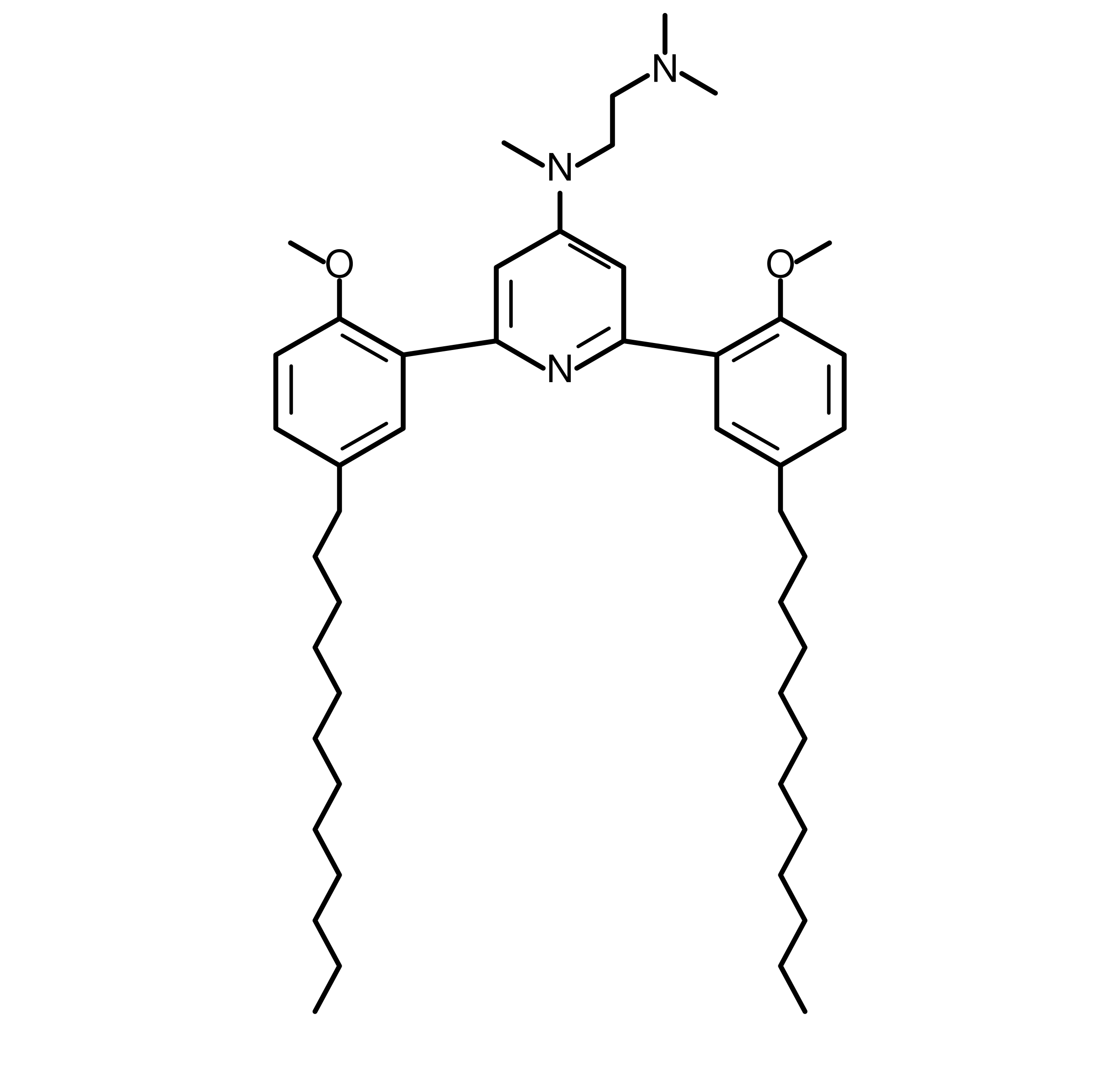
CSL3 is a pH-switchable cationic lipid optimized for siRNA LNP delivery. Its core design features central pyridine and two ortho-methoxy groups, forming intramolecular hydrogen bonds under endosomal pH 5–6 to trigger conformational flip, which drives membrane fusion and efficient endosomal escape—an advantage absent in control lipid CSL4 without methoxy moieties. Formulated with DSPC, cholesterol and DMG-PEG2000 at a fixed molar ratio, CSL3-based LNPs achieve 85–95% siRNA encapsulation, uniform particle size and decent serum stability. In vitro tests show potent gene silencing with low cytotoxicity; in vivo intravenous administration enables obvious liver accumulation and dose-dependent Factor VII knockdown in mice, proving its great potential for hepatic RNAi therapeutic research.
More description
|
|