 To enhance service speed and avoid tariff delays, we've opened a US warehouse. All US orders ship directly from our US facility.
| Cat. No. | Product Name | Field of Application | Chemical Structure |
|---|---|---|---|
| DC67542 | ATX L1 Featured |
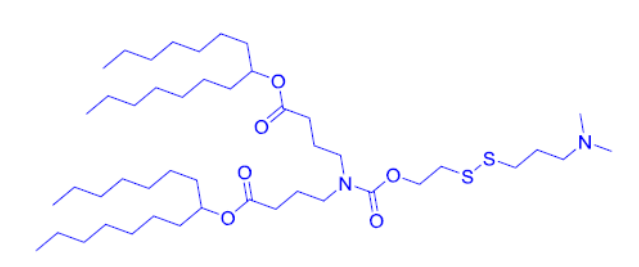
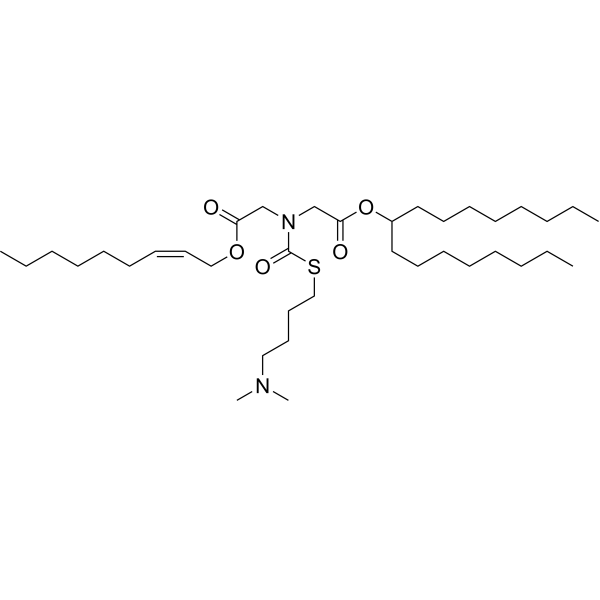
L1 is a biodegradable, branched self-immolative lipid optimized for high-efficiency mRNA delivery. Its disulfide-based architecture enables rapid glutathione-triggered degradation in the cytosol (liver half-life: 4.2 days), promoting rapid clearance while maintaining serum stability. In vivo, L1 achieves exceptional mRNA translation, producing twice the hEPO protein levels of the clinically approved MC3 lipid at 0.1 mg/kg. Its apparent pKa (6.57) facilitates efficient endosomal escape without compromising safety: even at 5 mg/kg, L1 causes no significant body weight loss or sustained inflammation. Structural features (C7 alkyl tails, carbamate linker) balance potency and biodegradability, making L1 ideal for mRNA vaccines and protein-replacement therapies.
More description
|
|
| DC67126 | 80-O18 Featured |
80-O18 is a lipidoid known for its exceptional ability to enhance overall cellular uptake, showcasing significant potential as an effective delivery agent.
More description
|

|
| DC65412 | Acuitas Lipid III-2 Featured |
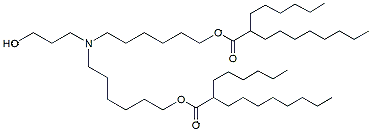
Acuitas Lipid III-2 is an ionizable amine lipid with two identical ester tails adjacent to C6 position relative to amine from patent:WO2017075531A1 with the similar activity as ALC-0315. The head of lipid is propanolamine which can effectively encapsulate mRNA used in gene therapies which depends on the availability of a safe and efficient delivery vehicle.
More description
|
|
| DC65682 | RCB-4-8 Featured |
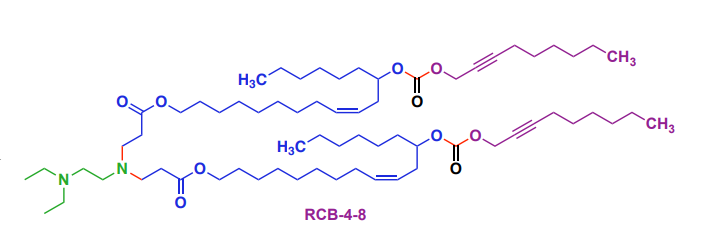
RCB-4-8 is a biodegradable ionizable lipid nanoparticle (LNP) engineered for efficient pulmonary mRNA delivery and in vivo genome editing, as detailed in the primary research article "Combinatorial design of nanoparticles for pulmonary mRNA delivery and genome editing" (Li et al., Nature Biotechnology 2023). Synthesized from a combinatorial library of 720 biodegradable lipids via a three-component reaction system, RCB-4-8 features an alkyne-containing lipid tail and tertiary amine headgroup, optimized through high-throughput screening for superior lung-targeting capabilities. Its unique molecular design incorporates hydrolyzable ester and carbonate groups, enabling rapid biodegradation (<30% lung retention at 48 h vs. >90% for conventional lipids) while maintaining high transfection efficiency. When formulated with DOTAP instead of DOPE, RCB-4-8 LNPs achieved 100-fold higher luciferase mRNA expression in murine lungs compared to FDA-approved MC3 LNPs and mediated 95% GFP knockout in vitro. In Ai9 reporter mice, intratracheal delivery of RCB-4-8 loaded with Cre mRNA edited 53% of total lung cells after three doses, while codelivery with Cas9 mRNA/sgRNA yielded 7.2% tdTomato+ cells, rising to 17% when combined with AAV-sgRNAs. With an optimal particle size of 85.7 nm (PDI 0.11) and >87% mRNA encapsulation, RCB-4-8 supports repeat dosing and represents a transformative platform for inhalable gene therapies targeting congenital lung diseases like cystic fibrosis.
More description
|
|
| DC65179 | Dlin-MC4-DMA Featured |
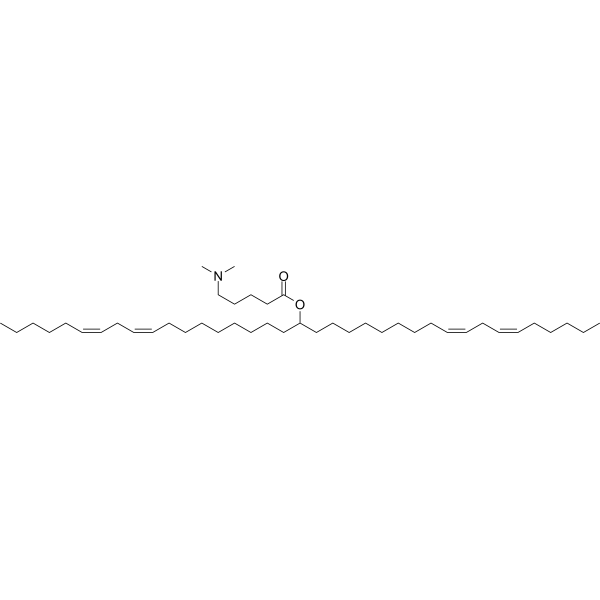
D-Lin-MC4-DMA(MC4) is a cationic lipid that has been synthesized for Lipid nanoparticles (LNPs) to deliver the siRNA.
More description
|
|
| DC65180 | DLin-MC2-DMA Featured |
D-Lin-MC2-DMA(MC2) is a cationic lipid that has been synthesized for Lipid nanoparticles (LNPs) to deliver the siRNA.
More description
|

|
| DC65434 | SM102 Analog 1 Featured |
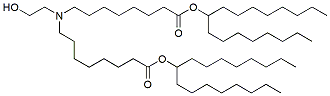
An analog of SM-102. The ethanolamine amino lipid head enhances encapsulation of mRNA. The lipid has primary esters at C7 position relative to the amine nitrogen. The primary lipid tail has 8 carbon tail. The lipid can be used for mRNA-based therapies which depends on the availability of a safe and efficient delivery vehicle.
More description
|
|
| DC65334 | Lipid 15 Featured |
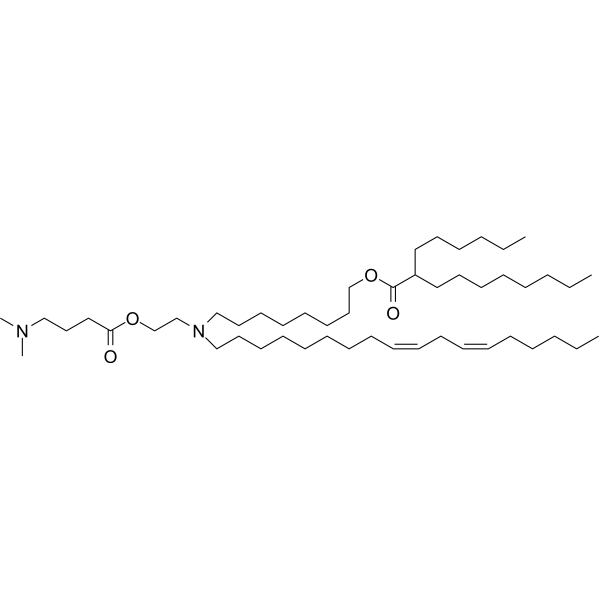
Lipid 15 is an ionizable amino lipid used for the generation of Lipid nanoparticles .
More description
|
|
| DC65349 | ALC-0315 analgous-3 Featured |
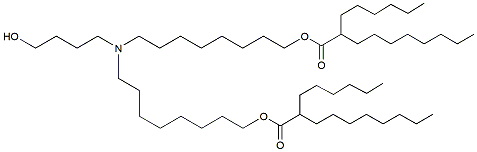
ALC-0315 analgous-3 is an butanolamine ionizable lipid with both ester bonds located adjacent to C8 relative to the amine head. The introduction of ester linkages can improve the clearance of the lipid in the liver. This compound is analgous to ALC-0315.
More description
|
|
| DC83220 | ALC-0315 analogous-1 Featured |
ALC-0315 analogous-1 is a derivative of the ionizable cationic amino lipid ALC-0315. It has been used in the synthesis of ionizable cationic lipids used in the generation of lipid nanoparticles (LNPs).
More description
|

|
| DC82101 | AA3-DLin Featured |
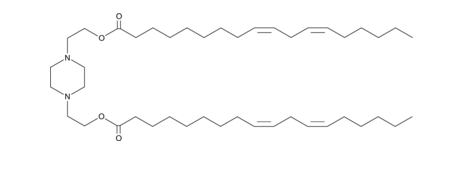
AA3-DLin is an ionizable cationic amino lipid (pKa = 5.8) that has been used in combination with other lipids in the formation of lipid nanoparticles (LNPs) for the delivery of mRNA.LNPs containing AA3-DLin and encapsulating mRNA for the severe acute respiratory syndrome coronavirus 2 (SARS-CoV-2) spike glycoprotein induce immunogenicity in mice.
More description
|
|
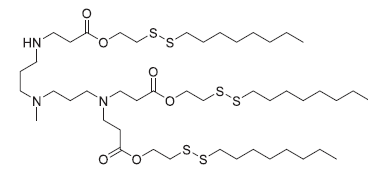
| DC82025 | 306-O12B-3 Featured |
306-O12B-3 is an ionizable lipidoid with cationic properties, commonly used in lipid nanoparticle (LNP) formulations for antisense oligonucleotide (ASO) delivery. When administered intravenously in mice, LNPs incorporating 306-O12B-3 exhibit liver-specific accumulation. Studies show that ASO-loaded LNPs containing 306-O12B-3 effectively silence hepatic PCSK9 expression by targeting the proprotein convertase subtilisin/kexin type 9 gene. Additionally, when combined with the cationic lipidoid NT1-O14B (Item No. 37095), these LNPs can deliver tau-targeting ASOs to the brain, reducing tau protein levels in mice.
More description
|
|
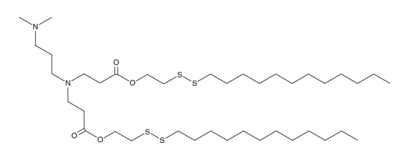
| DC82305 | 80-O16B Featured |
80-O16B is a disulfide bond-containing ionizable cationic lipidoid. It has been used in the generation of lipid nanoparticles (LNPs) for the delivery of CRISPR complementary single-guide RNA (sgRNA) and Cas9 for genome editing in mice. LNPs containing 80-O16B conjugated to phenylboronic acid (PBA) and encapsulating an mRNA reporter increase luciferase reporter expression in HeLa cancer cells.2 LNPs containing 80-O16B conjugated to PBA and encapsulating p53 mRNA decrease the viability of DU145 prostate and SiHa and HeLa cervical cancer cells.
More description
|
|
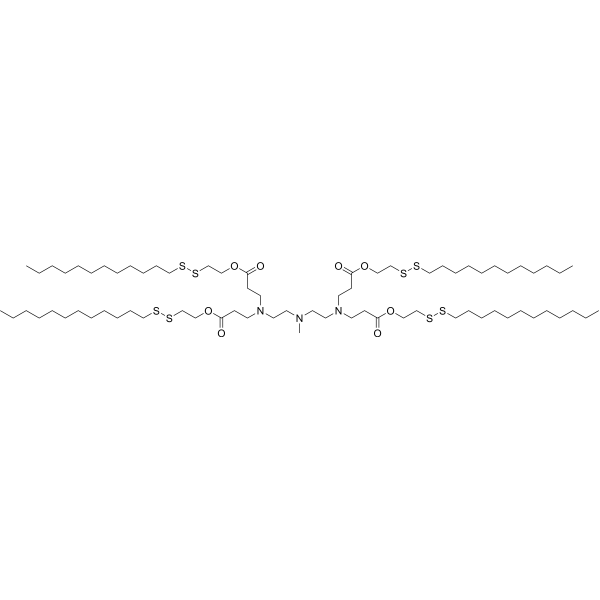
| DC82119 | 113-O16B Featured |
113-O16B is a disulfide bond-containing ionizable cationic lipidoid. It has been used in the generation of lipid nanoparticles (LNPs) for the delivery of mRNA.
More description
|
|
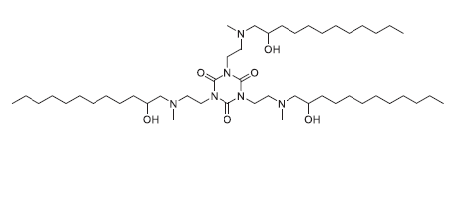
| DC83230 | TNT-b10 Featured |
TNT-b10 is a novel Lipid-like compound suitable for delivery of siRNA and mRNA both in vitro and in vivo TNT-b10 LLNs was more than 10-fold more potent than TNT-a10 LLNs formulated under the same condition.
More description
|
|
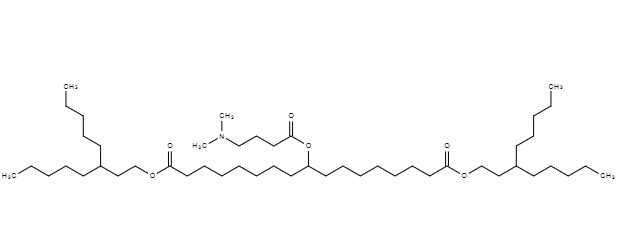
| DC65701 | L-369 Featured |
L-369 (Lipid 369,L369) is novel class of ionizable lipid for siRNA delivery with improved in vivo elimination profile with excellent translation across species,including NHP, wide safety margin.
More description
|
|
| DC60546 | 514O6,10 Featured |
514O6,10 is an ionizable lipidoid. 514O6,10 formulated LNPs facilitate mRNA delivery to the pancreas.
More description
|

|
| DC60663 | Si5-N14 Featured |
Si5-N14 is a lipid-based molecule engineered with siloxane groups, designed specifically for efficient mRNA delivery to the lungs. The incorporation of siloxane units boosts the cellular uptake of mRNA-loaded lipid nanoparticles (LNPs) and enhances their ability to escape from endosomes. These properties significantly increase the overall effectiveness of mRNA delivery, making Si5-N14 a promising tool for targeted therapeutic applications.
More description
|

|
| DC59217 | Arcturus lipid 2(ATX-0114) Featured |
Lipid 2,2(8,8) 4C CH3 is an ionizable cationic lipid (pKa = 6.69).1 It has been used in the generation of lipid nanoparticles (LNPs) for the delivery of siRNA in vivo. LNPs containing lipid 2,2(8,8) 4C CH3 and encapsulating siRNA targeting Factor VII decrease plasma Factor VII protein levels by 90% in mice.
More description
|
|
| DC67291 | ATX054 Featured |
ATX-054 which is from Arcturus RNA delivery platform, is a novel ionizable lipid used in the formulation of lipid nanoparticles (LNPs) for the delivery of RNA.
More description
|

|
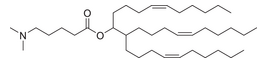
| DC59126 | Genevant CL1 (lipid 10) Featured |
Genevant CL1 (lipid 10) is a novel ionizable lipid for rna delivery.Lipid 10 rapidly accumulated in the liver within the first hour of dosing (reflecting LNP uptake), but levels then steadily declined over the ensuing 2 weeks period, similar to MC3.Lipid 10 afforded more than double the expression of either approved lipid. We also observed high splenic expression for ALC-0315, which correlated with higher MCP-1 levels.Animals received a single 5 µg IM dose of LNP encapsulating firefly luciferase (fLuc) mRNA. Whole body imaging was performed 6 h later and expression at the injection site quantified. Lipid 10, ALC-0315, and SM-102 showed similar expression at the injection site, all greater than the older generation benchmarks lipids (DLinDMA, KC2, MC3). Lipid 10 and ALC-0315 also showed high expression in the liver, while SM-102 was less, and more similar to MC3.Lipid 10-based LNP reported similar anti-HA IgG titers to MC3 and ALC-0315 (Comirnaty) LNP, and higher than the SM-102 (SpikeVax) LNP composition. MCP-1 levels were generally similar, although the ALC-0315 composition had a significantly higher response at the 5 µg dose. All formulations reported good stability when stored frozen at −80 °C or at 2–8 °C for 1 month.
More description
|
|
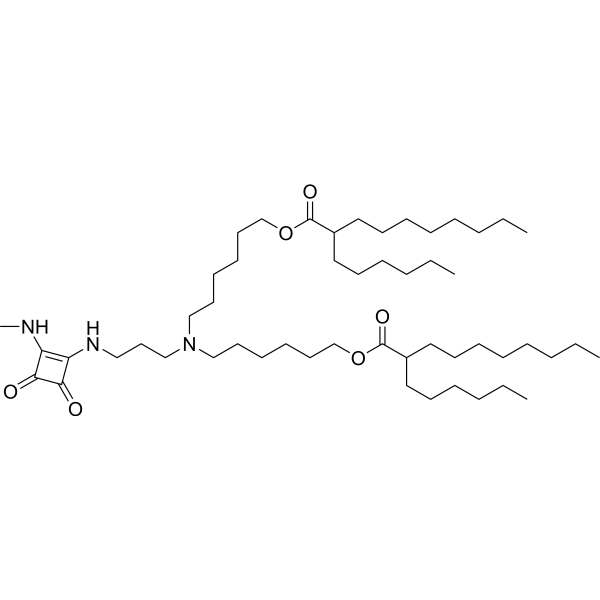
| DC67128 | Lipid 29 analogue-2(Lipid 16) Featured |
Lipid 29 analogue-2 is an ionizable lipid designed for the delivery of RNA-based therapeutics, such as mRNA or siRNA.
More description
|
|
| DC71687 | Dlin-MeOH Featured |
Dlin-MeOH is a lipid product for use in drug delivery systems.
More description
|

|
| DC67218 | Moderna Lipid compound 182(Lipid 29 analogue-1) Featured |
Moderna Lipid compound 182(Lipid 29 analogue-1) is a novel ionizable amine lipid developed by Moderna for the delivery of mRNA-based therapeutics. This lipid is part of Moderna's proprietary lipid nanoparticle (LNP) delivery platform, which is designed to encapsulate and protect mRNA, facilitate its cellular uptake, and enable efficient intracellular release. The ionizable nature of Lipid Compound 182 allows it to interact with mRNA at low pH (during LNP formulation) and release the payload in the neutral pH environment of the cytoplasm, making it a critical component of Moderna's mRNA delivery system.
More description
|

|
| DC67216 | Moderna Lipid 26(Lipid M) Featured |
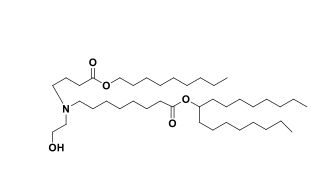
Moderna Lipid 26(Lipid M) is an ionizable cationic lipid (pKa = 6.75) that has been used in the generation of lipid nanoparticles (LNPs) for mRNA delivery in vivo. LNPs containing lipid M and encapsulating mRNA encoding influenza virus genes increase anti-influenza virus IgG titers in cynomolgus monkeys without inducing local edema, erythema, or systemic levels of IL-6.
More description
|
|
| DC67212 | Acuitas Lipid III-25 Featured |
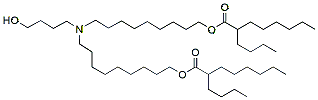
Acuitas Lipid III-25 is an novel ionizable amine lipid used for mRNA delivery from Acuitas Therapeutics patent US 10,166,298 B2, with pKa 6.22, Liver Luc 1648 for 0.3mgkg(ng luc/g liver), Liver Luc 13880 for 1mgkg(ng luc/g liver) . It is an analgous of ALC-0315, showing higher activity than ALC-0315.
More description
|
|
| DC67217 | Moderna Lipid 48 Featured |
Moderna Lipid 48 is an novel ionizable amine lipid used for mRNA delivery from Moderna patent WO2017049245A2
More description
|

|
| DC60478 | ALC-0366 Featured |
ALC 0366 is an ionizable cationic lipid (pKa = 6.25) from Biontech,which is derived from ALC-0315. ALC0366 has been used as a key component of LNP to deliver BNT142, a lipid nanoparticle (LNP)-formulated RNA (RNA-LNP) encoding a T cell-engaging bispecific antibody that monovalently binds the T cell marker CD3 and bivalently binds claudin 6 (CLDN6), an oncofetal antigen that is absent from normal adult tissue but expressed on various solid tumors.
More description
|

|
| DC60711 | CL15F 9-5 Featured |
CL15F 9-5, a piperidine-based ionizable lipid, exhibits favorable properties for mRNA delivery in lipid nanoparticles (LNPs). Its apparent pKa ranges between 6.24–7.15, ideal for mRNA encapsulation and endosomal escape. LNPs formulated with CL15F 9-5 (50:38.5:10:1.5 molar ratio of ionizable lipid:cholesterol:DSPC:DMG-PEG2k) demonstrated high mRNA encapsulation efficiency (>90%) and maintained physicochemical stability (size, PDI, zeta potential) during storage at 4°C for 5 months . In vitro, CL15F 9-5 LNPs showed superior luciferase expression in HEK-293T cells compared to CL4F-based LNPs. In vivo, liver-targeted LNPs delivered hEPO mRNA effectively, with sustained serum hEPO levels post-storage. Intravenous administration of FLuc mRNA-loaded CL15F 9-5 LNPs yielded strong hepatic bioluminescence, confirming liver tropism. As a vaccine candidate, CL15F 9-5 induced robust antigen-specific cellular immunity in mice, with a 14-fold increase in IFN-γ spots compared to SM-102. Its enhanced stability is attributed to reduced aldehyde impurities, minimizing mRNA-lipid adduct formation.
More description
|

|
| DC67449 | Lipid TG4C Featured |
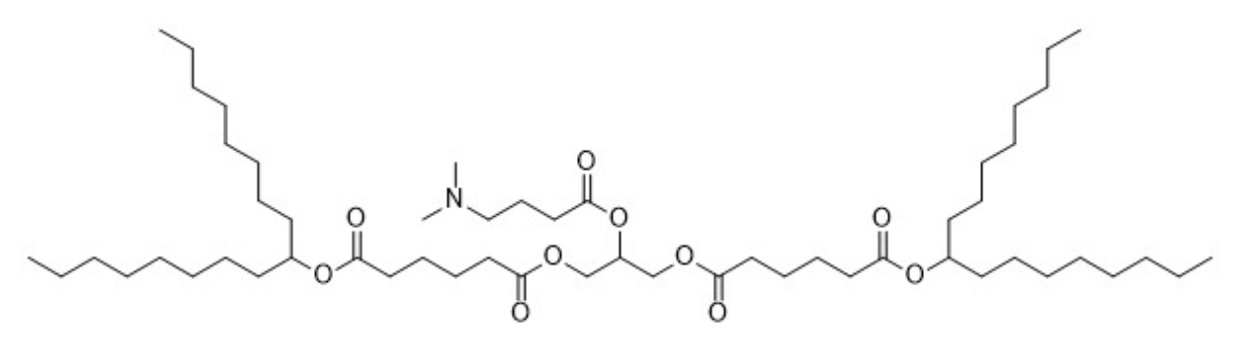
TG4C is an ionizable cationic lipid (pKa 6.71) optimized for mRNA delivery via lipid nanoparticles (LNPs). When formulated into LNPs carrying human EPO mRNA, it significantly elevates serum EPO levels in mice. Furthermore, aerosolized TG4C-based LNPs containing HGF mRNA demonstrate therapeutic potential in pulmonary emphysema models, showing reduced inflammatory cytokines (IL-1β, IL-6, TNF-α) in bronchoalveolar lavage fluid after elastase-induced lung injury.
More description
|
|
