To enhance service speed and avoid tariff delays, we've opened a US warehouse. All US orders ship directly from our US facility.
| Cat. No. | Product Name | Field of Application | Chemical Structure |
|---|---|---|---|
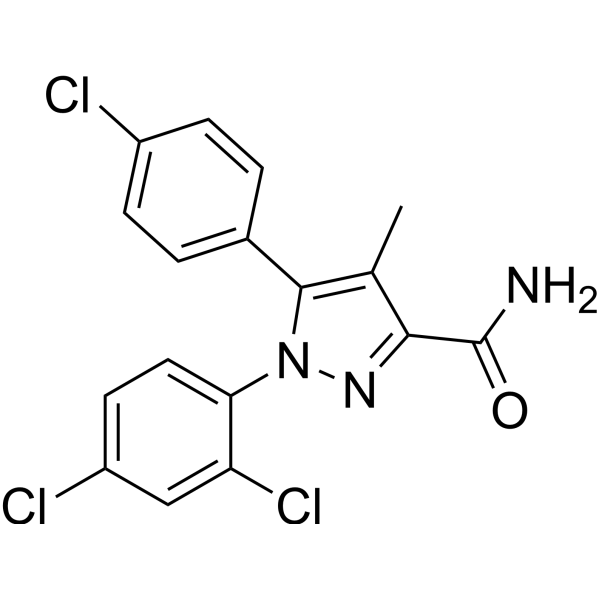
| DC32882 | AM4113 Featured |
AM4113 is a cannabinoid receptor 1 (CB1)-selective antagonist.
More description
|
|
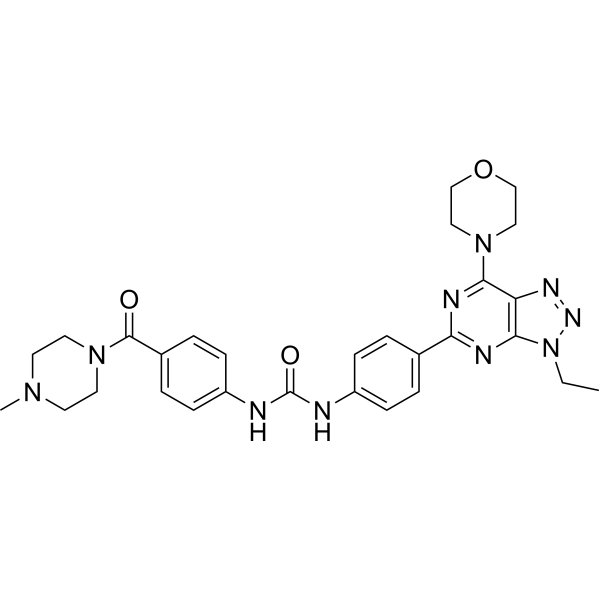
| DC7123 | PKI-402 Featured |
PKI-402 is a potent dual pan-PI3K/mTOR inhibitor targeting PI3Kα/β/γ/δ and mTOR with IC50 of 2 nM/7 nM/16 nM/14 nM and 3 nM, respectively; also potent to PI3Kα mutants E545K and H1047R.
More description
|
|
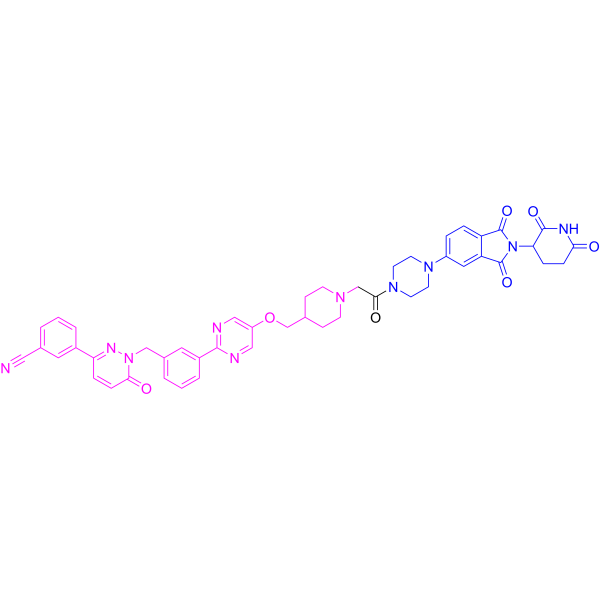
| DC81346 | PROTAC c-Met Degrader-4 Featured |
PROTAC c-Met Degrader-4 (compound D15) is a potent orally active PROTAC c-MET degrader. PROTAC c-Met Degrader-4 demonstrates excellent intracellular degradation potency with a DC50 < 0.5 nM. PROTAC c-Met Degrader-4 induces cell cycle arrest and apoptosis, inhibits cell invasion and migration, thereby suppressing cell proliferation. PROTAC c-Met Degrader-4 inhibits the growth of Hs746T xenograft tumors in nude mice. PROTAC c-Met Degrader-4 can be used for cancer research, such as non-small cell lung cancer and gastric cancer.
More description
|
|
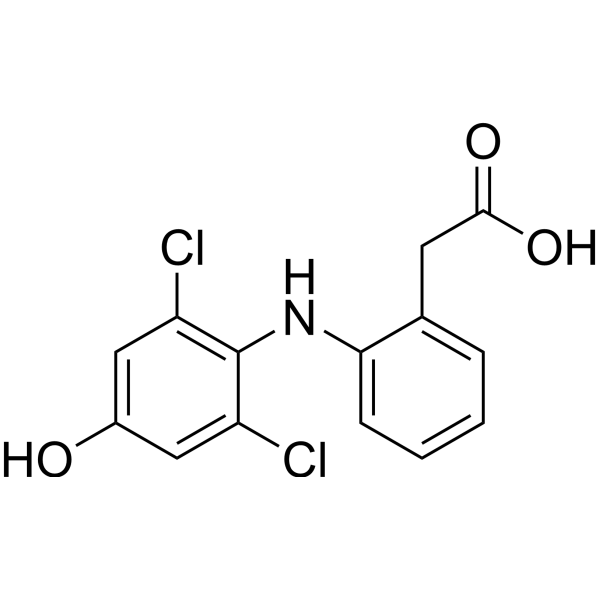
| DC41081 | 4'-Hydroxy diclofenac Featured |
4'-Hydroxy diclofenac is an orally active metabolite of Diclofenac by cytochrome P450 2C9 (CYP2C9). 4'-Hydroxy diclofenac has anti-inflammatory and analgesic properties.
More description
|
|
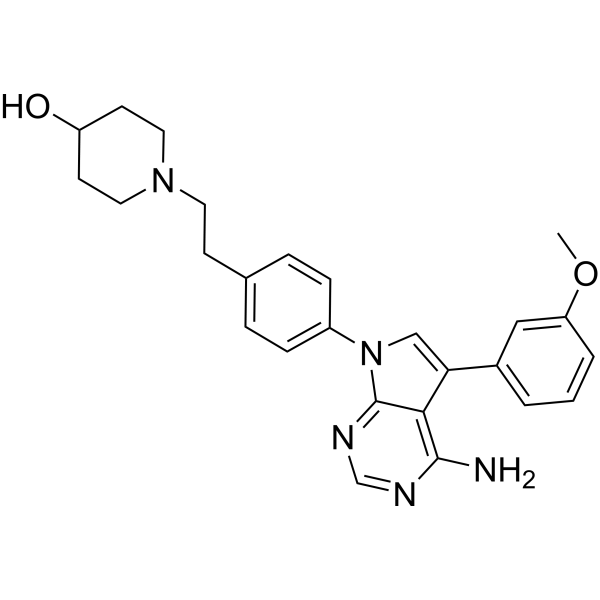
| DC32842 | CGP-77675 Featured |
CGP-77675 is a potent and selective Src family kinase (SFK) inhibitor. CGP-77675 inhibited phosphorylation of peptide substrates and autophosphorylation of purified Src (IC50: 5-20 and 40 nM, respectively). The dual inhibition of Src and GSK-3 signaling by CGP 77675 and CHIR 99021 was found to maintain mouse embryonic stem cell (mESC) self-renewal and pluripotency marker expression as efficiently as the dual inhibition of MAPK and GSK-3 by PD 0325901 and CHIR 99021.
More description
|
|
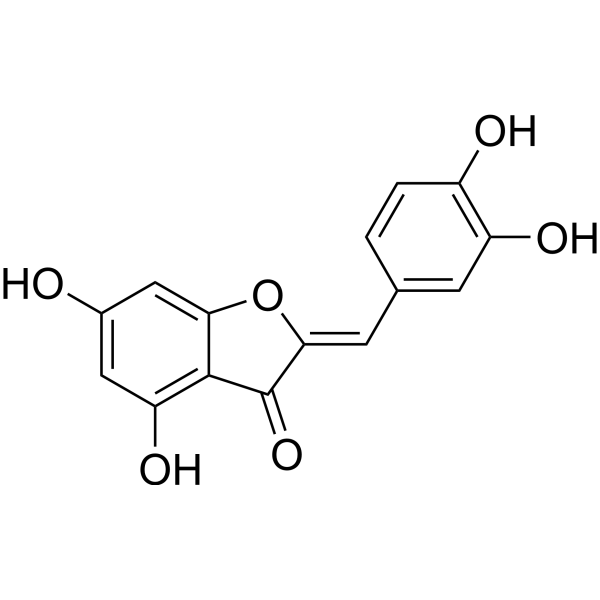
| DCC0786 | Aureusidin Featured |
Aureusidin is an aurone with high antioxidant and lipoxygenase inhibitory activity. Aureusidin also shows anti-inflammatory effects.
More description
|
|
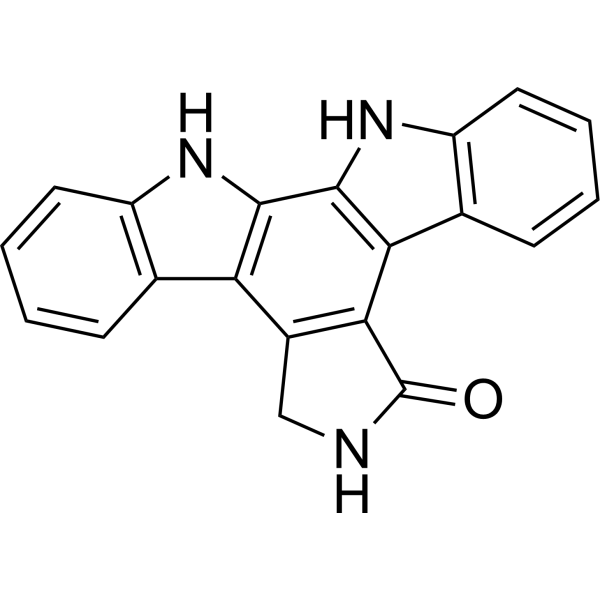
| DC33490 | staurosporine aglycone Featured |
K252c is a staurosporine analog and inhibitor of PKC and PKA. It inhibits proliferation of human cytomegalovirus and induces apoptosis in cancer cells.
More description
|
|
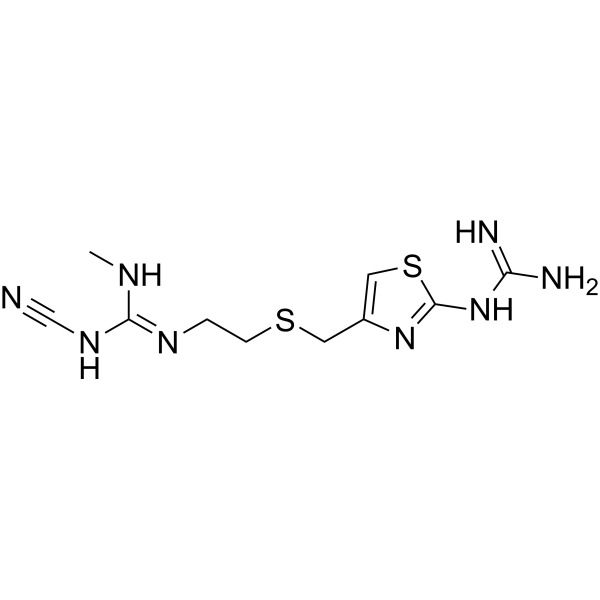
| DC28116 | Tiotidine Featured |
Tiotidine (ICI 125211) is a potent and selective antagonist of histamine H2-receptor (pA2=7.3-7.8 for guinea-pig right atrium). Tiotidine has low affinity for both the H1 and the H3 receptors.
More description
|
|
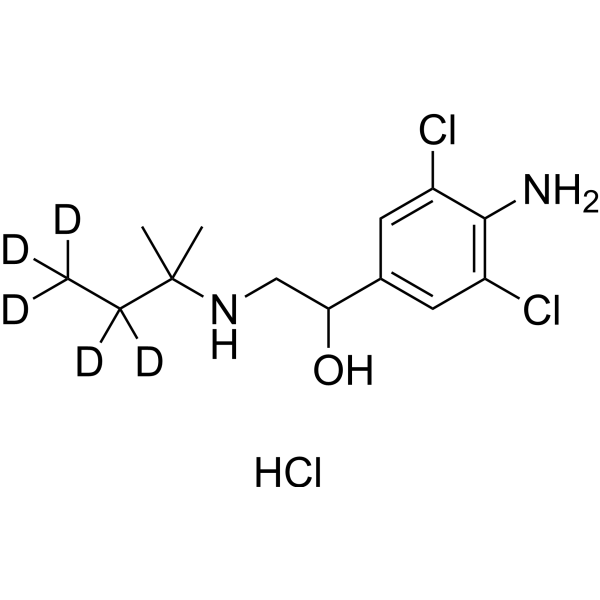
| DC66884 | Clenpenterol Hydrochloride Featured |
Clenpenterol-d5 (hydrochloride) is deuterium labeled Clenpenterol (hydrochloride).
More description
|
|
| DC65891 | GI 181771 Featured |
GI 181771 is a cholecystokinin 1 receptor agonist investigated for the treatment of obesity.
More description
|

|
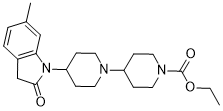
| DC70573 | LSN3172176 Featured |
LSN3172176 is a novel potent, selectiive M1 mAChR partial agonist (EC50 2.4-7.0nM, Emax 43%-73%), shows binding selectivity for M1 mAChRs (Kd=1.5 nM); LSN3172176 is a potential PET tracer for assessment of M1 mAChR target engagement in the clinic and to further elucidate the function of M1 mAChRs in health and disease.
More description
|
|
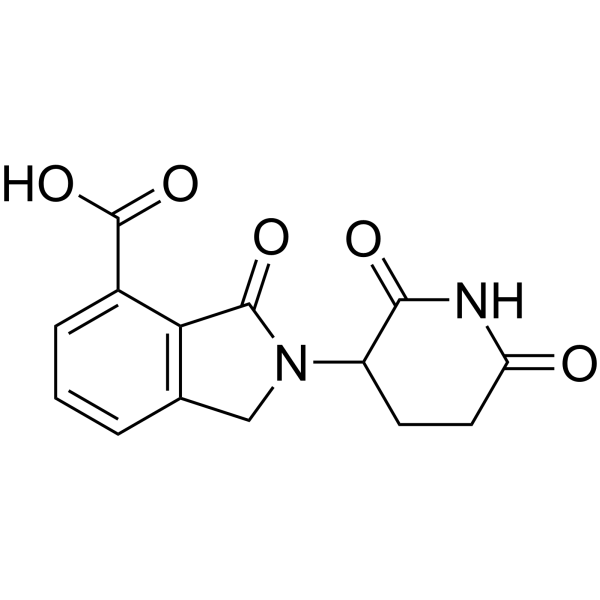
| DC68202 | Desamino lenalidomide-4-COOH Featured |
Desamino lenalidomide-4-COOH is an E3 ubiquitin ligase cereblon (CRBN) ligand used to recruit the cereblon protein. Desamino lenalidomide-4-COOH can be linked to a target protein ligand via a linker to form a PROTAC.
More description
|
|
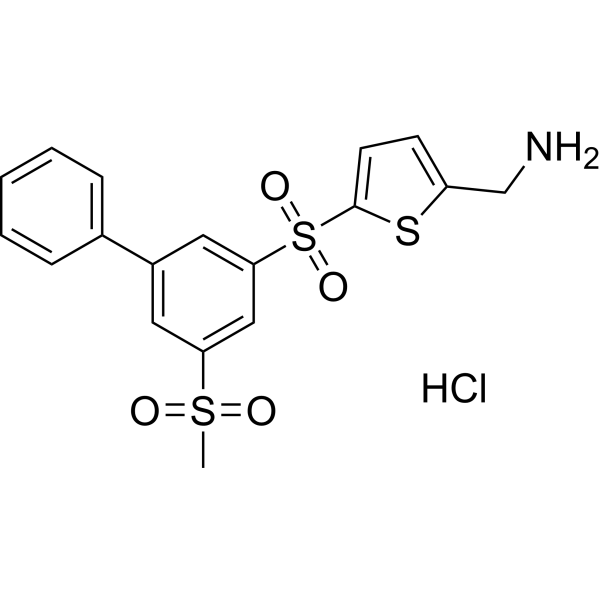
| DC20875 | CCT 365623 hydrochloride Featured |
CCT 365623 (CCT365623) hydrochloride is a potent, orally active small molecule inhibitor of lysyl oxidase (LOX) with IC50 of 0.89 uM.
More description
|
|
| DC12474 | VU6007477 Featured |
VU6007477 is a novel potent, selective, CNS penetrant M1 positive allosteric modulator (PAM) with EC50 of 230 nM, 93% ACh max with minimal M1 agonist activity.
More description
|

|
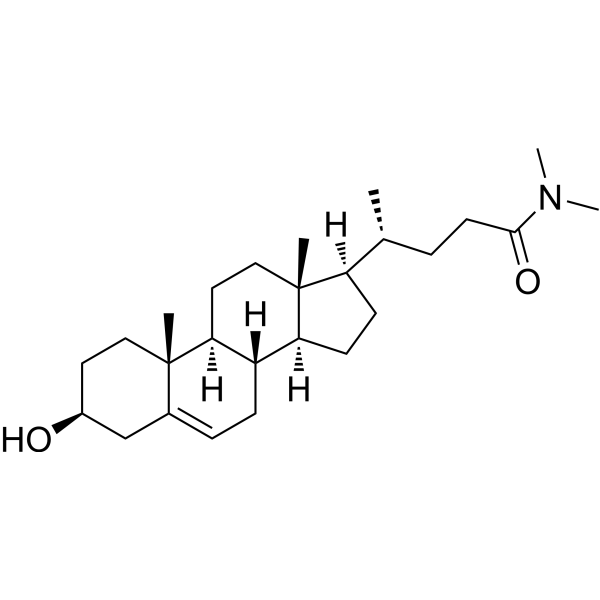
| DC43931 | DMHCA Featured |
Gene-selective LXR modulator that mediates potent transcriptional activation of ABCA1 gene expression while exhibiting minimal effects on SREBP-1c
More description
|
|
| DC68201 | 5-(2,3,4-Trihydroxyphenyl)-3-isoxazolecarboxylic acid Featured |
-3-isoxazolecarboxylic acid.GIF)
|
|
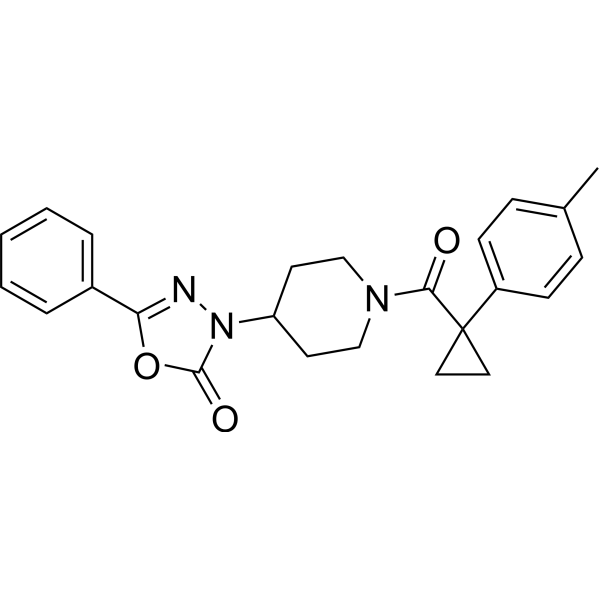
| DC22156 | ML-191 Featured |
ML-191 is a potent, selective GPR55 antagonist with 160 nM potency for GPR55 and >100-fold selectivity against GPR35, CB1 and CB2.
More description
|
|
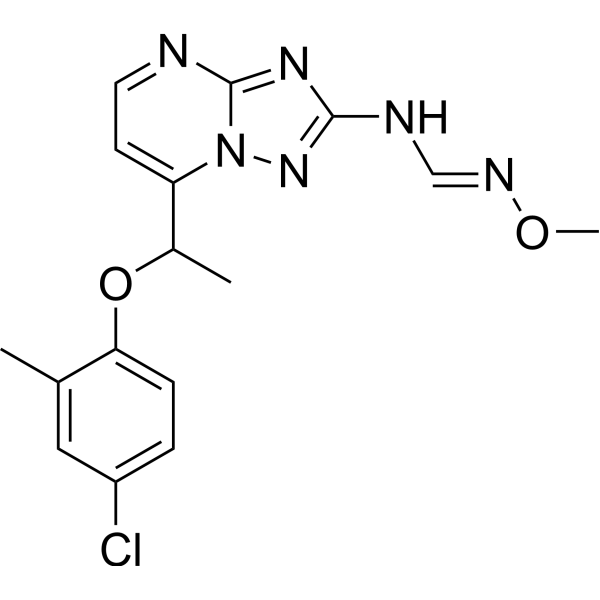
| DC90067 | (-)-cm-tpmf Featured |
CM-TPMF is a K(Ca)2 channel modulator with selective activation and inhibition of K(Ca)2.1 subtypes. CM-TPMF can act on K(Ca)2.1 channels as an activator or inhibitor, and its activity is affected by the stereochemical structure.
More description
|
|
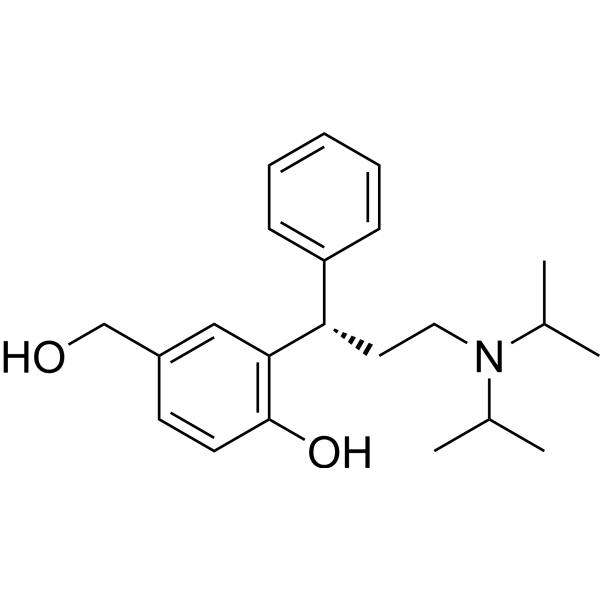
| DC68200 | Tolterodine impurity 1 Featured |
Tolterodine impurity 1 is an impurity of Tolterodine.
More description
|
|
| DC68199 | 2,2'-[(5,6,11,12-Tetradehydrodibenzo[a,e]cyclooctene-2,8-diyl)bis(oxy)]bis[N,N-dimethyl-ethanamine] dihydrochloride Featured |

|
|
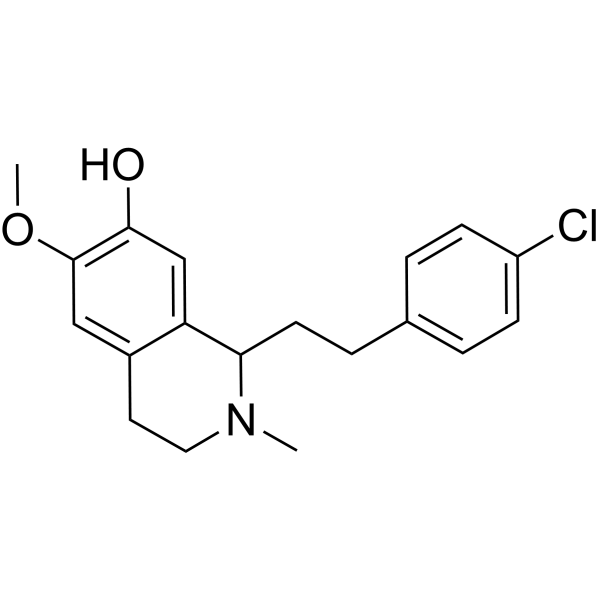
| DC68198 | Ro 04-5595 Featured |
Ro 04-5595 is a selective antagonist with specific activity against the NR2B subunit of the NMDA receptor. Ro 04-5595 exhibits favorable pharmacokinetic properties in in vitro and in vivo studies, with rapid uptake and clearance.
More description
|
|
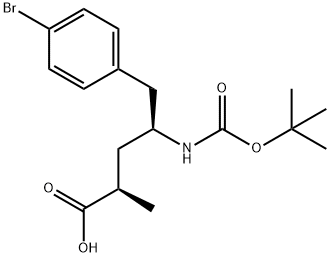
| DC68197 | (2R,4S)-5-(4-Bromophenyl)-4-(boc-amino)-2-methylpentanoic acid Featured |
|
|
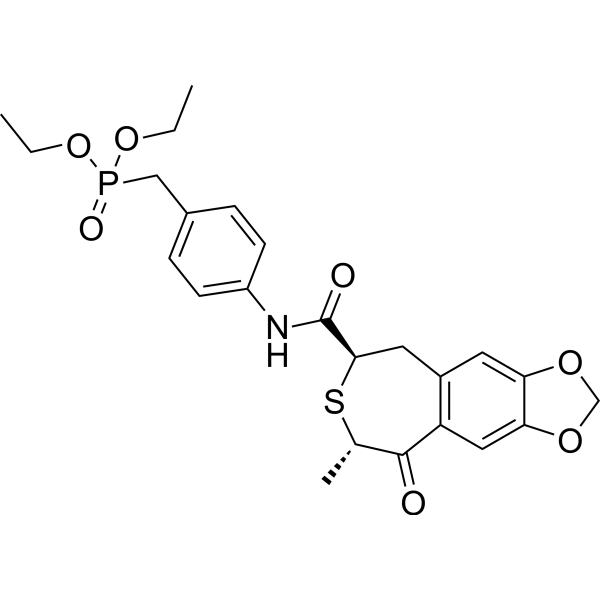
| DC68196 | TAK-778 Featured |
TAK-778 is a derivative of ipriflavone and has been shown to induce bone growth in in vitro and in vivo models.
More description
|
|
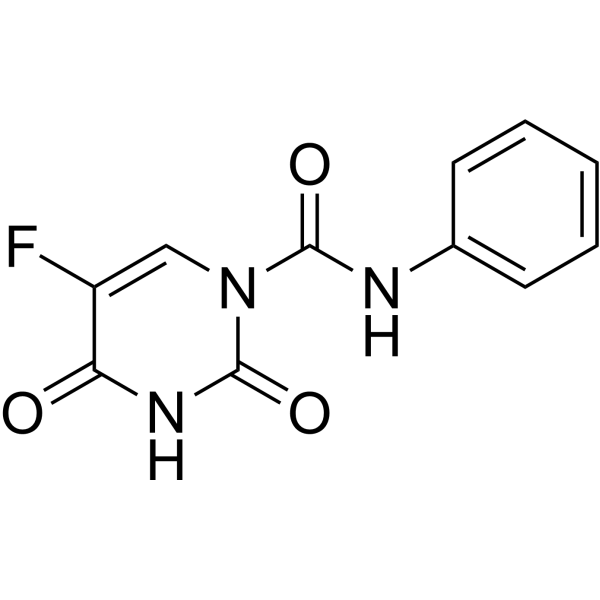
| DC44139 | PluriSIn #2 Featured |
PluriSIn #2 is a selective transcriptional inhibitor of topoisomerase II α (TOP2A). PluriSIn #2 is a compound that selectively eliminates undifferentiated human pluripotent stem cells (hPSCs).
More description
|
|
| DC68195 | AM1710 Featured |
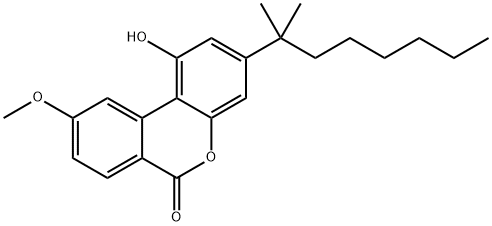
|
|
| DC68194 | N-Methyl-1,2,4-triazolinedione Featured |
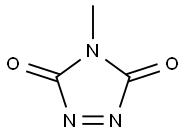
|
|
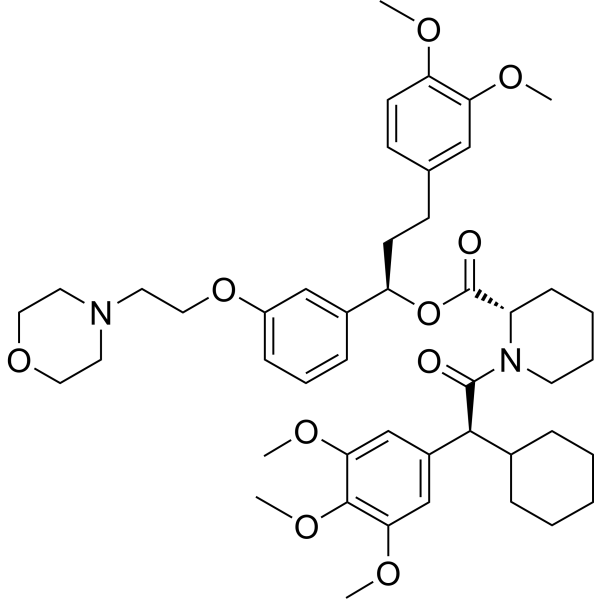
| DC34301 | SAFit2 Featured |
SAFit2 is a selective inhibitor of the ?FK506-binding protein 51 (FKBP51).
More description
|
|
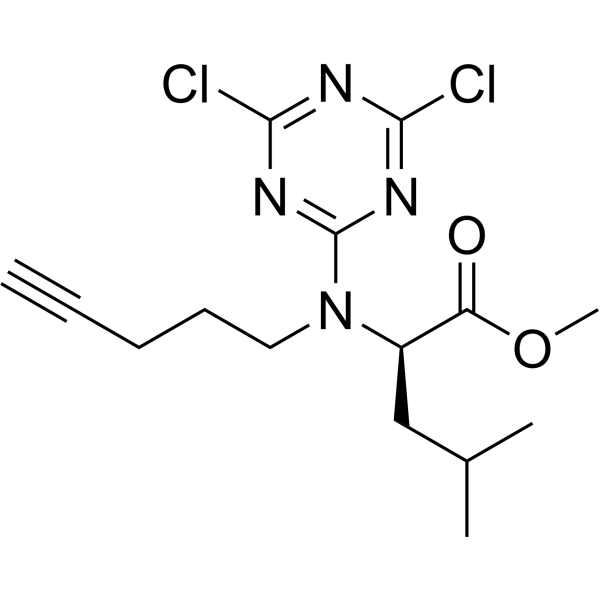
| DC43314 | LAS17 Featured |
Novel highly potent, selective, and irreversible GSTP1 inhibitor
More description
|
|
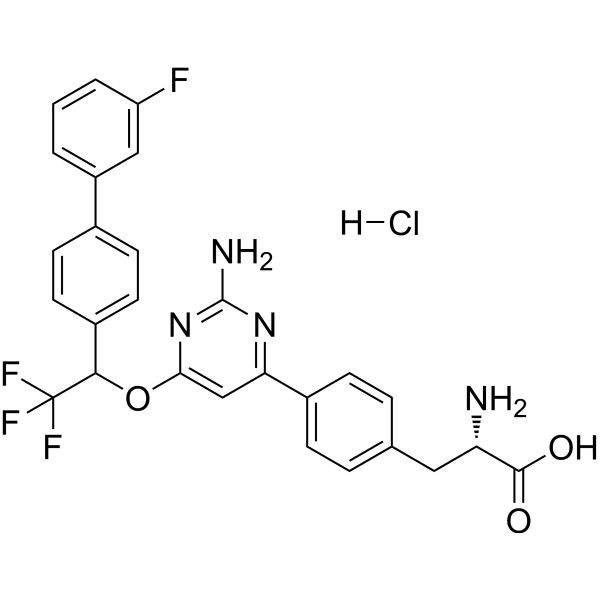
| DC9243 | LP533401 HCl Featured |
LP-533401 hydrochloride is a tryptophan hydroxylase 1 inhibitor that regulates serotonin production in the gut.
More description
|
|
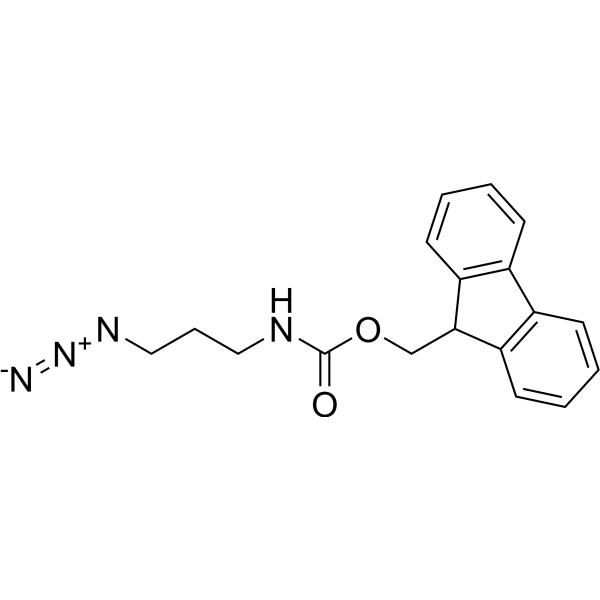
| DC68193 | Fmoc-DAP-N3 Featured |
Fmoc-DAP-N3 is a click chemistry reagent containing an azide group. Fmoc-DAP-N3 is a short, linear spacer molecule with Fmoc protected amino function. Fmoc-DAP-N3 can be used in click conjugation and amid bond formation either with small molecules or for bioconjugation with proteins and antibodies.
More description
|
|