To enhance service speed and avoid tariff delays, we've opened a US warehouse. All US orders ship directly from our US facility.
| Cat. No. | Product Name | Field of Application | Chemical Structure |
|---|---|---|---|
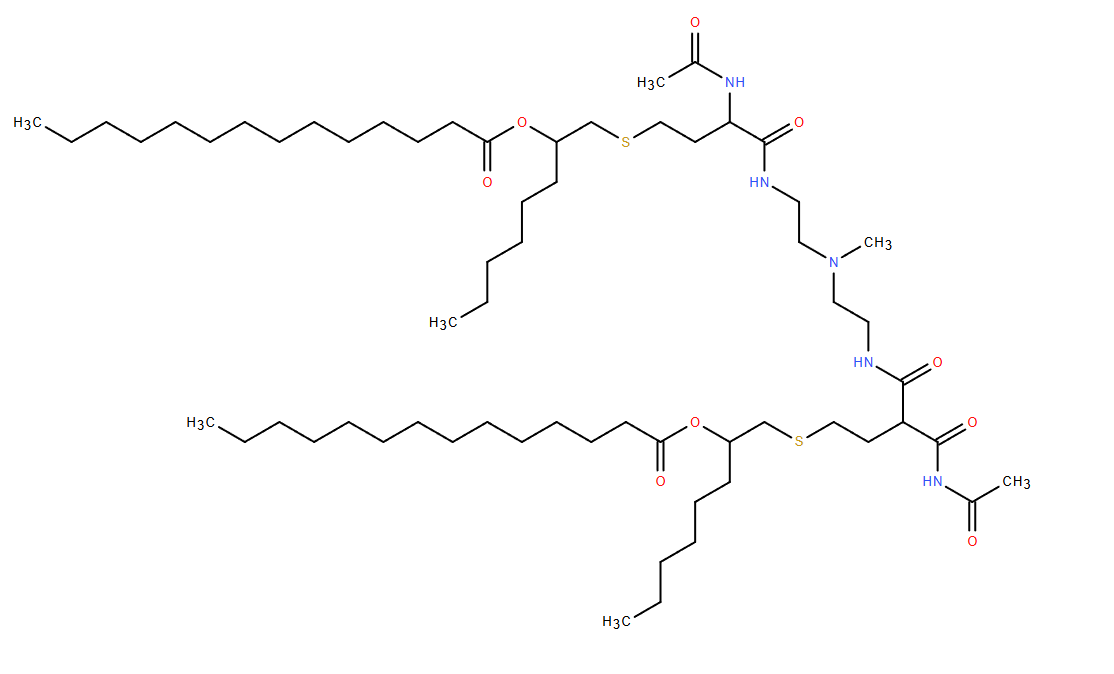
| DC60942 | 113-AA-C8C14 Featured |
113-AA-C8C14 is a spleen-tropic ionizable lipid with inherent splenic organ selectivity. Its formulated LNPs drastically reduce off-target liver uptake and drive 57-fold higher mRNA expression in spleen versus benchmark LNPs. It preferentially delivers nucleic acids to splenic immune cells like macrophages and T lymphocytes, supporting in vivo CAR-T engineering and mRNA vaccine research with minimal accumulation in other visceral organs.
More description
|
|
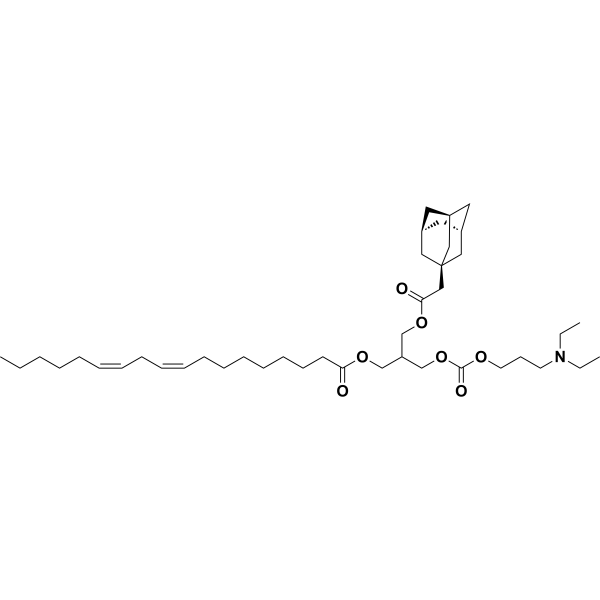
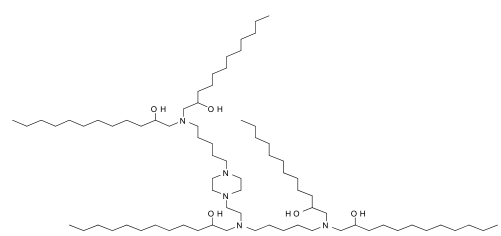
| DC65619 | Lipid 11-A-M Featured |
Lipid 11-A-M (LNP Lipid-8) is a specialized single-tail, multi-head ionizable cationic lipid engineered for targeted nucleic acid delivery to T cells. Unlike traditional lipids that exhibit strong liver tropism, 11-A-M formulations successfully bypass hepatocytes, resulting in negligible liver accumulation and toxicity. Upon intravenous administration, it naturally localizes to peripheral immune organs, enabling robust gene silencing and transfection specifically within splenic CD3⁺ T cells, with a higher efficiency in CD8⁺ cytotoxic T cells over CD4⁺ helper T cells. This liver-evading, T cell-specific targeting profile makes it a premier tool for in vivo immunotherapy and in situ cell reprogramming.
More description
|
|
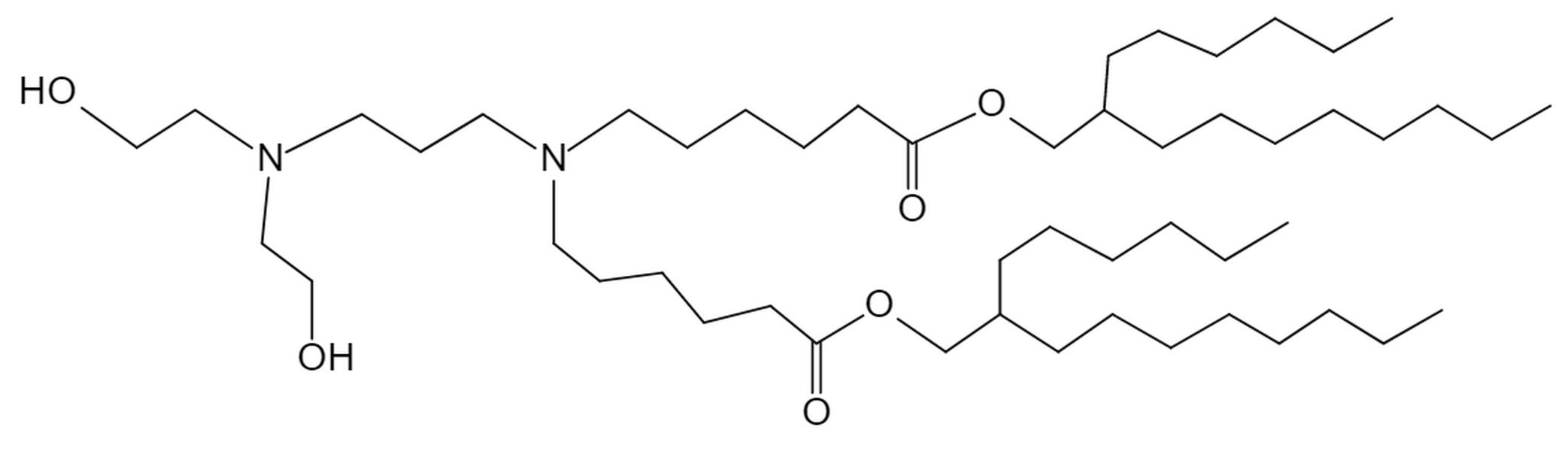
| DC60575 | U-101 Featured |
U-101 is an ionizable lipid for mRNA delivery. U101-LNP/IL-2F mRNA formulation demonstrats effective antitumor activity and safety.LNPs containing lipid U 101 and encapsulating mRNA encoding a fusion protein composed of IL-2, a linker, and CD25 inhibit tumor growth in an MC-38 mouse xenograft model.
More description
|
|
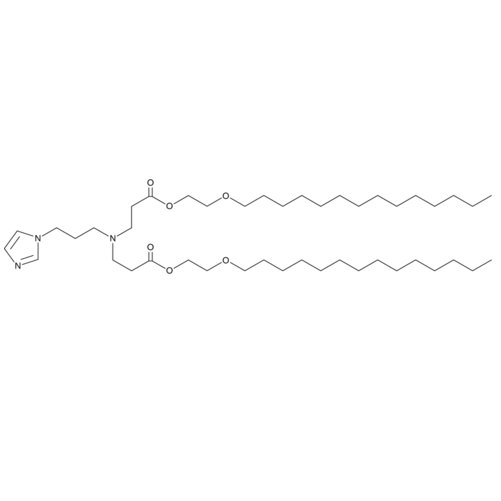
| DC82105 | 93-O17O Featured |
93-O17O is a chalcogen-containing ionizable cationic lipidoid. It has been used in the generation of lipid nanoparticles (LNPs). LNPs containing 93-O17O localize to the spleen after intravenous injection into mice.LNPs containing 93-O17O have been used for the delivery of Cre recombinase and ribonucleoproteins for genome editing in mice and for the intratumoral delivery of cGAMP to enhance cross-presentation of tumor antigens.
More description
|
|
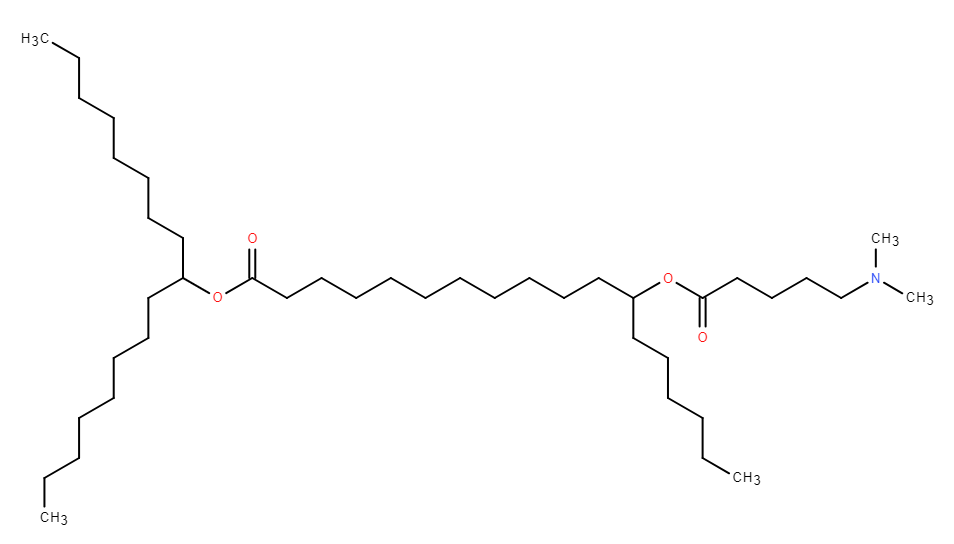
| DC67570 | Generation Lipid 87 Featured |
Lipid 87 is a proprietary ionizable lipid developed by Generation Bio. Used as a key ingredient in stealth LNPs, it greatly prolongs blood circulation time, maintains high nucleic acid encapsulation efficiency and low cytotoxicity, and enables effective liver targeting. Its relevant applications are documented in PCT patent WO2026/080826A1. As a core component (47.5–57.5 mol%) of stealth lipid nanoparticles (LNPs), it works synergistically with steric-stabilizing polymers like DSG-PEG₂₀₀₀-OMe to extend the in vivo blood half-life of LNPs to over 24 hours (compared to merely 30 minutes of conventional LNPs). It achieves an encapsulation efficiency above 95% for mRNA and closed-ended DNA (ceDNA), exhibits low cytotoxicity with an IC₅ value greater than 100 μM, and delivers robust liver-targeting performance, obtaining over 80% hepatocyte transfection at a dosage of 0.5 mpk. In preclinical models of hemophilia B, LNPs formulated with Lipid 87 can restore around 40% of clotting factor IX (FIX) activity for more than seven days.
More description
|
|
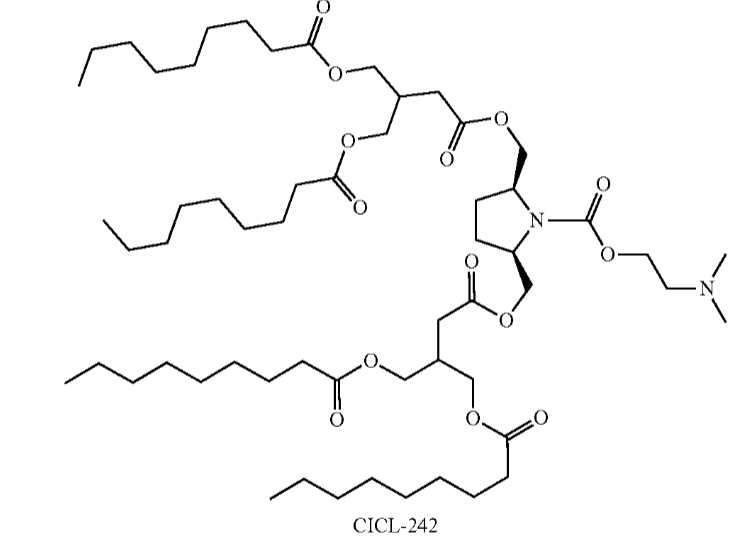
| DC67652 | CICL-242 Featured |
CICL-242 is a constrained ionizable cationic lipid highlighted in patent US 20250127728A1 developed by Capstan as a promising candidate for advanced therapeutic delivery, particularly in stem cell and gene editing applications. Its structure features a rigid amine headgroup similar to CICL-207, which likely facilitates efficient endosomal escape and reduces non-specific uptake, enhancing targeted nucleic acid delivery. Although detailed performance data is not fully disclosed in the patent, CICL-242 is explicitly synthesized and included in gene editing experimental systems (e.g., CRISPR-Cas9 workflows), suggesting its potential for high-efficiency transfection in hard-to-transfect cells like hematopoietic stem cells (CD34⁺). This makes it a strong candidate for ex vivo cell engineering and regenerative medicine, where precision and low off-target effects are critical. While further validation is needed to quantify its efficacy and safety profile, CICL-242 represents a strategic innovation in the lipid library for next-generation genetic therapies.
More description
|
|
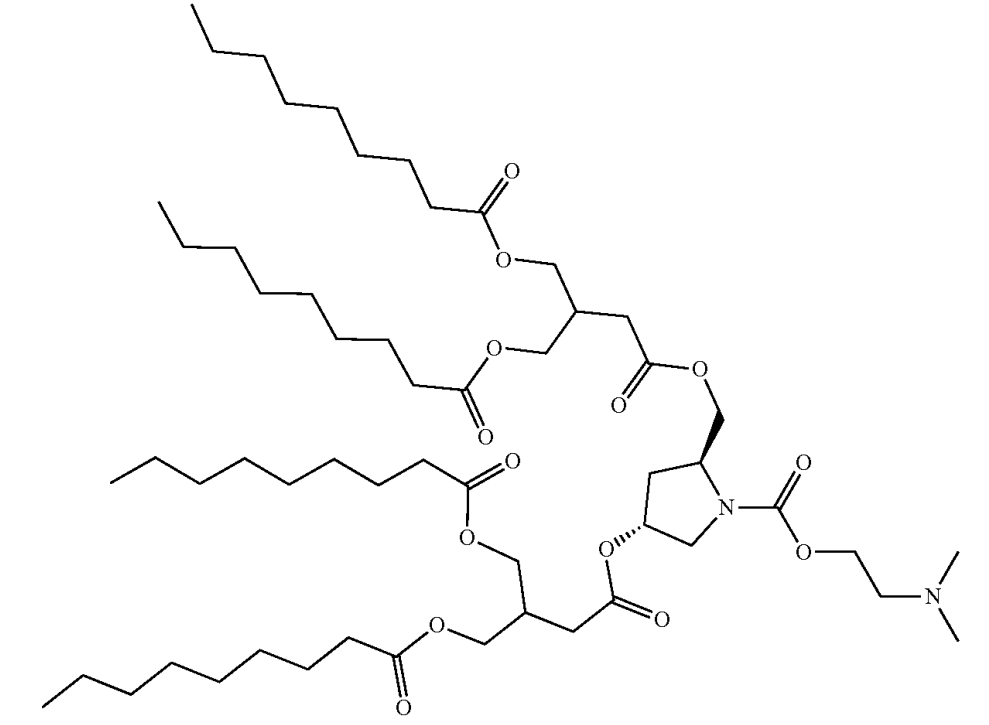
| DC67515 | CICL-207 Featured |
CICL 207 is structurally optimized based on Lipid CICL-1. CICL207 is a constrained ionizable cationic lipid designed for lipid nanoparticle (LNP) delivery systems developed by Capstan. Its structure features a rigid cyclic backbone (e.g., pyrrolidine-derived core) paired with a tertiary amine group that ionizes at acidic pH (pKa ~6.5–7.0), enhancing endosomal escape. The lipid includes asymmetric hydrophobic tails (likely C14–C18 alkyl/ester chains) to stabilize LNP membranes and improve nucleic acid encapsulation. Integrated into LNPs (e.g., 58% CICL-207, 10% DSPC, 30.5% cholesterol, PEG-lipids), it enables targeted delivery to T cells (anti-CD5/CD8 tLNPs) with high transfection efficiency (spleen T cells >70% mCherry+), reduced liver uptake, and low toxicity (no significant ALT/AST elevation in rats). Its constrained design balances stability, tissue specificity, and biocompatibility for gene therapy applications.CICL 207 (F50) significantly outperforms CICL-1 by delivering dramatically enhanced target cell transfection with reduced off-target effects. It achieves >50% transfection efficiency in splenic T-cells—nearly double that of CICL-1—while slashing off-target expression in liver cells to <5% (versus >15% for CICL-1. This precision translates to superior therapeutic outcomes: CICL-207 enables ~95% B-cell depletion in CAR-T applications, far exceeding CICL-1 ’s ~60% efficacy. Critically, it maintains an exceptional safety profile, showing no significant liver toxicity or inflammatory cytokine elevation even at high doses. Furthermore, CICL-207 demonstrates 2-fold higher transfection efficiency in hematopoietic stem cells, enabling robust gene editing. Its optimized pKa (~6.5) and constrained amine structure enhance endosomal escape while minimizing Kupffer cell uptake, making it ideal for targeted therapeutics requiring both potency and safety.
More description
|
|
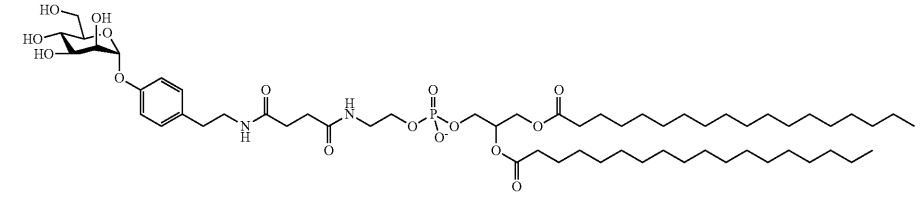
| DC67995 | Lipid 22 Featured |
Compound 22, as detailed in United States Patent US 2026/0014089 A1, is a bifunctional ionizable lipid engineered for precision drug delivery. Its structure integrates a monosaccharide targeting headgroup, designed to bind specifically to DC-SIGN receptors on dendritic cells, via a sophisticated linker connected to a biodegradable lipid anchor. This design enables it to serve as a key component of lipid nanoparticles (LNPs), forming a targeted delivery system. By leveraging the specific carbohydrate-receptor interaction, these LNPs are preferentially internalized by dendritic cells, critical for initiating adaptive immune responses. In vivo studies from the patent, such as the biodistribution data shown in Figure 5, confirm effective accumulation in lymphoid tissues like the spleen and lymph nodes. Consequently, this targeted delivery enhances the potency of encapsulated payloads (e.g., mRNA vaccines) by ensuring professional antigen presentation, eliciting a stronger and more specific immune response—evidenced by higher neutralizing antibody titers—making it a powerful tool for next-generation vaccines and therapeutics.
More description
|
|
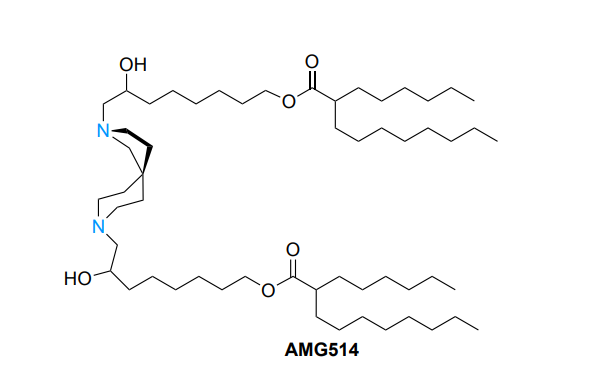
| DC68141 | AMG514 Featured |
AMG514 is a novel ionizable lipid designed for formulating spleen-targeting lipid nanoparticles (LNPs) to deliver immune‑remodeling mRNAs (IR‑mRNAs). Its key advantage lies in the formation of a unique “protein corona” enriched with vitronectin, coagulation factors, and specific apolipoproteins (e.g., ApoA‑IV), together with its relatively high apparent pKa (~7.5), which actively redirects LNPs to the spleen instead of the liver. This precise spleen‑targeting property enables efficient transfection of splenic antigen‑presenting cells (APCs). As a vaccine adjuvant, AMG514‑LNPs therefore elicit a more robust activation of adaptive immunity compared to conventional LNPs (e.g., cKK‑E12), generating significantly enhanced antigen‑specific CD8⁺ T‑cell and antibody responses, and inducing durable anti‑tumor immune memory in preclinical models.
More description
|
|
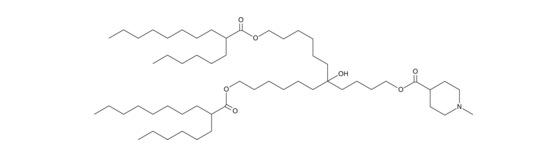
| DC65851 | CL15F6 Featured |
CL15F6 is an ionizable cationic lipid (pKa = 6.75).1 It has been used in the formation of lipid nanoparticles (LNPs) for the delivery of mRNA and polymer-lipid hybrid nanoparticles for the delivery of plasmid DNA in vitro.1,2
More description
|
|
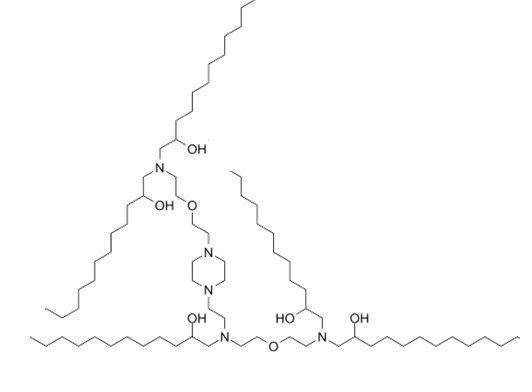
| DC89101 | C12-4 (Lipid A-4,Lipid F3,C12-494) Featured |
C12-4 (Lipid A-4,Lipid F3) is a branched-chain ionizable cationic lipidoid that has been used in the formation of lipid nanoparticles (LNPs) for the delivery of mRNA. LNPs containing lipid A4 and encapsulating an mRNA reporter accumulate in the uterus, placenta, and ovaries, as well as to the spleen and liver, in pregnant mouse dams unlike LNPs containing the branched-chain ionizable cationic lipidoid C12-200, which primarily accumulate in the liver. Intravenous administration of LNPs containing lipid A4 and encapsulating mRNA encoding VEGF increase placental VEGFR1 levels and mean fetal blood vessel area without inducing liver damage in pregnant mouse dams.
More description
|
|
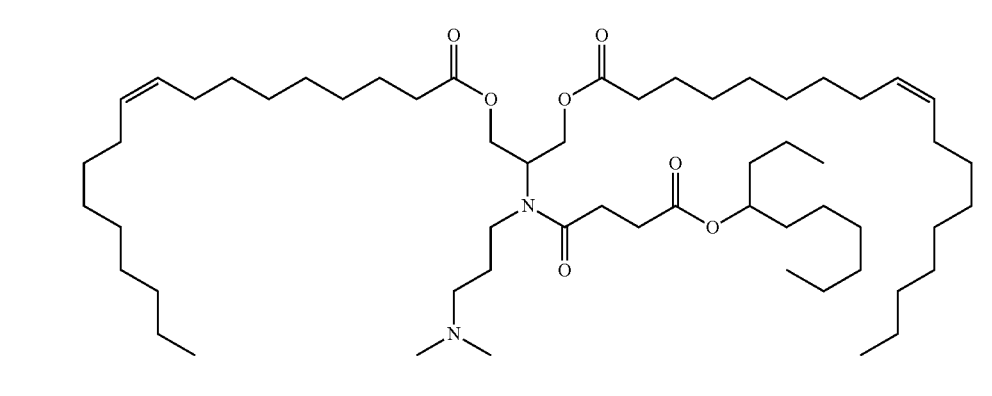
| DC67601 | Sanofi Lipid 15 Featured |
Lipid 15 is the lead ionizable cationic lipid (ICL) for CD8-targeted mRNA-LNPs. As the core LNP component, Lipid 15 yields ~100 nm uniform particles with near-neutral surface charge at physiological pH, while becoming strongly cationic in acidic endosomes—reducing hepatic off-target uptake and enabling efficient endosomal escape to release mRNA. Versus other ICL candidates, Lipid 15 achieves far higher mRNA transfection efficiency in primary human CD8⁺ T cells, supports robust transient CAR expression, and triggers minimal cytokine release in immunogenicity assays. It retains structural and functional stability after freeze storage. When formulated into anti-CD8 VHH-conjugated LNPs carrying CD22 CAR mRNA, Lipid 15 drives specific in vivo reprogramming of circulating CD8⁺ T cells into functional CAR-T cells, delivering potent tumor suppression in humanized hematological malignancy models without overt toxicity.
More description
|
|
| DC60839 | A2T2C9 (CP-LC-1465) Featured |
A2T2C9 (CP-LC-1465) is an imidazole-based ionizable lipid with branched hydrophobic chains and β-propionate linkers, formulated in four-component LNPs for spleen-targeted mRNA delivery. It achieves >80% spleen selectivity with protein expression exceeding 1×10⁷ p/s in mice, driven by its negative zeta potential (-9.7 to -19 mV). Structural features including imidazole polar head and branched acrylate (C9) enhance splenic tropism, potentially through distinct protein corona interactions. Demonstrated low cytotoxicity (>75% viability in splenic cells) and biodegradability via pH-sensitive linkers enable efficient mRNA delivery without permanent charged additives, outperforming conventional anionic SORT systems in selectivity and therapeutic potential.
More description
|
.png)
|
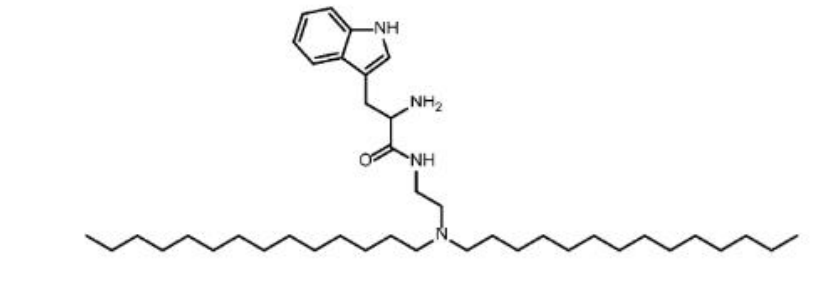
| DC68057 | lipid Trp-L1-T4 Featured |
Trp-L1-T4 is a novel tryptophan-derived ionizable lipid that serves as the core functional component of the optimized lipid nanoparticle (TLNP/RLNP) platform. Its primary function is to enable the efficient encapsulation and in vivo delivery of self-amplifying RNA (saRNA) cargo. Specifically, it facilitates high transfection efficiency and cytosolic release of the RNA payload in target follicular helper T (Tfh) cells, with minimal cytotoxicity. This capability is crucial for reprogramming pathogenic Tfh cells into regulatory CAR-Tfh cells, forming the foundation of the study's therapeutic strategy.
More description
|
|
| DC60499 | C14-A1 Featured |
Lipid C14-A1 is an ionizable lipid. C14-A1-LPN is a potent and safe LNP platform to deliver Foxp3 mRNA to CD4+ T cells to engineer immunosuppressive FP3T cells.
More description
|

|
| DC60503 | C12-A1 Featured |
Lipid C12-A1 is an ionizable lipid. C12-A1-LPN is a potent and safe LNP platform to deliver Foxp3 mRNA to CD4+ T cells to engineer immunosuppressive FP3T cells. C12-A1 has a slightly lower average cell viability than C14-A1.
More description
|
|
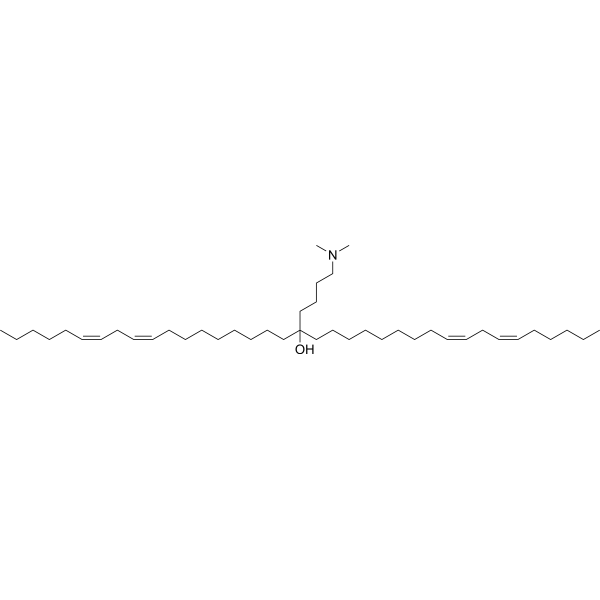
| DC67120 | YSK12-C4 (YSK12-MEND) Featured |
YSK 12C4 is an ionizable cationic lipid primarily used to enhance siRNA cellular delivery via multifunctional envelope-type nanodevices (MEND). YSK 12C4 promotes siRNA uptake and endosomal escape, effectively silencing genes in human immune cell lines.
More description
|
|
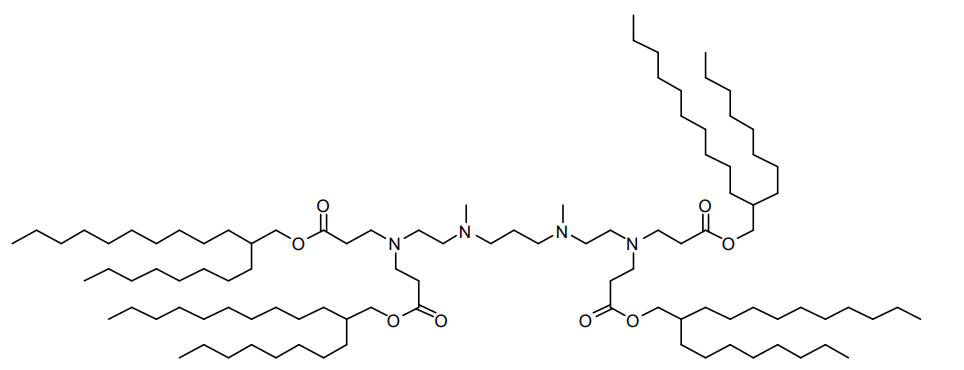
| DC60808 | 503O8,12 Featured |
503O8,12 is an ionizable lipidoid synthesized via Michael addition, combining a hydrophilic amine headgroup ("503" series) with two hydrophobic branched acrylate tails (C8 and C12 chains, likely with unsaturated bonds). Its design emphasizes organ-specific delivery, exhibiting spleen-tropic targeting in vivo.
More description
|
|
| DC59010 | C14-4 Featured |
C14-4 (C14-494,Lipid B-4,Lipid B4) is a novel ionizable lipid with the highest T-cell transfection efficiency and low cytotoxicity.The C14-4 ionizable lipid has been explored for CAR-T therapy.To screen the excellent formulations for mRNA delivery, a
lipid library of 24 ionizable lipids was constructed to make
iLNPs, which were used to deliver luciferase mRNA into
Jurkat cells.[115] The optimal iLNPs formulation was C14-4
iLNPs (C14-4 ionizable lipid, DOPE, chol, and PEG at a molar
ratio of 35%, 16%, 46.5%, and 2.5%) (Figure 6c). The optimal
dose of luciferase mRNA for C14-4 iLNPs was 30 ng.
Compared with electroporated CAR T cells, the CAR T cells engineered
via C14-4 iLNPs showed potent cancer-killing activity
when they were cocultured with Nalm-6 acute lymphoblastic leukemia
cells. To obtain a safer and more effective CAR mRNA
delivery vehicle, the orthogonal design provided 256 potential
formulations, and 16 representative iLNPs formulations were
evaluated.Through evaluating the safety, delivery efficiency,
and transfection efficiency of 16 iLNPs, the formulation B10
(C14-4 ionizable lipid, DOPE, chol, PEG at a molar ratio of
40%, 30%, 25%, and 2.5%) was screened out as the optimal performing formulation. The luciferase expression based on B10
formulation was increased threefold than the initial formulation.
Reducing the accumulation and clearance of iLNPs in the liver
can increase the expression of CAR mRNA in T cells, further
improving the therapeutic effect of CAR-T. Studies have shown
that cholesterol analogs can alter the mechanisms of intracellular
circulation and enhance the delivery of mRNA, which may be
related to the reduced recognition of iLNPs by the Niemann
Pick C1 (NPC1) enzyme.The addition of a hydroxyl
group to various locations in the cholesterol molecule can alter
the binding kinetics between the modified cholesterol and NPC1,
and reduced NPC1 recognition of cholesterol. The results
showed that replacement of 25% and 50% 7 α-hydroxycholesterol
for cholesterol in iLNPs improved mRNA delivery to
primary human T cells in vitro by 1.8-fold and twofold,
respectively.C14-4 is one of the ionizable lipids to efficiently deliver mRNA
to Jurkat cells or primary human T cells. It will effectively promote
the development of mRNA delivery by iLNPs for CAR-T
therapy.
More description
|

|
| DC66219 | Lipid 88 Featured |
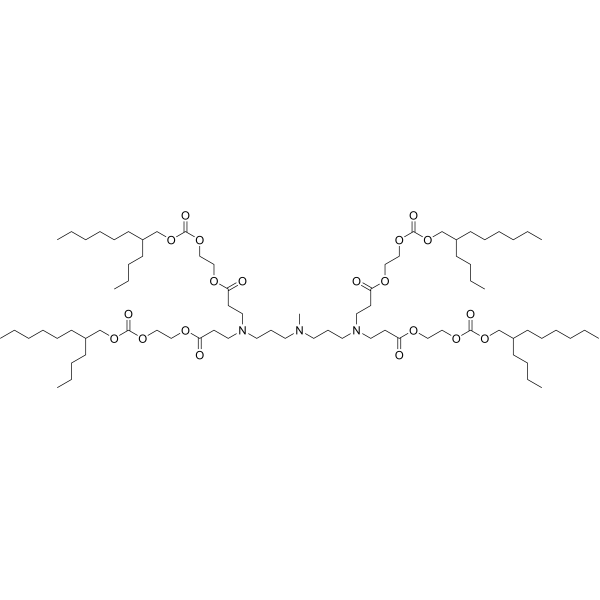
Lipid88 is a high-performance, novel ionizable lipid component engineered for advanced mRNA-LNP vaccine delivery. LNP88 formulation demonstrates superior biodistribution, achieving >10-fold higher transfection efficiency in spleen and lymph nodes compared to benchmark lipids like ALC-0315 via intramuscular delivery. When encapsulating antigen-encoding mRNA (e.g., optimized mCSA construct), Lipid-88 based LNPs drive robust humoral and cellular immunity, enabling complete protection against challenging SARS-CoV-2 variants (WA1/2020, Omicron BA.1, BQ.1) in preclinical models. Its design prioritizes potent immunogenicity with favorable safety profiles.
More description
|
|
| DC82102 | PPZ-A10 Featured |
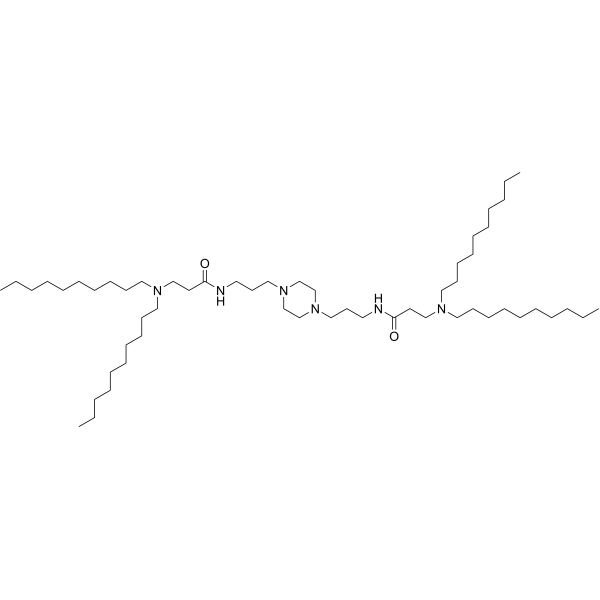
PPZ-A10 is an ionizable cationic lipid.It has been used in the generation of lipid nanoparticles (LNPs) for the delivery of siRNA and mRNA in vitro and in vivo. Intraperitoneal administration of LNPs containing PPZ-A10 and encapsulating an mRNA reporter preferentially accumulates in hepatic Kupffer cells and splenic macrophages in mice.
More description
|
|
| DC60605 | Lipid 119-23 Featured |
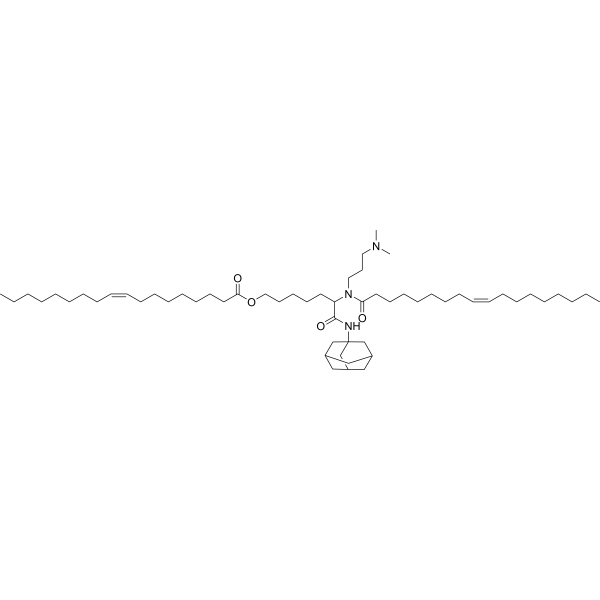
Lipid 119-23 is an ionizable lipid for mRNA delivery. 119-23 LNP exhibits an enhanced capability to express functional mCre in several categories of immune cells, spanning the liver, spleen and lung.
More description
|
|
| DC60821 | Lipid TOT-5 Featured |
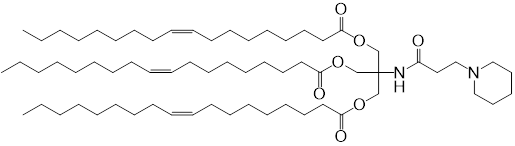
TOT-5, a tri-oleoyl-Tris ionizable lipid (pKa 6.2), enables splenic B cell-targeted mRNA delivery via 15% DSPC-incorporated LNPs. Its charge-neutral, hydrophobic surface minimizes hepatic ApoE uptake and enhances complement C3 adsorption, facilitating CD21/35-mediated uptake by marginal zone B cells. In vivo, intravenous 15%DSPC-LNPs showed 8-fold higher spleen-to-liver luciferase expression vs 3%DSPC, with anti-CD21/35 blocking 60% B cell uptake. Intramuscular administration induced robust OVA-specific IgG (10^5 titer) and CTL responses (3.5% tetramer+ CD8+ T cells) while reducing hepatotoxicity (ALT/AST levels ≤40 U/L vs SM-102-LNPs' 80-120 U/L). Cryo-ET confirmed stable lamellar structures (80-100 nm, ζ-potential -2 mV). This formulation achieves safe, ligand-free splenic targeting for mRNA vaccines.
More description
|
|
| DC60639 | Acid-degradable Anionic Lipid (ADA) Featured |
ADA (Acid-Degradable Anionic Lipids) is revolutionizing mRNA delivery with its unique azido-acetal linker, enabling rapid hydrolysis in endosomes (pH ~6.0). This breakthrough technology ensures efficient endosomal escape, significantly enhancing mRNA delivery to target cells. ADA-LNPs excel in delivering mRNA to the spleen and liver, making them ideal for immune-related therapies.By degrading into biocompatible byproducts, ADA minimizes long-term tissue persistence and toxicity.ADA-LNPs outperform traditional LNPs, delivering mRNA more effectively to immune cells like macrophages and B cells.
More description
|
.png)
|
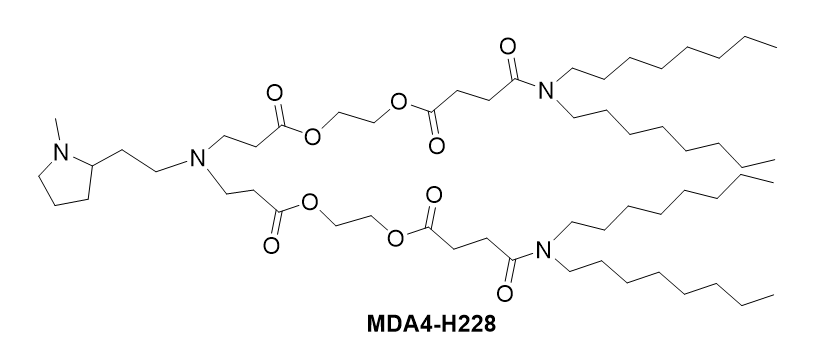
| DC60856 | DMA4-H228 Featured |
DMA4-H228 is a novel, biodegradable lipidoid specifically engineered for spleen-targeted mRNA delivery. Its structure combines a dimethylamino (DMA4) headgroup with a unique hyperbranched lipid tail (H228) synthesized via Michael addition, incorporating ester bonds for enhanced biodegradability. This design enables the formation of stable lipid nanoparticles (LNPs) (~170 nm) with high mRNA encapsulation efficiency (>96%).
Critically, DMA4-H228 exhibits exceptional intrinsic tropism for the spleen (>98% targeting efficiency after IV administration), requiring no external targeting ligands. It selectively delivers mRNA to splenic antigen-presenting cells (APCs), including dendritic cells, macrophages, and B cells. This triggers potent immune activation: rapid IFNα secretion, upregulation of APC maturation markers (CD86/CD40), and robust antigen-specific immune responses.
Demonstrating significant therapeutic potential, DMA4-H228-based mRNA vaccines effectively inhibit tumor growth in melanoma models (e.g., B16F10-OVA). This correlates with increased tumor-infiltrating CD8⁺ T cells, a shift towards pro-inflammatory M1 macrophages, elevated antigen-specific antibodies (IgG), and strong T cell responses (evidenced by IFNγ⁺ spots). Its ability to bypass liver tropism and directly activate splenic APCs makes DMA4-H228 a powerful platform for next-generation mRNA vaccines and cancer immunotherapy.
More description
|
|
| DC60711 | CL15F 9-5 Featured |
CL15F 9-5, a piperidine-based ionizable lipid, exhibits favorable properties for mRNA delivery in lipid nanoparticles (LNPs). Its apparent pKa ranges between 6.24–7.15, ideal for mRNA encapsulation and endosomal escape. LNPs formulated with CL15F 9-5 (50:38.5:10:1.5 molar ratio of ionizable lipid:cholesterol:DSPC:DMG-PEG2k) demonstrated high mRNA encapsulation efficiency (>90%) and maintained physicochemical stability (size, PDI, zeta potential) during storage at 4°C for 5 months . In vitro, CL15F 9-5 LNPs showed superior luciferase expression in HEK-293T cells compared to CL4F-based LNPs. In vivo, liver-targeted LNPs delivered hEPO mRNA effectively, with sustained serum hEPO levels post-storage. Intravenous administration of FLuc mRNA-loaded CL15F 9-5 LNPs yielded strong hepatic bioluminescence, confirming liver tropism. As a vaccine candidate, CL15F 9-5 induced robust antigen-specific cellular immunity in mice, with a 14-fold increase in IFN-γ spots compared to SM-102. Its enhanced stability is attributed to reduced aldehyde impurities, minimizing mRNA-lipid adduct formation.
More description
|

|
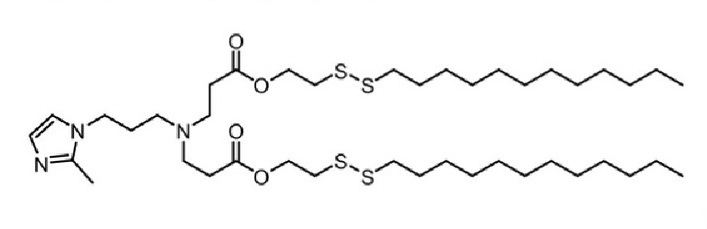
| DC60495 | 9322-O16B Featured |
9322-O16B is a lipidoid for the efficient delivery of antiCD19 mRNA CAR to murine primary macrophages. LNP 9322-O16B is more efficient than delivery with lipofectamine 2000 (LPF2K) or MC3.
More description
|
|
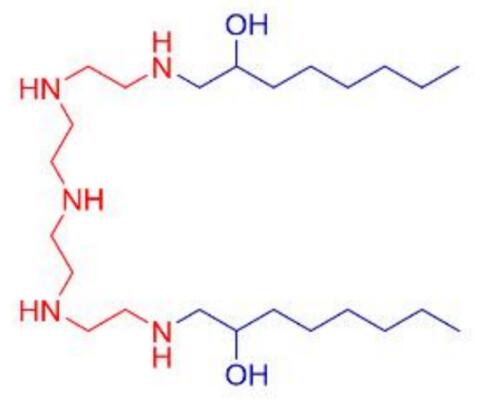
| DC60578 | TE-EP8-S |
TE-EP8-S is a single-component, ionizable cationic lipid designed specifically for the targeted delivery of mRNA to T cells within the spleen. This innovative lipid formulation enhances the efficiency and precision of mRNA-based therapies by ensuring optimal cellular uptake and expression in immune cells. Its unique structure and properties make it a promising tool for advancing immunotherapeutic applications.
More description
|
|
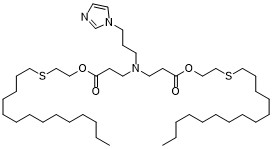
| DC53130 | 93-O17S Featured |
93-O17S is an imidazole-based synthetic lipidoid for in vivo mRNA delivery. Lipid nanoparticles (LNPs) with 93-O17S promotes both the cross-presentation of tumor antigens and the intracellular delivery of cGAMP (STING agonist).
More description
|
|
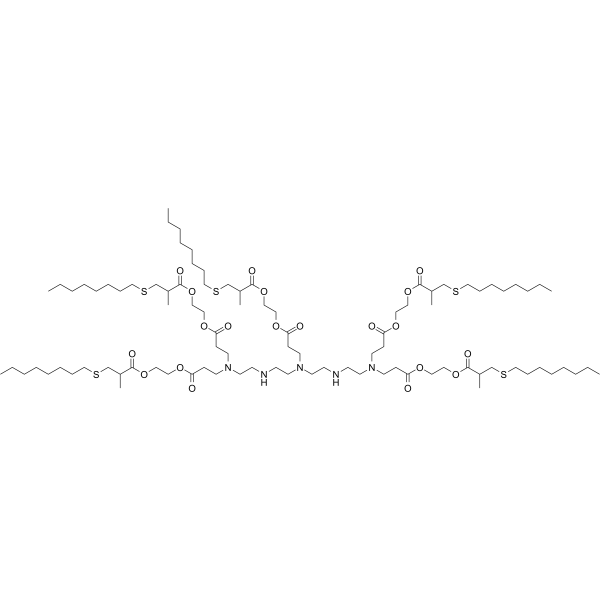
| DC49907 | 5A2-SC8 Featured |
5A2-SC8 is a dendrimer for miRNA delivery to late-stage liver tumors with low hepatotoxicity. 5A2-SC8 shows potent EC50 < 0.02 mg/kg (siRNA against FVII (siFVII)) in dose-response experiments, and well tolerated in separate toxicity studies in chronically ill mice bearing MYC-driven tumors. 5A2-SC8 is a degradable lipid-like compound (ester-based dendrimer) for small RNAs delivery.5A2-SC8, was obtained by screening a large library of more than 1500 ester-based dendrimers
containing ionizable amino groups, which have three
tertiary amine heads and five lipid tails. Based on this library,
the in vitro transfection efficiency of different formulations of
5A2-SC8 iLNPs was evaluated, discovering the optimal formulation
(5A2-SC8, DOPE, cholesterol, PEG at a molar ratio of
15:15:30:3) of 5A2-SC8 iLNPs for delivering fumarylacetoacetate
hydrolase (FAH) mRNA to liver.After the intravenous injection
via tail, the model mice of hepatorenal tyrosinemia type I
had strong FAH protein expression, which prevented
body weight loss and increased the survival rate of hepatorenal
tyrosinemia mice . In addition to introducing utility of
5A2-SC8 iLNPs for the therapeutic intervention, the 5A2-SC8
iLNPs containing DOTAP have been used to establish complex
mouse models via intravenous injection, including in situ liverspecific
cancer model and in situ lung-specific cancer model.
Based on this iLNPs delivery system, 5A2-SC8 induced model
construction method overcomes the time-consuming and costly
disadvantages of traditional animal models establishing methods,
including transgenesis and gene engineering in embryonic
stem cells.
More description
|
|