To enhance service speed and avoid tariff delays, we've opened a US warehouse. All US orders ship directly from our US facility.
| Cat. No. | Product Name | Field of Application | Chemical Structure |
|---|---|---|---|
| DC74166 | SB-U015 Featured |
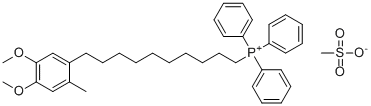
SB-U015 is a MitoQ derivative and tumor necrosis factor receptor-associated protein 1 (TRAP1) inhibitor.
More description
|
|
| DC67988 | KT-001 Featured |
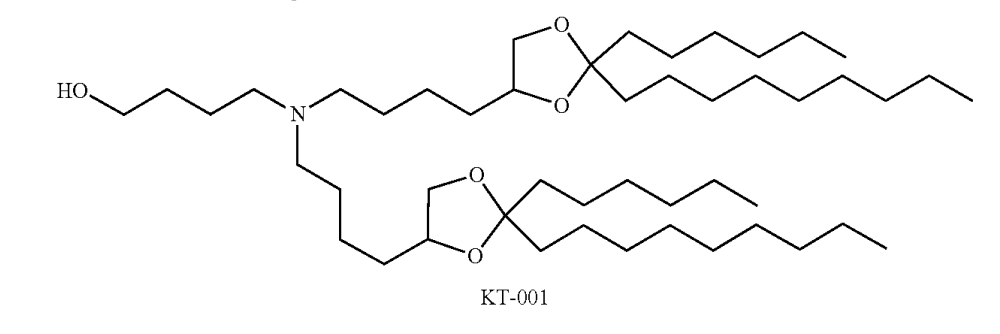
KT-001 is a novel ionizable cationic lipid developed by Vivas, Inc., disclosed in US 2026/0007612 A1 (published Jan 8, 2026). It is formulated into lipid nanoparticles to encapsulate and deliver mRNA, protecting nucleic acids and facilitating cellular uptake for nucleic acid therapy.
More description
|
|
| DC67570 | Generation Lipid 87 Featured |
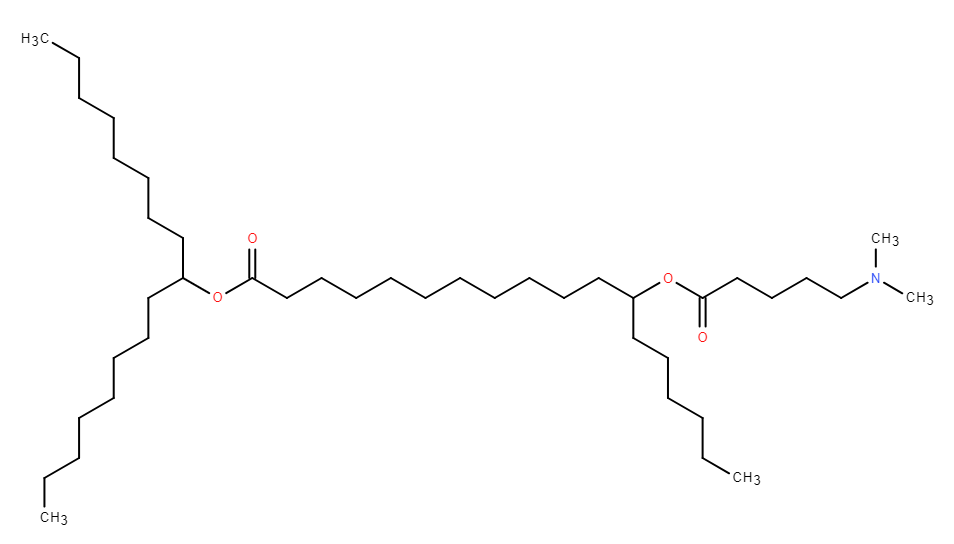
Lipid 87 is a proprietary ionizable lipid developed by Generation Bio. Used as a key ingredient in stealth LNPs, it greatly prolongs blood circulation time, maintains high nucleic acid encapsulation efficiency and low cytotoxicity, and enables effective liver targeting. Its relevant applications are documented in PCT patent WO2026/080826A1. As a core component (47.5–57.5 mol%) of stealth lipid nanoparticles (LNPs), it works synergistically with steric-stabilizing polymers like DSG-PEG₂₀₀₀-OMe to extend the in vivo blood half-life of LNPs to over 24 hours (compared to merely 30 minutes of conventional LNPs). It achieves an encapsulation efficiency above 95% for mRNA and closed-ended DNA (ceDNA), exhibits low cytotoxicity with an IC₅ value greater than 100 μM, and delivers robust liver-targeting performance, obtaining over 80% hepatocyte transfection at a dosage of 0.5 mpk. In preclinical models of hemophilia B, LNPs formulated with Lipid 87 can restore around 40% of clotting factor IX (FIX) activity for more than seven days.
More description
|
|
| DC68166 | PSPC Featured |
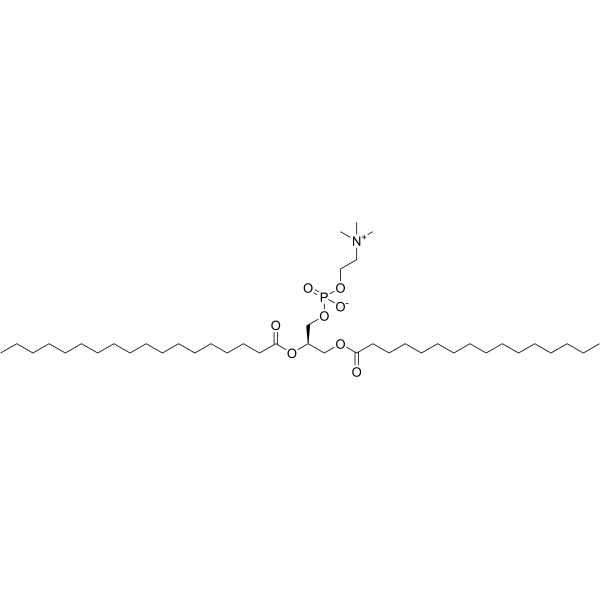
1-Palmitoyl-2-stearoyl-sn-glycero-3-phosphocholine is an assymetrical phospholipid containing saturated palmitic and stearic acid at the sn-1 and sn-2 position respectively. The phosphate group is attached to choline.
More description
|
|
| DC47162 | 10-Nitrooleic acid Featured |
10-Nitrooleic acid (CXA-10), a nitro fatty acid, has potential effects in disease states in which oxidative stress, inflammation, fibrosis, and/or direct tissue toxicity play significant roles.
More description
|

|
| DC77017 | 9(10)-Nitrooleate Featured |
9(10)-Nitrooleate(NOA)is an endogenous nitrated fatty acid that functions as a highly efficient bioactive molecule. Its primary role is the specific inhibition of the STING protein, a key inflammatory signaling sensor within cells. When STING is aberrantly activated, it can trigger a severe inflammatory response, leading to cellular damage.Mechanistically, NOA acts as an electrophile, capable of covalently modifying specific cysteine residues on the STING protein, thereby effectively blocking its ability to activate downstream signaling pathways. This inhibitory action establishes NOA as a potent endogenous anti-inflammatory agent.
In practical application, loading NOA into delivery systems, such as lipid nanoparticles, equips them with an intrinsic "molecular fire extinguisher." It significantly mitigates the acute inflammatory response triggered by delivered cargo, effectively transforming otherwise toxic delivery vehicles into safe platforms. The core value of NOA lies in its ability to provide exceptional safety without compromising the functional expression of therapeutic payloads, offering a crucial safeguard for achieving long-term treatments.
More description
|
-Nitrooleate.gif)
|
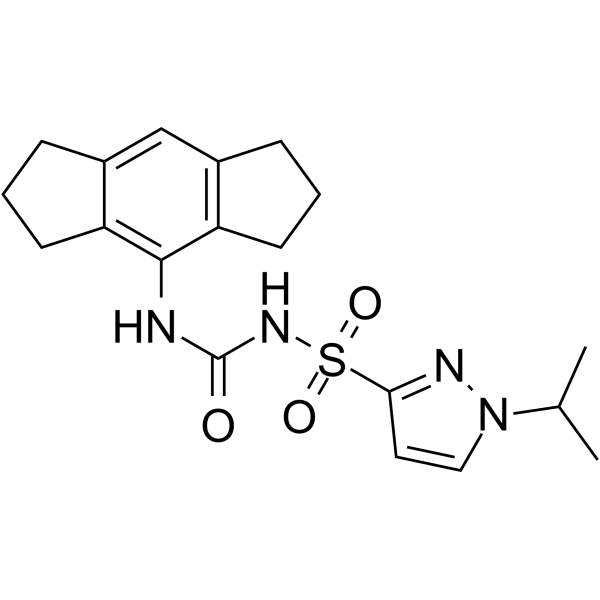
| DC44153 | Emlenoflast(MCC7840) Featured |
MCC7840, a sulfonylurea, is a potent and selective inhibitor of NLRP3 inflammasome, with an IC50 of <100 nM. MCC7840 can be used for the research of inflammatory diseases.
More description
|
|
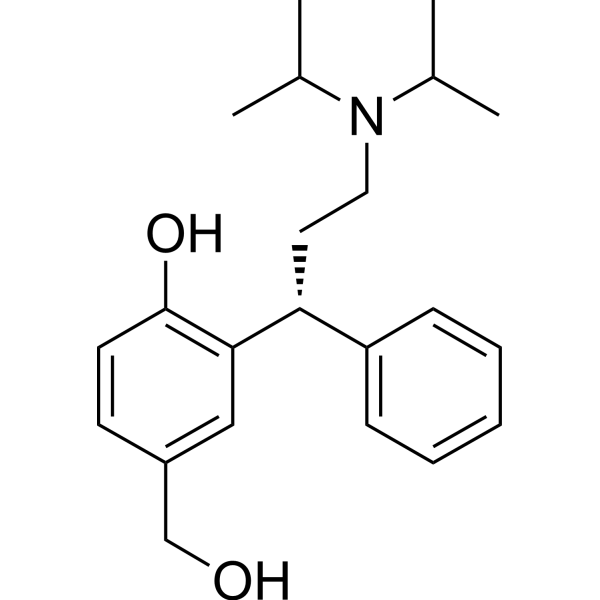
| DC68165 | Desfesoterodine Featured |
Desfesoterodine (PNU-200577) is a potent and selective muscarinic receptor (mAChR) antagonist with a KB and a pA2 of 0.84 nM and 9.14, respectively.
More description
|
|
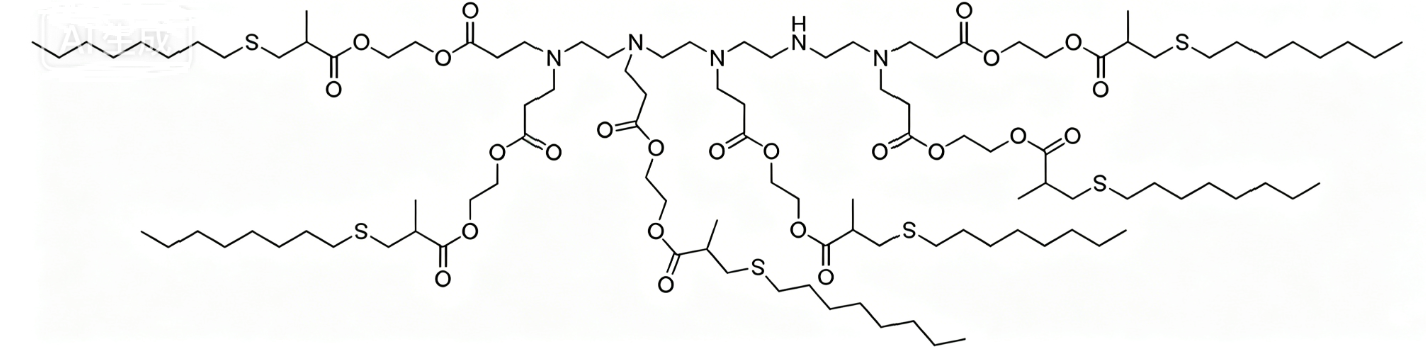
| DC60940 | 6A1-SC8 Featured |
6A1‑SC8 is a biodegradable ionizable lipid developed for LNP-based nucleic acid delivery. With multi-tertiary amine core enabling optimal endosomal escape and built-in hydrolyzable ester linkages for in vivo metabolic clearance, it efficiently encapsulates mRNA, sgRNA and gene-editing payloads. When blended with helper lipids or modified via the SORT strategy with cationic additives like DOTAP, it generates organ-targeted LNPs ranging from liver to cardiac tropism, widely applied in preclinical gene therapy, in vivo CAR‑T and rare disease therapeutic research.
More description
|
|
| DC60941 | Antioxidant lipid AO12 Featured |
AO12 is a novel antioxidant ionizable lipid derived from SM-102 skeleton with para-hydroxyphenyl propionic acid side chains. Integrated into LNPs, it efficiently scavenges diverse reactive oxygen species including ·OH and ONOO⁻, shielding encapsulated mRNA from oxidative degradation. It retains fine LNP formulation features and cellular uptake capacity of conventional lipids, boosting in vivo mRNA translation. Applied for regenerative mRNA therapy and CRISPR gene editing against fibrosis and inflammatory disorders.
More description
|

|
| DC67658 | Lipid 4A2-B8-PH Featured |
4A2-B8-PH is an optimally designed thioketal-incorporated biodegradable ionizable lipid (TBIL) for mRNA delivery to pancreatic ductal epithelial cells. It features a 4A2 headgroup with three tertiary amines, a biodegradable thioketal-based B8 linker, and a branched PH tail. The thioketal linker enables ROS-responsive degradation in the tumor microenvironment, enhancing endosomal escape and mRNA release. In vivo, 4A2-B8-PH LNPs achieve 98.3% pancreas-specific targeting after intraperitoneal administration, with a 218-fold improvement in delivery efficiency compared to previous benchmarks. It successfully transfects 30.5% of pancreatic ductal epithelial cells and induces complete tumor regression in orthotopic PDAC models via IL-12 mRNA therapy, demonstrating high efficacy and safety.
More description
|

|
| DC60545 | 200Oi10 Featured |
200Oi10 is an ionizable lipidoid used in lipid nanoparticles (LNPs) for RNA delivery. Structurally, it features ester-conjugated cleavable lipid tails, enhancing biodegradability and reducing toxicity compared to non-cleavable analogs. Preclinical studies show that 200Oi10-based LNPs primarily accumulate in the liver (97.7%) after intravenous administration. However, intraperitoneal injection redirects biodistribution, achieving 46.4% pancreatic uptake, which can be further amplified by incorporating cationic lipids like DOTAP. This unique tropism enables pancreas-targeted mRNA delivery. 200Oi10's ester linkages promote rapid clearance, improving biocompatibility while maintaining siRNA/mRNA delivery efficiency. Its design exemplifies the use of degradable lipidoids to balance organ specificity, efficacy, and safety in RNA therapeutics.
More description
|

|
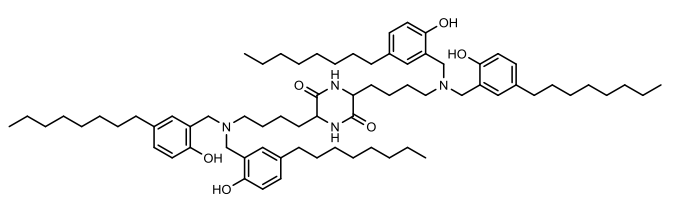
| DC67564 | C-a16 Featured |
C-a16 is an ionizable lipid engineered through Mannich reaction chemistry, designed to revolutionize mRNA delivery by synergizing high efficiency with minimized immune activation. Synthesized by reacting a phenolic tail derivative, formaldehyde, and a branched tertiary amine core under optimized ethanol conditions, this lipid integrates antioxidant phenol groups directly into its structure. These phenol moieties serve as intrinsic radical scavengers, effectively neutralizing intracellular reactive oxygen species that typically degrade mRNA and trigger inflammation.In lipid nanoparticle formulations, C-a16 constitutes the functional backbone, enabling superior mRNA encapsulation efficiency while maintaining a stable nanoparticle size of approximately 80–100 nm. Critically, it outperforms conventional lipids like DLin-MC3-DMA by achieving significantly higher target-protein expression in vivo alongside markedly reduced pro-inflammatory cytokine secretion. The antioxidant capability is not incidental but fundamental—quenching the phenol groups drastically diminishes both ROS suppression and delivery efficacy, confirming the design's mechanistic elegance.C-a16 represents a paradigm shift: its biomimetic antioxidant architecture addresses the chronic trade-off between delivery potency and immunogenicity, unlocking safer therapeutic applications for vaccines and gene therapies.
More description
|
|
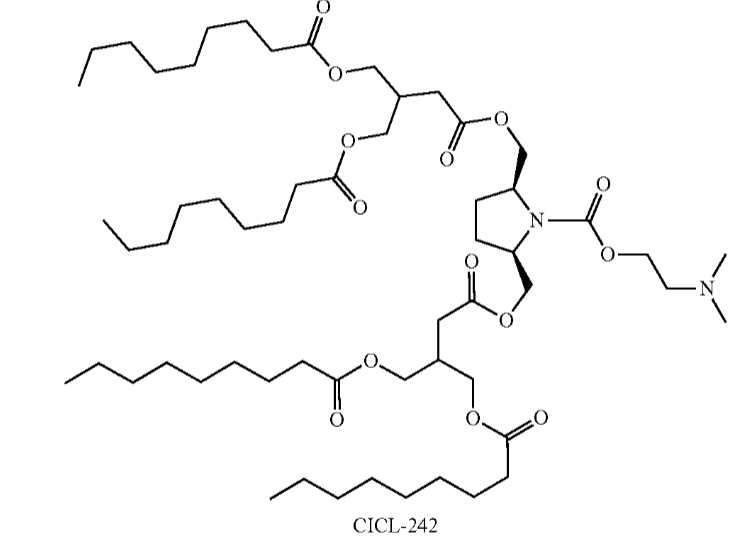
| DC67652 | CICL-242 Featured |
CICL-242 is a constrained ionizable cationic lipid highlighted in patent US 20250127728A1 developed by Capstan as a promising candidate for advanced therapeutic delivery, particularly in stem cell and gene editing applications. Its structure features a rigid amine headgroup similar to CICL-207, which likely facilitates efficient endosomal escape and reduces non-specific uptake, enhancing targeted nucleic acid delivery. Although detailed performance data is not fully disclosed in the patent, CICL-242 is explicitly synthesized and included in gene editing experimental systems (e.g., CRISPR-Cas9 workflows), suggesting its potential for high-efficiency transfection in hard-to-transfect cells like hematopoietic stem cells (CD34⁺). This makes it a strong candidate for ex vivo cell engineering and regenerative medicine, where precision and low off-target effects are critical. While further validation is needed to quantify its efficacy and safety profile, CICL-242 represents a strategic innovation in the lipid library for next-generation genetic therapies.
More description
|
|
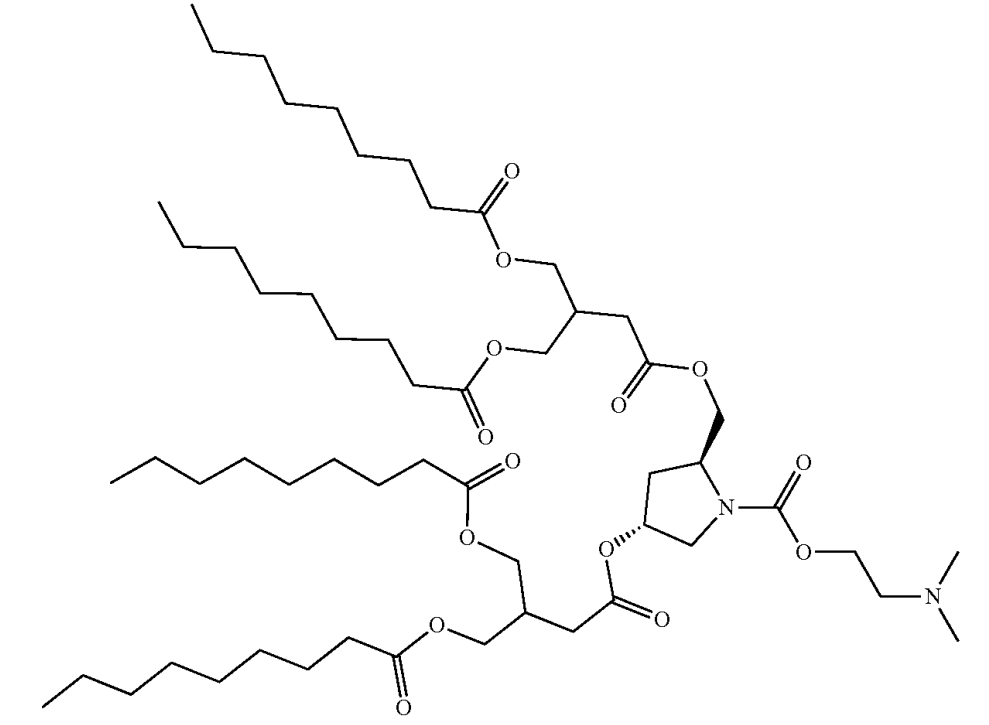
| DC67515 | CICL-207 Featured |
CICL 207 is structurally optimized based on Lipid CICL-1. CICL207 is a constrained ionizable cationic lipid designed for lipid nanoparticle (LNP) delivery systems developed by Capstan. Its structure features a rigid cyclic backbone (e.g., pyrrolidine-derived core) paired with a tertiary amine group that ionizes at acidic pH (pKa ~6.5–7.0), enhancing endosomal escape. The lipid includes asymmetric hydrophobic tails (likely C14–C18 alkyl/ester chains) to stabilize LNP membranes and improve nucleic acid encapsulation. Integrated into LNPs (e.g., 58% CICL-207, 10% DSPC, 30.5% cholesterol, PEG-lipids), it enables targeted delivery to T cells (anti-CD5/CD8 tLNPs) with high transfection efficiency (spleen T cells >70% mCherry+), reduced liver uptake, and low toxicity (no significant ALT/AST elevation in rats). Its constrained design balances stability, tissue specificity, and biocompatibility for gene therapy applications.CICL 207 (F50) significantly outperforms CICL-1 by delivering dramatically enhanced target cell transfection with reduced off-target effects. It achieves >50% transfection efficiency in splenic T-cells—nearly double that of CICL-1—while slashing off-target expression in liver cells to <5% (versus >15% for CICL-1. This precision translates to superior therapeutic outcomes: CICL-207 enables ~95% B-cell depletion in CAR-T applications, far exceeding CICL-1 ’s ~60% efficacy. Critically, it maintains an exceptional safety profile, showing no significant liver toxicity or inflammatory cytokine elevation even at high doses. Furthermore, CICL-207 demonstrates 2-fold higher transfection efficiency in hematopoietic stem cells, enabling robust gene editing. Its optimized pKa (~6.5) and constrained amine structure enhance endosomal escape while minimizing Kupffer cell uptake, making it ideal for targeted therapeutics requiring both potency and safety.
More description
|
|
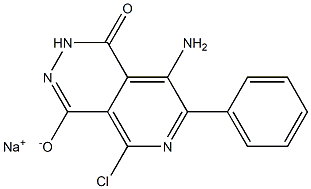
| DC45885 | L 012 sodium salt Featured |
L 012 sodium salt a luminol-based chemiluminescent (CL) probe, is widely used in vitro and in vivo to detect NADPH oxidase (Nox)-derived superoxide (O2•−) and identify Nox inhibitors.
More description
|
|
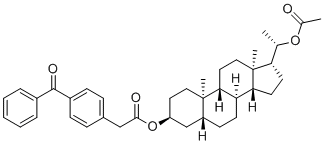
| DC70281 | C67399 Featured |
C67399 is a small molecule that blocks the integrin β1 binding site of TLN1, reduces the malignant behaviours of TNBC in vitro (MDA-MB-231 cell, IC50=2.0 uM).C67399 treatment significantly reduced the viability of BT549 cells.C67399 (2 uM) significantly reduced the expression of integrin β1, AKT, FAK, and phosphorylated FAK in MDA-MB-231 cells, while did not affect the expression of integrin β3.C67399 inhibited the binding of TLN1 to integrin β1 in MDA-MB-231 cells.C67399 (1.75 mg/kg) inhibited tumour growth and metastasis of MDA-MB-231 cells in mice, without causing obvious structural toxic changes.
More description
|
|
| DC70729 | Ral inhibitor 1 Featured |
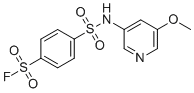
Ral inhibitor 1 is a covalent inhibitor of RalB (Ras-like GTPase) activation, inhibits guanine exchange factor Rgl2-mediated nucleotide exchange of Ral GTPase, selectively inhibits Ral over Ras; Ral inhibitor 1 inhibits RalB/Rgl2 interaction through covalent reaction at Tyr-82 with IC50 of 49.5 uM; Ral (Ras-like) GTPases are directly activated by oncogenic Ras GTPases.
More description
|
|
| DC65850 | VL422 Featured |
VL-422 is an ionizable cationic lipid. VL-422 delivers CRISPR complementary single-guide RNA (sgRNA) and Cas9 mRNA to enable in vitro and in vivo gene editing. LNPs containing VL-422 loaded with Cas9 mRNA and sgRNA targeting the ANGPTL3 gene induce the deletion of premature stop codons within the ANGPTL3 gene in the liver of cynomolgus monkeys. Loss-of-function of ANGPTL3 leads to decreased levels of LDL, HDL and cholesterol in plasma. The VL-422 delivery system can be used for the research of gene editing strategies targeting lipid metabolism diseases.
More description
|

|
| DC60489 | LIPID 331 Featured |
Lipid 331 is a biodegradable cyclic ionizable lipid. LNPs containing Lipid 331 result in robust transfection in the nasal and lung tissues of mice and efficient transfection of lung epithelial cells and lung-resident APCs. Lipid 331 is a promising candidate for mRNA vaccine delivery, offering the potential for further enhancing the potency of mRNA vaccines.
More description
|

|
| DC68164 | Galnac Lipid I-1 Featured |
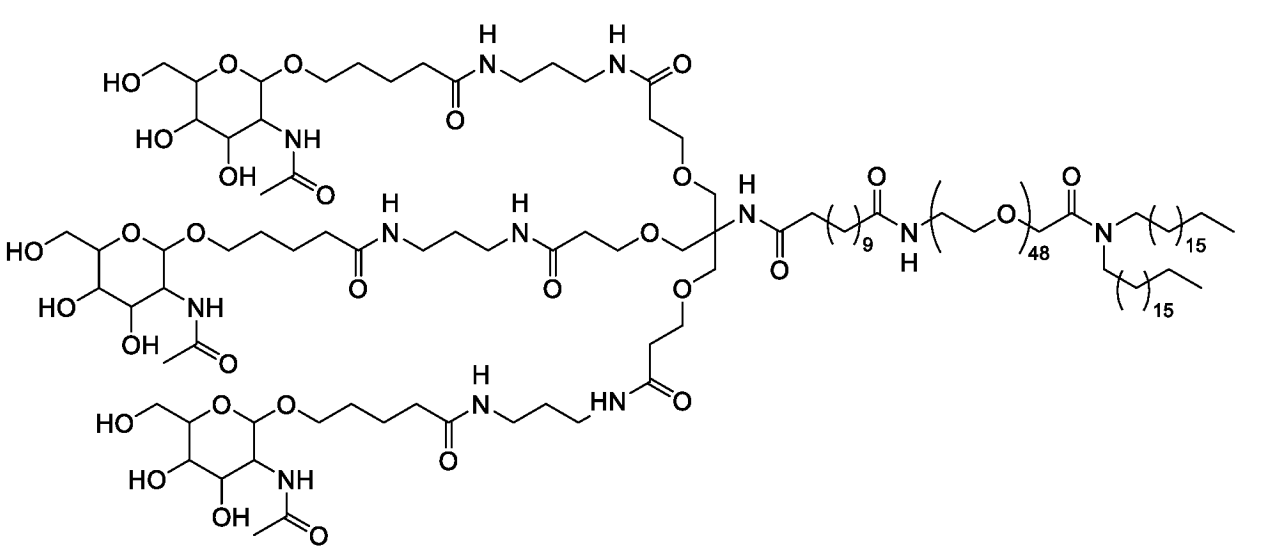
Disclosed in PCT patent WO2025/240833A1 from Acuitas Therapeutics Inc., Compound I‑1 is a trivalent tri-GalNAc PEGylated targeting lipid composed of three ASGPR-binding GalNAc moieties, a PEG spacer and double C18 alkyl lipid tails that insert into LNP lipid bilayer.
More description
|
|
| DC78407 | Emvistegrast Featured |
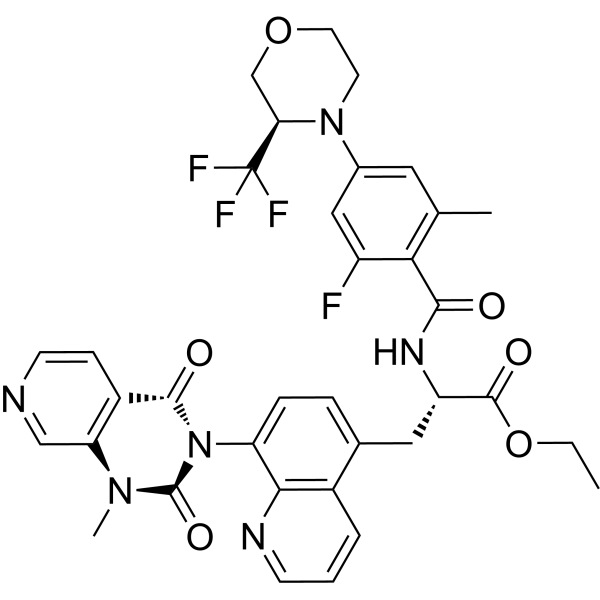
Emvistegrast is a quinolone derivative. Emvistegrast is an antagonist of α4β7 integrin. Emvistegrast can be studied in research for diseases that are mediated by α4β7 integrin, such as infkammatory bowel disease.
More description
|
|
| DC68163 | DSPE-PEG-DSS6 Featured |
DSS6-PEG-DSPE,DSPE-PEG-DSS6 is a composite molecule composed of phospholipids(DSPE),polyethylene glycol(PEG),and bone targeting peptide DSS6,mainly used for bone targeted drug delivery and bone tissue repair. Its core structure achieves precise targeting and efficient delivery through the synergistic effect of three parts.The DSS6 peptide consists of six Asp-Ser-Ser amino acid repeat sequences and can specifically recognize hydroxyapatite(HAp)in bone tissue.
More description
|

|
| DC70904 | WEHI-7326 Featured |
WEHI-7326 (WEHI 7326) is a specifi mitotic inhibitor and potential anticancer agent, causes cell cycle arrest in G2/M, cell death in vitro (MDA-MB-231 IC50=24.4 nM), and displays efficacious anti-tumor activity in vivo.WEHI-7326 induces cell death in a broad range of cancer cell lines, including taxane-resistant cells, and inhibits growth of human colon, brain, lung, prostate and breast tumors in mice xenografts.WEHI-7326 exceeded potency of myoseverin B by almost ten-fold, did not show any significant cytotoxic activity in vitro (IC50>40 uM) in HepG2 cells.WEHI-7326 prolongs survival in mouse models of high-risk neuroblastoma and leads to complete tumor regression when used in combination with standard-of-care relapse therapies.
More description
|

|
| DC68162 | HGT5001 Featured |
HGT5001, disclosed in patent US 2026/0125339 A1 by Translate Bio (now part of Sanofi), is a novel ionizable cationic lipid optimized for mRNA delivery. It enables efficient LNP assembly, high mRNA encapsulation, potent endosomal escape, and exceptional in vivo protein expression, with demonstrated efficacy in therapeutic mRNA applications, low toxicity, and favorable biocompatibility, making it a leading candidate for advanced mRNA therapeutics.
More description
|

|
| DC68161 | AKG-UO-1 Featured |
AKG-UO-1 is a novel ionizable lipid. With excellent oxidative stability and efficient endosomal escape capability, it significantly improves mRNA delivery efficiency and vaccine stability, reduces degradation risks, making it an optimal component for lipid nanoparticles.
More description
|

|
| DC68160 | Tri-GalNAc-DSG-PEG2000 Featured |
DSG-PEG2K-triGalNAc is a functionalized PEG lipid that enhances targeted drug delivery by binding to the Asialoglycoprotein Receptor (ASGPR) which are predominantly found on the surface of liver cells. By functionalizing DSG-PEG2K with triGalNac, it allows this PEG lipid to be used in the formation of liposomes or LNPs that target the liver for drug delivery.
More description
|

|
| DC68159 | MitoSOX Red Featured |
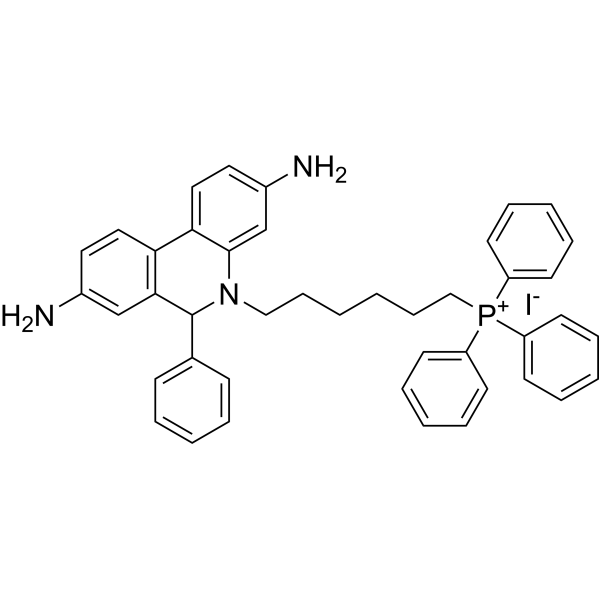
MitoSOX Red is a live cell fluorescent probe that specifically targets mitochondria and is cell membrane permeable. MitoSOX Red enters mitochondria and is oxidized by superoxide but not by other ROS or RNS generating systems. The oxidized MitoSOX Red then binds to nucleic acids in mitochondria/nucleus, producing strong red fluorescence.
More description
|
|
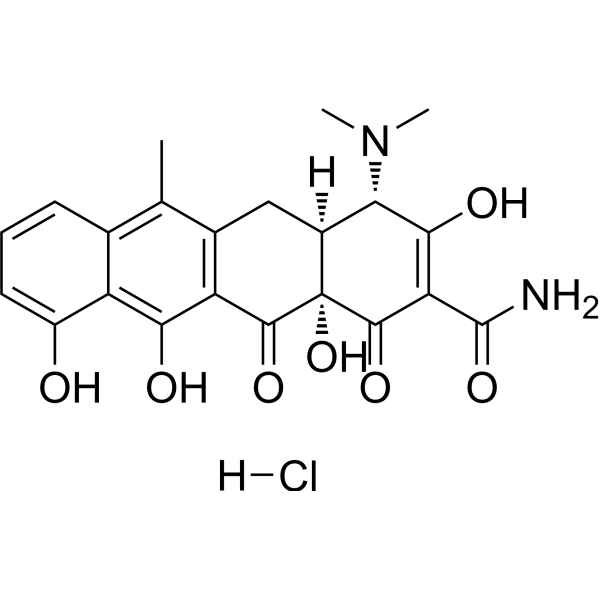
| DC68158 | Anhydrotetracycline hydrochloride Featured |
Anhydrotetracycline hydrochloride, a tetracycline biosynthetic precursor, is a potent competitive broad-spectrum tetracycline destructase enzymes inhibitor.
More description
|
|
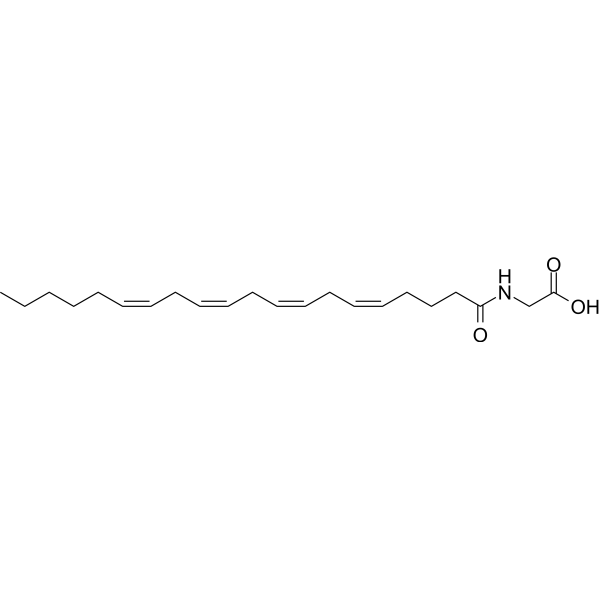
| DC46392 | N-Arachidonylglycine Featured |
N-Arachidonylglycine (NA-Gly), a carboxylic analog of the endocannabinoid anandamide (AEA), is a GPR18 agonist (EC50 = 44.5 nM). Unlike AEA, N-Arachidonylglycine has no activity at either CB1 or CB2 receptors. N-Arachidonylglycine inhibits GLYT2 (IC50 = 5.1 μM). N-Arachidonylglycine also is an effective activator of endometrial cell migration.
More description
|
|