To enhance service speed and avoid tariff delays, we've opened a US warehouse. All US orders ship directly from our US facility.
| Cat. No. | Product Name | Field of Application | Chemical Structure |
|---|---|---|---|
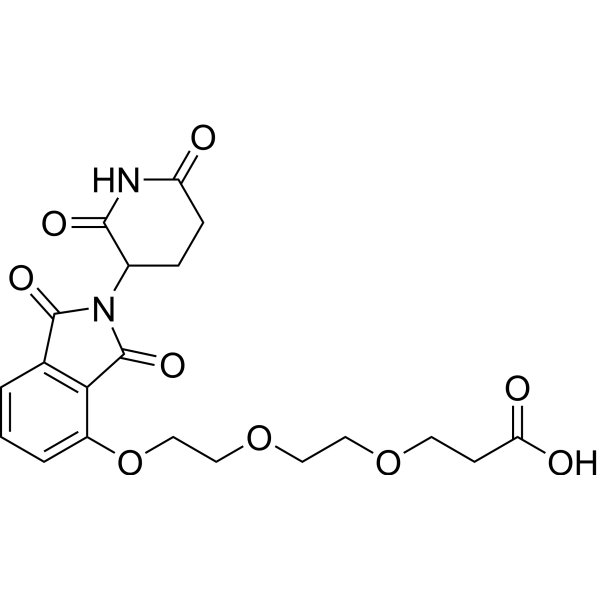
| DC67823 | Thalidomide-o-PEG2-acid Featured |
Thalidomide-o-PEG2-acid, is synthesized compound that incorporatess the Thalidomide based cereblon ligand and the PEG linker used in PROTAC technology.
More description
|
|
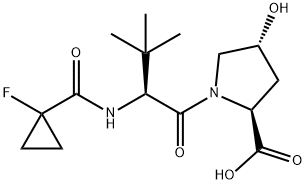
| DC67822 | L-Proline, N-[(1-fluorocyclopropyl)carbonyl]-3-methyl-L-valyl-4-hydroxy-, (4R)- Featured |
|
|
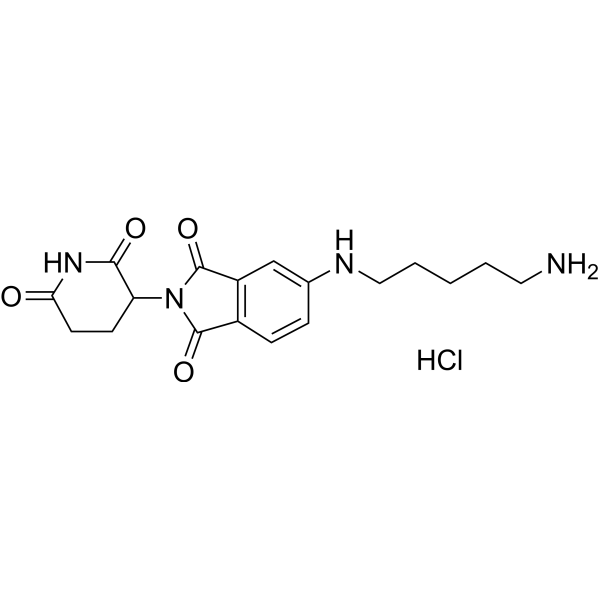
| DC67821 | Pomalidomide-5-C5-NH2 hydrochloride Featured |
Pomalidomide-5-C5-NH2 hydrochloride is the Pomalidomide (HY-10984)-based cereblon (CRBN) ligand used in the recruitment of CRBN protein.
More description
|
|
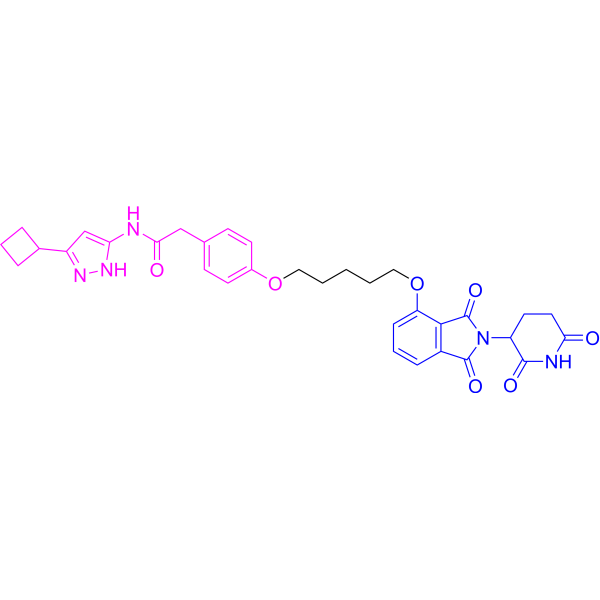
| DC11564 | PROTAC CDK9 Degrader-1 Featured |
A heterobifunctional small molecule PROTAC capable of cereblon mediated proteasomal degradation of CDK9.
More description
|
|
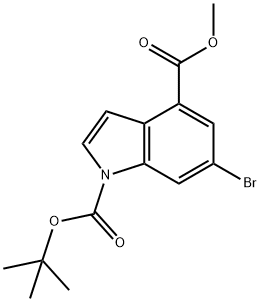
| DC67820 | 6-Bromo-indole-1,4-dicarboxylic acid 1-tert-butyl ester 4-methyl ester Featured |
|
|
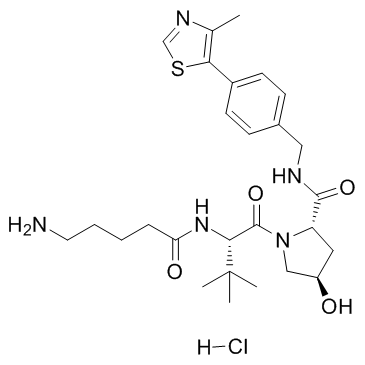
| DC12264 | Protac linker 5 Featured |
Protac Linker 5 is a PROTAC linker utilized to connect the respective tyrosine kinase inhibitor (TKI) to the E3 recruiting ligand.
More description
|
|
| DC32732 | VH 032-linker 6 Featured |
VH 032 Linker 6 is a derivative of the proteolysis-targeting chimera technology (PROTAC) for PROTAC research and development; by incorporating an E3 ligase ligand and a PEG2 linker with terminal alkyne, it is ready for conjugation to a target protein ligand
More description
|

|
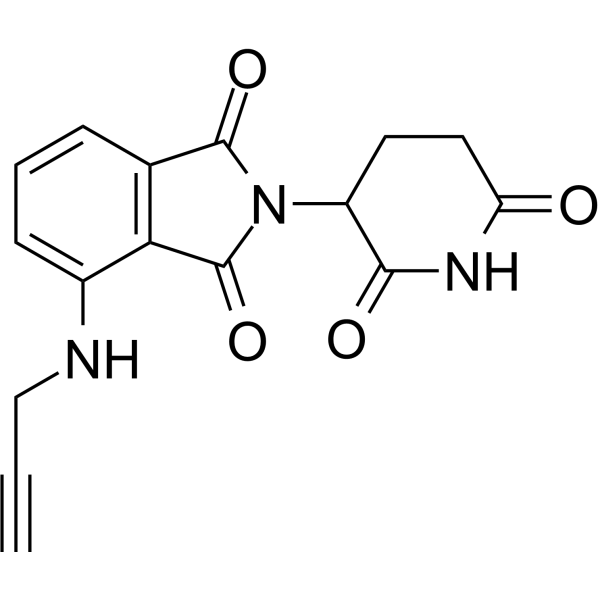
| DC67819 | Pomalidomide-propargyl Featured |
Pomalidomide-propargyl contains an E3 ligand and a terminal alkyl group ready for click conjugation. Pomalidomide-propargyl is ready for conjugation to target proteins for PROTAC.
More description
|
|
| DC67818 | 1H-Isoindole-1,3(2H)-dione, 5-[(2-aminoethyl)amino]-2-(2,6-dioxo-3-piperidinyl)- Featured |
-dione, 5-[(2-aminoethyl)amino]-2-(2,6-dioxo-3-piperidinyl)-.gif)
|
|
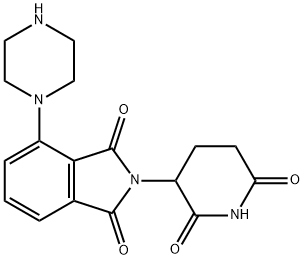
| DC65204 | Pomalidomide-piperazine Featured |
Pomalidomide-piperazine is an active compound that can be used to synthesis the E3 ligand for PROTAC.
More description
|
|
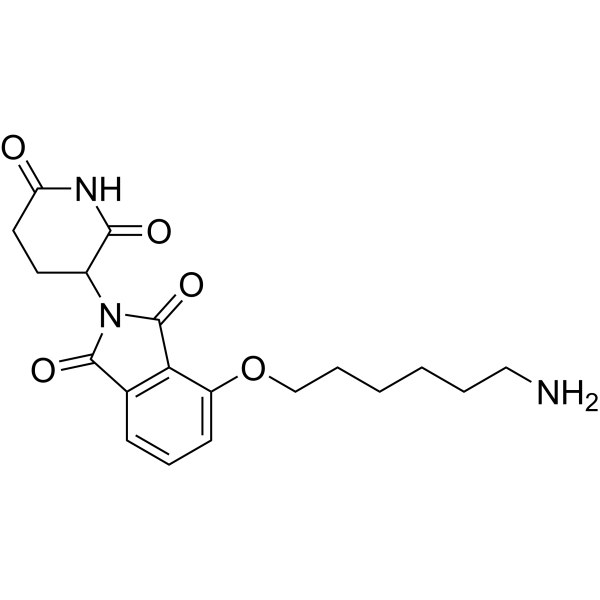
| DC45311 | Thalidomide-O-C6-NH2 Featured |
Thalidomide-O-C6-NH2 is a synthesized E3 ligase ligand-linker conjugate that incorporates the Thalidomide based cereblon ligand and a linker used in PROTAC technology.
More description
|
|
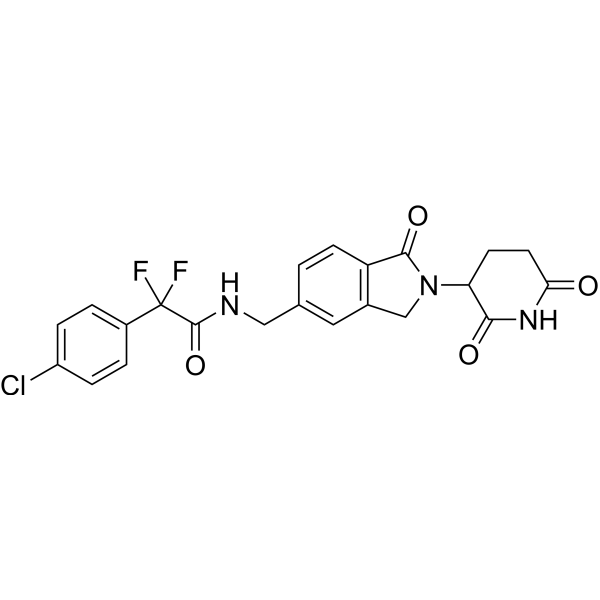
| DC28693 | CC-90009 Featured |
CC-90009 is a cereblon modulator that selectively binds to CRBN, influencing the activity of the ubiquitin E3 ligase complex. This interaction triggers the ubiquitination and subsequent proteasome-mediated degradation of specific transcription factors, such as Ikaros (IKZF1) and Aiolos (IKZF3), which act as transcriptional repressors in T-cells. By reducing the levels of these factors, CC-90009 modulates immune system activity, potentially leading to the activation of T-lymphocytes.
More description
|
|
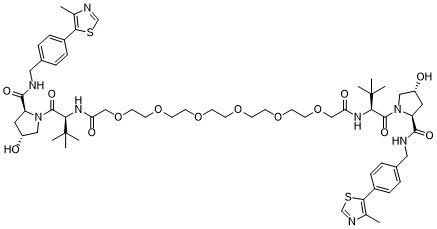
| DC11590 | Homo-PROTAC pVHL30 degrader 1 Featured |
CM-11 is a homo-PROTAC, bivalent small-molecule dimerizer of the VHL E3 ubiquitin ligase to induce self-degradation.
More description
|
|
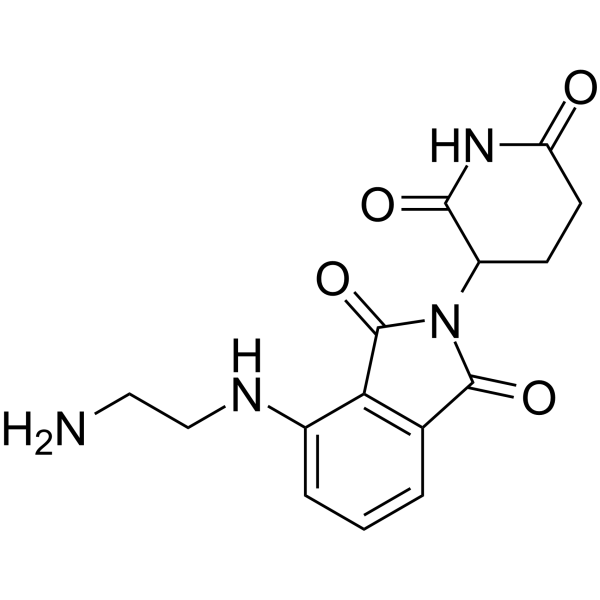
| DC50061 | Pomalidomide-C2-NH2(E3 ligase Ligand 17) Featured |
E3 ligase Ligand 17 is a ligand for E3 ubiquitin ligase. E3 ligase Ligand 17 can be connected to the ligand for protein by a linker to form PROTACs or SNIPERs. PROTACs are inducers of ubiquitination-mediated degradation of cancer-promoting proteins[1].
More description
|
|
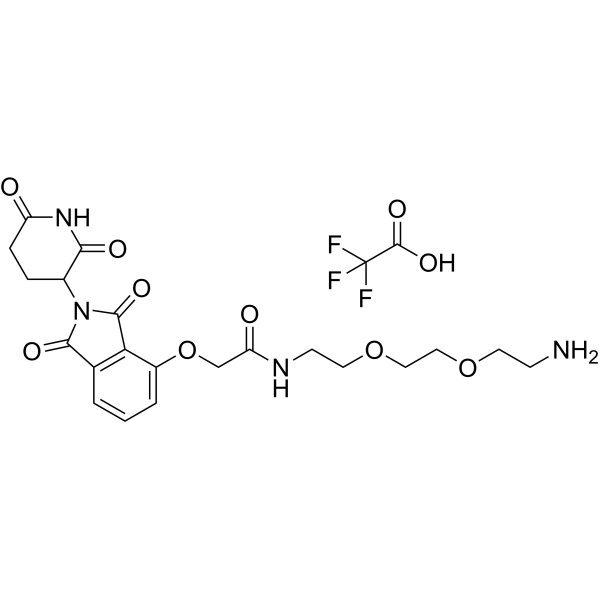
| DC67817 | Thalidomide-O-amido-PEG2-C2-NH2 TFA Featured |
Thalidomide-O-amido-PEG2-C2-NH2 TFA is a synthesized E3 ligase ligand-linker conjugate that incorporates the Thalidomide based cereblon ligand and 2-unit PEG linker used in PROTAC technology.
More description
|
|
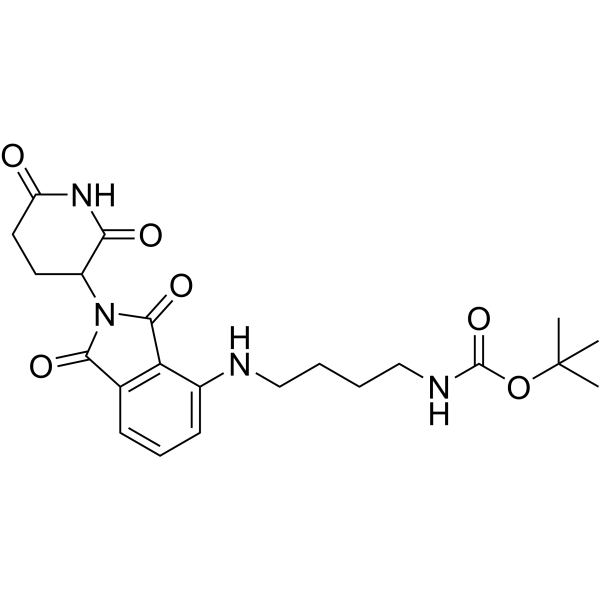
| DC71504 | Thalidomide-NH-C4-NH-Boc Featured |
Thalidomide-NH-C4-NH-Boc is a novel, potent, and selective class of Bromodomain-containing protein 4 (BRD4) and Bromodomain-containing protein 2 (BRD2) degrader for the development of therapeutics to treat cancers.
More description
|
|
| DC67816 | (S,R,S)-AHPC-O-Ph-PEG1-NH2 Featured |
(S,R,S)-AHPC-O-Ph-PEG1-NH2 (VH032-O-Ph-PEG1-NH2) is E3 ligase ligand-linker conjugate and incorporates a VHL ligand for the E3 ubiquitin ligase, and a PROTAC linker. (S,R,S)-AHPC-O-Ph-PEG1-NH2 is used in PROTAC EED degrader-1 (HY-130614). PROTAC EED degrader-1 is a PROTAC targeting EED with a pKD of 9.02.
More description
|
-AHPC-O-Ph-PEG1-NH2.gif)
|
| DC21961 | TL13-112 Featured |
TL13-112 is a novel Anaplastic Lymphoma Kinase (ALK)-PROTAC developed through conjugation of LDK378 and the cereblon ligand pomalidomide.
More description
|

|
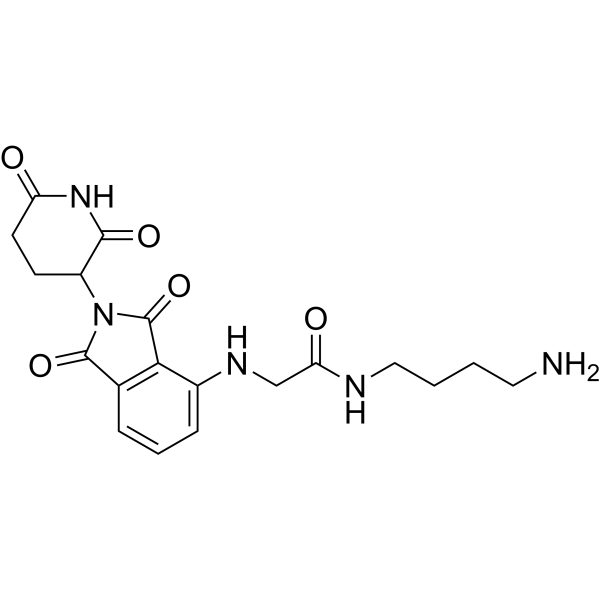
| DC45715 | Thalidomide-NH-amido-C4-NH2 Featured |
Thalidomide-NH-amido-C4-NH2 is a synthesized E3 ligase ligand-linker conjugate that incorporates the Thalidomide based cereblon ligand and a linker used in PROTAC technology.
More description
|
|
| DC26183 | BAY-1797 Featured |
BAY-1797 is a potent and selective P2X4 antagonist.
More description
|

|
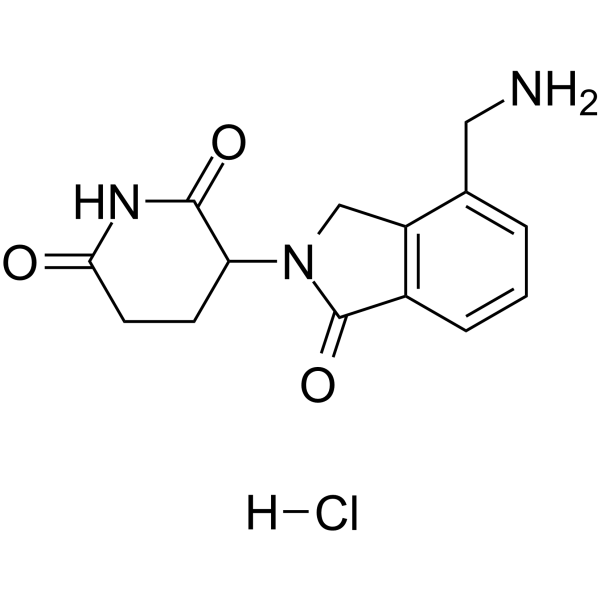
| DC45698 | Lenalidomide-4-aminomethyl hydrochloride Featured |
Lenalidomide-4-aminomethyl hydrochloride is the Lenalidomide-based cereblon (CRBN) ligand used in the recruitment of CRBN protein. Lenalidomide-4-aminomethyl hydrochloride can be connected to the ligand for protein by a linker to form PROTAC
More description
|
|
| DCC3537 | MZP-54 Featured |
Novel potent and selective PROTAC degrader of BRD3/4
More description
|

|
| DC67814 | (4R,5S)-Nutlin carboxylic acid Featured |
(4R,5S)-Nutlin carboxylic acid is the Nutlin 3-based MDM2 ligand. (4R,5S)-Nutlin carboxylic acid can be connected to the ligand for protein by a linker to form PROTACs.
More description
|
-Nutlin carboxylic acid.gif)
|
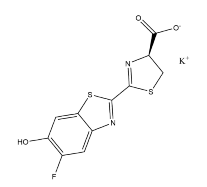
| DC67815 | 5-fluoro-D-Luciferin potassium salt Featured |
5-fluoro-D-Luciferin potassium salt is a derivative of D-Luciferin potassium salt. Its biological activity and main applications are similar to those of D-Luciferin potassium salt.
More description
|
|
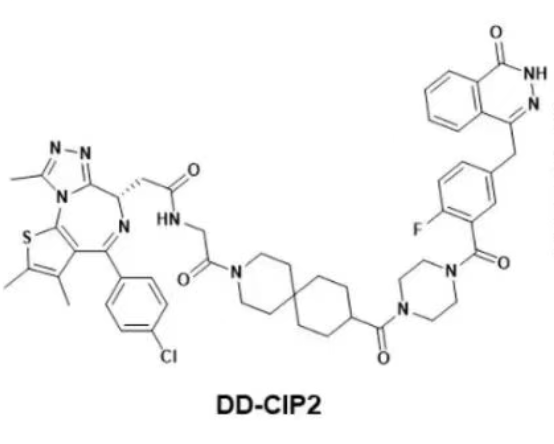
| DC67813 | DD-CIP2 Featured |
DD-CIP2 is a DNA Damage Chemical Inducer of Proximity (DD-CIP), a novel bivalent small molecule developed as an anti-cancer therapeutic that functions by forcing an artificial, non-natural interaction between two specific proteins: PARP1/2 and BRD4.
More description
|
|
| DC42025 | Temporin L Featured |
Temporin L is a potent antimicrobial peptide and is active against Gram-negative bacteria and yeast strains. Temporin L also has antiendotoxin properties.
More description
|

|
| DC34232 | TPCK Featured |
TPCK is a non-specific irreversible inhibitor of serine/cysteine proteases. It acts by inhibiting ScRce1 in the presence of a Ras reporter, but not in the presence of the a-factor peptide.
More description
|

|
| DC78771 | (R)-SW033291 Featured |
(R)-SW033291 is the R-type enantiomer of SW033291. (R)-SW033291 is a potent and high-affinity inhibitor of 15-PGDH. (R)-SW033291 increases prostaglandin PGE2 levels in bone marrow and other tissues. (R)-SW033291 also promotes tissue regeneration.
More description
|
-SW033291.gif)
|
| DC32858 | Anandamide Featured |
Anandamide, also known as N-arachidonoylethanolamine or AEA, is a fatty acid neurotransmitter derived from the non-oxidative metabolism of eicosatetraenoic acid (arachidonic acid) an essential ω-6 polyunsaturated fatty acid. The name is taken from the Sanskrit word ananda, which means "joy, bliss, delight", and amide. It is synthesized from N-arachidonoyl phosphatidylethanolamine by multiple pathways. It is degraded primarily by the fatty acid amide hydrolase (FAAH) enzyme, which converts anandamid.
More description
|

|
| DC60711 | CL15F 9-5 Featured |
CL15F 9-5, a piperidine-based ionizable lipid, exhibits favorable properties for mRNA delivery in lipid nanoparticles (LNPs). Its apparent pKa ranges between 6.24–7.15, ideal for mRNA encapsulation and endosomal escape. LNPs formulated with CL15F 9-5 (50:38.5:10:1.5 molar ratio of ionizable lipid:cholesterol:DSPC:DMG-PEG2k) demonstrated high mRNA encapsulation efficiency (>90%) and maintained physicochemical stability (size, PDI, zeta potential) during storage at 4°C for 5 months . In vitro, CL15F 9-5 LNPs showed superior luciferase expression in HEK-293T cells compared to CL4F-based LNPs. In vivo, liver-targeted LNPs delivered hEPO mRNA effectively, with sustained serum hEPO levels post-storage. Intravenous administration of FLuc mRNA-loaded CL15F 9-5 LNPs yielded strong hepatic bioluminescence, confirming liver tropism. As a vaccine candidate, CL15F 9-5 induced robust antigen-specific cellular immunity in mice, with a 14-fold increase in IFN-γ spots compared to SM-102. Its enhanced stability is attributed to reduced aldehyde impurities, minimizing mRNA-lipid adduct formation.
More description
|

|