To enhance service speed and avoid tariff delays, we've opened a US warehouse. All US orders ship directly from our US facility.
| Cat. No. | Product Name | Field of Application | Chemical Structure |
|---|---|---|---|
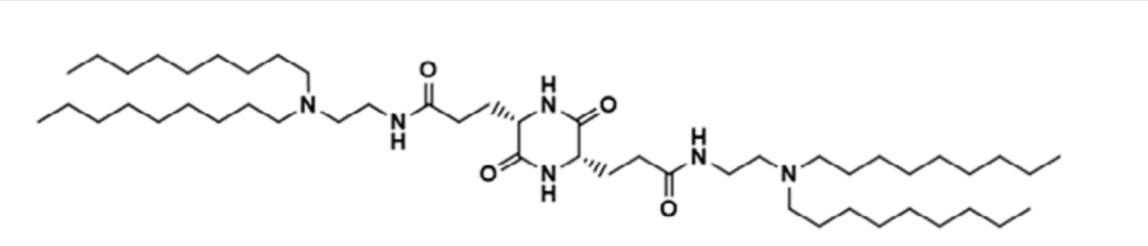
| DC60935 | Lipid D-2 Featured |
D-2 is a novel, custom-synthesized ionizable cationic lipid that serves as the core functional component of the targeted lipid nanoparticle (LNP) delivery system. Its key function is to enable the efficient in vivo delivery of therapeutic mRNAs. Under acidic conditions, it ionizes to a positive charge, allowing it to complex with and encapsulate the negatively charged mRNAs encoding the anti-FAP CAR and Lgmn protease. At physiological pH, it returns to a neutral state, which helps reduce systemic toxicity and is crucial for promoting the release of the mRNA payload inside the target macrophages within the infarcted heart. As part of the optimized LNP formulation, D-2 is fundamental for achieving high transfection efficiency, thereby enabling the in situ generation of efferocytosis-boosted CAR-Ms to treat cardiac fibrosis.
More description
|
|
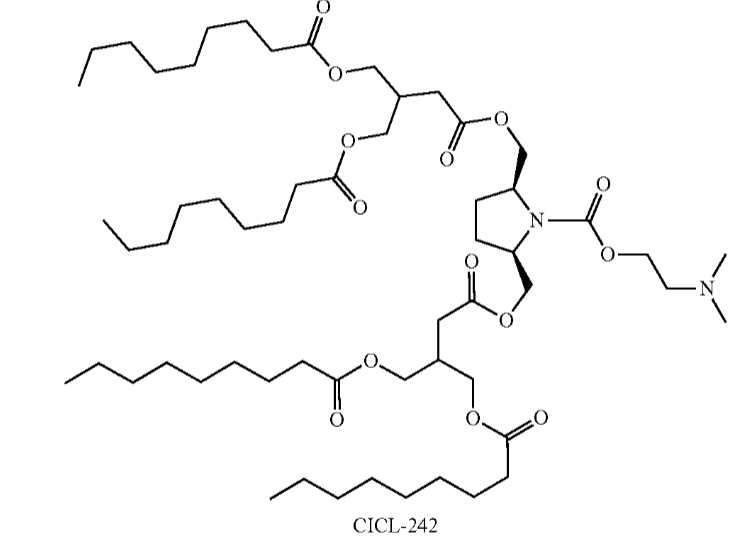
| DC67652 | CICL-242 Featured |
CICL-242 is a constrained ionizable cationic lipid highlighted in patent US 20250127728A1 developed by Capstan as a promising candidate for advanced therapeutic delivery, particularly in stem cell and gene editing applications. Its structure features a rigid amine headgroup similar to CICL-207, which likely facilitates efficient endosomal escape and reduces non-specific uptake, enhancing targeted nucleic acid delivery. Although detailed performance data is not fully disclosed in the patent, CICL-242 is explicitly synthesized and included in gene editing experimental systems (e.g., CRISPR-Cas9 workflows), suggesting its potential for high-efficiency transfection in hard-to-transfect cells like hematopoietic stem cells (CD34⁺). This makes it a strong candidate for ex vivo cell engineering and regenerative medicine, where precision and low off-target effects are critical. While further validation is needed to quantify its efficacy and safety profile, CICL-242 represents a strategic innovation in the lipid library for next-generation genetic therapies.
More description
|
|
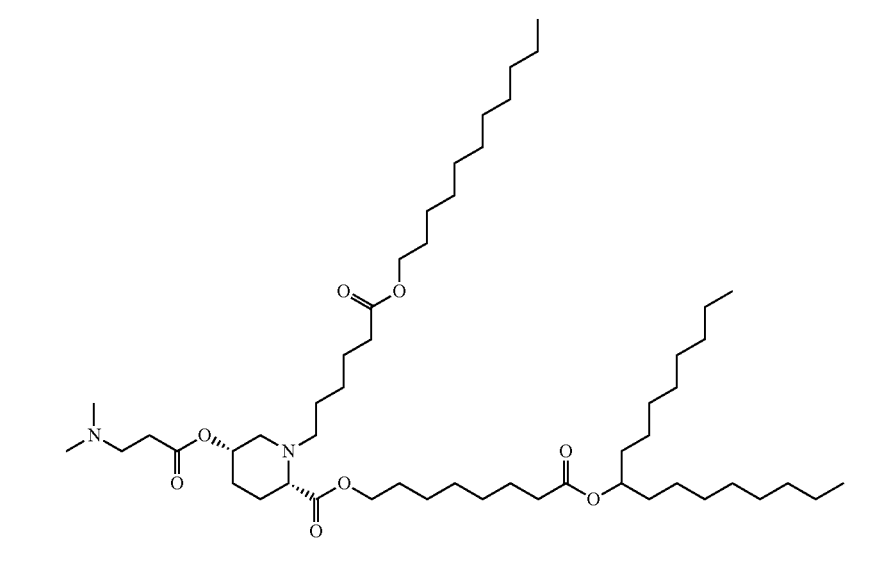
| DC67556 | Sail Lipid 2308 Featured |
Sail Lipid 2308 is a novel ionizable lipid targeting to spleen developed by Sai Biomedicine.As described on US20250205167A1, Lipid 2308 was designed with a piperidine core (6-membered ring) and asymmetric C17/C11 chains, this lipid achieves unprecedented spleen-specificity. It demonstrates dominant spleen accumulation (Spleen RLU: 7.8E+06, 91.8% of total signal) with a record spleen-to-liver ratio of 112.7 (9× higher than 2231). Despite lower protein expression (hEPO: 11,000 ng/mL), near-zero liver uptake (Liver RLU: 66,000) makes Lipid 2308 unparalleled for vaccine/immunotherapy applications targeting splenic immune cells.
More description
|
|
| DC79112 | Simepdekinra Featured |
Simepdekinra (Compound 221) is a IL-17A modulator with IC50s ≤10 nM and 10-100 nM for IL-17A/A HEK-Blue and IL-17A/F HEK-Blue cells. Simepdekinra can be used for inflammatory diseases such as psoriasis, ankylosing spondylitis and psoriatic arthritis research.
More description
|

|
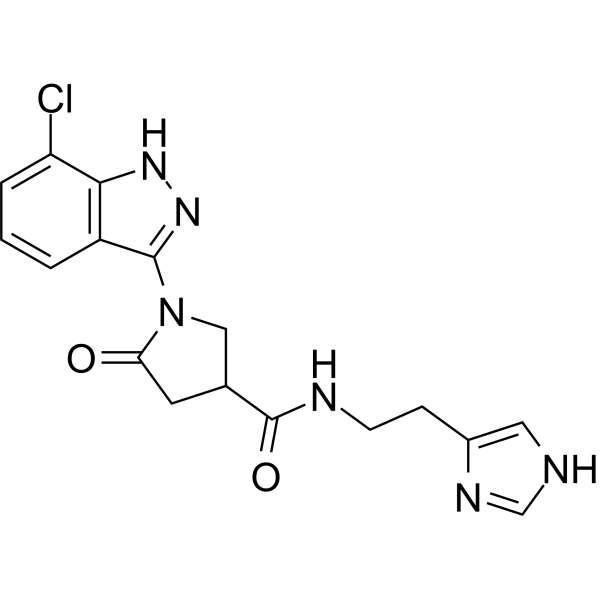
| DC74559 | PA-915 Featured |
PA-915 (PA915) is a small-molecule, non-peptide antagonist of the PACAP type I (PAC1) receptor, inhibits PACAP (1 nM)-induced phosphorylation of CREB in PAC1/CHO cells with IC50 of <10 pM.
More description
|
|
| DC67996 | SB405483 Featured |
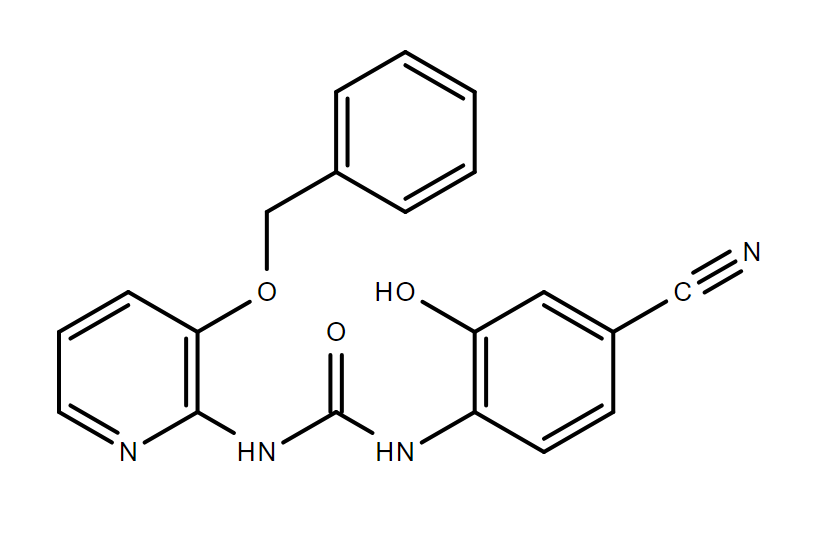
SB-405483 is a specific small-molecule chemical compound used in scientific research as an allosteric ligand for the protein cereblon (CRBN). It is primarily a biochemical tool for studying protein degradation pathways and has potential implications for drug discovery.
More description
|
|
| DC73120 | J012-3168 Featured |
RPL11-MDM2 inhibitor S9 (J012-3168) is a small-molecule RPL11 mimetic and potential inhibitor of RPL11-MDM2 interaction, directly binds MDM2 and induces p53 stabilization and activation.
More description
|

|
| DC23228 | (R)-Baclofen hydrochloride Featured |
A derivative of the neurotransmitter GABA that acts as a GABAB receptor agonist.
More description
|

|
| DC68030 | C6mPhE-383 Featured |
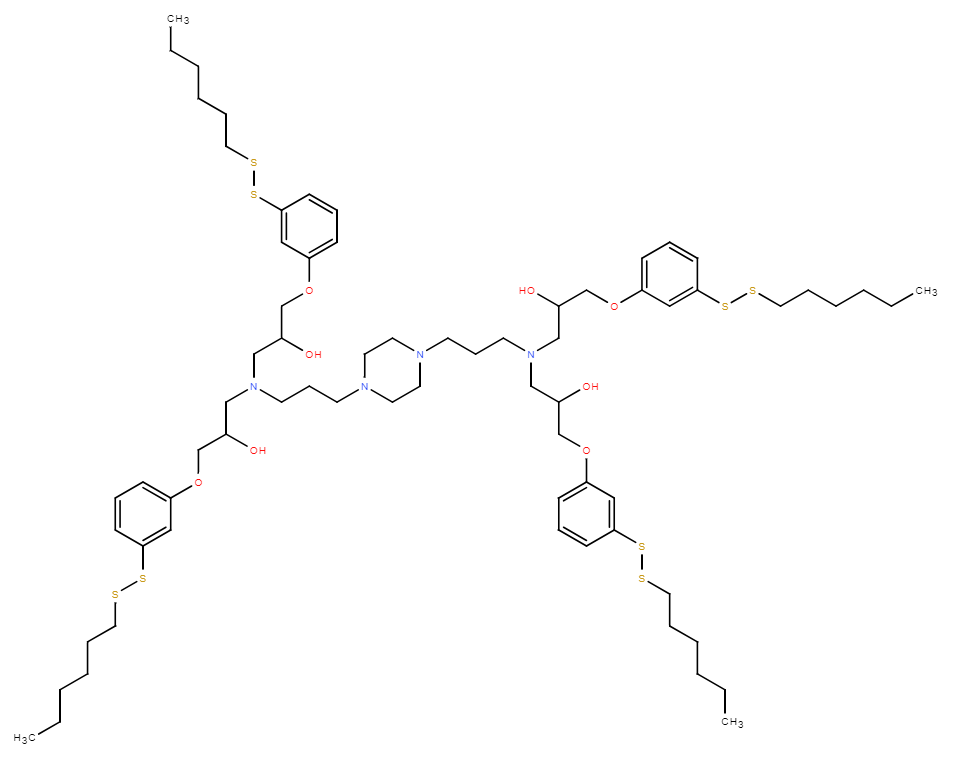
C6mPhE-383 is a top-performing ionizable lipid featuring an aromatic ring and a bioreducible disulfide bond. Formulated into lipid nanoparticles, it preferentially delivers mRNA to lymphoid tissues (lymph nodes/spleen) while minimizing off-target liver accumulation after intramuscular injection. In a SARS-CoV-2 vaccine study, it elicited strong antibody responses, promoted protective effector memory T cells, and exhibited enhanced safety by significantly reducing systemic inflammatory cytokines compared to the standard SM-102 LNP.
More description
|
|
| DC10874 | GlyT2-IN-1(YODA 1) Featured |
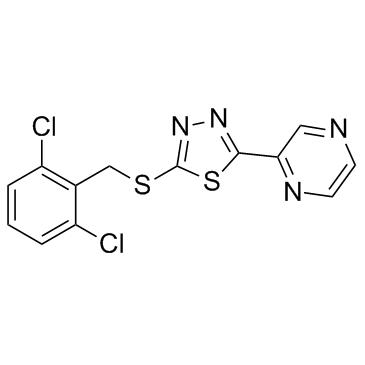
Yoda 1 is a potent and selective Piezo1 agonist. Yoda 1 activates purified Piezo1 channels. Yoda 1 potently inhibits macropinocytosis induced by epidermal growth factor (EGF). Yoda 1 enhances Ca2+ influx followed by activation of the calcium-activated potassium channel KCa3.1 and inhibition of Rac1 activation.
More description
|
|
| DC74555 | GYS32661 Featured |
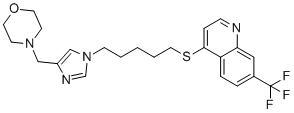
GYS32661 is a potent, small-molecule inhibitor of RAC1 and its isoform RAC1B, specifically designed to target the Sonic Hedgehog (Shh) signaling pathway in cancers like medulloblastoma and colorectal carcinoma. Distinguishing itself from other RAC1 inhibitors, GYS32661 exhibits exceptional blood-brain barrier (BBB) permeability with an approximately 50% brain-to-plasma ratio, making it a premier candidate for treating CNS-related malignancies. It functions by disrupting the activation of RAC1 (IC50 ≈ 1.18 μM), subsequently reducing the expression of downstream transcription factors GLI1 and GLI2, which effectively halts tumor proliferation and metastasis. In preclinical in vivo models, the compound has demonstrated significant anti-tumor efficacy and a favorable safety profile without systemic toxicity. Due to its hydrophobic nature, it is typically formulated in a vehicle of DMSO, PEG300, and saline for administration. As a non-toxic clinical candidate, GYS32661 represents a promising therapeutic strategy for overcoming chemoresistance and improving survival rates in Shh-driven pediatric and adult tumors.
More description
|
|
| DC9304 | LY2334737 Featured |
LY2334737 is an orally available prodrug of gemcitabine which is a nucleoside analog used as chemotherapy.
More description
|

|
| DC68029 | IAM1363 Featured |
IAM1363 is a covalent HER2 inhibitor developed by Iambic that engages the kinase in its inactive conformation, being pursued as a therapeutic approach for cancer.
More description
|

|
| DC68028 | FORX-428 Featured |
FORX-428 is a PARG inhibitor—targeting the enzyme poly-ADP-ribose glycohydrolase—originating from FoRx's research and development efforts.
More description
|

|
| DC68027 | OP-3136 Featured |
OP-3136 is a KAT6 (histone lysine acetyltransferase 6)-targeted inhibitor with specificity for the treatment of HR-positive, HER2-negative breast cancer.
More description
|

|
| DC68026 | GDC-4198 Featured |
GDC-4198 is a subnanomolar selective inhibitor of CDK2 and CDK4, demonstrating no activity against CDK6 or CDK9, and is being developed for cancer therapy.
More description
|

|
| DC68025 | BMS-986482 Featured |
BMS-986482 is a cereblon (CRBN)-mediated degrader targeting the broad degradation of IKZF1 through IKZF4, under development as a therapeutic option for cancer.
More description
|

|
| DC68024 | BHV-2100 Featured |
BHV-2100 is a first-in-class, selective antagonist of TRPM3 (transient receptor potential melastatin 3), currently under clinical development for the treatment of pain.
More description
|

|
| DC79335 | DF-003 |
DF-003 is a selective, orally active, ATP-competitive, and brain-penetrant ALPK1 inhibitor. DF-003 potently inhibits human ALPK1 and ALPK1[T237M] with IC50s value of 1.5 nM and 16 nM. DF-003 exhibits more than 860-fold selectivity over the closest kinase. DF-003 inhibits TNF, CXCL10, or CXCL8 upregulation in HEK-293 cells. DF-003 can be used for the study of retinal dystrophy, optic nerve edema, splenomegaly, anhidrosis, and headache (ROSAH) syndrome.
More description
|

|
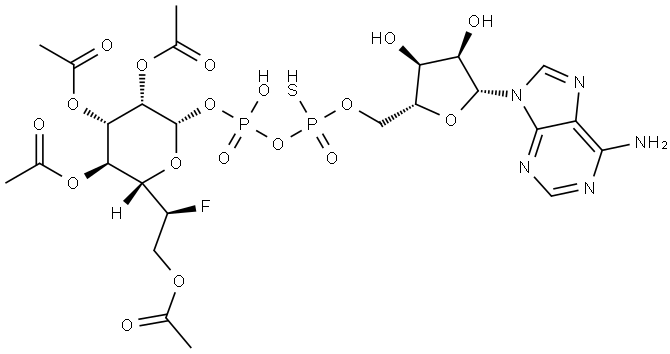
| DC72979 | DF-006 |
DF-006 is a small molecule, orally active Alpha-kinase 1 (ALPK1) agonist, activates ALPK1 and stimulates host innate immunity locally in liver, DF-006 enacts potent anti-HBV responses in mouse models of HBV and in primary human hepatocytes.
More description
|
|
| DC9280 | BMS-1 (PD1/PDL1 inhibitor 1) Featured |
PD-1/PD-L1 inhibitor 1 is a PD-1/PD-L1 interaction inhibitor,IC50 values: 0.006-0.10 μM,a useful immunomodulator compound.
More description
|

|
| DC78751 | RSL3-NH2 Featured |
RSL3-NH2 is a GPX4 inhibitor and Ferroptosis inducer. RSL3-NH2 can be used as a cytotoxic payload for synthesis of antibody-drug conjugates (ADCs).
More description
|

|
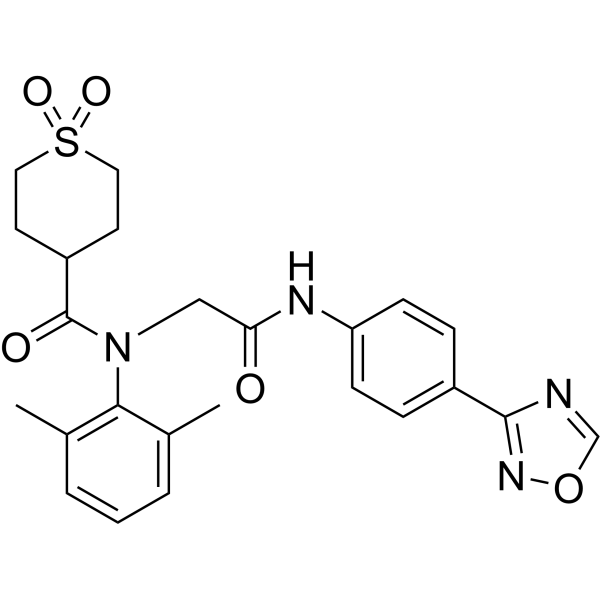
| DC10621 | Amenamevir Featured |
Amenamevir, also known as ASP2151, is a herpes virus helicase-primase inhibitor.
More description
|
|
| DC22989 | BMS-204493 Featured |
A pan-RAR inverse agonist that blocks RARα activity with IC50 of 114 nM.
More description
|

|
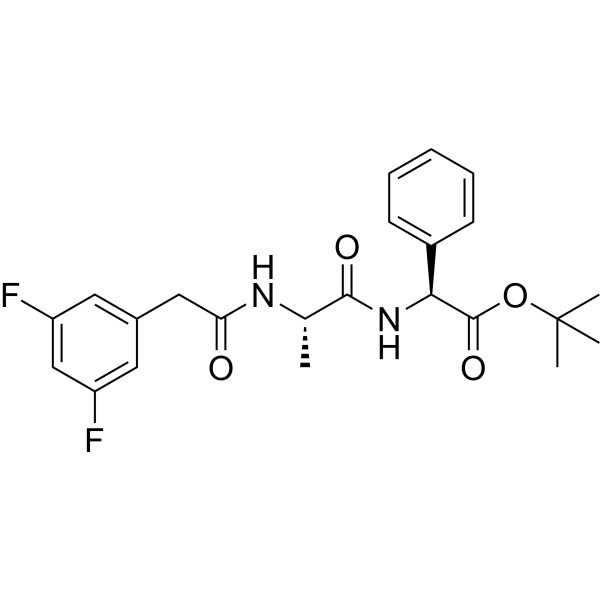
| DC7396 | DAPT Featured |
DAPT(GSI-IX) is an inhibitor of γ-secretase; DAPT causes a reduction in Aβ40 and Aβ42 levels in human primary neuronal cultures (IC50 values are 115 and 200 nM for total Aβ and Aβ42 respectively) and in brain extract, cerebrospinal fluid and plasma.
More description
|
|
| DC78346 | AH001 Featured |
AH001 is a orally active RhoA inhibitor, which binds a cryptic pocket proximate to GDP within RhoA with a KD of 73.16 nM. AH001 interacts with GDP, stabilizing RhoA’s interaction with its endogenous inhibitor, RhoGDIα. AH001 reduces the downstream MRTFA nuclear translocation and downregulates fibrosis/hypertrophy proteins. AH001 mitigates myocardial remodeling in multiple HF animal models, and in the 3D myocardial tissue model. AH001 exerts its cardioprotective effects through the RhoA-RhoGDIα axis, effectively inhibiting downstream RhoA activation signaling.
More description
|

|
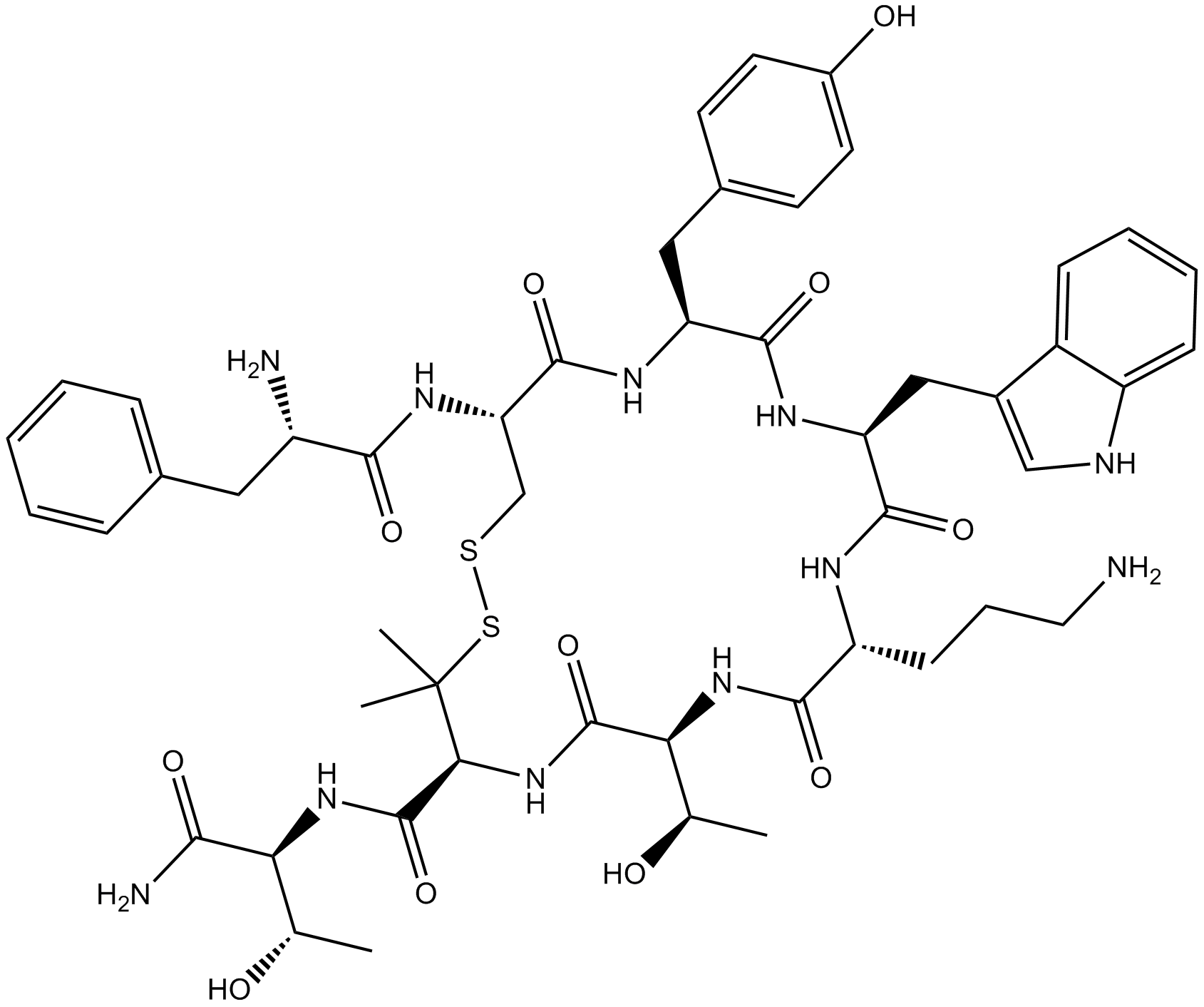
| DC26224 | CTOP Featured |
CTOP is a potent and highly selective μ-opioid receptor antagonist. CTOP antagonizes the acute morphine-induced analgesic effect and hypermotility. CTOP enhances extracellular dopamine levels in the nucleus accumbens. CTOP dose-dependently enhances locomotor activity.
More description
|
|
| DC79856 | EVT0185 Featured |
EVT0185 is an orally active ATP citrate lyase (ACLY) inhibitor. EVT0185 is converted to a CoA thioester in the liver by SLC27A2 and interacts with the CoA-binding site of ACLY. EVT0185-CoA inhibits ACLY activity with an IC50 of 2.5 μM. EVT0185 can phenocopy the immune and antitumour effects of genetic ACLY deletion. EVT0185 can increase tumour-infiltrating B cells and chemokine CXCL13 levels. EVT0185 can be used for the research of cancer, such as hepatocellular carcinoma (HCC).
More description
|

|
| DC31079 | Abarelix Featured |
Abarelix is a synthetic decapeptide and antagonist of naturally occurring gonadotropin-releasing hormone (GnRH). Abarelix directly and competitively binds to and blocks the gonadotropin releasing hormone receptor in the anterior pituitary gland, thereby inhibiting the secretion and release of luteinizing hormone (LH) and follicle stimulating hormone (FSH). In males, the inhibition of LH secretion prevents the release of testosterone. As a result, this may relieve symptoms associated with prostate hypertrophy or prostate cancer, since testosterone is required to sustain prostate growth.
More description
|

|
| DC65801 | ARV-102 Featured |
ARV-102 is a highly potent, orally bioavailable PROTAC that targets LRRK2 with a
of 0.14 nM, designed to cross the blood-brain barrier to address neurodegenerative diseases. By hijacking the body’s ubiquitin-proteasome system, it achieves deep and sustained degradation of LRRK2 protein in both peripheral tissues and the central nervous system, offering a potentially superior therapeutic approach over traditional kinase inhibitors.
More description
|

|