To enhance service speed and avoid tariff delays, we've opened a US warehouse. All US orders ship directly from our US facility.
| Cat. No. | Product Name | Field of Application | Chemical Structure |
|---|---|---|---|
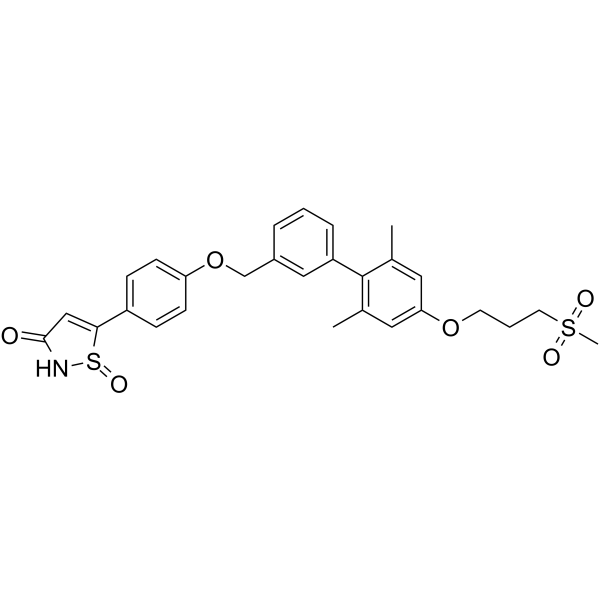
| DC60923 | GPR40 Activator 2 Featured |
GPR40 Activator 2 is a potent GPR40 activator from patents WO 2012147516 A1, WO 2012046869A1 and WO 2011078371 A1.
More description
|
|
| DC23133 | LX-1031 Featured |
LX-1031 is a potent, orally active tryptophan 5-hydroxylase (TPH) inhibitor with potency of 10-100 nM, reduces 5-HT synthesis peripherally.
More description
|

|
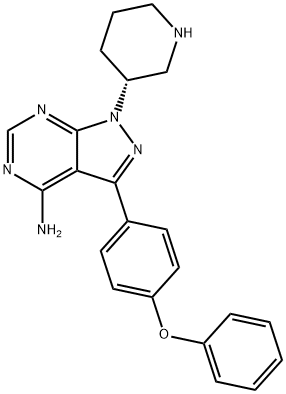
| DC42421 | IBT6A Featured |
IBT6A is an impurity of Ibrutinib. IBT6A can be used in synthesis of IBT6A Ibrutinib dimer and IBT6A adduct. Ibrutinib is a selective, irreversible Btk with an IC50 of 0.5 nM.
More description
|
|
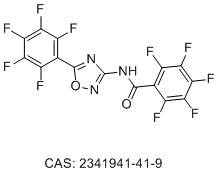
| DC74105 | NV914 Featured |
NV914 is a small molecule inhibitor of tRNA-specific 2′-O-methyltransferase (FTSJ1), exerts readthrough activity in vitro and in vivo.
More description
|
|
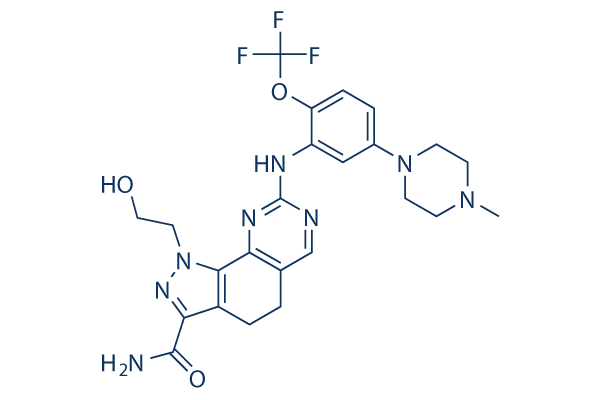
| DC8445 | Onvansertib (NMS-P937) Featured |
NMS-P937 (NMS1286937) is an orally available, selective Polo-like Kinase 1 (PLK1) inhibitor with IC50 of 2 nM, 5000-fold selectivity over PLK2/PLK3. Phase 1.
More description
|
|
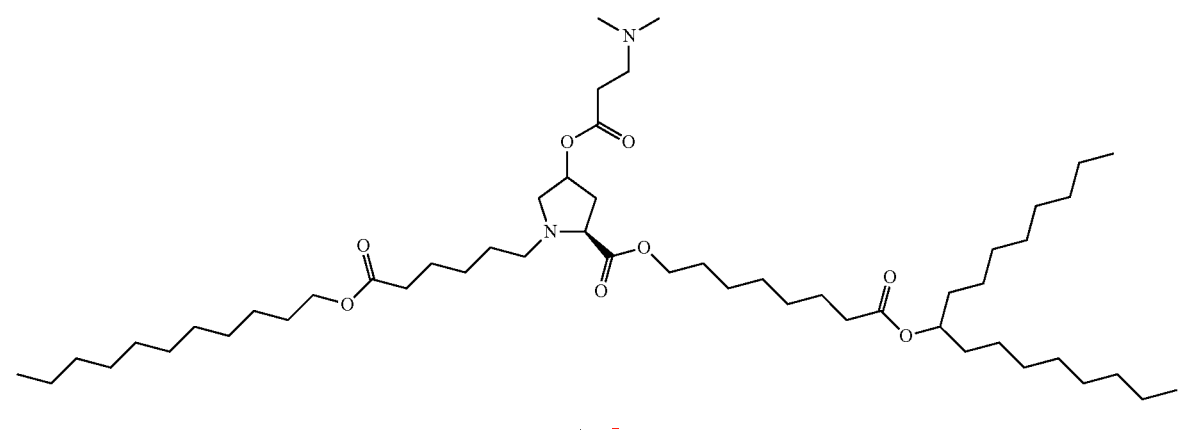
| DC67555 | Sail Lipid 2231 Featured |
Sail Lipid 2231 is a novel ionizable lipid targeting to spleen developed by Sai Biomedicine.As described on US20250205167A1 Lipid 2231 features a pyrrolidine core (5-membered ring) with biodegradable ester linkages and asymmetric C17/C11 hydrophobic chains. In vivo data shows moderate spleen targeting (Spleen RLU: 3.8E+06) with a spleen-to-liver ratio of 12.767.
More description
|
|
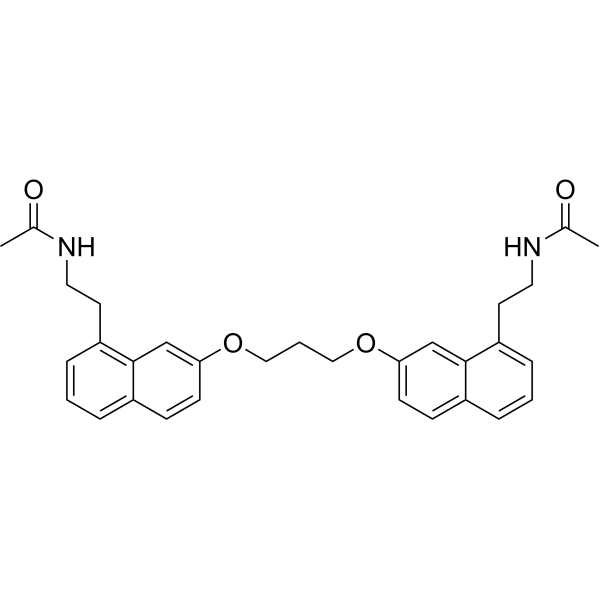
| DC28432 | S26131 Featured |
S26131 (compound 5) is a potent and selective MT1 melatoninergic ligand, and the Ki values are 0.5 and 112 nM for MT1 and MT2, respectively. S26131 behaves as an MT1 and MT2 antagonist.
More description
|
|
| DC60900 | ALC-0159 (di-C18) Featured |
ALC-0159 (di-C18) is an analog of ALC-0159, in which the original C14 chain is replaced with C18 chain. C18-ALC-0159 demonstrates high stability in vivo, effectively prevents binding with proteins such as ApoE, and achieves a prolonged blood circulation time. It also reduces liver targeting and accumulation.
More description
|

|
| DC67553 | Lipid PL40 Featured |
PL-40 is a cardiolipin-mimetic ionizable lipid engineered for high-efficiency, antibody-free mRNA delivery to T cells. PL 40 LNPs exhibit a mean particle size of 120 nm, zeta potential of -5.19 mV, and >80% mRNA encapsulation efficiency, with excellent plasma stability (≤5% size change after 6h in serum). Cryo-TEM reveals polyhedral nanoparticles with phase-separated domains, while SAXS confirms tight mRNA packing (d-spacing: ~3 nm vs. 6.64 nm in conventional LNPs). AFM demonstrates exceptional rigidity (high bending modulus), enabling T cell-selective uptake via actin-mediated endocytosis (>2× higher than ALC0315 LNPs).In primary human T cells, PL40 LNPs achieve >90% transfection at 0.5 μg mRNA dose and sustain >100× higher luciferase expression than benchmark lipids. When delivering circular RNA, they extend protein expression >5 days with superior spleen tropism (spleen:liver ratio = 2.63). Crucially, they reprogram T cells into functional CAR-Ts in vivo without antibody conjugation, evading exhaustion markers (no Tim-3/PD-1 upregulation). Therapeutically, PL40-based uPAR-targeted CAR mRNA reduces liver fibrosis (collagen↓50%, ALT↓50%) and rheumatoid arthritis severity (clinical scores↓60%) by clearing senescent cells. Humanized anti-uPAR CARs delivered via PL40 show near-complete cytotoxicity (>95%) against uPAR+ cells, underscoring clinical translatability.
More description
|

|
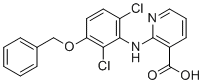
| DC70312 | CLC-2-IN AK42 Featured |
CLC-2-IN-AK42 (CLC-2 inhibitor AK42, AK42) is a potent, specific small-molecule inhibitor of voltage-gated chloride channel CLC-2 with IC50 of 17 nM (human CLC-2).AK42 displays unprecedented selectivity (>1,000-fold) over CLC-1, the closest CLC-2 homolog, and no off-target engagement a diverse panel of 61 CNS receptors, channels, and transporters expressed in brain tissue.AK-42 binds to an extracellular vestibule above the channel pore. AK-42 is almost three orders-of-magnitude more potent than MCFA, demonstrates high potency (IC50=14 nM for rat CLC-2) in manual patch-clamp experiments on CHO cells transiently transfected with rat CLC-2.AK-42 inhibits hyperpolarization-activated current in hippocampal cells, attenuates steady-state currents and eliminated relaxation currents in recorded neurons.AK-42 is a powerful tool for investigating CLC-2 neurophysiology.
More description
|
|
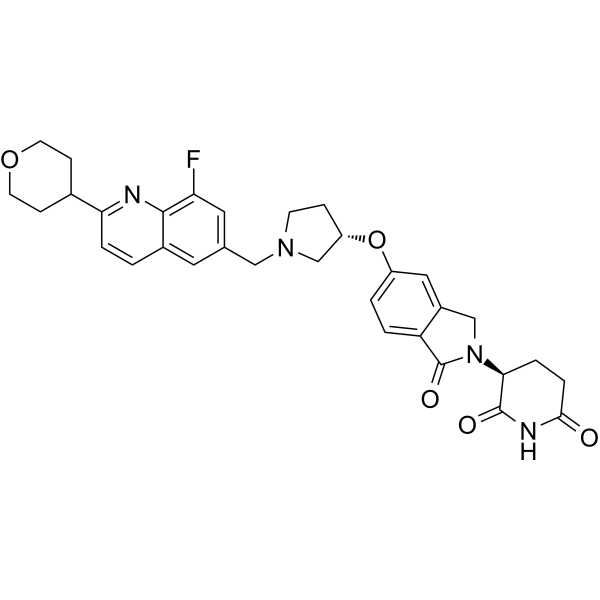
| DC67584 | BMS-986463 Featured |
BMS-986463 is a novel, first-in-class targeted protein degrader designed to specifically eliminate WEE1 kinase, a master regulator of cell cycle progression.
More description
|
|
| DC70191 | Aminoxyrone Featured |
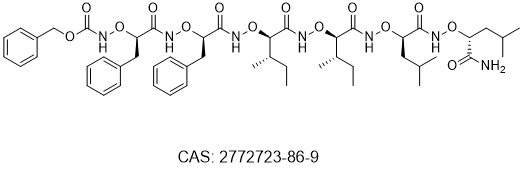
Aminoxyrone is a novel peptidometic C-terminal HSP90 inhibitor by targeting HSP90 dimerization via the C-terminal domain (CTD) with Kd of 27.4 uM; destabilizes BCR-ABL1 without inducing HSR in vitro and in vivo, additionally reduces pAKT-S473, pS6 expression and expression of client proteins associated with HSP90 chaperone activity, involving t-AKT, t-STAT5a, t-CRKL, cMYC, and BCL2; triggers the degradation of HSP90 client proteins without elevating the expression of HSPs (HSP70, HSP40 & HSP27); significantly inhibits cell growth and induces apoptosis of human leukemic stem cells (LSCs) with average EC50 of 20.94 uM, Aminoxyrone is effective in imatinib resistant CML and lacks heat shock response.
More description
|
|
| DC7526 | Varespladib Featured |
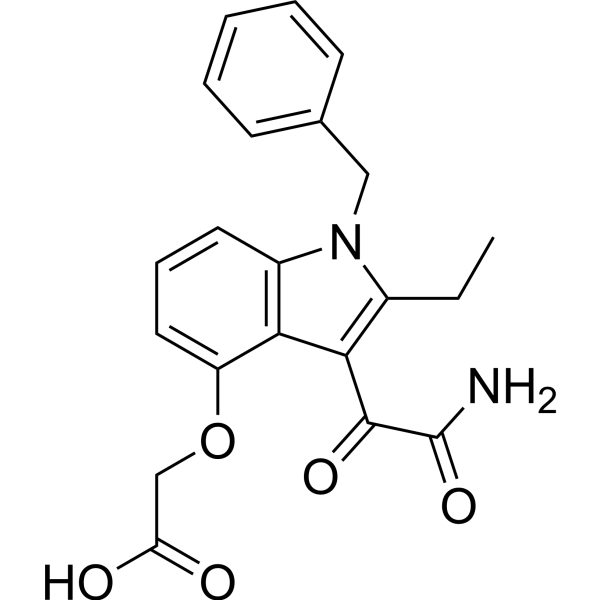
LY315920 (Varespladib) is a potent and selective human non-pancreatic secretory phospholipase A2 (hnsPLA) inhibitor with IC50 of 7 nM,. Phase 3.
More description
|
|
| DC60840 | Lipid F10T5 Featured |
F10T5 is a tetrahedral tetrahydrofuran (THF)-derived lipid nanoparticle (LNP) engineered with four acid-labile acetal tails, designed for efficient mRNA delivery to the central nervous system. This lipid features a mono-THF core conjugated with branched hydrophobic chains that balance lipophilicity (LogD ≈11) and endosomal escape capability. Preclinical studies demonstrated F10T5 LNPs bypass the blood-brain barrier via meningeal lymphatic vessels (MLVs) after subcutaneous neck injection, showing 40-fold higher brain luciferase expression than FDA-approved SM102 LNPs. Cryo-EM revealed spherical nanoparticles (~170 nm diameter) with 91.9% mRNA encapsulation. In Neuro-2a cells, F10T5 exhibited superior cytoplasmic mRNA release through enhanced endosomal membrane disruption, evidenced by diffuse calcein fluorescence. Flow cytometry confirmed neuron-predicted delivery (8.8% GFP+ neurons vs 1.28% with SM102) in mice, with functional validation in Ai14 transgenic models where Cre mRNA-loaded F10T5 induced tdTomato expression in neurons and glial cells. Safety assessments showed normal hepatic/renal biomarkers and no histopathological abnormalities. The THF core and acetal tail design synergistically optimize lymphatic trafficking, brain penetration, and biodegradability, positioning F10T5 as a transformative platform for mRNA-based therapies targeting neurodegenerative diseases.
More description
|

|
| DC9294 | Tenofovir Alafenamide Hemifumarate Featured |
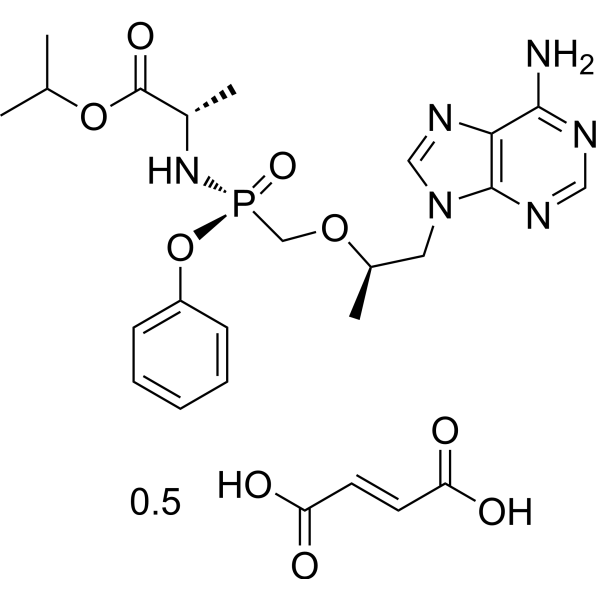
GS-7340(Tenofovir alafenamide) is a prodrug of tenofovir (TFV) that more efficiently delivers TFV into lymphoid cells and tissues than TFV disoproxil fumarate.
More description
|
|
| DC73747 | CID 3117694 Featured |
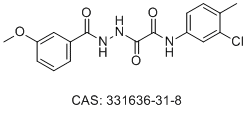
CID 3117694 is a selective, non-competitive inhibitor of ADAM10 with IC50 of 1.1 uM, does not inhibit ADAM17.
More description
|
|
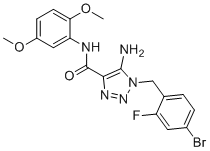
| DC73692 | GNE551 Featured |
GNE551 is a potent, selective, non-covalent agonist of TRPA1 ion channel with EC50 of 254 nM in Ca2+ influx assays.
More description
|
|
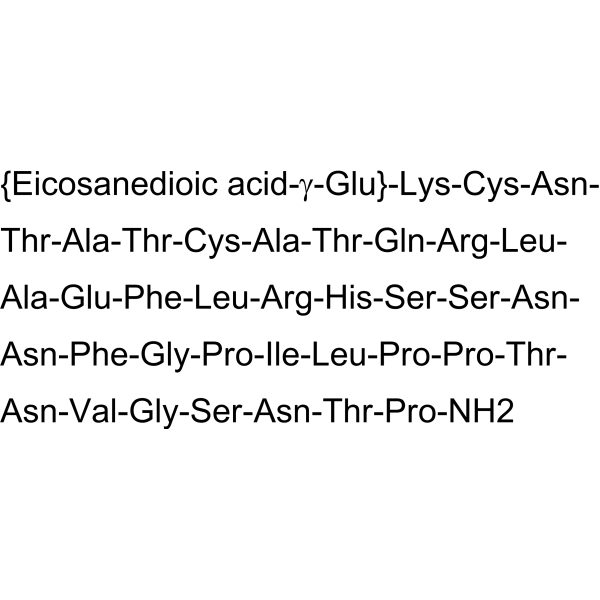
| DC65705 | Cagrilintide Featured |
Cagrilintide is an investigational novel long-acting acylated amylin analogue, acts as nonselective amylin receptors (AMYR) and calcitonin G protein-coupled receptor (CTR) agonist. Cagrilintide induces significant weight loss and reduces food intake. Cagrilintide has the potential for the research of obesity.
More description
|
|
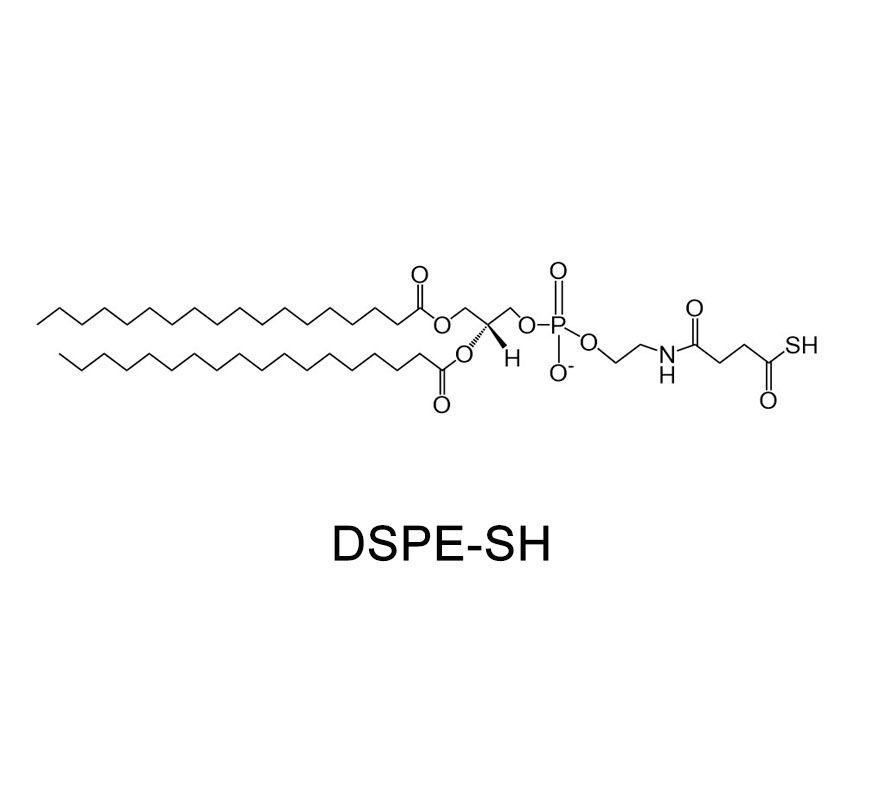
| DC66102 | DSPE-SH(DSPE Thiol) Featured |
Modified phospholipid products: it is to modify the amino group (primary amino group) -NH3 at the end of DSPE into NHS, COOH, N3, MAL, Thiol (SH), OPSS, FITC, FA, Biotin and other different active groups.
Phospholipids DSPE belong to the lipid family of biopolymers. Phospholipids consist of two fatty acids, a glycerol unit, a phosphate group, and a polar molecule.
The phosphate groups and polar head regions of the molecule are hydrophilic (attracted to water), while the fatty acid tail is hydrophobic (repelled by water).
When placed in water, the phospholipids Orient themselves into a double layer, where the non-polar tail region faces the inner region of the double layer. The polar head region faces outward and interacts with the water.
More description
|
|
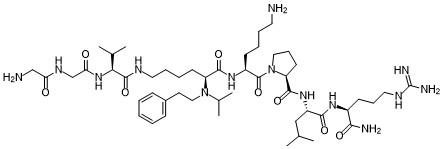
| DCC5339 | UNC6641 Featured |
Novel peptidomimetic antagonist of the PHF1 Tudor domain, binding both PHF1 Tudor domain and the related protein PHF19
More description
|
|
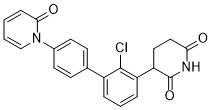
| DC60676 | MRT6160 Featured |
MRT-6160 represents a groundbreaking molecular glue degrader designed to selectively target VAV1, achieving its proteasomal degradation with a DC50 value of 7 nM. This innovative compound showcases its unique mechanism and therapeutic potential.
More description
|
|
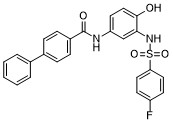
| DC60033 | SN-011 Featured |
STING inhbiitor, which inhibited the activation of the STING signal pathway and to prevent or treat a STING-mediated disease.
More description
|
|
| DC65856 | Lipid C3 Featured |
Lipid C3 is an ionizable cationic lipid (pKa = 5.05-5.671).1,2 It has been used in the formation of lipid nanoparticles (LNPs) for the delivery of mRNA in vitro and in vivo.
More description
|

|
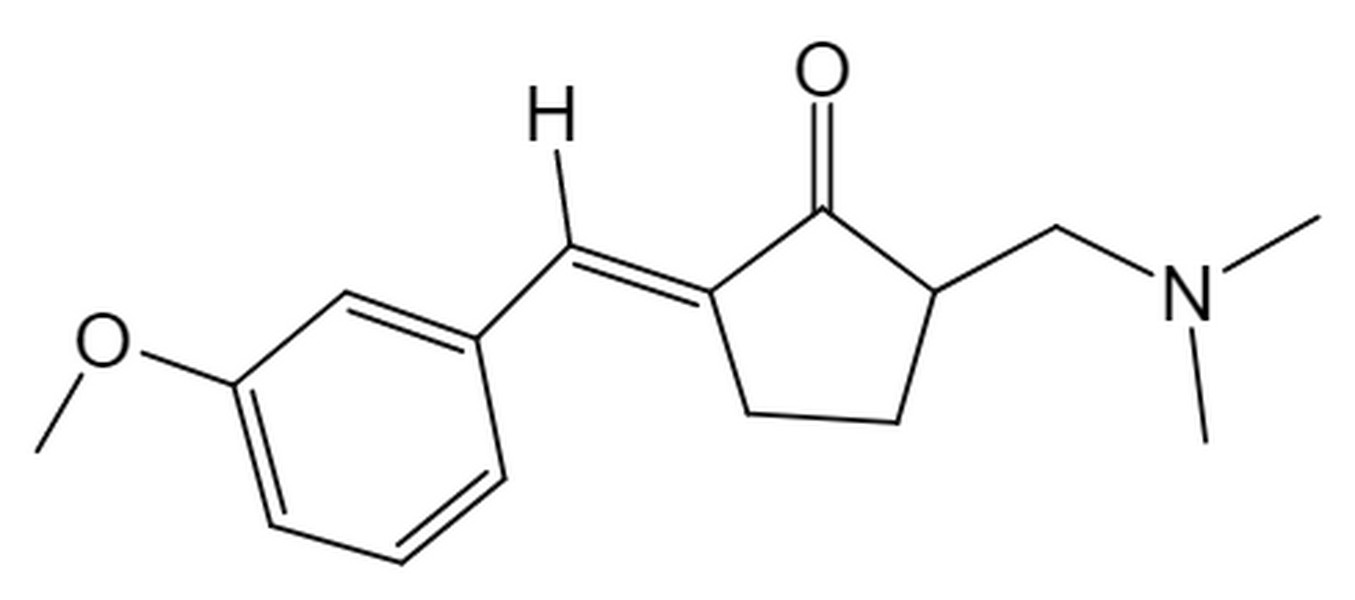
| DC60921 | CCI-38 Featured |
CCI-38 is an effective YTHDF2 inhibitor with Kd of 10.1 μM. CCI-38 can suppress YTHDF2-mediated post-transcriptional regulation of target gene expression. CCI-38 also exhibits potent therapeutic efficacy and synergies with T cell-based immunotherapy in treating B cell malignancies.
More description
|
|
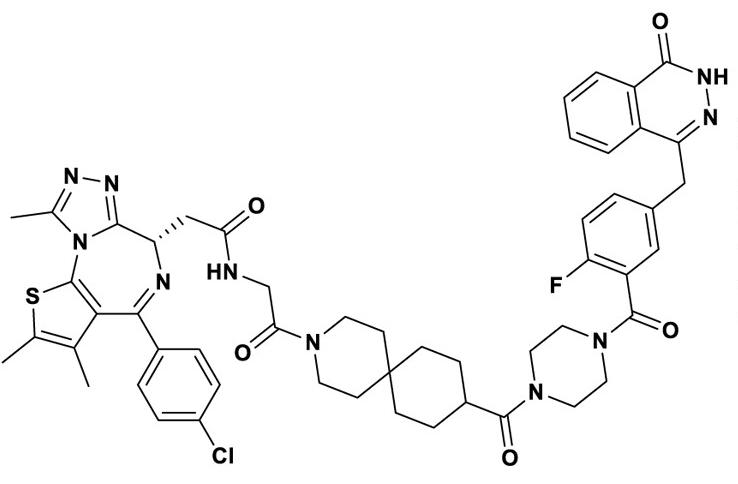
| DC60920 | DD-CIP2 Featured |
DD-CIP2 is a DNA damage chemical inducer of proximity. DD-CIP2 demonstrates dramatically increased potency in SU-DHL-5 and MOLT-4 cells with EC50 of 0.78 nM and 4.6 nM, respectively. DD-CIP2 induces robust DNA damage and apoptosis in vitro and exhibits antitumor efficacy in vivo.
More description
|
|
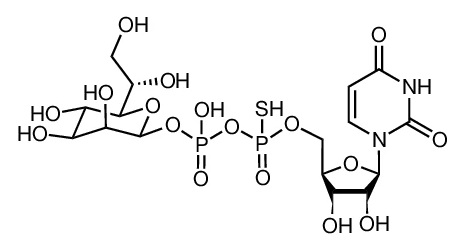
| DC60919 | UDSP-Hep Featured |
UDSP-Hep is a bacterial ADP-heptose analogue. UDSP-Hep is a potent ALPK1 agonist with EC50 of 0.0423 μM. UDSP-Hep distinguishs Alpk1 polymorphism and exhibits a stronger Alpk1-mediated antitumour effect and synergized with checkpoint inhibitors.
More description
|
|
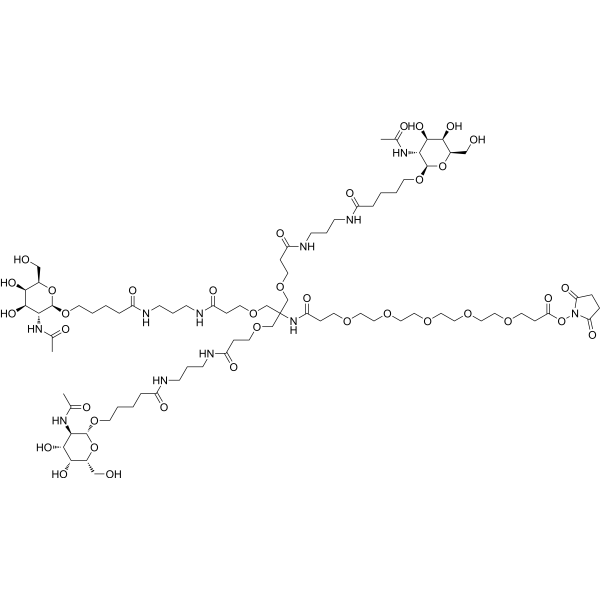
| DC72546 | Tri-GalNAc-NHS ester Featured |
Tri-GalNAc-NHS ester is a LYsosome TArgeting Chimera (LYTAC) and a ligand of asialoglycoprotein receptor (ASGPR). ASGPR is a lysosomal targeting receptor specifically expressed on liver cells, for the degradation of extracellular proteins including membrane proteins. Tri-GalNAc-NHS ester can be used as a protein degrader and it can be used for the research of LYTAC.
More description
|
|
| DC60864 | D927 Featured |
D927 is a molecular glue and promotes glucose uptake in the absence of insulin. D927 also increases the affinity of RAS binding to PI3Kα by ~500-fold. In vivo, D927 mimicks the effects of insulin and rapidly lowers blood glucose concentrations.
More description
|

|
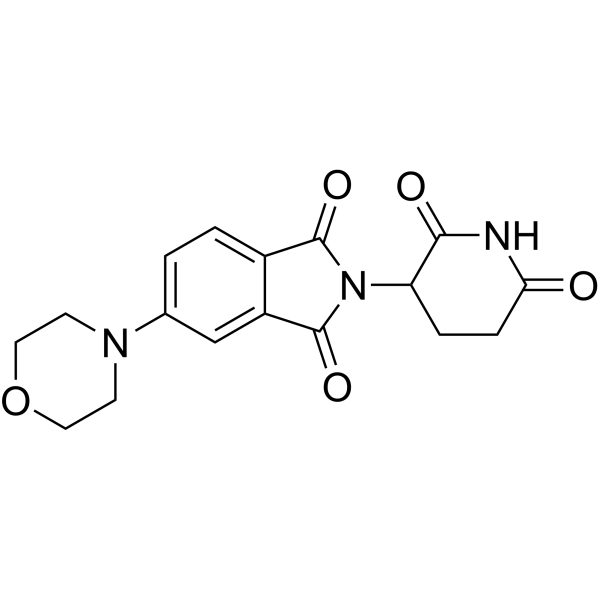
| DC60559 | PT-179 Featured |
PT-179 is a novel orthogonal immunomodulatory drug (IMiD) derivative that selectively binds to CRBN without inducing degradation of off-target proteins. It demonstrates potent activity in degrading proteins fused to SD40, regardless of whether the fusion occurs at the N or C terminus.
More description
|
|
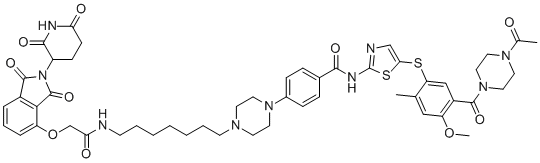
| DC74479 | BSJ-05-037 Featured |
BSJ-05-037 is a potent and selective heterobifunctional degrader of ITK with DC50 of 17.6-41.8 nM in TCL lines DERL-2 and Hut78.
BSJ-05-037 induces potent degradation of ITK dependent on CRBN, neddylation, and the proteasome.
BSJ-05-037 induces GATA-3 loss and decreases chemotherapy resistance in vitro.
BSJ-05-037 disrupts TCR signaling, downregulates the Th2-associated transcription factor GATA-3, and can overcome chemotherapy resistance in TCL models in vivo.
More description
|
|