To enhance service speed and avoid tariff delays, we've opened a US warehouse. All US orders ship directly from our US facility.
| Cat. No. | Product Name | Field of Application | Chemical Structure |
|---|---|---|---|
| DC74349 | NuP-3 Featured |
NuP-3 is a potent and selective MAPK13 and MAPK14 inhibitor (IC50 of 7 nM and 14 nM, respectively) that effectively targets respiratory inflammation and mucus overproduction. In human tracheal epithelial cell (hTEC) cultures, it markedly inhibits IL-13-induced MUC5AC and CLCA1 expression without causing cell toxicity, showing superior efficacy compared to the MAPK14 inhibitor NuP-43. Beyond its success in minipig models of airway disease and viral infection, NuP-3 also down-regulates biomarkers associated with basal-epithelial stem cell activation, demonstrating its role as a precise upstream therapeutic agent for chronic lung conditions.
More description
|

|
| DC68021 | BIP-20 Featured |
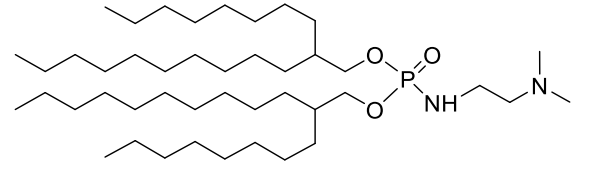
BiP-20 is a branched ionizable phospholipid identified as a lead compound for efficient hepatic mRNA delivery.BiP-20 is a novel, efficient, and safe liver-targeted LNP delivery vehicle. With an ideal pKa of 6.56, it achieves highly efficient liver targeting and endosomal escape primarily through the ApoE/LDL-R pathway. It demonstrates exceptional performance in gene editing at very low doses: for CRISPR-Cas9-mediated editing of TTR, a 10 μg dose achieved ~64% efficiency, which is 8-fold higher than the clinical benchmark lipid LP-01. In Prime Editing targeting the PCSK9 gene, its efficiency (4.30%) also significantly surpassed that of MC3, SM102, and LPO1. Furthermore, it mediates a 5.9-fold increase in hepatic protein expression compared to MC3. Safety assessments indicate it does not induce liver function abnormalities, showing strong therapeutic potential.
More description
|
|
| DC44821 | BPH-1358 free base Featured |
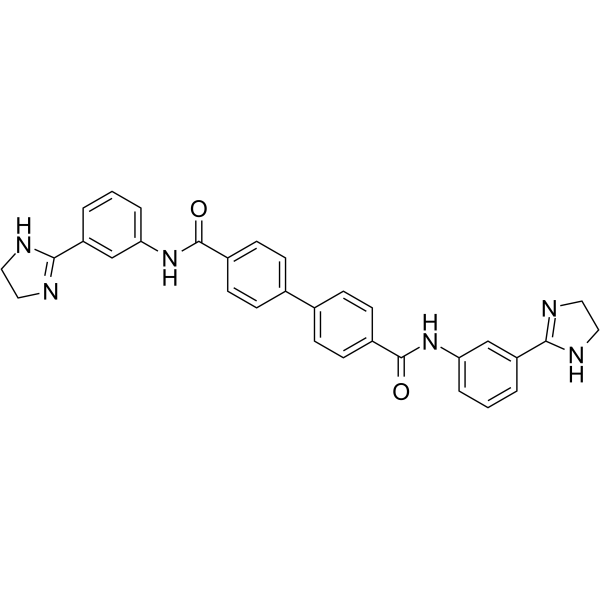
BPH-1358 free base (NSC50460 free base) is a potent human farnesyl diphosphate synthase (FPPS) and undecaprenyl diphosphate synthase (UPPS) inhibitor with IC50s of 1.8 μM and 110 nM, respectively, and is active against S. aureus in vitro (MIC ~250 ng/mL).
More description
|
|
| DC46363 | BPH-1358 mesylate Featured |
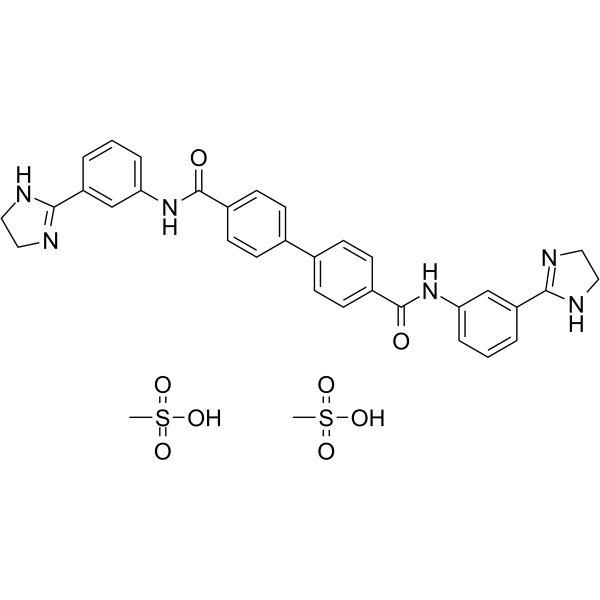
BPH-1358 mesylate (NSC50460 mesylate) is a potent human farnesyl diphosphate synthase (FPPS) and undecaprenyl diphosphate synthase (UPPS) inhibitor with IC50s of 1.8 μM and 110 nM, respectively. BPH-1358 mesylate is active against S. aureus in vitro (MIC ~250 ng/mL).
More description
|
|
| DC53057 | BPH-1358 Featured |
BPH-1358 (NSC50460) is a potent human farnesyl diphosphate synthase (FPPS) and undecaprenyl diphosphate synthase (UPPS) inhibitor with IC50s of 1.8 μM and 110 nM, respectively, and is active against S. aureus in vitro (MIC ~250 ng/mL).
More description
|

|
| DC75202 | Fosaprepitant free acid Featured |
Fosaprepitant, also known as MK0517, is an antiemetic drug, administered intravenously. It is a prodrug of aprepitant. Fosaprepitant was developed by Merck & Co. and was approved. It is a prodrug of Aprepitant. It aids in the prevention of acute and delayed nausea and vomiting associated with chemotherapy treatment. Fosaprepitant is a weak inhibitor of CYP3A4, and aprepitant, the active moiety, is a substrate, inhibitor, and inducer of CYP3A4
More description
|

|
| DC77740 | T0080 Featured |
T0080 is a FPR-1 antagonist. T0080 reduces the cell apoptosis, inhibits ROS production and pro-inflammatory cytokines (TNF-α and IL-1β) from plaque macrophages, which attenuates atherosclerotic progression in ApoE−/− mice.
More description
|

|
| DC68023 | Lipid 1A7B13 Featured |
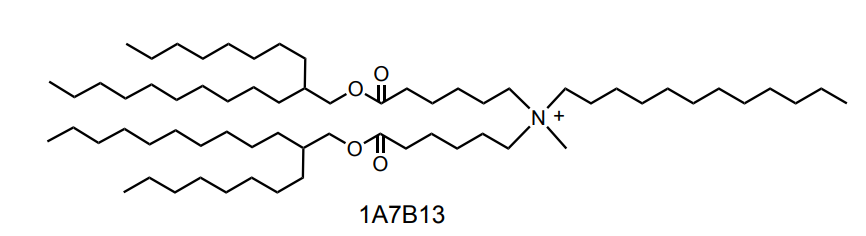
1A7B13 is a top-performing "tripod-like" lung-targeting (LuT) lipid. It forms lipid nanoparticles (LNPs) that, after intravenous injection, deliver genetic medicines (like mRNA and CRISPR-Cas9) to the lungs with over 90% selectivity, particularly favoring epithelial cells. Compared to the benchmark DOTAP LNPs, 1A7B13 LNPs achieve a 25.5-fold increase in mRNA delivery and a 9.2-fold improvement in gene-editing efficiency within the lungs. Its therapeutic potential was demonstrated by successfully delivering IL-10 mRNA to treat acute lung injury in mice.
More description
|
|
| DC74073 | MitoCKi Featured |
MitoCKi (Creatine kinase inhibitor CKi-26) is a selective, covalent inhibitor of creatine kinases (CKs), inhibits recombinant creatine kinase B (CKB) phosphotransfer activity with IC50 of 185 nM, depletes creatine phosphagen energetics in cells.
More description
|

|
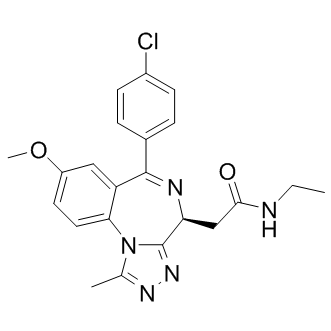
| DC5147 | Molibresib(I-BET-762) Featured |
GSK 525762A is a potent small molecule inhibitors that disrupt the function of the BET family of bromodomains (Brd2, Brd3, and Brd4).
More description
|
|
| DC22700 | DETQ Featured |
A novel potent, selective, allosteric and orally active dopamine D1 receptor potentiator with Kb of 26 nM.
More description
|

|
| DC74270 | GSK-3923868 Featured |
GSK-3923868 (PI4KB inhibitor 30) is a potent, selective, slow-dissociating PI4KB (PI4kIII-beta) inhibitor with pKi of 9.8, >1000-fold selectivity over PI4KA, inhibits HRV viral replication in COPD BECs.
More description
|

|
| DC79391 | T26A Featured |
T26A is a competitive prostaglandin transporter (PGT) inhibitor (Ki=378 nM). T26A is promising for research of prostaglandin signaling and inflammatory diseases (e.g., glaucoma, pulmonary hypertension) .
More description
|
|
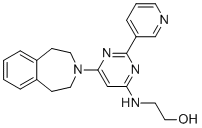
| DC74014 | HQY426 Featured |
HQY426 is a specific, orally bioavailable inhibitor of pre-messenger RNA endonuclease cleavage and polyadenylation specificity factor 3 (CPSF3) with binding IC50 of 0.32 uM, exhibits potent antitumor activity.
More description
|

|
| DCC3052 | Ldn-0130436 Featured |
LDN-0130436 is a novel TDP-43::GFP aggregation inhibitor.
More description
|

|
| DC74021 | IBS007125 Featured |
IBS007125 is a small molecule inhibitor of c-Maf, inhibits multiple myeloma proliferation by targeting cMaf transcriptional activity.
More description
|

|
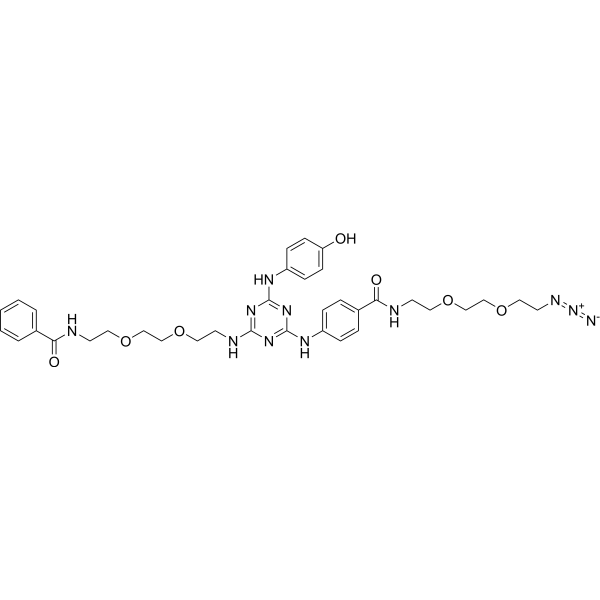
| DC70537 | KDOBA67 Featured |
KDOBA67 is a novel cell-permeable inhibitor of H3K27 lysine demethylase KDM6A/B, inhibits TBXT expression chordoma cell lines.KDOBA67 displayed in vitro inhibitory activity in the low micromolar range with IC50 values of 2 to 5 uM in various chordoma cell lines, leading to induction of apoptosis.H3K27 demethylase inhibition via KDOBA67 alters chromatin state at TBXT and inhibits its expression.TBXT was a KDM6A/B target gene, and chromatin changes at TBXT following KDOBA67 treatment were associated with a reduction in TBXT protein levels.KDOBA67 treatment downregulated expression of a network of transcription factors critical for chordoma survival and upregulated pathways dominated by ATF4-driven stress and proapoptotic responses.
More description
|
|
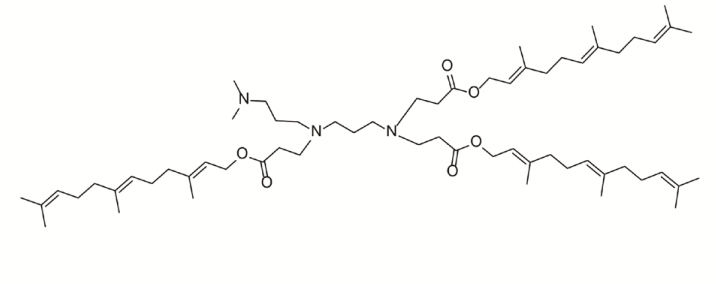
| DC60925 | Lipid H5T5 Featured |
H5T5 is a leading ionizable lipid nanoparticle (LNP) formulation optimized for in vivomRNA delivery, featuring a pKa of 6.51, a size of ~154 nm, and a narrow polydispersity index (PDI) of 0.05. It demonstrated superior in vitromRNA transfection efficiency in primary immune cells, such as bone marrow-derived macrophages. Following intravenous administration, H5T5 exhibits precise organotropism, predominantly targeting the spleen and bone marrow, where it effectively delivers mRNA to a broad spectrum of immune cells, including macrophages, dendritic cells, T cells, B cells, and NK cells. This capability enables its core application: the in vivogeneration of "pan-CAR" immune cells. When loaded with anti-HER2 CAR mRNA, the H5T5-based therapy achieved potent tumor regression and prolonged survival in multiple solid tumor models. Preliminary safety assessments indicated a manageable cytokine profile and no significant organ toxicity, positioning it as a promising platform for in vivocell engineering.
More description
|
|
| DC68022 | Lipid A1F5C5 Featured |
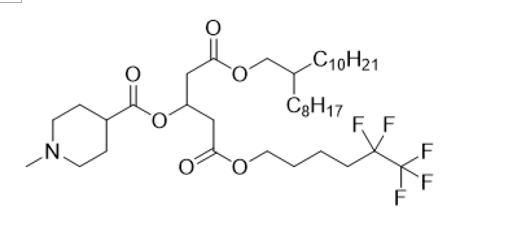
A1F5C5 is a core fluorinated ionizable lipid that forms the basis of the F5-LNP platform. Its key biological functions are multifaceted. Primarily, it enables efficient, targeted mRNA delivery in vivo. Following intravenous administration, F5-LNPs exhibit a strong tropism for the spleen and tumor sites, successfully transfecting over 70% of splenic macrophages and more than 20% of tumor-infiltrating macrophages. This allows for in situ cell engineering. Beyond delivery, A1F5C5 possesses intrinsic immunostimulatory activity. It promotes the maturation and activation of antigen-presenting cells (e.g., upregulating CD80/86 on dendritic cells) and enriches immune-related pathways like "cytokine-cytokine receptor interaction." Mechanistically, its unique 5-fluorine (F5) configuration confers superior membrane fusion capability, which is critical for efficient endosomal escape and cytosolic mRNA release. Therapeutically, when loaded with CAR mRNA, it serves as a platform for in vivo generation of CAR-macrophages (CAR-M). These CAR-M cells phagocytose tumors, reprogram the tumor microenvironment by shifting macrophages to an M1 phenotype, and activate CD8+ T cells. Notably, this approach synergizes powerfully with anti-PD-L1 therapy, achieving complete tumor regression in preclinical models.
More description
|
|
| DCAPI1374 | Cyclovirobuxin D(Bebuxine) Featured |
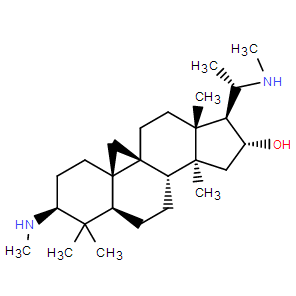
Cyclovirobuxine D (CVB-D) is the main active component of the traditional Chinese medicine Buxus microphylla. Cyclovirobuxine D induces autophagy and attenuates the phosphorylation of Akt and mTOR. Cyclovirobuxine D inhibits cell proliferation of gastric cancer cells through suppression of cell cycle progression and inducement of mitochondria-mediated apoptosis. Cyclovirobuxine D is beneficial for heart failure induced by myocardial infarction.
More description
|
|
| DC60934 | Lipid P3B Featured |
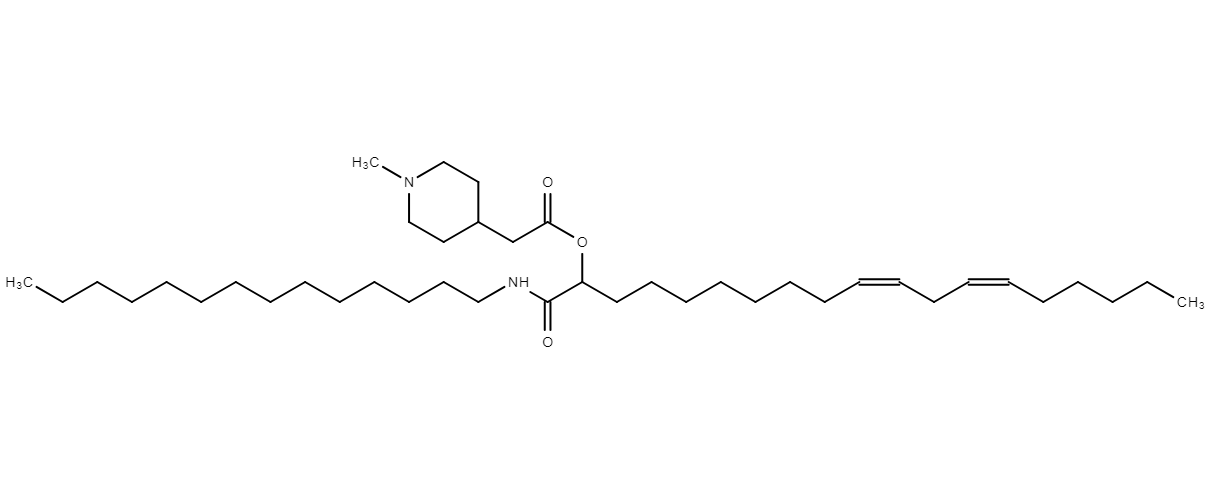
P3B is a biodegradable ionizable lipid engineered to function as a highly efficient delivery vehicle for genome-editing machinery (e.g., CRISPR-Cas9 and adenine base editors) specifically to the central nervous system (CNS). Its primary function is to encapsulate and transport large mRNA payloads across the brain-CSF interface following intrathecal administration, enabling robust and widespread gene editing in neurons and astrocytes across multiple brain regions, including the hippocampus, cortex, and thalamus. Notably, it facilitates precise single-nucleotide correction via base editing. Its targeting is intrinsically achieved by the intrathecal injection route, which localizes the nanoparticles within the cerebrospinal fluid, coupled with an optimized formulation that promotes efficient uptake and activity within CNS parenchyma while minimizing off-target exposure in peripheral organs.
More description
|
|
| DC74079 | MN132.0262 Featured |
MN132.0262 is a small molecule, dual inhibitor of A3G (APOBEC3G, IC50=20 uM).
More description
|

|
| DC74080 | MN256.0102 Featured |
MN256.0102 is a small-molecule APOBEC3G DNA cytosine deaminase inhibitor with IC50 of 3.9 uM.
More description
|

|
| DC67571 | DMG-PEG-Mannose Featured |
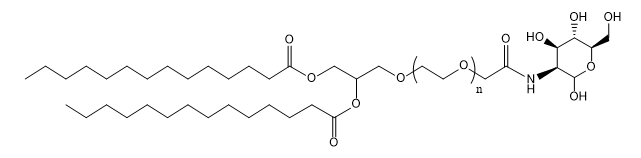
DMG-PEG-Mannose is a specialized functionalized lipid used primarily for the targeted delivery of lipid nanoparticles (LNPs) and liposomes to cells expressing mannose receptors, such as macrophages and dendritic cells. It combines a 1,2-dimyristoyl-sn-glycerol (DMG) lipid anchor with a polyethylene glycol (PEG) spacer and a terminal mannose sugar moiety.
More description
|
|
| DC65850 | VL422 Featured |
VL422 is a novel ionizable cationic lipid, as a high-performance "molecular engine" for next-generation Lipid Nanoparticles (LNPs), specifically engineered for the precise delivery of CRISPR base editors and mRNA. Its sophisticated chemical architecture is designed to remain neutral in systemic circulation for enhanced safety, while rapidly protonating within the acidic cellular environment to trigger efficient endosomal escape and cargo release. Validated by groundbreaking research in liver-targeted gene silencing, VL422 has become a critical benchmark molecule for developing permanent, transformative therapies for cardiovascular and metabolic diseases.
More description
|

|
| DC77784 | UNC10013 Featured |
UNC10013 is a SETDB1 allosteric modulator that forms a covalent bond with Cys385 in the 3TD domain, exhibiting negative allosteric regulatory activity. It has a kinact/KI value of 1.0 × 10⁶ M-1*s-1. UNC10013 effectively disrupts SETDB1-mediated Akt methylation and holds potential value for research in cancer and neurodegenerative diseases.
More description
|

|
| DC67450 | A28-C6B2 Featured |
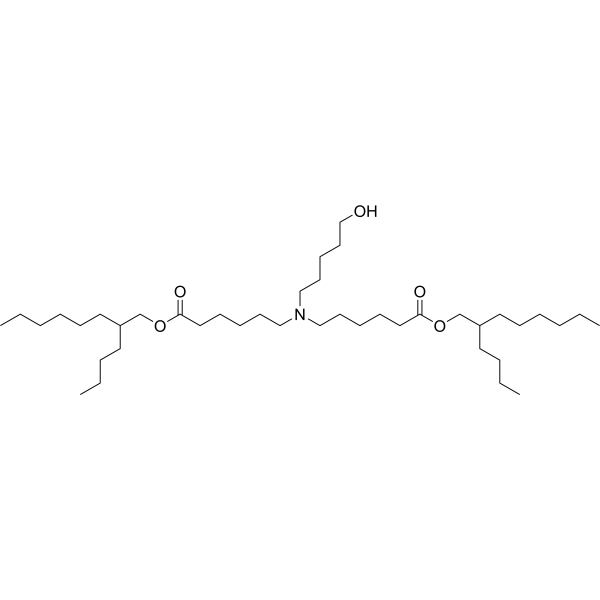
A28-C6B2 is a biodegradable ionizable lipid specifically engineered for spleen-targeted delivery. Through its unique branched structure, it bypasses hepatic uptake to achieve highly efficient transfection of F4/80+ macrophages and CD11c+ dendritic cells within the spleen. This lipid remains neutral in the bloodstream to minimize non-specific interactions, while undergoing protonation in the acidic environment of the endosome to facilitate nucleic acid release, thereby significantly enhancing the potency of mRNA vaccines and immunotherapies.
More description
|
|
| DC41586 | AF12198 Featured |
AF12198 is a potent, selective and specific peptide antagonist for human type I interleukin-1 receptor (IL1-R1) (IC50=8 nM) but not the human type II receptor (IC50=6.7 μM) or the murine type I receptor (IC50>200 μM). AF12198 inhibits IL-1-induced IL-8 production (IC50=25 nM) and IL-1-induced intercellular adhesion molecule-1 (ICAM-1) expression (IC50=9 nM) in vitro. AF12198 has anti-inflammatory activities and?blocks responses to IL-1 in vivo.
More description
|

|
| DC9296 | A-1331852 Featured |
A-1331852 is a high affinity BH3 mimetic Ligand of BCL protein BCL-XL.
More description
|

|
| DC67657 | Lipid TS41 Featured |
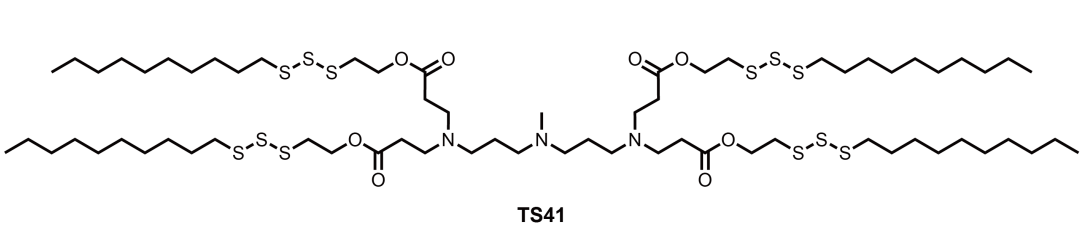
TS41 is a trisulfide-derived ionizable lipid engineered for lipid nanoparticles (LNPs) to deliver mRNA therapeutics against multidrug-resistant bacterial pneumonia. Its optimized formulation, TS41S LNP, combines TS41 with helper lipids (e.g., DOPE, cholesterol) at a precise ratio, achieving a hydrodynamic diameter of ~105 nm, low polydispersity, and high mRNA encapsulation efficiency (~84%). This design enables efficient pulmonary delivery via intratracheal administration, with luminescence signals in lungs 4.8-fold higher than clinical benchmarks like SM-102 LNPs, ensuring targeted expression in epithelial cells, macrophages, and neutrophils. Crucially, TS41 LNPs exhibit potent anti-inflammatory properties by scavenging reactive oxygen species (ROS), reducing neutrophil infiltration and proinflammatory cytokines (e.g., IL-6, TNF-α) in infected lungs. In preclinical models, TS41S LNP encoding PB9 peptibody mRNA eradicated pathogens like Staphylococcus aureus and Pseudomonas aeruginosa, improved survival rates to 80%, and minimized tissue damage without systemic toxicity. Its ROS-scavenging capability synergizes with antibacterial effects, offering a promising, translatable platform for combating resistant infections while controlling inflammation. Future enhancements, such as codon optimization or inhalation delivery, could further broaden its therapeutic potential.
More description
|
|