 To enhance service speed and avoid tariff delays, we've opened a US warehouse. All US orders ship directly from our US facility.
| Cat. No. | Product Name | Field of Application | Chemical Structure |
|---|---|---|---|
| DC67116 | 80-O14B |
|
|
| DC82210 | A1-D1-5 |
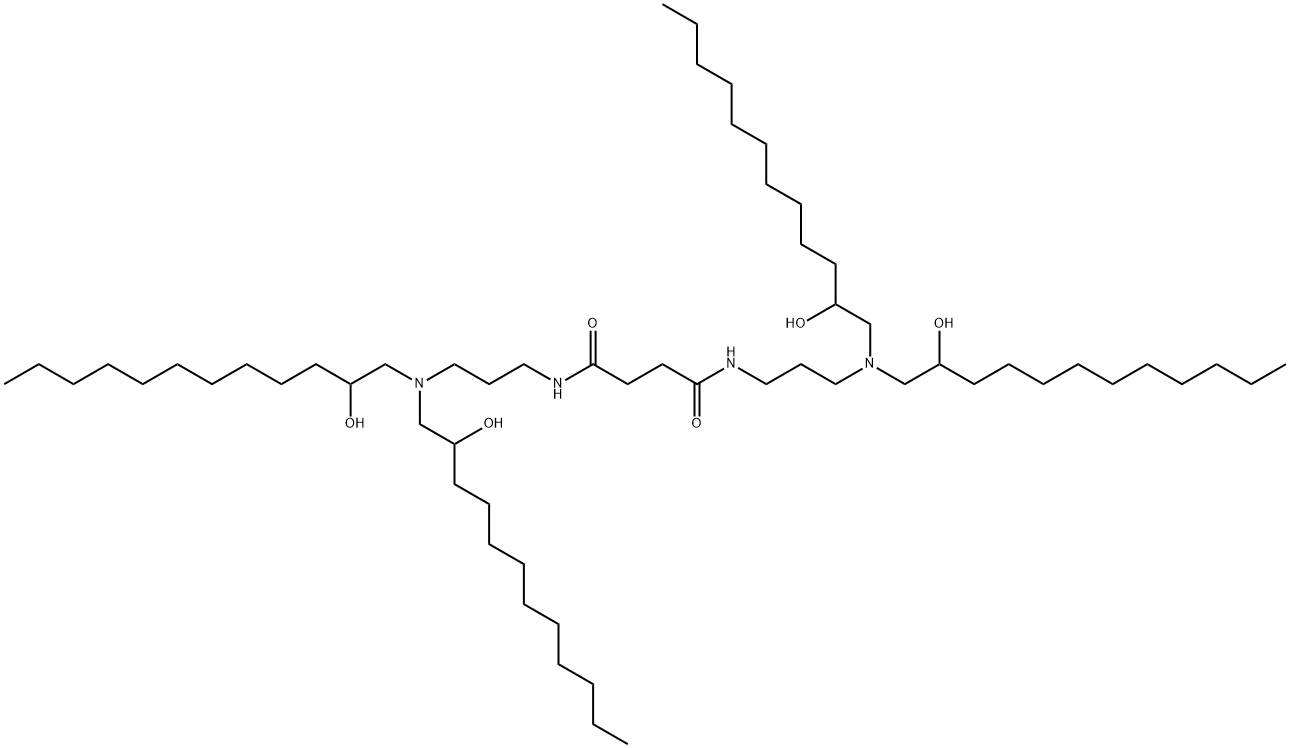
Lipid A1-D1-5 is an ionizable lipid-like substance used for RNA interference therapy in heat-stable ionizable lipid-like nanoparticles (iLAND) for the treatment of hyperlipidemia.
More description
|
|
| DC66529 | ALC-0315 analogue-1 |
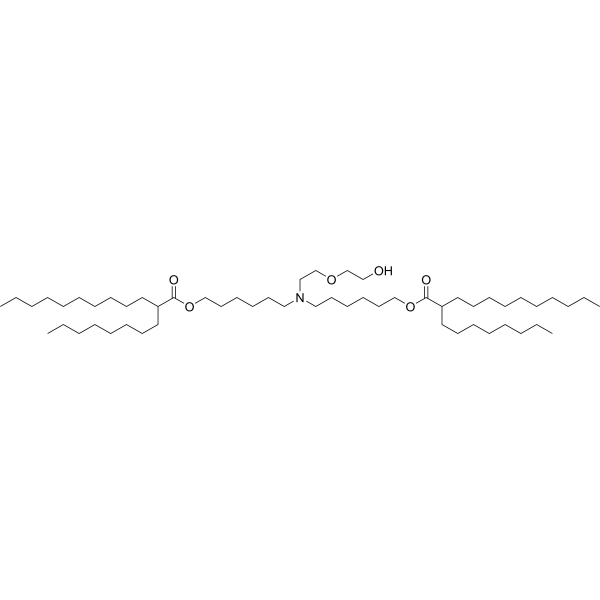
ALC-0315 analogue-1 (compound P-10) is a cationic lipid. ALC-0315 analogue-1 is the raw material for synthesis of cationic liposome.
More description
|
|
| DC66527 | Al-28 |
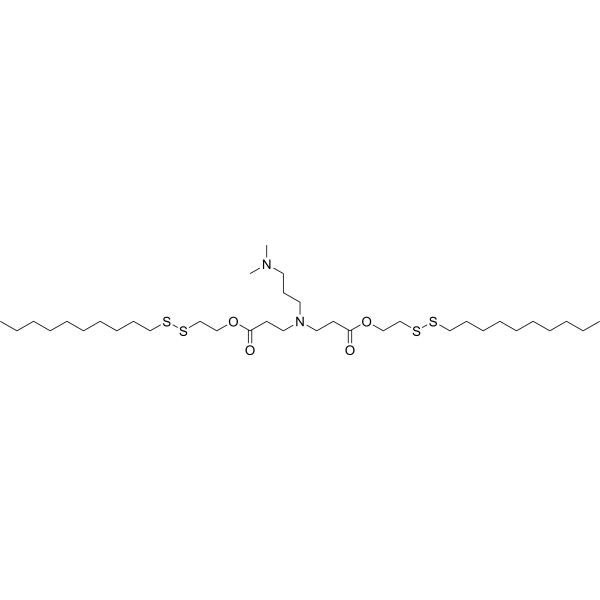
Al-28 is a multi-ionizable aminolipid featuring a central amine and three identical disulfide-linked saturated side chains. The hydrophobic side chains are linked to the central structure by ester as well as disulfide bonds. Disulfide bonds are readily cleaved in the reducing environment of the cell cytoplasm. Ionizable lipids are typically used in the design of nucleic acid lipid nanoparticles, as their pH-dependent positive charge stabilizes the anionic nucleic acids they encapsulate.
More description
|

|
| DC65431 | BP-28671 |

|
|
| DC65408 | BP-26410 |
|
|
| DC65373 | BP-26383 |
|
|
| DC65332 | Butanoic acid, 4-(dimethylamino)-, di-(9Z,12Z)-9,12-octadecadien-1-ylazanyl ester |
|
|
| DC65330 | Lipid 1 |
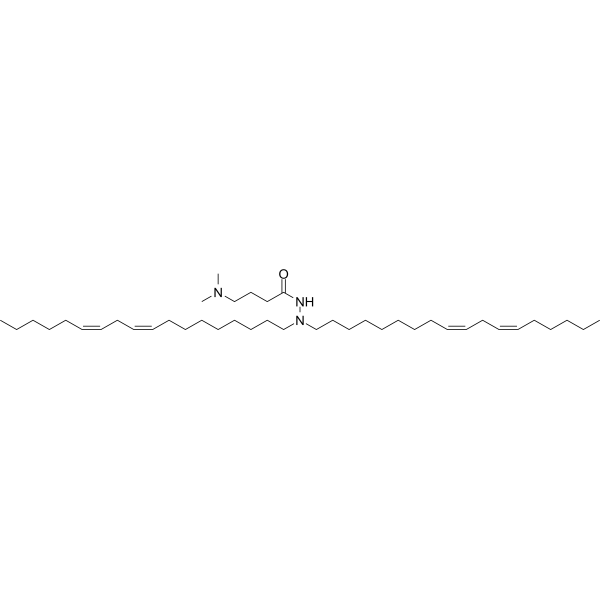
Lipid 1 is an ionizable amino lipid used for the generation of Lipid nanoparticles (LNPs).
More description
|
|
| DC65004 | G0-C14 |
|
|
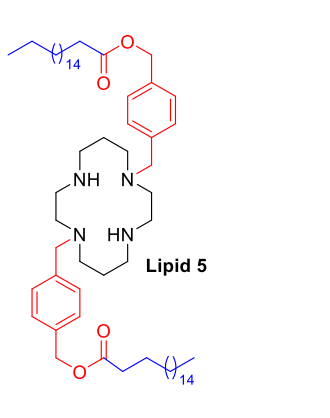
| DC67721 | Macrocyclic Lipid 5 Featured |
Lipid 5 is an ionizable lipid based on a macrocyclic cyclam headgroup. Its structure incorporates a benzylmethyl carbonate (BMC) linker, which contains an aromatic benzene ring, and a saturated C18 hydrophobic tail. Lipid 5 was mixed with helper lipids at a fixed molar ratio and formulated into mRNA-loaded lipid nanoparticles (LNPs) using microfluidic technology. Characterization data show that these LNPs have a hydrodynamic diameter of approximately 50-80 nanometers and a polydispersity index (PDI) below 0.2, indicating a small particle size with a uniform distribution. Their zeta potential at physiological pH is near neutral (ranging from -3 to +3 mV). The mRNA encapsulation efficiency, as determined by the Ribogreen assay, exceeds 95%. Cryo-transmission electron microscopy images reveal that the LNPs exhibit a typical spherical bilayer structure. In in vitro experiments, Lipid 5 LNPs mediated a higher level of luciferase protein expression in HEK293FT cells compared to the benchmark lipid DLin-MC3-DMA. In Balb/c mice, intravenous injection of LNPs encapsulating luciferase mRNA resulted in in vivo imaging signals predominantly concentrated in the lungs. Quantitative analysis indicated that the signal intensity in the lungs was over 100 times greater than that in the liver, with more than 95% of the total signal distributed in the lungs. In Ai9 reporter gene mice, two intravenous injections of Lipid 5 LNPs encapsulating Cre mRNA led to quantitative analysis of lung tissue sections showing that approximately 30% of lung cells were positive for tdTomato signal.
More description
|
|
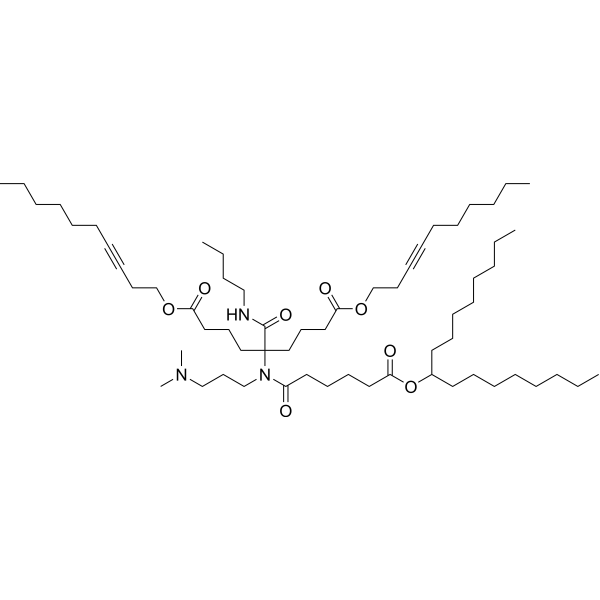
| DC60705 | FO-32 Featured |
FO-32 is an artificial intelligence-guided designed ionizable lipid for RNA delivery to the muscle, lung and nose. FO-32 LNPs enable potent transfection throughout the whole ferret lung epithelium, from trachea to alveoli.
More description
|
|
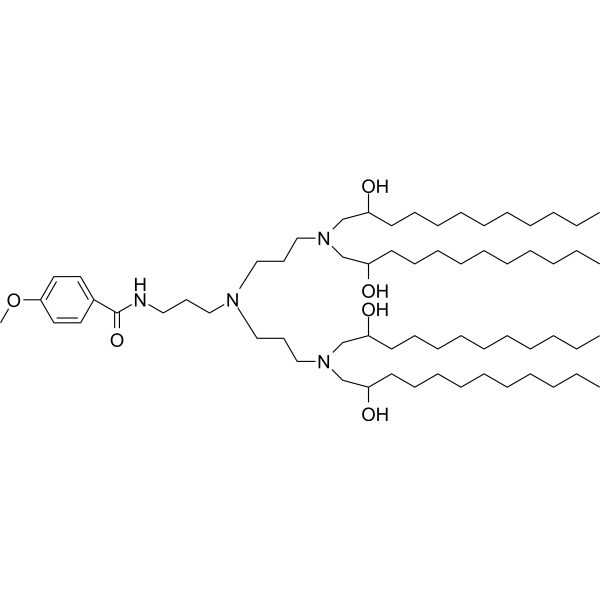
| DC65328 | AA-T3A-C12 Featured |
AA-T3A-C12 is a leading anisamide-tethered lipidoid (AA-lipidoid) identified through a combinatorial library screening for targeted RNA delivery to activated fibroblasts, offering a promising approach to treat liver fibrosis.AA-T3A-C12 is a leading anisamide-tethered lipidoid (AA-lipidoid) identified through a combinatorial library screening for targeted RNA delivery to activated fibroblasts, offering a promising approach to treat liver fibrosis. It is synthesized via a one-pot, two-step modular method that combines anisamide—a ligand for sigma receptors overexpressed on activated hepatic stellate cells (HSCs)—with a T3A polyamine core and C12 epoxide tails, enabling efficient siRNA encapsulation in lipid nanoparticles (LNPs).
In vitro, AA-T3A-C12 LNPs exhibit enhanced cellular uptake and gene silencing in activated fibroblasts, dependent on sigma receptor binding, as confirmed by haloperidol blockade studies, and outperform non-targeted analogs and the FDA-approved MC3 LNPs in fibroblast selectivity.In a mouse model of CCl4-induced liver fibrosis, AA-T3A-C12/siHSP47 LNP achieves approximately 65% knockdown of heat shock protein 47 (HSP47), a key fibrotic target, leading to significant reduction in collagen deposition and fibrosis alleviation, with a good safety profile and no exacerbation of liver injury.
More description
|
|
| DC67553 | Lipid PL40 Featured |
PL-40 is a cardiolipin-mimetic ionizable lipid engineered for high-efficiency, antibody-free mRNA delivery to T cells. PL 40 LNPs exhibit a mean particle size of 120 nm, zeta potential of -5.19 mV, and >80% mRNA encapsulation efficiency, with excellent plasma stability (≤5% size change after 6h in serum). Cryo-TEM reveals polyhedral nanoparticles with phase-separated domains, while SAXS confirms tight mRNA packing (d-spacing: ~3 nm vs. 6.64 nm in conventional LNPs). AFM demonstrates exceptional rigidity (high bending modulus), enabling T cell-selective uptake via actin-mediated endocytosis (>2× higher than ALC0315 LNPs).In primary human T cells, PL40 LNPs achieve >90% transfection at 0.5 μg mRNA dose and sustain >100× higher luciferase expression than benchmark lipids. When delivering circular RNA, they extend protein expression >5 days with superior spleen tropism (spleen:liver ratio = 2.63). Crucially, they reprogram T cells into functional CAR-Ts in vivo without antibody conjugation, evading exhaustion markers (no Tim-3/PD-1 upregulation). Therapeutically, PL40-based uPAR-targeted CAR mRNA reduces liver fibrosis (collagen↓50%, ALT↓50%) and rheumatoid arthritis severity (clinical scores↓60%) by clearing senescent cells. Humanized anti-uPAR CARs delivered via PL40 show near-complete cytotoxicity (>95%) against uPAR+ cells, underscoring clinical translatability.
More description
|

|
| DC60499 | C14-A1 Featured |
Lipid C14-A1 is an ionizable lipid. C14-A1-LPN is a potent and safe LNP platform to deliver Foxp3 mRNA to CD4+ T cells to engineer immunosuppressive FP3T cells.
More description
|

|
| DC60711 | CL15F 9-5 Featured |
CL15F 9-5, a piperidine-based ionizable lipid, exhibits favorable properties for mRNA delivery in lipid nanoparticles (LNPs). Its apparent pKa ranges between 6.24–7.15, ideal for mRNA encapsulation and endosomal escape. LNPs formulated with CL15F 9-5 (50:38.5:10:1.5 molar ratio of ionizable lipid:cholesterol:DSPC:DMG-PEG2k) demonstrated high mRNA encapsulation efficiency (>90%) and maintained physicochemical stability (size, PDI, zeta potential) during storage at 4°C for 5 months . In vitro, CL15F 9-5 LNPs showed superior luciferase expression in HEK-293T cells compared to CL4F-based LNPs. In vivo, liver-targeted LNPs delivered hEPO mRNA effectively, with sustained serum hEPO levels post-storage. Intravenous administration of FLuc mRNA-loaded CL15F 9-5 LNPs yielded strong hepatic bioluminescence, confirming liver tropism. As a vaccine candidate, CL15F 9-5 induced robust antigen-specific cellular immunity in mice, with a 14-fold increase in IFN-γ spots compared to SM-102. Its enhanced stability is attributed to reduced aldehyde impurities, minimizing mRNA-lipid adduct formation.
More description
|

|
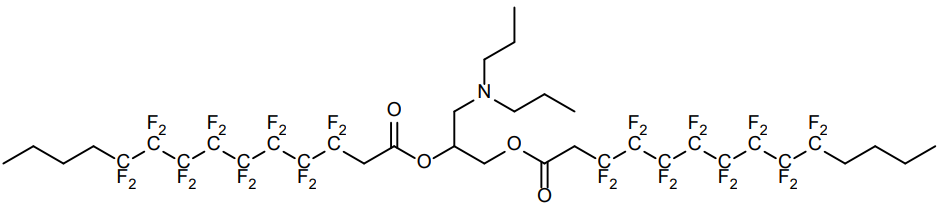
| DC67663 | Lipid 6F Featured |
6F Lipid is a Fluorinated Ionizable Lipid breakthrough in mitochondria-targeted gene delivery
More description
|
|
| DC67662 | Lipid 48 (CC14-L2-T14) Featured |
Lipid 48 is a leading ionizable lipid designed for therapeutic nucleic acid delivery. Its key function is to form the core of lipid nanoparticles (LNPs) that efficiently encapsulate and deliver cargoes like mRNA and CRISPR guide RNAs into cells. Its optimized structure allows it to remain neutral in the bloodstream for low toxicity but become positively charged in acidic cellular compartments (endosomes), where it disrupts the membrane to release the therapeutic payload. Data from the patent demonstrates its superior profile: it achieves high gene editing efficiency (e.g., ~80% indel rates in vitro and 16.2% in vivo in mouse liver) while maintaining low cytotoxicity (cell viability >80% at effective doses), establishing it as an ideal candidate for gene therapy applications due to its exceptional balance of potency and safety.
More description
|
.png)
|
| DC57100 | Acuitas A9 Featured |
Lipid A9 is an ionizable cationic lipid (pKa = 6.27) that has been used in the generation of lipid nanoparticles (LNPs) for the delivery of mRNA and siRNA in vivo. LNPs containing lipid A9 and encapsulating non-stimulatory siRNA increase plasma levels of chemokine (C-C motif) ligand 2 (CCL2), indicating activation of the innate immune response, and decrease body weight in mice.
More description
|
|
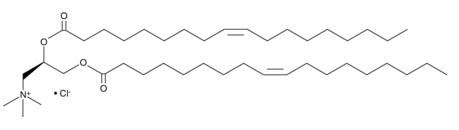
| DC84110 | R-DOTAP(DOTAP R-isomer) |
|
|
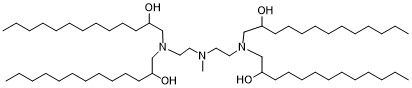
| DC60408 | C13-113-tetra-tail |
C13-113-tetra-tail is an ionizable lipid molecule designed for use in lipid nanoparticles (LNPs) for the delivery of therapeutic payloads, such as nucleic acids (e.g., siRNA, mRNA) or proteins.
More description
|
|
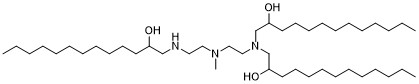
| DC60406 | C13-113-tri-tail |
C13-113-tri tail is an ionizable lipid molecule containing a polar amino alcohol head group, three hydrophobic carbon-13 tails, and a tertiary amine linker. The lipoid can be formulated into a lipid nanoparticle (LNP) to deliver anionic substrates in vitro and in vivo. This includes siRNA to induce gene silencing in a sequence-specific manner, CAS9 mRNA, and cytotoxic proteins. Reagent grade, for research purpose. Please contact us for GMP-grade inquiries.
More description
|
|
| DC72708 | di-Pal-MTO |
di-Pal-MTO is a palm oil-based lipid produced by combining the anticancer drug mitoxantrone (MTO) with palmitoleic acid. When nanoparticles of mono-Pal-MTO and di-Pal-MTO are combined in a molar ratio of 1:1, they show effective siRNA cell delivery and enhance anticancer activity.
More description
|
.png)
|
| DC72701 | mono-Pal-MTO |
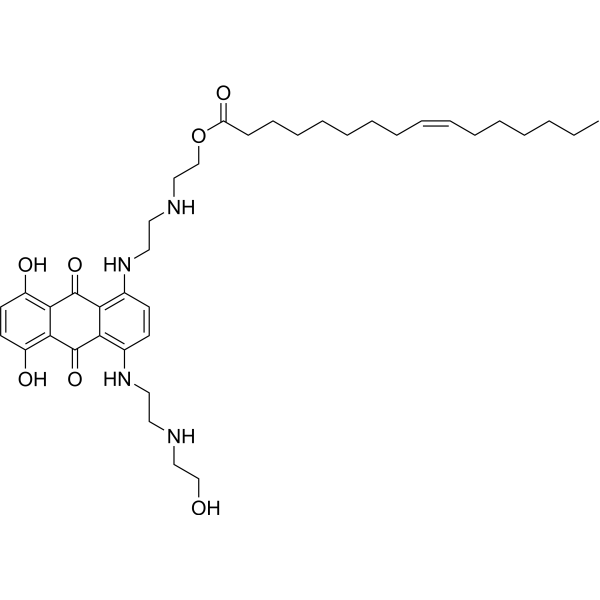
mono-Pal-MTO is a palm oil-based lipid produced by combining the anticancer drug mitoxantrone (MTO) with palmitoleic acid. When nanoparticles of mono-Pal-MTO and di-Pal-MTO are combined in a molar ratio of 1:1, they show effective siRNA cell delivery and enhance anticancer activity.
More description
|
|
| DC60390 | DLin-K-C4-DMA |

|
|
| DC60388 | C2-DLinDMA |

|
|
| DC60361 | DLin-K-DM4 |

|
|
| DC60356 | DMRIE |
DMRIE is a cationic lipid, suitable for transfecting DNA and RNA into eukaryotic cells, and is particularly effective for transfecting suspension cells (e.g., Jurkat) and other lymphoid-derived cell lines.
More description
|

|
| DC83215 | DMAP-BLP |
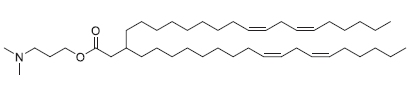
DMAP-BLP is a lipid for RNA and vaccine delivery.DMAP-BLP exhibits optimized bilayer destabilizing and pKa properties leading to highly potent gene silencing in hepatocytes following IV administration that is similar to “gold standard” lipids such as DLinMC3-DMA.
More description
|
|
| DC83320 | A-066 |

|
