 To enhance service speed and avoid tariff delays, we've opened a US warehouse. All US orders ship directly from our US facility.
| Cat. No. | Product Name | Field of Application | Chemical Structure |
|---|---|---|---|
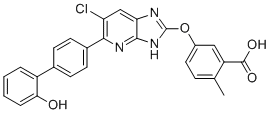
| DC11129 | AMPK activator SC4 Featured |
AMPK activator SC4 is a highly specific and potent activator of the α2β2-AMPK complexes, which are the predominant AMPK isoform complexes found in human skeletal muscle. SC4 demonstrates significant efficacy with EC50 values of 17.2 nM for the α2β2γ1 complex and 82.1 nM for the α2β2γ3 complex. These low EC50 values indicate that SC4 is effective at relatively low concentrations, making it a promising compound for targeting AMPK in skeletal muscle. This specificity and potency suggest potential therapeutic applications in conditions where AMPK activation is beneficial, such as metabolic disorders, muscle function, and energy homeostasis.
More description
|
|
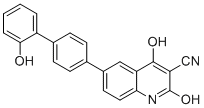
| DC21354 | MT47-100 Featured |
MT47-100 is a novel compound that exhibits a unique dual functionality as both an allosteric activator and inhibitor of AMP-activated protein kinase (AMPK) complexes, depending on the isoform present. Specifically, MT47-100 acts as a direct activator of AMPK complexes containing the β1 isoform and as a direct inhibitor of AMPK complexes containing the β2 isoform. This isoform-specific modulation of AMPK activity makes MT47-100 a potentially valuable tool for studying the distinct physiological roles of β1- and β2-containing AMPK complexes, as well as a candidate for therapeutic applications targeting AMPK-related pathways.
More description
|
|
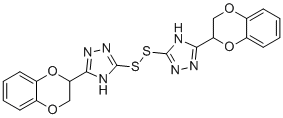
| DC21115 | TD-1 Featured |
Hemoglobin modulator TD-1 (TD-1) is a novel allosteric effector of hemoglobin that increases hemoglobin oxygen affinity and reduces SS erythrocyte sickling.
More description
|
|
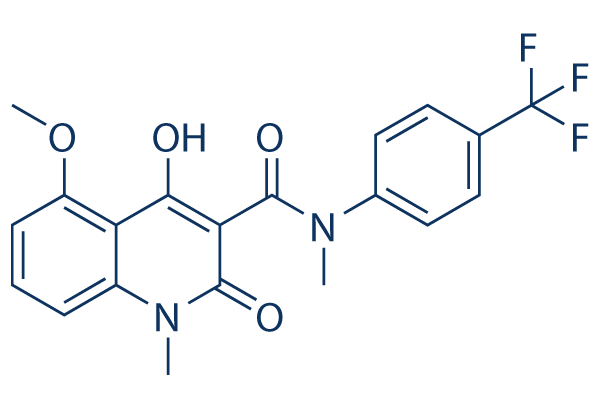
| DC7733 | Tasquinimod(ABR-215050) Featured |
Tasquinimod is an orally active antiangiogenic agent by allosterically inhibiting HDAC4 signalling.
More description
|
|
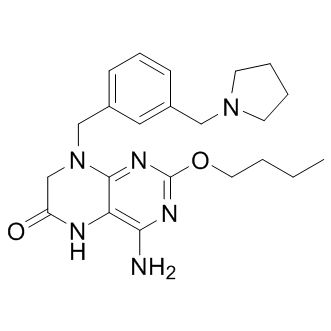
| DC7138 | GS-9620(Vesatolimod) Featured |
GS-9620 is a potent and selective orally active small molecule agonist of Toll-like receptor 7(TLR-7) in chimpanzees with chronic HBV infection.
More description
|
|
| DCC4995 | Szu101 Featured |
Novel TLR7 agonist via immune response induction and tumor microenvironment modulation
More description
|

|
| DCC3219 | Malp-2 Featured |
Toll-like receptor 2/6 (TLR-2/6) agonist, regulating Lcn2 gene, promoting collateral growth
More description
|
|
| DC45281 | RS 09 Featured |
RS 09 is a TLR4 agonist. RS 09 promotes NF-κB nuclear translocation and induces inflammatory cytokine secretion in RAW264.7 macrophages in vitro. RS 09 acts as an adjuvant in vivo; RS 09 enhances X-15 specific antibody serum concentrations, when administered with X-15-KLH in mice.
More description
|
|
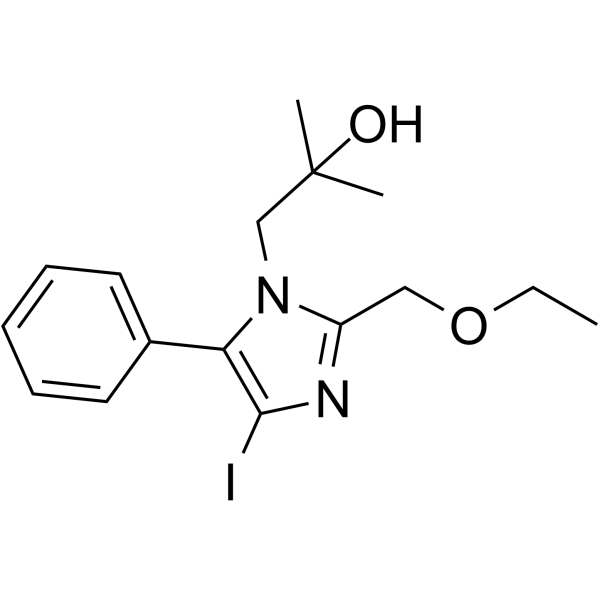
| DC70332 | CU-CPD107 Featured |
CU-CPD107 is a TLR8-specific small molecule with unique synergistic agonist activities in the presence of ssRNA, but inactive without the aid of ssRNA.CU-CPD107 significantly inhibited of R848-induced signaling in HEK-Blue hTLR8 cells with an IC50 of 13.7 uM.CU-CPD107 only inhibited synthesized small-molecule agonist-induced TLR8 signaling without affecting other TLRs.CU-CPD107 synergistically increased IFN-β, TNF-α, IL-1β, IL-6, and IL-8 mRNA expression levels in the presence of 5 μg/ml ssRNA40 in HEK-Blue hTLR8 cells, whereas CU-CPD107 alone did not. CU-CPD107 only activated TLR8-mediated signaling in the presence of ssRNA.CU-CPD107 showed no pure agonistic activity, addressing a major challenge that has existed for previous TLR7 and TLR8 agonists as vaccine adjuvants or antiviral drugs.
More description
|
|
| DC10276 | C29 Featured |
C29 is a potential TLR2 inhibitor.
More description
|

|
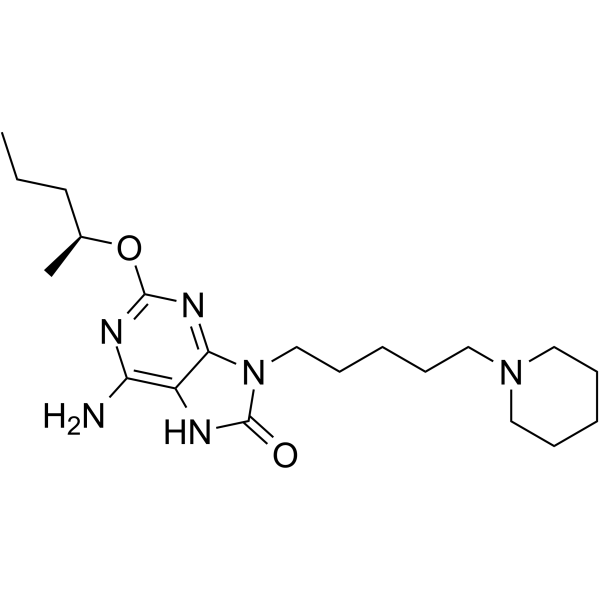
| DC28386 | GSK2245035 Featured |
GSK2245035 is a highly potent and selective intranasal Toll-Like receptor 7 (TLR7) agonist with preferential Type-1 interferon (IFN)-stimulating properties. GSK2245035 has pEC50s of 9.3 and 6.5 for IFNα and TFNα. GSK2245035 effectively suppresses allergen-induced Th2 cytokine production in human peripheral blood cell cultures. GSK2245035 is used for asthma.
More description
|
|
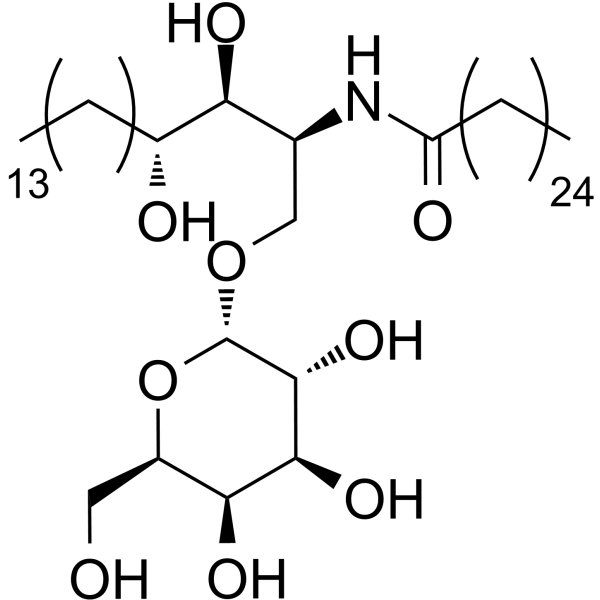
| DC28134 | α-Galactosylceramide Featured |
α-Galactosylceramide (α-GalCer) is a synthetic glycolipid with antitumorial and immunostimulatory. α-Galactosylceramide is a very potent NKT cell agonist and binds effectively to CD1d. The complex of α-Galactosylceramide plus CD1d binds the NKT cell TCR (T cell antigen receptor).
More description
|
|
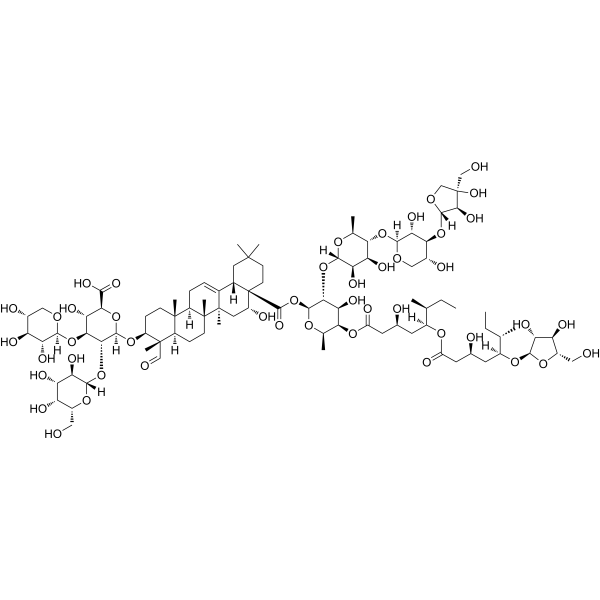
| DCAP008 | QS-21 Featured |
QS-21, an immunostimulatory saponin, could be used as a potent vaccine adjuvant. QS-21 stimulates Th2 humoral and Th1 cell-mediated immune responses through action on antigen presenting cells (APCs) and T cells. QS-21 can activate the NLRP3 inflammasome with subsequent release of caspase-1 dependent cytokines, IL-1β and IL-18[1][2][3].
More description
|
|
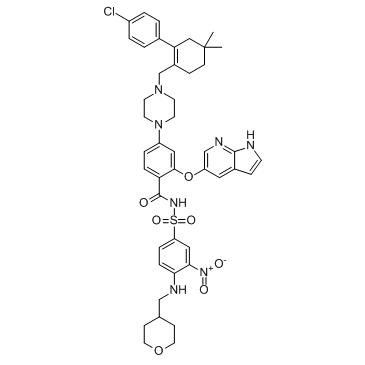
| DC2002 | Venetoclax(ABT-199) Featured |
Venetoclax (ABT-199; GDC-0199) is a highly selective, orally bioavailable small-molecule inhibitor of Bcl-2, exhibiting sub-nanomolar binding affinity with a Ki of less than 0.01 nM. This compound has been demonstrated to induce autophagy, highlighting its role in modulating programmed cell death pathways. In vitro studies reveal that Venetoclax exhibits potent cytotoxic activity against FL5.12-BCL-2 cells, with an EC50 of 4 nM, while showing markedly reduced efficacy against FL5.12-BCL-XL cells (EC50 = 261 nM), underscoring its selectivity for Bcl-2 over Bcl-XL.
The selectivity of Venetoclax is further corroborated in cellular mammalian two-hybrid assays, where it effectively disrupts BCL-2-BIM protein-protein interactions with an EC50 of 3 nM. In contrast, it demonstrates significantly weaker activity against BCL-XL-BCL-XS and MCL-1-NOXA complexes, with EC50 values of 2.2 μM, reinforcing its specificity for Bcl-2-dependent apoptotic regulation.
In vivo efficacy studies utilizing xenograft models derived from RS4;11 cells, a representative model of acute lymphoblastic leukemia (ALL), demonstrate that a single oral dose of Venetoclax (12.5 mg/kg) achieves a maximal tumor growth inhibition (TGImax) of 47% (P < 0.001) and a tumor growth delay (TGD) of 26% (P < 0.05). These results indicate robust anti-tumor activity in a Bcl-2-dependent malignancy.
More description
|
|
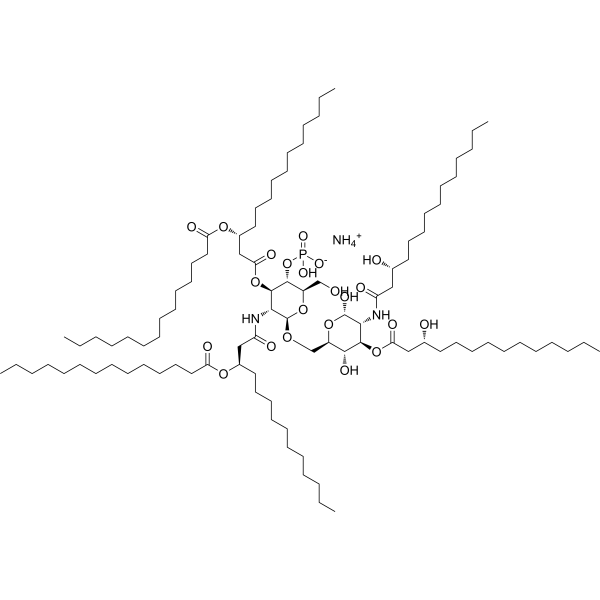
| DC46463 | Monophosphoryl lipid A Featured |
Monophosphoryl lipid A (Glucopyranosyl lipid A) is a toll-like receptor 4 agonist. Monophosphoryl lipid A is derived from the cell wall of nonpathogenic Salmonella. Monophosphoryl lipid A can be used for the research of immunization and vaccine.
More description
|
|
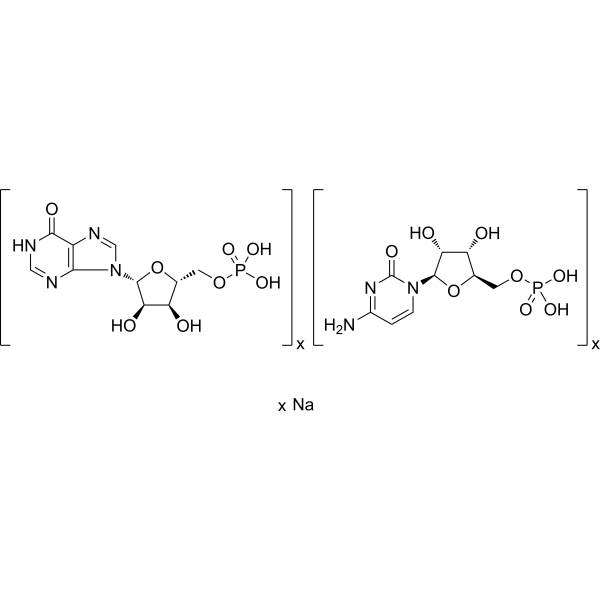
| DC28932 | Polyinosinic-polycytidylic acid sodium Featured |
Polyinosinic-polycytidylic acid (Poly(I:C)) sodium is a synthetic analog of double-stranded RNA and an agonist of toll-like receptor 3 (TLR3) and retinoic acid inducible gene I (RIG-I)-like receptors (RIG-I and MDA5). Polyinosinic-polycytidylic acid sodium can be used as a vaccine adjuvant to enhance innate and adaptive immune responses, and to alter the tumor microenvironment. Polyinosinic-polycytidylic acid sodium can directly trigger cancer cells to undergo apoptosis.
More description
|
|
| DC31592 | Cefonicid Sodium |
Cefonicid Sodium is the sodium salt form of cefonicid, a semisynthetic second-generation broadspectrum cephalosporin with antibacterial activity that inhibits the formation of the bacterial cell wall. Cefonicid binds to and inactivates penicillin-binding proteins (PBPs) located on the inner membrane of the bacterial cell wall. PBPs are enzymes involved in the terminal stages of assembling the bacterial cell wall and in reshaping the cell wall during growth and division. Inactivation of PBPs interferes with the cross-linkage of peptidoglycan chains necessary for bacterial cell wall strength and rigidity. This results in the weakening of the bacterial cell wall and causes cell lysis.
More description
|
|
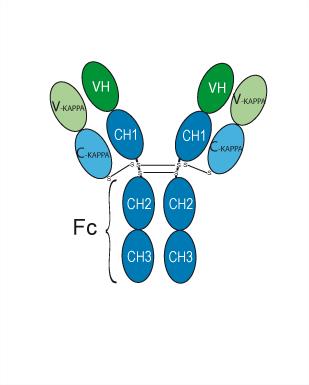
| A122 | Benralizumab Biosimilar(Anti-IL-5Ra/ CD125 Reference Antibody) Featured |
Benralizumab (MEDI-563) is an interleukin-5 receptor α (IL-5Rα)-directed cytolytic monoclonal antibody that induces direct, rapid and nearly complete depletion of eosinophils via enhanced antibody-dependent cell-mediated cytotoxicity. Benralizumab can be used for severe eosinophilic asthma.
More description
|
|
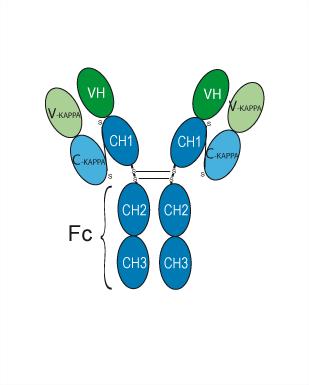
| A123 | Dupilumab Biosimilar (Anti-IL-4Ra / CD124 Reference Antibody ) Featured |
Dupilumab (REGN-668) is a fully human mAb to IL-4 receptor α (IL-4Rα) that inhibits both IL-4 and IL-13 signaling, markedly improved moderate-to-severe atopic dermatitis.
More description
|
|
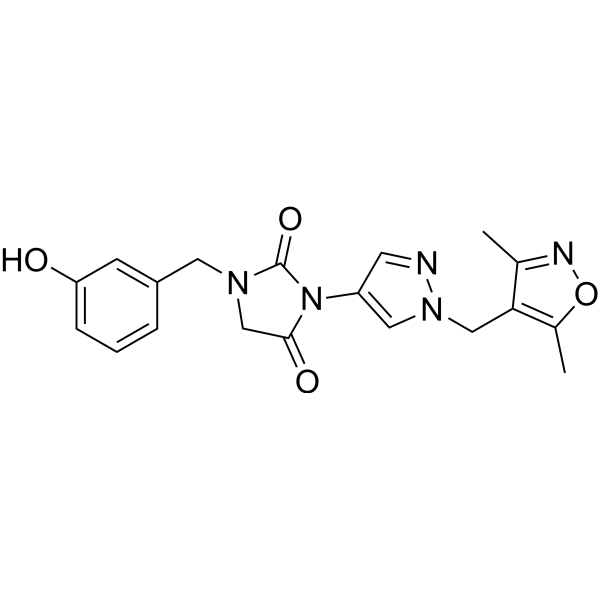
| DC73509 | S6821 Featured |
S6821 (S 6821) is a potent and selective antagonist of the bitter taste receptor TAS2R8, exhibiting an IC50 value of 21 nM.
It demonstrates high selectivity across a panel of 16 TAS2Rs, effectively reduces the bitterness of coffee, and shows an excellent safety profile.
More description
|
|
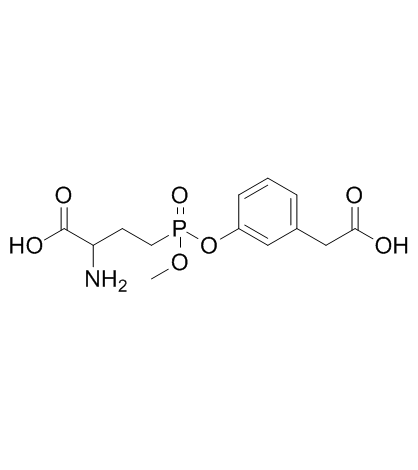
| DC20045 | GGsTop (Nahlsgen) Featured |
GGsTop (Nahlsgen) is a potent, non-toxic, highly selective and irreversible γ-GGT inhibitor, with a Ki of 170 μM for Human GGT. GGsTop shows a pKa of 9.71, also exhibits Kons of 150 and 51 M-1 s-1 against E.coli GGT and human GGT, respectively. GGsTop protects hepatic ischemia-reperfusion injury in rat model.
More description
|
|
| DC10304 | RA190 Featured |
RA190, a bis-benzylidine piperidon, inhibits proteasome function by covalently binding to cysteine 88 of ubiquitin receptor RPN13.
More description
|
|
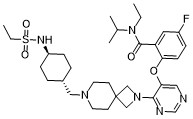
| DC45758 | Revumenib Featured |
SNDX-5613 is a potent and selective inhibitor of menin-MLL binding with a Ki of 0.15 nM. SNDX-5613 shows anti-proliferative activity against multiple cell lines harboring MLLr translocations (MV4;11, RS4;11, MOLM-13, KOPN-8) with IC50 values ranging from 10-20 nM.
More description
|
|
| DC72429 | DSPE-glutaric acid Featured |
DSPE-glutaric acid is a lipid. DSPE-glutaric acid can be used for the research of various biochemical.
More description
|
|
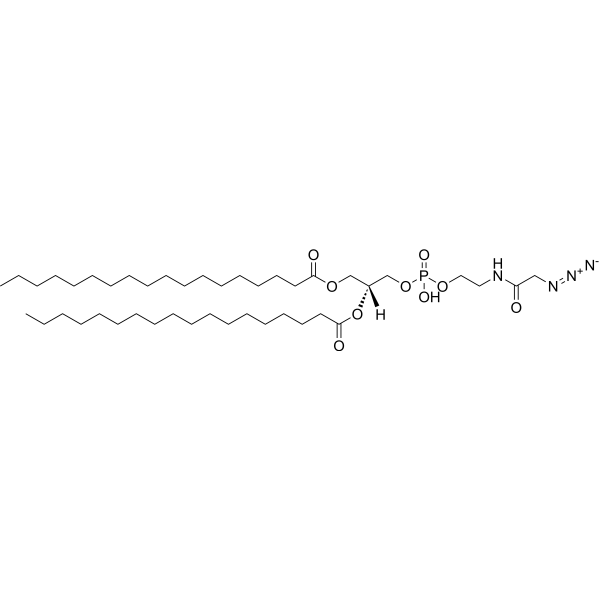
| DC72432 | DSPE-N3 Featured |
DSPE-N3 is a lipid. DSPE-N3 can be used for the research of various biochemical.
More description
|
|
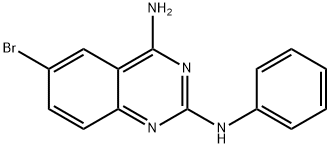
| DC73377 | AS408 Featured |
AS408 is a negative allosteric modulator of the β2-adrenergic receptor (β2AR) for both G-protein activation and arrestin recruitment (pKB=6.8, [35S]GTPγS binding assays), binds to a pocket formed by the membrane-facing surface of TM3 and TM5.
More description
|
|
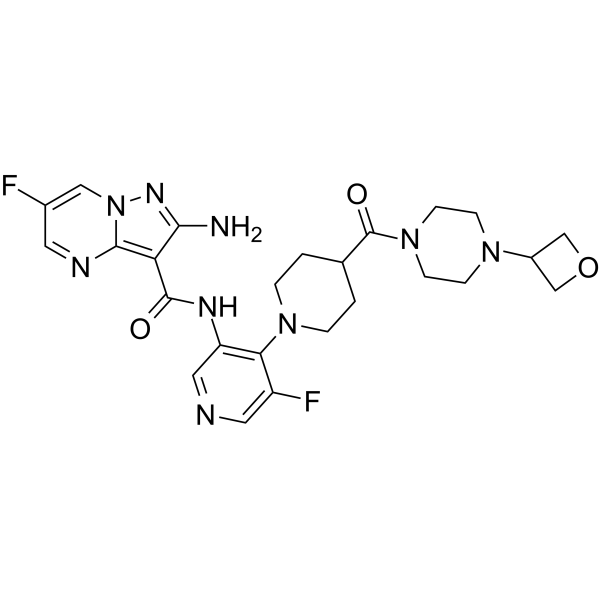
| DC39113 | Gartisertib Featured |
Gartisertib (VX-803) is an ATP-competitive, orally active, and selective ATR inhibitor, with a Ki of <150 pM. Gartisertib potently inhibits ATR-driven phosphorylated checkpoint kinase-1 (Chk1) phosphorylation with an IC50 of 8 nM. Antitumor activity.
More description
|
|
| DC72634 | (Rac)-SNC80 |
(Rac)-SNC80 is a racemate of SNC80. SNC80 (NIH 10815) is a potent, highly selective and non-peptide δ-opioid receptor agonist with a Ki of 1.78 nM and an IC50 of 2.73 nM. SNC80 shows antinociceptive, antihyperalgesic and antidepressant‐like effects. SNC80 has the potential for multiple headache disorders treatment.
More description
|

|
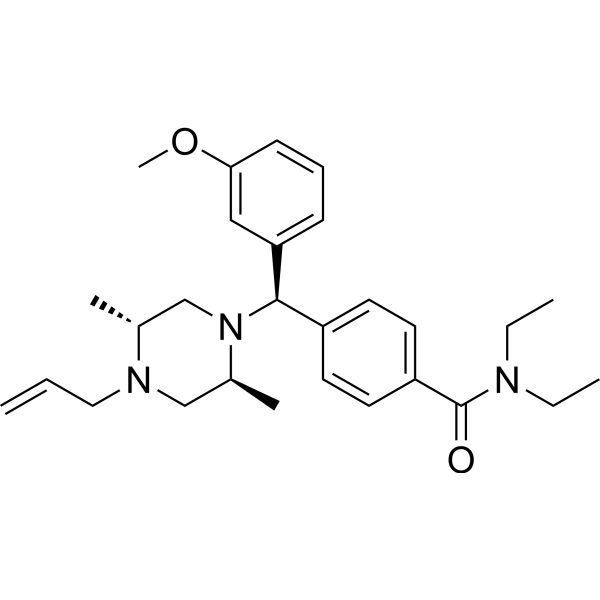
| DC22902 | SNC-80 Featured |
SNC80 (NIH 10815) is a potent, highly selective and non-peptide δ-opioid receptor agonist with a Ki of 1.78 nM and an IC50 of 2.73 nM. SNC80 also selectively activates μ-δ heteromer in HEK293 cells with an EC50 of 52.8 nM. SNC80 shows antinociceptive, antihyperalgesic and antidepressant‐like effects. SNC80 has the potential for multiple headache disorders treatment.
More description
|
|
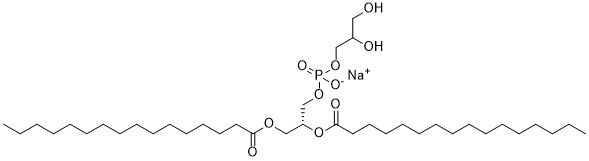
| DC49194 | DPPG sodium Featured |
DPPG sodium (1,2-Dipalmitoyl-sn-glycero-3-PG sodium) is a phospholipid containing the long-chain(16:0) palmitic acid inserted at the sn-1 and sn-2 positions. DPPG sodium is used in the generation of micelles, liposomes and other types of artificial membranes.
More description
|
|
